Oslo to Gothenburg: How to Do Sweden's Second City from Oslo
Gothenburg is the closest big foreign city to Oslo, close enough that Swedes and Norwegians treat the run between them as a commute rather than a journey. Here is how to plan it, what it costs, and whether it deserves a day of your Oslo trip.
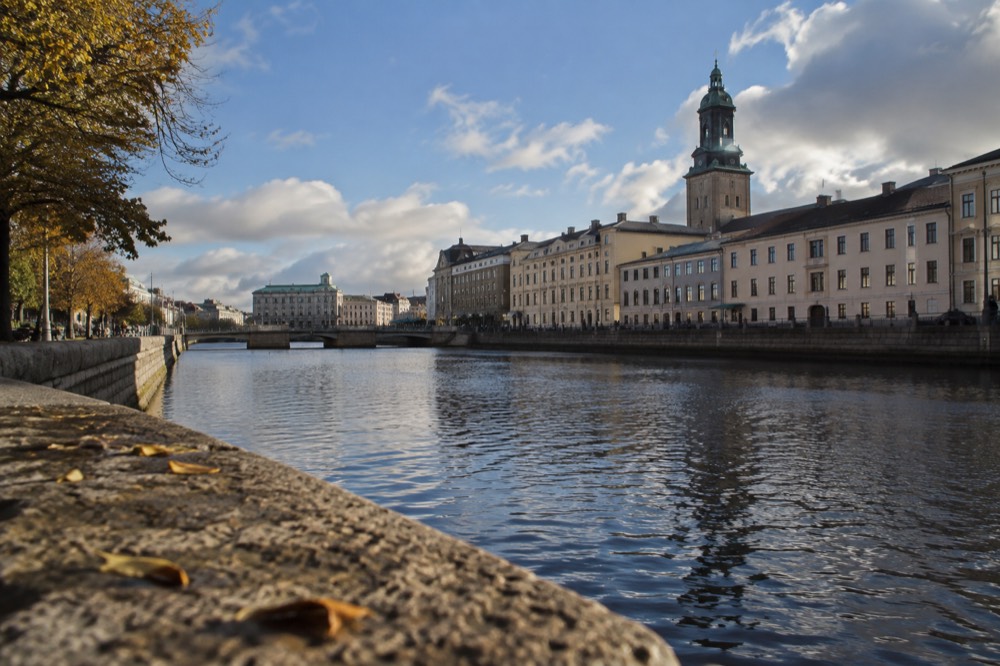
Short answer
Gothenburg sits roughly 300 km south of Oslo and is reachable by direct train in under four hours, by bus in around three and a half, or by car in about three and a half hours door to door. A day trip is feasible but tight; an overnight is the more rewarding shape. The train along the Oslofjord and Bohuslän coast is the recommended option.
Gothenburg is the one foreign city that behaves like a Norwegian neighbor. It sits on Sweden's west coast, a few hours south of Oslo across the Bohuslän border, and the connection between the two is dense enough that the train runs several times a day in each direction. Norwegians go for the cheaper restaurants and the amusement park; Swedes come north for the mountains and the fjord. For a visitor based in Oslo, it is the easiest way to add a second Scandinavian country to one trip without booking a flight or repacking a bag.
This guide covers the route itself, the honest cost picture, and what you can realistically see if you give Gothenburg a day. It also compares the trip against the Norwegian alternatives, because Oslo is surrounded by fjord, forest and island options that some visitors will enjoy more than a second city. The team at Oslo Travel Guide has pulled the transport facts, the money facts and the timing facts into one place so you can decide in ten minutes.
How Do You Get from Oslo to Gothenburg?
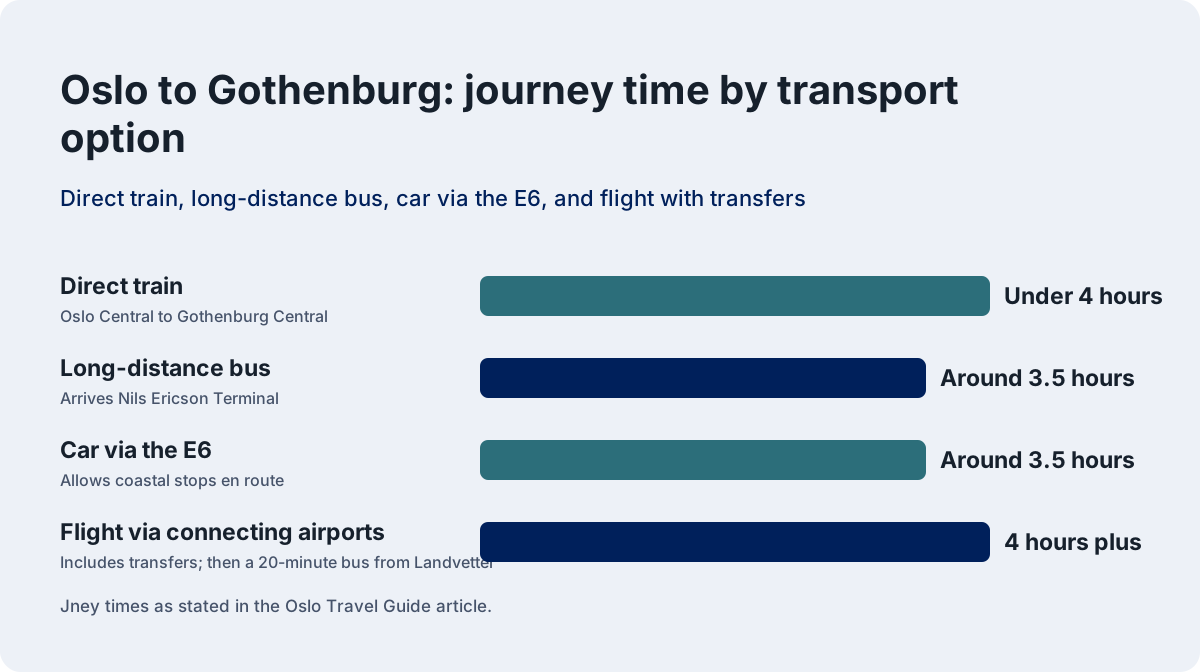
The Oslo to Gothenburg route is served by direct trains from Oslo Central Station to Gothenburg Central Station, taking a little under four hours, plus long-distance buses that cover the distance in around three and a half hours on the motorway. Driving yourself takes about three and a half hours via the E6. Flying is the worst option: with airport transfers at both ends it is slower than the train and rarely cheaper.
The train is the option most visitors should take, and not only for the convenience. The line leaves Oslo heading south along the western shore of the Oslofjord, crosses into Sweden near Halden, and then threads the Bohuslän coast for long stretches, with the sea appearing on the right side of the carriage for much of the Swedish half of the run. It is a genuinely scenic ride for a route this short, and it delivers you into the center of Gothenburg rather than an airport an hour outside it.
The bus is the budget alternative. Coaches run from Oslo's central bus terminal to Gothenburg's Nils Ericson Terminal, which sits directly beside the central station, and the journey time is comparable to the train because both use the same corridor. Fares move around with demand, so check both before booking. Driving gives you freedom to stop, and the Bohuslän coast villages are the reason to take it, but parking in Gothenburg adds cost and hassle that a day-tripper does not need.
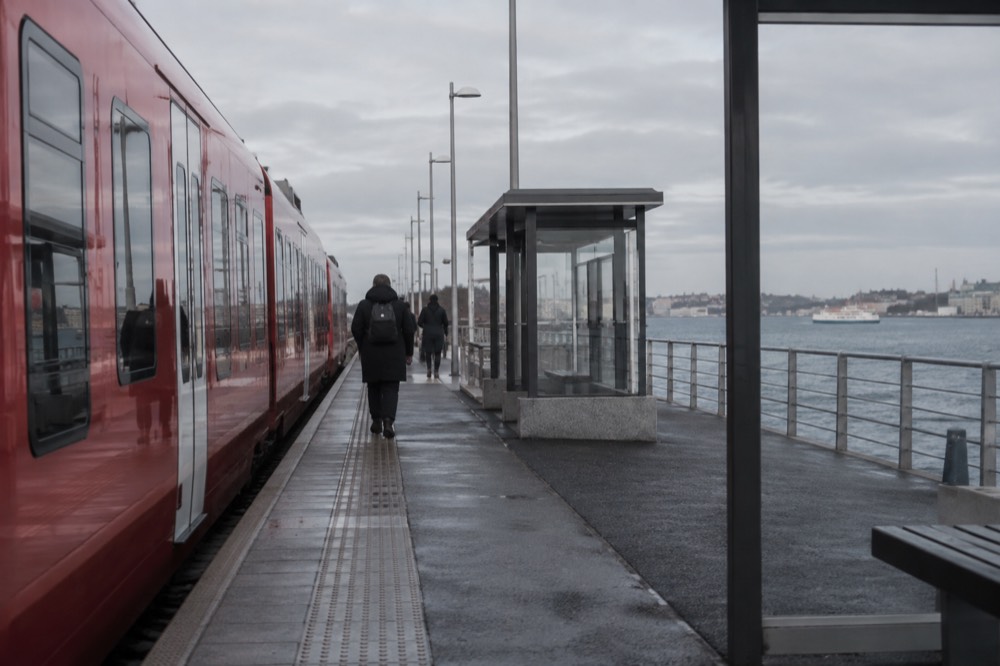
Here is how the four options compare for a day trip. Journey times are typical rather than guaranteed, and fares vary by date and how early you book, so treat the cost column as a planning range rather than a promise.
| Option | Typical journey time | Where you arrive | Best for |
|---|---|---|---|
| Direct train | Under 4 hours | Gothenburg Central Station | Scenery and simplicity |
| Long-distance bus | Around 3.5 hours | Nils Ericson Terminal, beside the station | Lowest fare |
| Car via the E6 | Around 3.5 hours driving | Wherever you park | Coastal stops en route |
| Flight via connecting airports | 4 hours plus with transfers | Landvetter, then a 20-minute bus | Almost nobody |
One Norwegian detail worth carrying: Norway is in Schengen but not in the European Union, and neither is Sweden's border with it a hard one for this route, since Sweden is also Schengen. You cross the border on the train without a passport check in normal circumstances, but carry ID anyway, because spot checks happen and carriers can require it. Norway uses the krone and Sweden uses the Swedish krona, and they are not the same currency, so plan for a card that handles both.
Is the Train from Oslo to Gothenburg Worth It Over Flying?
Yes, the train beats flying on this route for almost every traveler. The flight itself is short, but there is no major-hub direct service that saves real time once you count getting to Oslo Airport, security, boarding, and the transfer from Landvetter into Gothenburg. The train takes you center to center in one seat, along a coastline that is the prettiest stretch of track within a day of Oslo.
The arithmetic is blunt. Oslo Airport sits about 50 km north of the city, and the airport trains, Flytoget at 268 NOK adult one-way and the Vy local trains at roughly half that on a multi-zone Ruter ticket, take 20 to 23 minutes just to reach the departure point. Add the standard hour-plus of airport time, the flight, and the bus from Landvetter, and the plane has lost its advantage before you have found your hotel. The train leaves from Oslo Central Station, which is also where the airport trains drop you, so the two options start from the same place.
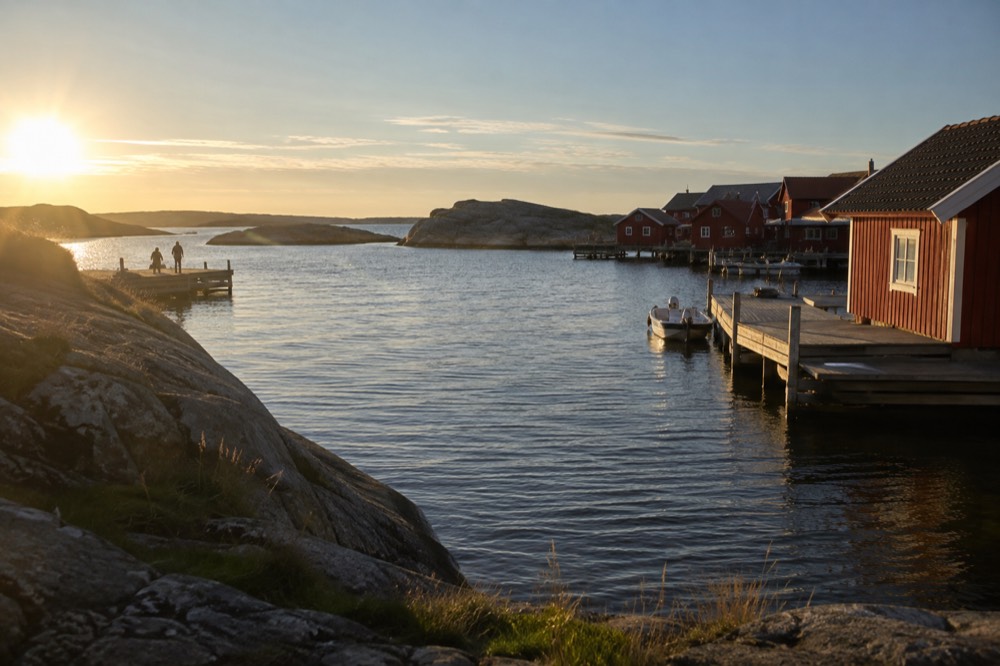
The scenery is the tiebreaker. South of Oslo the tracks hug the fjord shore, and after the Swedish border the line keeps returning to the coast through Bohuslän, a landscape of smooth granite, fishing villages and small harbours that is completely different from anything on the Norwegian side. Sit on the right-hand side heading south for the best of the water views. In winter the same stretch is low light and snow-dusted, atmospheric in a different way, and the 21 December daylight around Oslo is under six hours, so a winter day trip means arriving in Gothenburg in daylight and leaving in the dark.
Book the train in advance if your dates are fixed, because fares on this corridor rise as departure approaches, and the cheapest tickets are non-refundable. If your plans might move, buy the flexible fare or check the cancellation terms before committing. The same advice applies to the bus. For readers planning a longer Scandinavian rail trip, the Oslo to Stockholm train is the other big international rail route from the city, and the Bergen railway is the domestic one that most Norwegians call the most beautiful in the country.
What Does a Gothenburg Day Trip Cost?
Budget roughly the cost of return transport plus food for the day, with the transport being the largest single line. Train fares vary widely with booking timing, buses are cheaper, and Gothenburg's food and drink prices sit noticeably below Oslo's, which is one of the main reasons Norwegians make this trip at all. Sweden's restaurants and shops are the bargain relative to Norway, not the transport.
The cost logic of this trip is inverted from what you might expect. Norway is the sixth most expensive country in Europe on Statistics Norway's 2025 price-level survey, with household prices 28.6% above the EU average, food 33% above, and alcohol and tobacco more than double the European average. Sweden is expensive by European standards too, but it is meaningfully cheaper than Norway, and the gap is most visible in restaurants, cafes and bars. Many Oslo residents treat a Gothenburg weekend as, in part, a cheaper-eating trip.
Transport is the fixed cost. Book early and the train can be reasonable; book on the day of travel and it will not be. The bus is consistently the cheapest seat on the corridor. If you drive, fuel and Swedish parking in the city center will eat most of what you saved on fares. Museum entry in Gothenburg is modest by Norwegian standards, and the city's best-known attraction, the Haga district's old wooden houses and the fortifications of Skansen Kronan, cost nothing to walk through.
Here is a realistic budget shape for one person doing the trip as a day return, using planning ranges rather than quoted fares. Treat every line as a range to check on the day you book, not a fixed price.
| Line item | Planning range | Notes |
|---|---|---|
| Return train, booked early | Moderate | Rises sharply near departure |
| Return bus, booked early | Lowest of the options | Same corridor, less comfort |
| Lunch and coffee in Gothenburg | Notably below Oslo prices | The main saving of the trip |
| Museum or attraction entry | Modest | Several top sights are free |
| Local transport in Gothenburg | Small | The center is walkable and trams are cheap |
One currency note that saves confusion at the till: Sweden uses the Swedish krona, Norway the Norwegian krone, and although both are abbreviated "kr" the values differ. Cards are near-universal in both countries, so most visitors never handle cash at all. If you are building the wider budget for your Norway stay first, our Oslo trip cost guide breaks the Norwegian side down line by line.
What Should You Actually See in Gothenburg in One Day?
With a realistic six to eight hours on the ground, focus on the Haga district's wooden houses and fika culture, the canals and fortifications of the old center around Kronhuset, the fish church market hall, and either the Art Museum or a walk along the Avenyn boulevard. Trying to add the southern archipelago islands or the amusement park will break the schedule for a day-tripper.
Gothenburg rewards concentration. The city is compact, walkable in its core, and organized around a canal ring that was built as fortification and is now the pleasantest walking route in the center. Start in Haga, the old working-class quarter north of the center, where the wooden houses survive and the cafes take fika seriously; this is the neighborhood every guide sends you to and it earns it. From there the path leads up to Skansen Kronan, the hilltop fortification with the classic view over the rooftops.
The fish church, or Feskekôka, is the market hall that has sold the city's seafood since the 19th century, and it sits conveniently between the canal and the river. The Gothenburg Museum of Art holds a strong Nordic collection, and the city's tram network, one of the largest in the world for a city its size, is itself a cheap sightseeing tool. If you have energy left, the Avenyn boulevard runs south from the center toward Götaplatsen and the Poseidon statue.
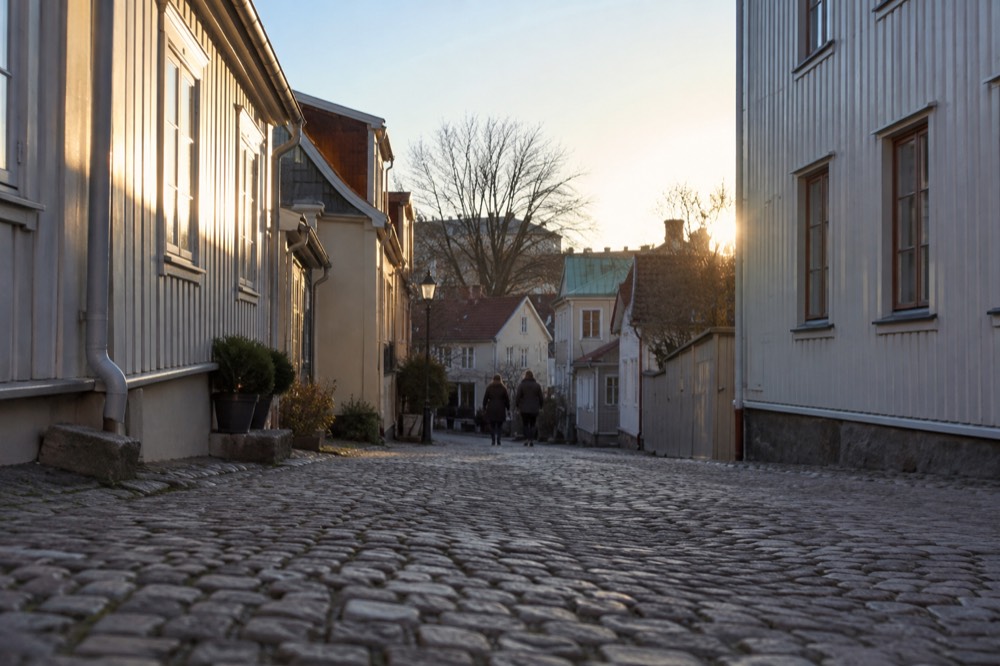
A one-day shape that works with the train timetable looks like this. Adjust the arrival and departure times to whatever the current schedule gives you, and remember that in winter you will lose the light by mid-afternoon.
| Time | Where | What to do |
|---|---|---|
| Morning | Haga district | Coffee and a cinnamon bun, walk the wooden streets |
| Midday | Skansen Kronan | Climb the hill for the city view |
| Early afternoon | Fish church and canals | Market hall, then the canal ring on foot |
| Late afternoon | Art Museum or Avenyn | Pick one, not both |
| Evening | Central Station | Return train to Oslo |
What to skip on a day trip is as important as what to see. The southern archipelago is genuinely lovely and reachable by public ferry, but it is a half-day of its own. The Liseberg amusement park is only open seasonally and eats an entire afternoon. Universeum and the museum district across the river are worthwhile but not on a first visit with a clock running. Save them for an overnight, which is the better shape for this city anyway.
When Is the Best Time of Year to Do This Trip?
May through September is the comfortable window, with long daylight, reliable ferry and boat services on both the Norwegian and Swedish sides, and the full Gothenburg program running. Midwinter works for a city-break version, but the 21 December daylight around Oslo is under six hours, so you will see Gothenburg largely under streetlights, and coastal weather in Bohuslän is wet and windy in the darkest months.
The seasonal logic follows the Oslo side of the route. Oslo's normals show July as the warmest month at 17.7 °C mean, June through August as the high-daylight season, and August as the wettest month at 103 mm, a detail that surprises visitors who assume the Norwegian summer is dry. The Bohuslän coast a short distance south behaves similarly: mild summers, changeable weather, and a real difference between the shoulder months and midwinter. Check the forecast for both cities on the day, because coastal rain can sit on one side of the border and not the other.
Spring is the sleeper choice. Late May gives you long evenings without the peak-season crowds in Haga, and the train's coastal stretch is at its greenest. Autumn colors arrive in September and October, but October is also one of the wetter months on the Oslo normals at 93 mm, so pack for it. If you go in winter, reframe the trip: this is a fika-and-museums day, not a walking day, and Gothenburg's covered market and cafes will carry it.
The infographic below shows how the Oslo daylight window shifts across the year, because it is the single biggest constraint on any day trip from the city: the same hours that give you a full Gothenburg day in June give you a compressed one in December.
Is Gothenburg a Better Day Trip Than Staying in Norway?
For most visitors, no: the Norwegian options around Oslo are more distinctive, and Gothenburg's real audience is travelers who specifically want a second country, cheaper restaurants, or Swedish design and culture. The Oslofjord islands, the Nordmarka forest and the Bygdøy museum peninsula are experiences you cannot have anywhere else, while Gothenburg is a very good Nordic city that happens to be next door.
This is the honest comparison, and it is worth making before you spend a travel day on a train. What Gothenburg offers that Oslo's surroundings cannot is contrast: a different country, a different currency, noticeably cheaper food, and the specific Swedish pleasures of Haga's cafe culture and the western archipelago. What it cannot offer is the fjord-and-forest geography that makes the Oslo region unusual among European capitals. A ferry ride to Hovedøya's ruined abbey, a swim off Langøyene, or a walk above the tree line at Frognerseteren are things Gothenburg simply has no equivalent of.
The strongest Norwegian day-trip competition falls into three groups. The fjord and island products, like the ferry-and-foot island hopping that the Oslofjord makes possible, are the most Oslo-specific. The forest and winter products, from guided snowshoeing in Nordmarka to a torchlit campfire walk, are seasonal but memorable. And the museum peninsula at Bygdøy, covered in our Bygdøy guide, packs several world-class museums into a half-day without leaving the city. Our overview of day trips from Oslo puts the whole menu side by side.
That said, if your Norway itinerary already includes a fjord day and a museum day, Gothenburg is the best change of pace available. It is also the practical choice for travelers combining the two countries who want to see whether Copenhagen or Stockholm should be the next leg, since the Oslo to Copenhagen ferry and the Stockholm train both connect onward from this corridor.
For readers who want the maximum-contrast Norwegian day instead, the full-day private Sognefjord roundtrip with the Flåm railway is the headline option, a 15-and-a-half-hour door-to-door journey that is the best-reviewed same-day answer to the Norway-in-a-Nutshell question.
If your budget or schedule does not stretch to a private fjord day, the island-hopping alternative keeps you on the water closer to home, and the hop-on hop-off bus covers the city sights for travelers with limited mobility or a short stopover.
Practical Tips for the Crossing
Carry a passport or national ID even though the Swedish border is a Schengen internal one, bring a card that works in both currencies, book transport in advance for the price, and sit on the right side of the train southbound for the coastal views. Allow buffer time on the return leg, because an evening arrival back in Oslo still has to get you to your bed.
The paperwork is simple but real. Both Norway and Sweden are in the Schengen Area, so there is no routine border control on the train, but carriers can ask for ID and spot checks do occur, so have a document on you. Norway is not in the EU and uses the Norwegian krone; Sweden is in the EU and uses the Swedish krona. Cards handle the switch invisibly, but check whether your card adds a foreign transaction fee for the Swedish leg, because that fee applied to a full day of Swedish spending is the one cost nobody warns you about.
Food strategy matters more than you would think. Eating in Gothenburg rather than Oslo is the single biggest saving of the day, so time your main meal for the Swedish side. Norwegian alcohol prices, more than double the European average on the SSB survey, are the reason the beer with your lunch costs what it does in Oslo and noticeably less an hour south. And if you are tempted to bring Swedish beer back, remember the Norwegian import allowances for alcohol and that Vinmonopolet exists for a reason; the duty rules are the ones to check before you load a bag.
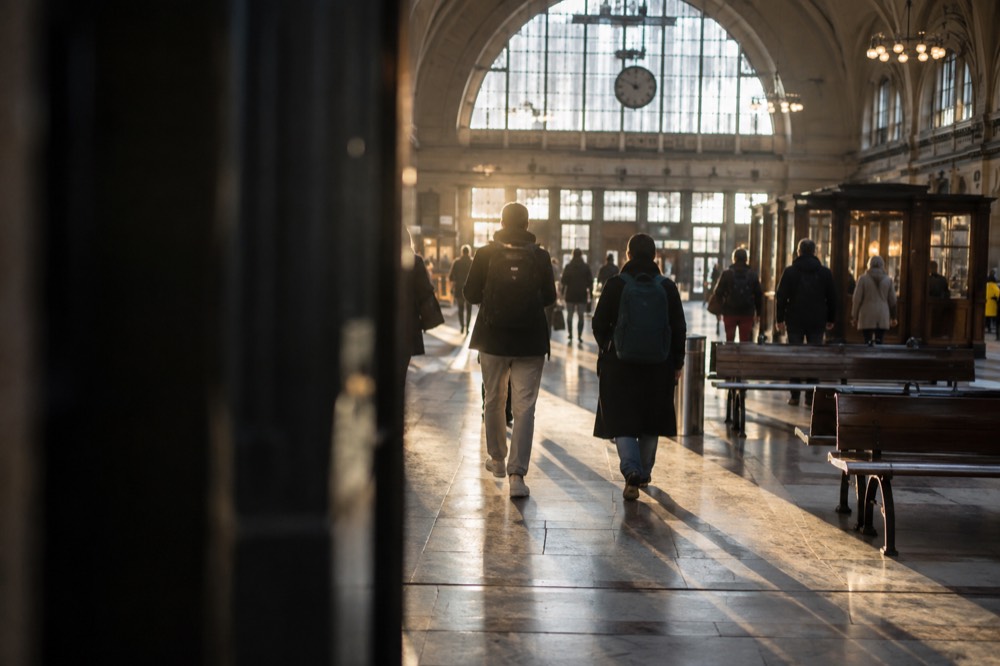
For the return, the evening trains fill with commuters and weekend travelers, so a reserved seat is worth having on a Friday or Sunday. Oslo Central Station late at night is busy but straightforward, and our Oslo Central Station guide covers the layout if your connection onward is tight. If you are heading back to a flight the next morning, the Oslo airport to city centre guide explains the Flytoget versus Vy choice, including the detail that the Oslo Pass covers the Vy trains to Gardermoen but not Flytoget.
Common Questions About the Oslo to Gothenburg Trip
How long is the train from Oslo to Gothenburg?
The direct train takes a little under four hours between Oslo Central Station and Gothenburg Central Station. The bus takes a similar length of time on the motorway, and driving yourself is around three and a half hours on the E6 before you park.
Can you do Gothenburg as a day trip from Oslo?
Yes, and many people do, but it is a long day: roughly eight hours of travel wrapped around six to eight hours on the ground. An overnight gives you the archipelago or Liseberg as well, and is the better shape if you can spare it.
Do you need a passport to travel from Oslo to Gothenburg?
Both Norway and Sweden are in the Schengen Area, so there is no routine border check on the train or bus. You should still carry a passport or national ID, because carriers can require it and spot checks happen.
Is Gothenburg cheaper than Oslo?
Yes, noticeably, especially for restaurants, cafes and alcohol. Norway's price level is 28.6% above the EU average on Statistics Norway's 2025 survey, with alcohol and tobacco more than double, and Sweden sits below Norway on every one of those lines.
What is the best time of year to visit Gothenburg from Oslo?
May through September, for the daylight and the full program. Midwinter is workable as a cafe and museum trip, but Oslo's daylight on 21 December is under six hours, so a December day trip means arriving and leaving in the dark.
Is the train or the bus better from Oslo to Gothenburg?
The train, for most travelers. It is more comfortable, runs center to center, and the coastal stretch through Bohuslän is the best scenery on any route this short from Oslo. The bus is cheaper if you book early and the scenery matters less to you.