Oslo to Sweden Day Trip: Border Runs, Gothenburg and What Actually Works
Sweden begins barely an hour south of Oslo, and the border is so quiet you can cross it without noticing. That makes a Sweden day trip one of the easiest add-ons to an Oslo itinerary, whether you want cheap groceries, a Swedish seaside town or a full city break in Gothenburg.
Short answer
Yes, a day trip from Oslo to Sweden is easy and popular. The border sits just over an hour south of the city by road, there are no passport checks because both countries are in the Schengen Area, and the classic trips are the Nordby border-shopping center, the seaside town of Strömstad, or a long day in Gothenburg.
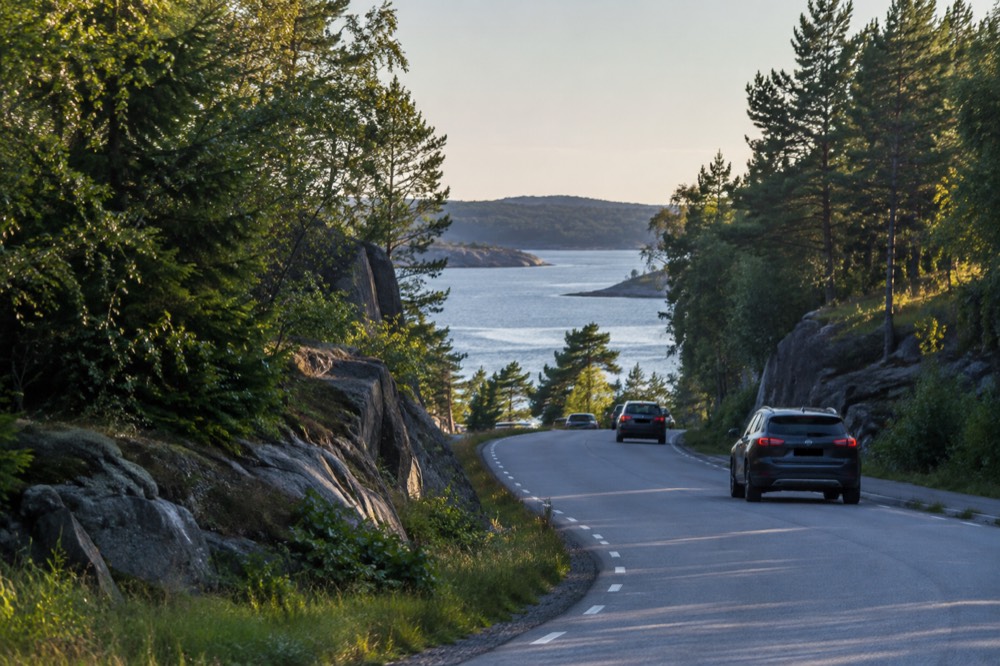
Sweden is closer to Oslo than most of Norway's own famous sights. The border runs through forest a short drive south of the city, the crossing is unstaffed most of the day, and the moment you pass it the language on the road signs changes from Norwegian to Swedish while almost nothing else does. Locals cross it for cheaper meat, cheaper alcohol and a change of scenery, and visitors cross it because a second country in one trip feels like a bonus that costs almost nothing.
This guide covers the four questions that actually decide the day: where to go, how to get there, what changes at the border, and whether the trip is worth it compared with spending the same day in Norway. The honest answer at the end is that it depends entirely on what kind of day you want, because the two best versions of this trip, the shopping run and the Gothenburg city day, are almost opposite experiences.
Can You Do a Day Trip from Oslo to Sweden?
Yes, and it is one of the simplest international day trips in Europe. The Norway-Sweden border is unstaffed for road traffic under the Schengen Agreement, so you drive or ride straight through without passport checks, and the crossing sits close enough to Oslo that the round trip fits comfortably inside a day. You do not need to plan a border procedure, only a destination on the other side.
Both countries are in the Schengen Area, which is the arrangement that removes routine internal border controls between 29 European states. Norway is in Schengen but not in the European Union; Sweden is in both. That difference sounds abstract until you reach the shopping section of this guide, because it is the reason the border shops on the Swedish side exist at all.
Practically, three kinds of day trip work from Oslo. The short version is the border run: the shopping complex at Nordby and the town of Strömstad, which together make a half-day or relaxed full-day loop. The ambitious version is Gothenburg, Sweden's second city, which is a long day by car, bus or train but genuinely doable. And the lazy version is simply crossing the forest line somewhere quiet, eating lunch in Sweden, and coming home. All three are covered below.
One planning note before anything else: check the calendar. Norwegian public holidays and Swedish ones do not always line up, and Swedish shops, including the state-run Systembolaget alcohol stores, close on Swedish holidays and nearly all Sundays. A border-shopping trip that lands on a closed Sunday is a very long drive for a hot dog.
Where Should You Go in Sweden from Oslo?
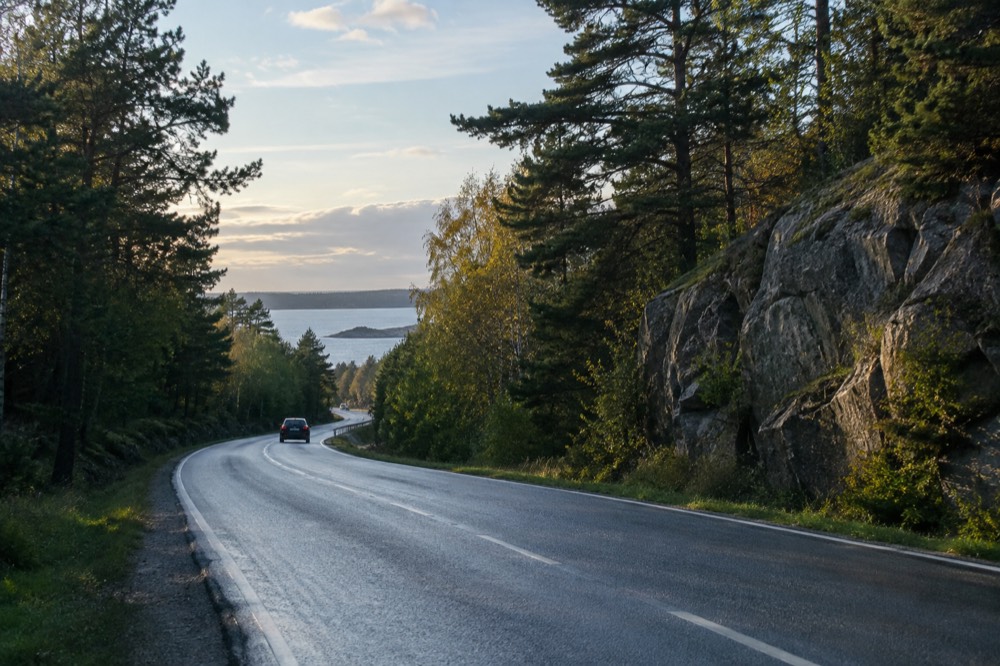
The three destinations that make sense as a day trip are Nordby shopping center for the classic border run, Strömstad for a Swedish seaside town with seafood and a harbor, and Gothenburg for a real city day. Nordby and Strömstad pair naturally in one loop; Gothenburg is a standalone day that uses most of your daylight. Anything else in Sweden is better saved for an overnight trip.
Nordby is the anchor of the short trip. It is one of Scandinavia's largest border-shopping complexes, built specifically for Norwegian customers, and it exists because food, and especially alcohol, costs meaningfully less in Sweden than in Norway. Strömstad is the Swedish town just beyond it, a small harbor place with a genuine holiday feel in summer, fish shops, and ferries out into the Bohuslän archipelago if you ever want to turn the day into two.
Gothenburg is the other animal entirely. Sweden's second city has a canal-side core, a big amusement park, a food market hall and a completely different atmosphere from Oslo, and the day trip works if you accept an early start and a late return. It is the only version of this trip that feels like travel rather than errand-running.
The table below is the honest comparison. Read it before you commit a day.
| Destination | Trip type | Time from Oslo | Best for | Watch out for |
|---|---|---|---|---|
| Nordby | Border shopping | Short drive over the border | Groceries, alcohol, cheap fuel | Sunday and holiday closures |
| Strömstad | Seaside town | Slightly further, pairs with Nordby | Seafood, harbor, Swedish small-town feel | Quiet outside summer |
| Gothenburg | City day trip | Long day by road or rail | Museums, food, a second city in one day | Early start, late return |
| Svinesund bridge area | Scenic crossing | The border itself | The view and the photo | Not a destination on its own |
If you are traveling without a car, the calculus changes, and the day trips from Oslo without a car guide covers which borders and towns are reachable by public transport. For a broader menu of Norwegian options, the day trips from Oslo overview ranks every same-day destination by travel time and payoff.
What Is the Nordby and Svinesund Border Run Like?
The classic run crosses the Svinesund bridge into Sweden, hits the Nordby shopping center for groceries, alcohol and cheaper fuel, and usually continues into Strömstad for lunch before looping back to Oslo. It is the trip Norwegians do routinely, which means it is well served, easy to follow and completely unglamorous. Expect a mall with a border, not a sightseeing day.
The bridge itself is the one scenic moment. The Svinesund crossing spans the Iddefjord, and the modern bridge alongside the old 1940s arch is a proper piece of engineering in a proper piece of scenery. People stop on the Norwegian side for the photograph. After that the road dives into Swedish forest and the landscape becomes pine, rock and lake, pleasant but not dramatic.
Nordby is the commercial reason the route exists. The complex carries the full range of Swedish supermarket goods at Swedish prices, and the gap between Swedish and Norwegian prices on everyday items is exactly why the buses run. The alcohol store follows Swedish rules, which are less strict than Norway's but far from free: Systembolaget, the Swedish state monopoly, is the only place to buy wine and spirits, it closes early on Saturdays and it is shut on Sundays and public holidays. That mirrors the Norwegian system with a different price level, and it is the single biggest reason to check the calendar before you go.
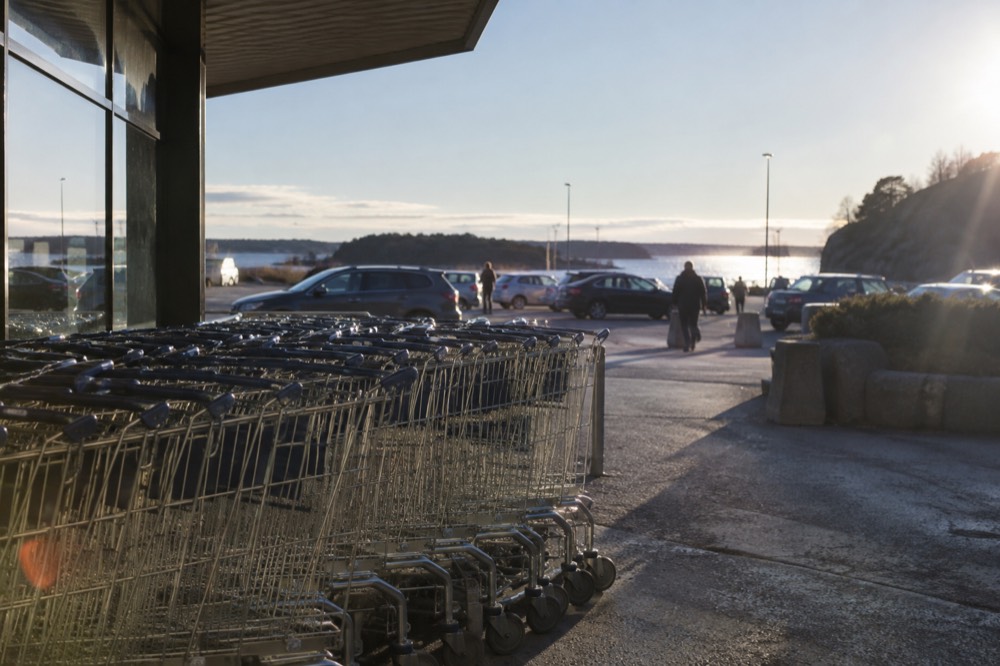
For context on the Norwegian side of the price gap, the price of beer in Oslo guide explains why the cross-border run is a Norwegian tradition rather than a quirk, and the is Oslo expensive guide sets out the full cost picture using Statistics Norway's own price-level comparison. The short version: alcohol and tobacco in Norway run at more than double the European average, which is a gap big enough to build a shopping mall on.
Planning a day that is half logistics and half pleasure is exactly the situation where a booked, guided day beats self-driving, and the full-day options below are the ones worth comparing.
Is Gothenburg Doable as a Day Trip from Oslo?
Yes, but it is a full day and you should go in knowing that. Gothenburg is a long way south for a round trip, so the day becomes an early train, bus or drive down, a solid five to six hours in the city, and a late journey home. People who accept that trade get Sweden's second city, canals, a famous food market and a completely different city feel, all inside one Oslo trip.
The train is the relaxed option: Oslo and Gothenburg are linked by a direct rail service, and the ride is a comfortable way to spend the distance without parking worries. The bus is usually cheaper and slower. Driving gives you flexibility but city parking in Gothenburg eats both money and time, and the return leg in the evening is a drive you will feel the next morning.
In the city itself, the core is walkable and compact. The Feskekôrka fish market hall, the Haga old quarter with its wooden houses and giant cinnamon buns, the canals and the botanical garden are all reachable on foot from the center. Liseberg, the amusement park, is a seasonal heavyweight if you are traveling with kids, and the Oslo with kids guide has more on how theme-park days compare with the Norwegian alternatives.
The honest framing: Gothenburg as a day trip is a sampler, not a deep visit. You will see the center, eat well and leave with the shape of the city in your head. If you want Sweden properly, the Oslo to Gothenburg guide covers the overnight version, and the Oslo vs Stockholm comparison is the right read if you are deciding between Sweden's two cities for a longer stay.
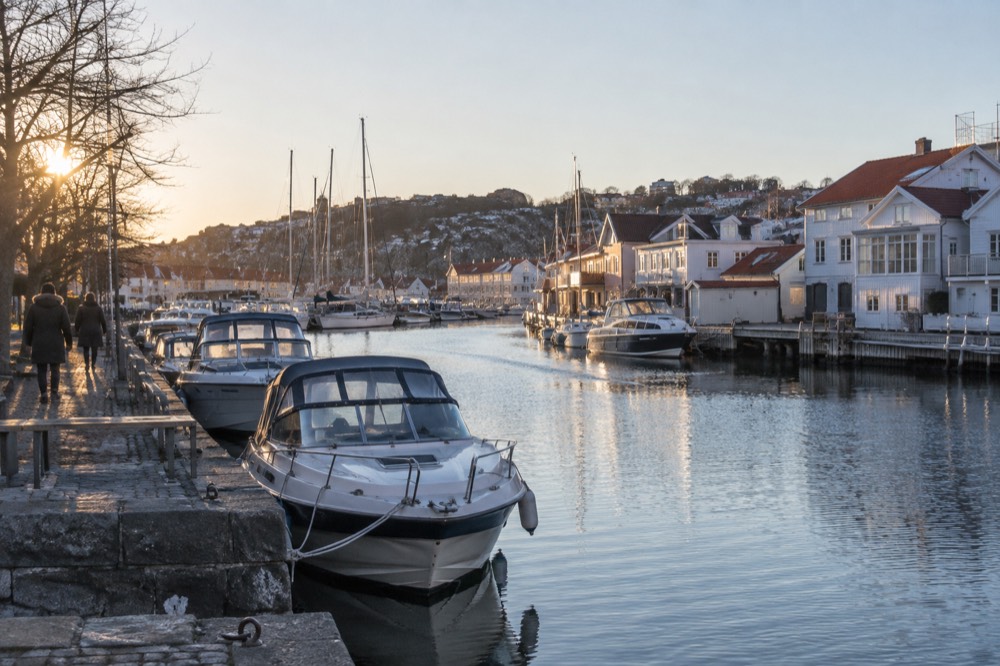
How Do You Cross the Norway-Sweden Border?
You cross without stopping. Norway and Sweden are both in the Schengen Area, so there are no routine passport checks on the road, rail or bus border between them, and the E6 motorway runs straight through. You do not show a document, stamp a passport or change money at the border itself; the only things that change are the currency, the road signs and the price level.
Schengen is what makes this possible, and it is worth being precise about it because Norway's status confuses people. Norway is in the Schengen Area but is not a member of the European Union; it participates through a separate association agreement as an EFTA state. Sweden is an EU member and a Schengen state. For a day tripper the practical effect is simple: no border formalities in either direction, but the two countries are in different customs unions, which is why duty-free allowances apply to goods you bring from Sweden into Norway. Other pages covering the same trip are gathered on Oslo Travel Guide. Other pages covering the same trip are gathered on Oslo Travel Guide.
That customs point matters more than visitors expect. Norway sits outside the EU customs union, so the quota rules on meat, alcohol and tobacco brought in from Sweden are real and enforced, and Norwegian customs does run checks on the border road, especially on weekends when the shopping traffic is heavy. The allowances are generous enough for a normal shopping trip but not unlimited, and the Norwegian Customs authority publishes the current figures. Check them before you load the trunk, not after.
| Crossing method | Border formalities | Notes for the day tripper |
|---|---|---|
| Car (E6 via Svinesund) | None routinely | Random customs checks on the Norwegian side; know your allowances |
| Long-distance bus | None routinely | Luggage is your responsibility at any customs check |
| Train (Oslo-Gothenburg) | None routinely | ID checks occasionally run on international rail services |
| Chartered or tour coach | None routinely | Operator handles timing; you handle your own purchases |
Bring ID anyway. Schengen removes routine checks but both countries require you to carry identity documents, and spot checks are legal on international services. A passport card or national ID is enough; there is no separate visa question for a day trip if you are already legally in Norway.
What Changes When You Cross: Currency, Prices and Shopping?
Three things change immediately: the currency switches from Norwegian kroner to Swedish kronor, the price level drops noticeably on food and alcohol, and the shopping rules shift to Swedish law, including Systembolaget's monopoly on wine and spirits and its Sunday closure. Everything else, the language, the card payments, the roads, feels nearly identical, which is exactly why the trip is so easy.
Currency first. Norway uses the Norwegian krone (NOK) and Sweden uses the Swedish krona (SEK), and they are different currencies with a floating exchange rate, not two names for the same money. In practice you may never touch cash on either side: card payment is near-universal in both countries, and the border shops are built for Norwegian cards. What you should do is check what your own card charges on a foreign-currency transaction, because that fee, not the exchange rate, is usually the real cost of paying in SEK.
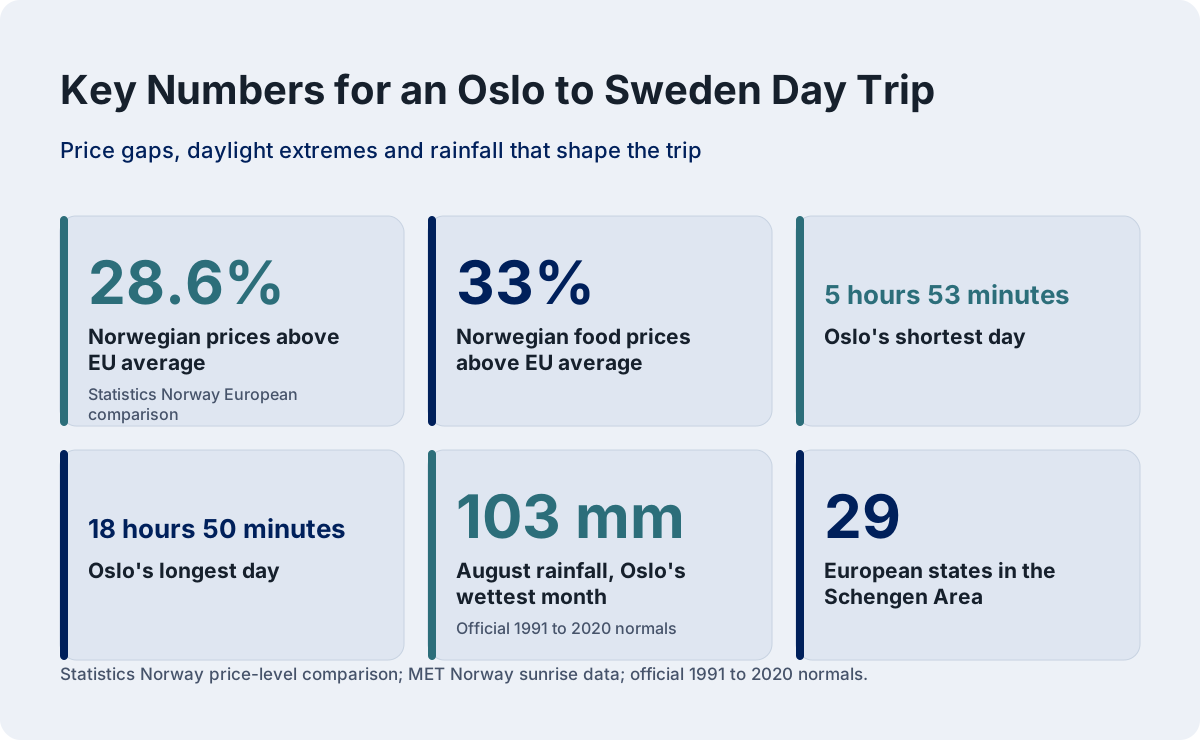
Prices are the whole point for many travelers. Statistics Norway's European price-level comparison puts Norwegian household prices 28.6% above the EU average, with food 33% above and alcohol and tobacco more than double. Sweden is not cheap by European standards either, but it sits meaningfully below Norway on exactly the categories that hurt most in Oslo, which is why a mall the size of Nordby exists on the Swedish side of the line and nothing comparable exists on the Norwegian side.
| What | Norway side | Sweden side | Day-trip takeaway |
|---|---|---|---|
| Currency | Norwegian krone (NOK) | Swedish krona (SEK) | Cards work everywhere; know your card's foreign fee |
| Wine and spirits | Vinmonopolet monopoly only | Systembolaget monopoly only | Cheaper, but closed Sundays and holidays |
| Beer in supermarkets | Limited strength, fixed cut-off time | Limited strength, Swedish rules | Check opening days before you go |
| Food prices | Well above EU average | Lower, but not EU-cheap | The gap funds the whole border-run economy |
| Border formalities | Schengen, none routinely | Schengen, none routinely | Carry ID; customs allowances still apply |
The Oslo currency and cash guide covers the Norwegian side of the money question in detail, including why euros are not generally accepted in Norway. On the Swedish side, the practical rule is simpler: pay by card, keep the receipts, and remember that anything you buy is subject to Norwegian import allowances when you cross back.
Is a Sweden Day Trip Better Than a Norway Day Trip?
For shopping and a second-country stamp in your memory, yes. For scenery, no, and it is not close. The Swedish border country is pleasant forest, while the same day spent inside Norway can buy you the Oslofjord, a museum peninsula or a mountain hike, and Oslo's fjord and forest products are among the best-reviewed activities in the city. The honest answer is that the two trips solve different problems.
The scenery case for staying in Norway is strong. The Oslofjord sits right on the city's doorstep, and the boat products built on it are genuinely excellent: the silent electric fjord cruise is the single best-reviewed activity in Oslo's whole roster, and the island-hopping tour by ferry and foot reaches Hovedøya's ruined abbey and the swimming beaches of the Oslofjord islands on an ordinary public transport ticket. The Oslofjord cruise guide walks through the boat options, and the Oslo islands guide covers the ferry system that reaches them.
The contrast case for Sweden is real too. A day in Gothenburg gives you a city that feels different from Oslo in texture, size and food culture, and the border run gives you a price level you simply cannot find in Norway. If your Oslo trip is already heavy on fjords and museums, a Swedish day adds variety. If it is not, you are leaving Norway's best material on the table to buy cheaper groceries.
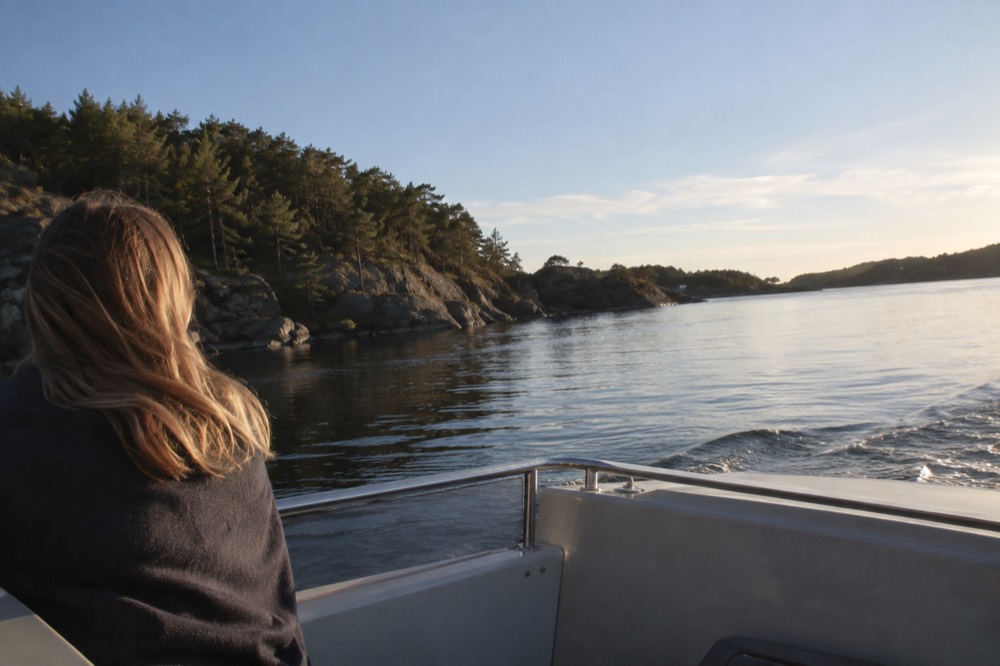
For visitors who want Norway's scenery without self-driving any border at all, the strongest same-day product from Oslo is the private Sognefjord round trip with the Flåm railway, the best-reviewed answer to the Norway-in-a-nutshell question, and the Norway in a nutshell guide explains the route in full.
What Should You Know Before You Go?
Check three things before you leave Oslo: the Swedish opening days, because Sundays and Swedish public holidays close the shops and the Systembolaget; the Norwegian customs allowances for what you plan to bring back; and the daylight, because Oslo's day length swings from under six hours in late December to nearly nineteen in late June, and a winter border run means driving home in the dark.
The daylight point deserves more attention than it gets. Oslo sits at 59.91 degrees north, and MET Norway's sunrise data puts the shortest day at 5 hours 53 minutes and the longest at 18 hours 50 minutes. A summer Gothenburg day trip has evening light to spare; a December one means leaving and returning in darkness, on roads that can be icy. The Oslo daylight hours guide has the full table, and the Oslo in winter guide covers what a cold-season trip realistically feels like.
Weather planning matters on both sides of the border, and the Oslo weather by month guide is the reference for the Norwegian side. August is Oslo's wettest month on the official 1991 to 2020 normals, at 103 mm, and the Swedish coast just over the border shares broadly the same maritime pattern, so pack for rain whenever you go and do not trust a summer forecast more than a day ahead.
| Check before you go | Why it matters | Where to verify |
|---|---|---|
| Swedish shop opening days | Systembolaget and most shops shut Sundays and holidays | The store's own site |
| Norwegian import allowances | Meat, alcohol and tobacco quotas are enforced at the border | Norwegian Customs authority |
| Daylight hours | Winter return legs run in darkness | MET Norway sunrise data |
| Road conditions | Winter ice on the E6 border stretch | Norwegian and Swedish road authorities |
| Card foreign-transaction fees | The real cost of paying in SEK | Your card issuer |
Finally, timing. The border run works year-round whenever the shops are open; Gothenburg is at its best from late spring through early autumn; and the shoulder months, May and September, give you open shops, thin traffic and workable light without the summer crowds on the Svinesund bridge.
Common Questions About an Oslo to Sweden Day Trip
Can you do a day trip from Oslo to Sweden?
Yes. The border is a short drive south of Oslo, there are no routine passport checks because both countries are in the Schengen Area, and the standard trips are the Nordby shopping center, the seaside town of Strömstad, or a long day in Gothenburg by car, bus or train.
Do you need a passport to cross from Norway to Sweden?
You do not show one at the border, because Schengen removes routine internal checks. But you must carry an accepted identity document in both countries, and occasional spot checks are legal on international trains and at the road border, so bring your passport or national ID card.
Is Gothenburg worth a day trip from Oslo?
It is, if you accept an early start and a late return. Gothenburg is Sweden's second city, its core is walkable, and the food market, canals and Haga quarter fill five or six hours comfortably. Treat it as a sampler of the city rather than a full visit, and stay overnight if you want more.
Why do Norwegians shop in Sweden?
Because the price gap is large. Statistics Norway's price-level comparison puts Norwegian household prices 28.6% above the EU average, with food 33% above and alcohol and tobacco more than double. Sweden is cheaper on exactly those categories, which is why border complexes like Nordby exist.
Can you buy alcohol in Sweden on a Sunday?
No. Systembolaget, the Swedish state alcohol monopoly, is closed on Sundays and public holidays and closes early on Saturdays, mirroring the Norwegian system at a lower price level. Supermarkets in both countries sell only low-strength beer. Plan the border run for a weekday or a Saturday morning.
Is a Sweden day trip better than staying in Norway?
For shopping and variety, yes. For scenery, no: the same day inside Norway can buy the Oslofjord by boat, the Bygdøy museum peninsula or a forest hike, and Oslo's fjord cruises and island tours are among the best-reviewed activities in the city. The two trips solve different problems, so pick by what your itinerary is missing.
The border will still be there tomorrow, and so will the mall. The fjord is the thing you cannot buy at home, and if the weather is good, that is the day to take. Whatever you choose, plan the return around the light and the customs line, and the day will end the way a border day should: back in Oslo, with something Swedish in the bag.