Oslo vs Stockholm: Which Nordic Capital Should You Visit?
Two Nordic capitals, four hours apart by train, and a choice that trips up a lot of travelers. Here is how Oslo and Stockholm actually stack up on the things that decide a trip: cost, museums, nature, food and getting around.
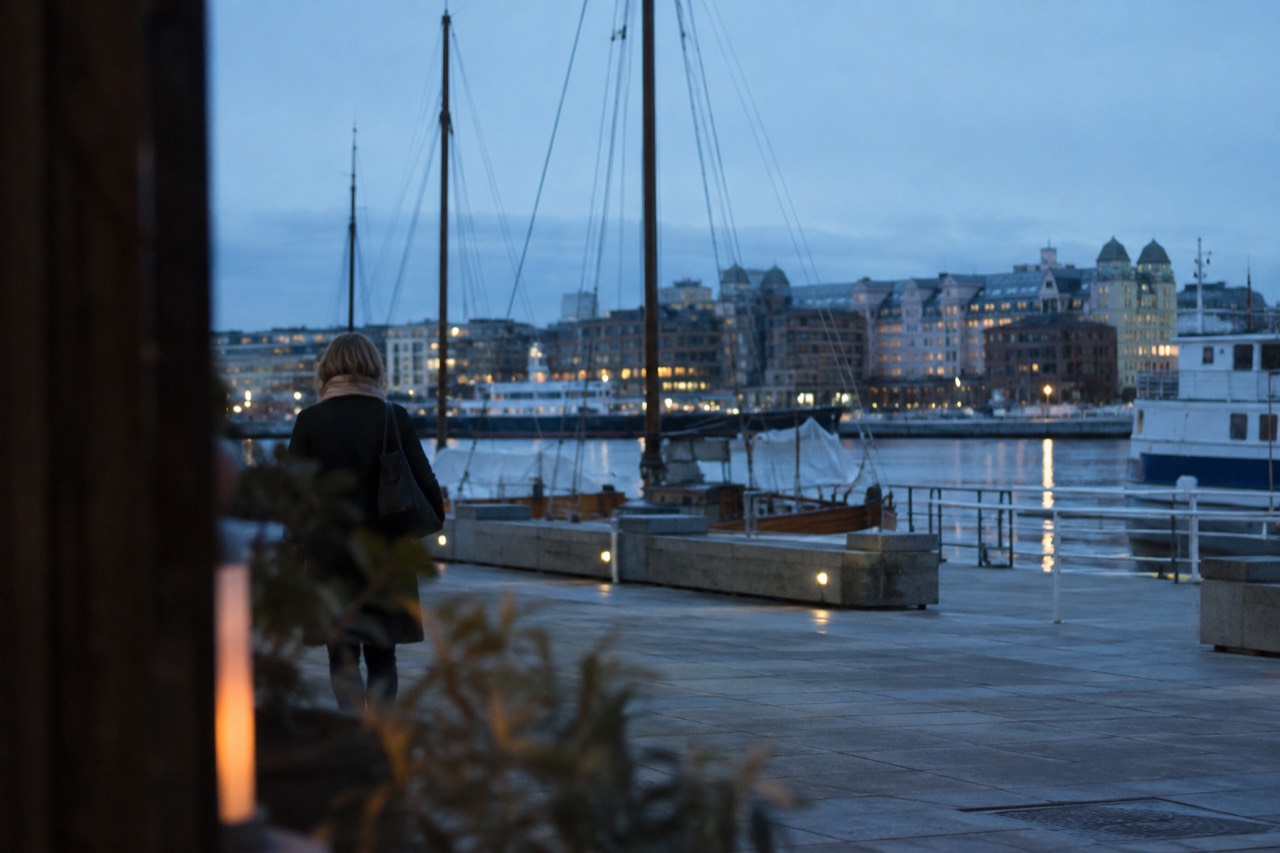
Short answer
Choose Oslo for the Oslofjord, forest access inside the city limits and the strongest single sight, the Vigeland sculpture park, which is free. Choose Stockholm for a bigger old town, more museums and a livelier island-hopping cityscape. Oslo runs 28.6% above the EU price level on SSB's 2025 survey; Stockholm is cheaper, but not by much.
Two capitals, one train ride between them, and a decision that a lot of Scandinavia-bound travelers agonize over. Oslo and Stockholm are close enough that visiting both is realistic on a ten-day trip, but different enough that picking one over the other genuinely changes what kind of trip you get. This comparison lays out where each city wins, where it loses, and what the money actually does in each place, using real verified Norwegian figures rather than vibes.
The short version: Stockholm is the bigger, grander, more conventionally beautiful city, with an old town and a museum count Oslo cannot match. Oslo is the smaller, wilder one, where a working fjord runs through the middle of the city and the forest begins at the end of a metro line. If you want a classic European city break, Stockholm. If you want a city that dissolves into water and pine, Oslo.
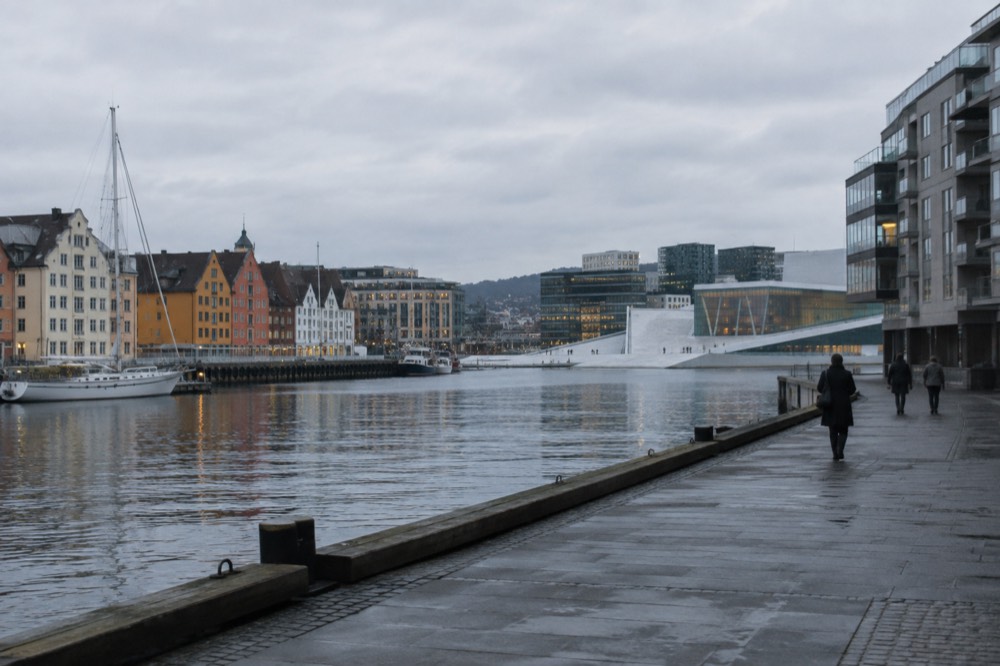
Which City Is Better for a First Visit, Oslo or Stockholm?
For a first Nordic trip, Stockholm is the safer bet: Gamla Stan, the Vasa Museum and the archipelago boats deliver the classic European capital experience most travelers picture. Oslo rewards a second look, because its best features, the Oslofjord, the free sculpture park and the forest at the metro's end, are quieter and need a little more intention to find. Neither city will disappoint, but they deliver different trips. Stockholm leans on density: its old town, palace and cluster of island museums sit within walking distance of each other, so a first-time visitor can see a lot in three days without much planning. Oslo spreads its highlights along the waterfront and out to Bygdøy and Holmenkollen, which means a bit more transit and a bit more choosing.
That difference in shape matters more than any single attraction. In Stockholm you drift, in Oslo you plan. Both approaches work; they just suit different travelers. If you are the type who likes a loose day with a map and no schedule, Stockholm's compact center will feel generous. If you like a list of two or three strong things a day and the space between them, Oslo's rhythm will suit you better.
Our one day in Oslo itinerary shows what a tight Oslo day looks like, and the contrast with a Stockholm first day is mostly that Oslo's day involves a boat or a metro ride somewhere.
How Do Oslo and Stockholm Compare on Cost?
Norway is the sixth most expensive country in Europe, and Oslo's price level runs 28.6% above the EU average on Statistics Norway's 2025 survey, so Oslo is the more expensive city of the two, but not uniformly: the gap is concentrated in alcohol and restaurants, while Oslo's museums, public transport and outdoor sights are priced like any mid-range European capital. Stockholm is cheaper on paper and on the plate, though Sweden is not a bargain destination either. The numbers worth knowing are Norwegian ones, because they are the ones that have been verified at source. Food and non-alcoholic drinks sit 33% above the European average, and alcohol and tobacco cost more than double the European average. That last figure explains most of what surprises visitors: a beer in Oslo costs what a main course costs elsewhere.
The honest framing is that Oslo punishes two specific budgets, the drinking budget and the restaurant budget, and is surprisingly fair on everything else. A museum day in Oslo is genuinely affordable, and the outdoors is free. Our Oslo on a budget guide breaks down exactly where the money goes and how to blunt the worst of it.
| Cost category | Oslo | Stockholm | Notes |
|---|---|---|---|
| Overall price level | 28.6% above EU average (SSB 2025, national) | Lower, but Sweden is still a high-cost country | Norway ranks 6th in Europe |
| Food and non-alcoholic drinks | 33% above the European average | Somewhat cheaper | Grocery shopping narrows the gap |
| Alcohol | More than double the European average | Cheaper, but still high by EU standards | The single biggest Oslo cost trap |
| Museums | 180-280 NOK for the majors | Comparable range in SEK | Oslo's Vigeland Park is free |
| Public transport | 30-day zone 1 pass 655 NOK | Similar order of magnitude | Both cities use zone systems |
| Outdoor sights | Free (fjord, islands, forest) | Free (archipelago islands, parks) | Oslo's forest is at a metro terminus |
The pattern to take from the table is that the Oslo premium is real but narrow. If your evening plan is a museum, a walk and an early night, the two cities cost nearly the same. If your evening plan is three rounds of drinks and a restaurant dinner, Oslo will hurt noticeably more. Vinmonopolet, the state wine and spirits monopoly, is the only place to buy wine and spirits in Norway, it closes on Sundays and public holidays and early on Saturdays, and supermarkets sell only beer up to 4.7% ABV. None of that exists in Stockholm, where normal supermarket alcohol rules apply.
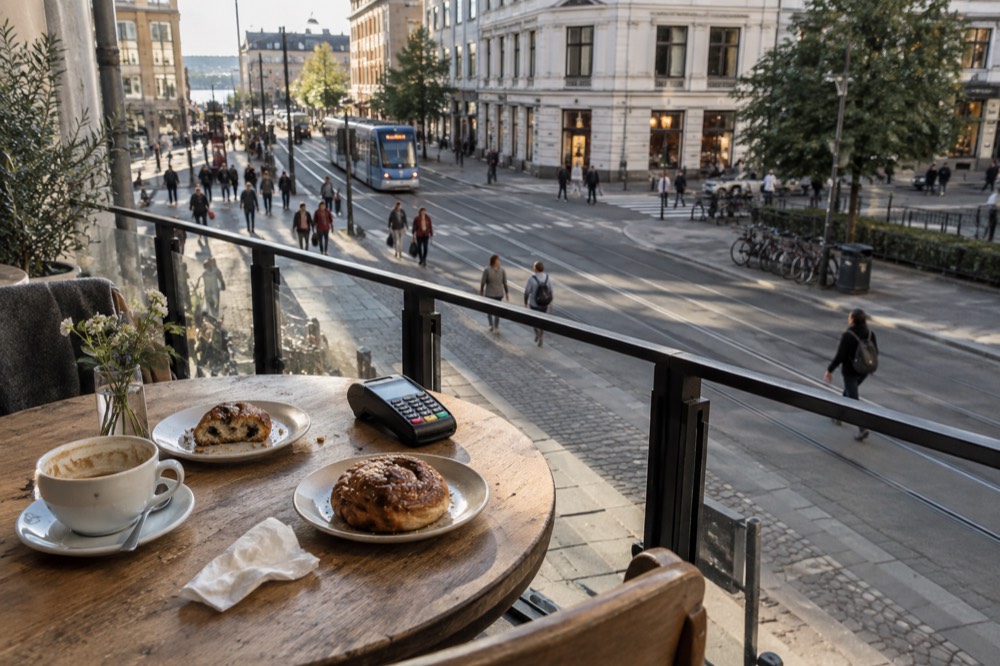
Cost also depends on what you book ahead. Oslo's paid experiences cluster around the fjord, and the best-reviewed of them, the silent electric boat, starts at $46.29 per person for 90 minutes on the water. Stockholm's equivalent experiences are its archipelago boats, which are a different product, longer and more about distance than intimacy. If fjord time is the point of your Oslo day, budget for one booked boat trip and treat the rest of the fjord, the ferries and the islands, as free infrastructure.
What Does Each City Do Better Than the Other?
Stockholm does the classic capital better: the old town, the palace, the picture-postcase waterfront and a deeper bench of museums. Oslo does nature-in-the-city better, with the Oslofjord running through downtown, swimming islands a ferry ride away, and Nordmarka's forest at the end of a metro line, plus one sight, the free Vigeland sculpture park, that has no Stockholm equivalent. Neither city is weak where the other is strong; it is a matter of degree. Stockholm's Gamla Stan is a genuinely intact old town, and Oslo's equivalent, the Kvadraturen quarter around Oslo Cathedral, is smaller and more low-key.
The Oslo case, made properly, rests on three things. First, the water is not decoration: the fjord is a working part of the city, with public ferries to Hovedøya, Gressholmen and Langøyene on an ordinary transport ticket. Second, the outdoors scales up fast: Sognsvann and Nordmarka put groomed ski trails and forest lakes within the metro system, which is close to unique for a European capital. Third, the food scene, while expensive, is having a genuine moment, from Mathallen's food hall to the Grünerløkka neighborhoods.
The Stockholm case rests on volume and polish. More museums, a bigger old town, a royal palace you can tour, and an archipelago of thousands of islands if you want a boat day. If your mental image of Scandinavia involves narrow cobbled streets and copper-spired churches, that is Stockholm, and no amount of Oslo advocacy will change it.
How Do the Museums Compare?
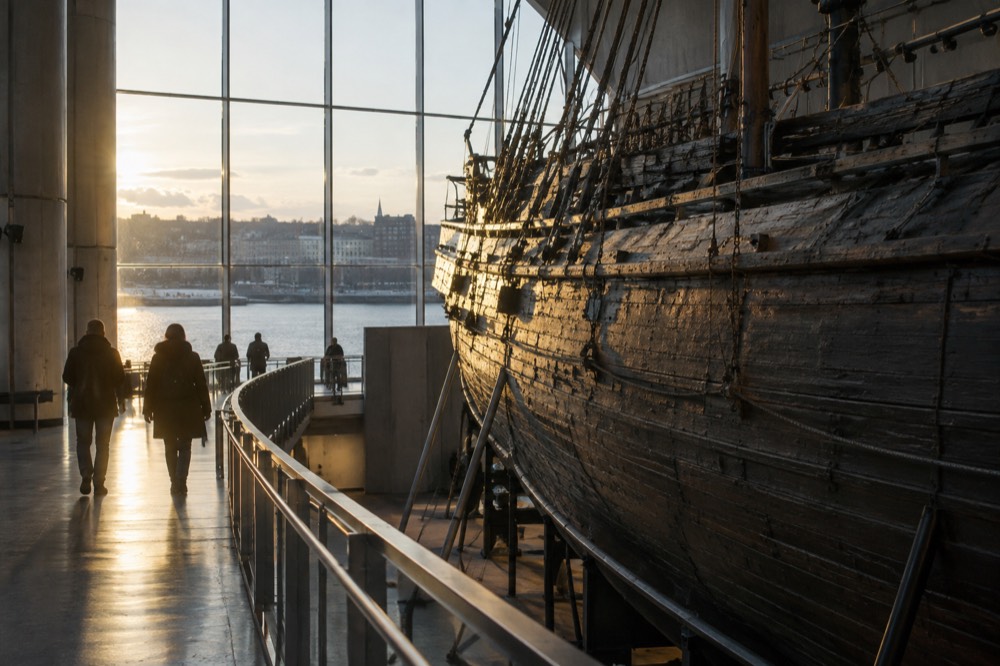
Stockholm has the larger and more famous museum set, led by the Vasa Museum and its intact 17th-century warship, while Oslo's museum story is concentrated on the Bygdøy peninsula, where the Fram and Kon-Tiki museums hold two of the world's great exploration vessels, and on MUNCH and the National Museum in the center. Oslo's headline weakness is that the Museum of the Viking Age is closed until 2027, which removes the one Viking sight most visitors arrive expecting. That closure is worth planning around rather than around ignoring. The museum's own site states it will reopen as the Museum of the Viking Age in 2027, with no month committed, and until then Viking Planet, an interactive venue in the center, is the honest substitute.
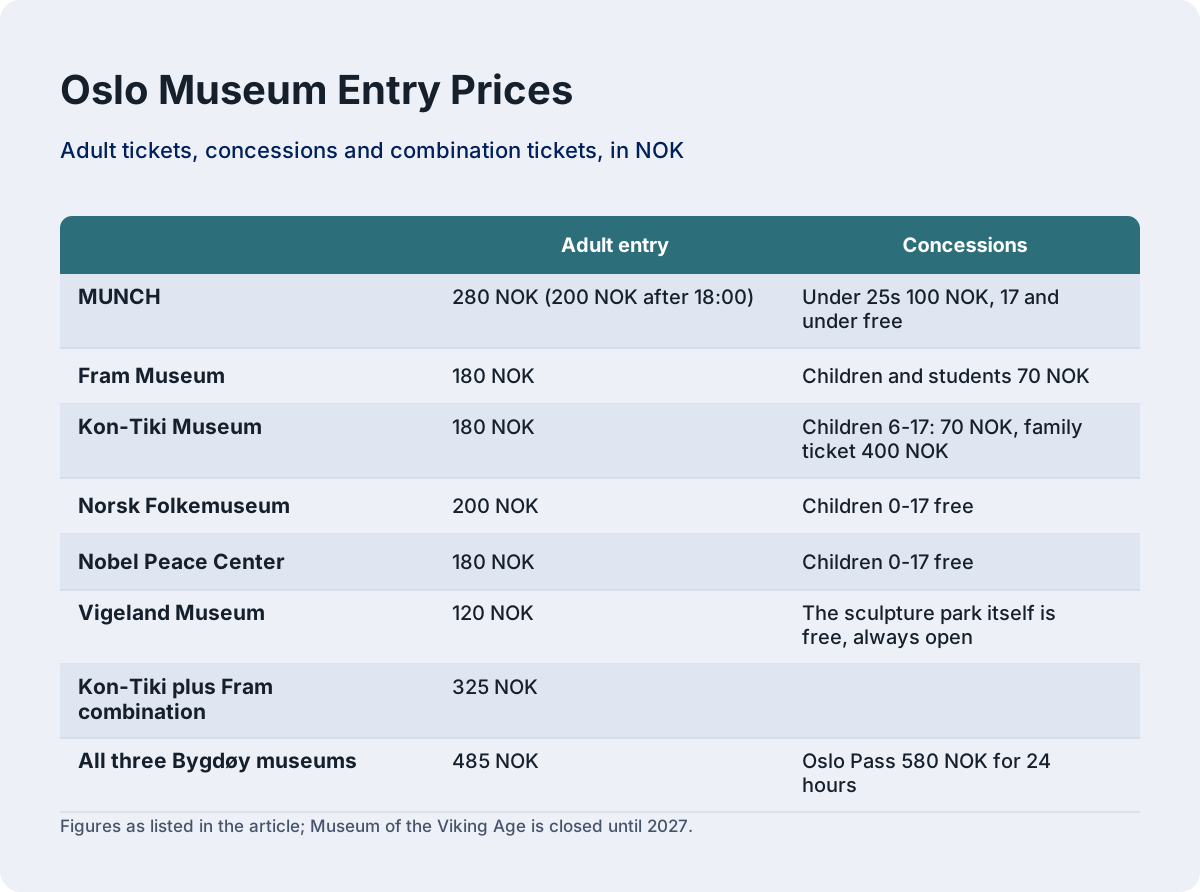
Here is what Oslo's museum money actually looks like at full price, all verified against the venues' own sites:
| Oslo museum | Adult entry | Concession notes |
|---|---|---|
| MUNCH | 280 NOK (200 NOK after 18:00) | Under 25s 100 NOK, 17 and under free |
| Fram Museum | 180 NOK | Children and students 70 NOK |
| Kon-Tiki Museum | 180 NOK | Children 6-17: 70 NOK, family ticket 400 NOK |
| Norsk Folkemuseum | 200 NOK | Children 0-17 free |
| Nobel Peace Center | 180 NOK | Children 0-17 free |
| Vigeland Museum | 120 NOK | The sculpture park itself is free, always open |
The combination tickets on Bygdøy sharpen the value: Kon-Tiki plus Fram is 325 NOK for an adult, and all three Bygdøy museums together are 485 NOK. Set that against the Oslo Pass at 580 NOK for 24 hours, which also covers transport in zones 1, 2, 3, 4V and 4N, and the pass math starts working the moment you add a second museum day. Our is the Oslo Pass worth it guide runs the full break-even calculation.
Stockholm's museum advantage is breadth rather than price. Where Oslo has perhaps eight sights a general visitor would name, Stockholm has double that, and its flagship, the Vasa, is a genuinely singular object. Oslo's counterweight is that its best-known sight costs nothing: the Vigeland sculpture park in Frogner is free, open 24 hours a day, all year, with over 200 sculptures and no ticket gate anywhere. If your museum days are budget-sensitive, that fact alone tilts a chunk of the comparison toward Oslo.
Oslo vs Stockholm for Nature and Water
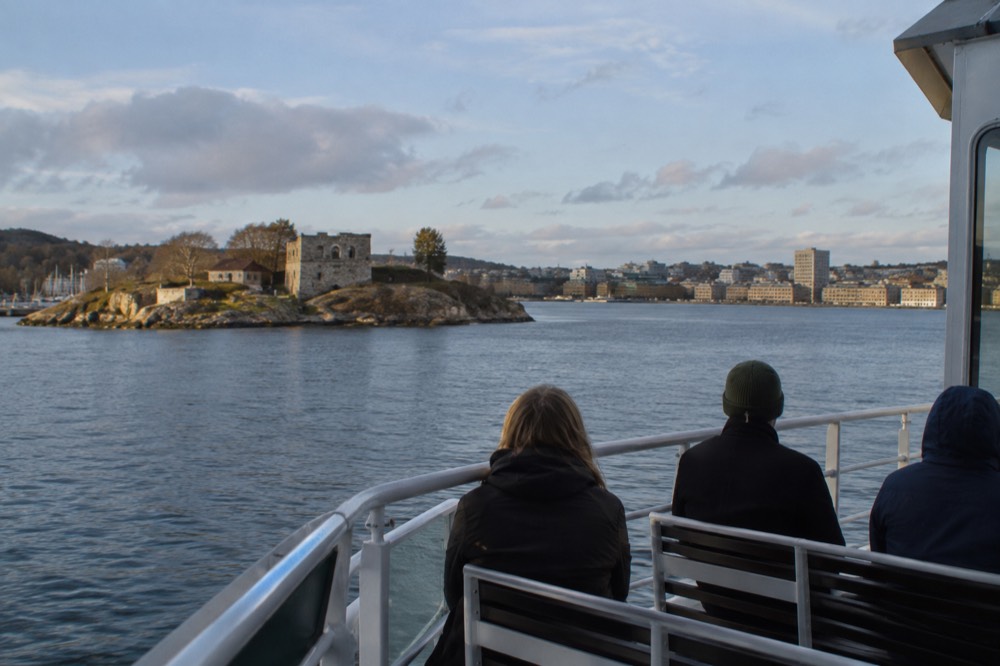
Oslo wins this one clearly. The Oslofjord runs through the middle of the city, public ferries carry an ordinary transport ticket to swimming and picnic islands, and the Nordmarka forest sits at the end of a metro line, so a morning swim and an afternoon forest walk are both inside the fare system. Stockholm's archipelago is bigger and arguably more spectacular, but it starts further out, and its city islands are more built-up than Oslo's. The practical difference is time. From central Oslo, the ferry at Aker Brygge reaches Hovedøya, with its ruined Cistercian abbey, in minutes on the B1 line, and Langøyene, the swimming and camping island, is on the summer-seasonal B2.
Be careful with the two boat systems, because they are not the same and guides constantly merge them. The Bygdøy museum ferry leaves from Rådhusbrygge 3, runs seasonally from mid-March to early October, costs about 70 NOK one-way, is included with the Oslo Pass, and does not accept ordinary Ruter tickets. The island ferries are ordinary Ruter services from Aker Brygge, covered by a normal ticket. Two different piers, two different ticket rules. The rest of the planning pages sit on Oslo Travel Guide. The rest of the planning pages sit on Oslo Travel Guide.
| Oslo boat service | Departure point | Ticket rule | Season |
|---|---|---|---|
| Bygdøy museum ferry (Dronningen, Bygdøynes) | Rådhusbrygge 3 | About 70 NOK one-way, included with Oslo Pass, Ruter tickets not valid | Mid-March to early October |
| Island ferries B1 (Hovedøya, Lindøya, Gressholmen, Bleikøya, Nakholmen) | Aker Brygge | Ordinary Ruter ticket, no surcharge | Year-round, reduced off-summer |
| Island ferry B2 (Langøyene) | Aker Brygge | Ordinary Ruter ticket | Summer only |
| Island ferry B1X (Hovedøya extra) | Aker Brygge | Ordinary Ruter ticket | Summer only |
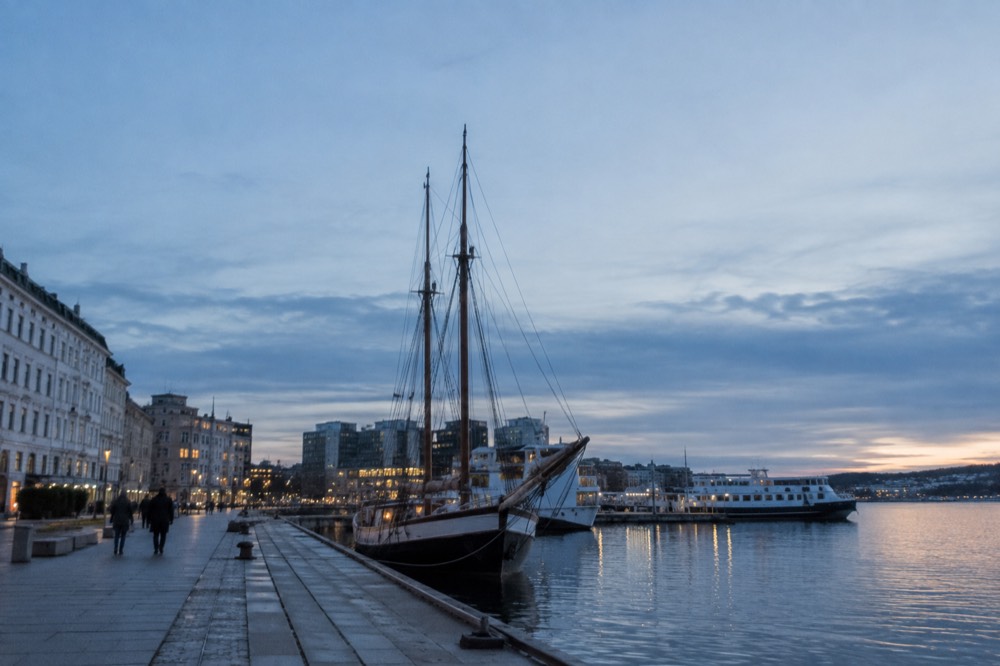
On the water itself, the experiences diverge. Oslo's signature is the compact, quiet fjord cruise: the silent electric boat with audio guide runs 90 minutes and is the city's single best-reviewed activity on the booking platforms, and the traditional wooden sailing ship covers similar water with a completely different feel. Stockholm's archipelago boats are longer-distance affairs, better for a full day out than an evening impression. If water time is a priority, read our Oslofjord cruise guide for the full decision between the electric, sailing-ship and dinner formats.
The forest is Oslo's other trump card. Metro Line 1 ends at Frognerseteren, on the edge of Nordmarka, and the Sognsvann lake is a short walk from its own metro stop, which means groomed ski trails in winter and lake paths in summer are inside a zone 1 ticket. No other European capital puts a real wilderness boundary that close to its center on ordinary public transport. Stockholm compensates with its archipelago, which is magnificent, but it is a planned excursion rather than an impulse.
Which City Is Easier and Cheaper to Get Around?
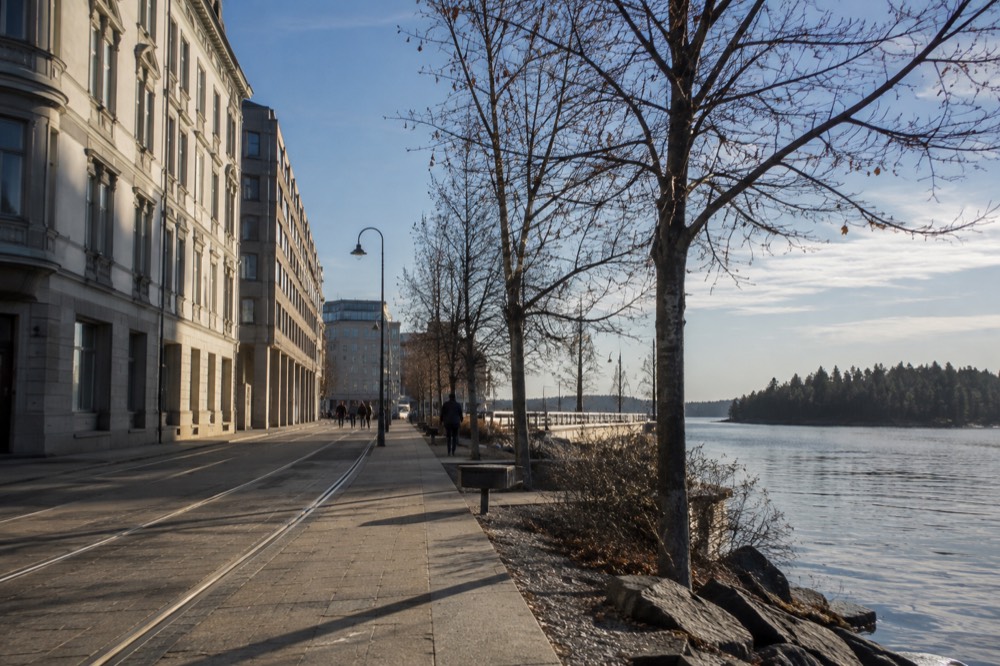
Both capitals run clean, integrated zone-based public transport, so neither is hard; Oslo's is simply smaller and cheaper to cover, with the entire metro network inside zone 1, while Stockholm's network is bigger and its islands make some journeys slower than the map suggests. In Oslo, a single zone 1 ticket is valid for 60 minutes from activation, and the 30-day zone 1 pass dropped to 655 NOK in May 2026, which is the one confirmed current fare figure. The practical takeaway for a visitor is that Oslo's transit is almost impossible to get wrong: one zone covers the center, the metro, the trams and the island ferries.
Two Oslo transport facts carry real money. First, the Oslo Pass includes public transport across zones 1, 2, 3, 4V and 4N, including the Vy trains to and from Oslo Airport Gardermoen, but not the Flytoget airport express, which is a separate company at 268 NOK one-way. Second, the airport itself is Ruter zone 4N, so an ordinary multi-zone Ruter ticket covers the Vy regional train into town at roughly half Flytoget's price for about three extra minutes of travel. Neither fact has a Stockholm equivalent worth worrying about; Stockholm's Arlanda Express is simply a separate, pricier train you either take or skip.
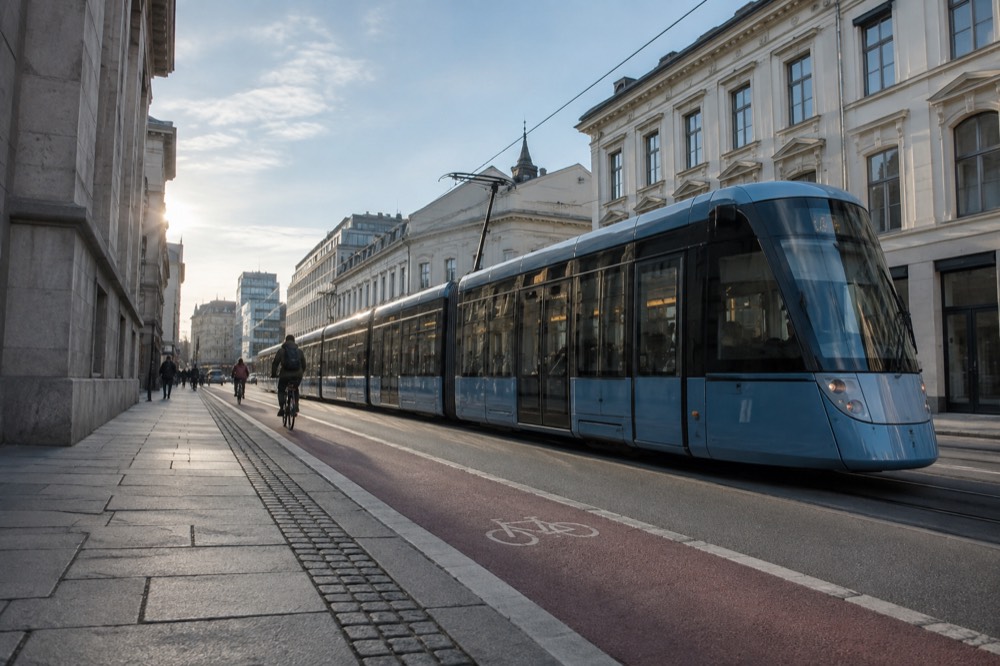
Walkability splits by neighborhood. Oslo's center, from the Opera House to the Royal Palace along Karl Johans gate, is a straight, flat, walkable spine, and Grünerløkka and Aker Brygge sit just off it. Stockholm's Gamla Stan and Norrmalm are walkable too, but the city's island structure means a journey that looks short on the map can involve bridges, stairs and a ferry. Cyclists will find both cities friendly; Oslo's 3-hour highlights bike tour is the best-reviewed way to cover the waterfront quickly, and Stockholm has an equivalent bike-tour culture of its own.
How Do the Food and Drink Scenes Compare?
Stockholm has the broader restaurant scene and more Michelin recognition; Oslo's food scene is smaller, more expensive per SSB's national figures, but more distinctive, with a strong emphasis on seafood, the Mathallen food hall, and a Grünerløkka neighborhood culture that rewards walking. In both cities, alcohol is the budget breaker, but Norway's monopoly and double-the-EU-average alcohol prices make Oslo the sharper shock. The honest way to eat well in Oslo is to shift money from drinks to food: a food walk that includes several tastings costs less than a restaurant dinner plus a round of beers, and it teaches you where to go back to.
For a city of its size, Oslo's food density is genuinely good. Mathallen in the Vulkan area gathers dozens of small producers under one roof, the best restaurants in Oslo now hold their own regionally, and the street-food scene has grown fast around the city center. The classic Norwegian items, brown cheese, fresh shrimp on bread, cinnamon buns, are cheap and everywhere. Our Oslo cheap eats guide covers the low end of the range with real venues.

If food is the reason you travel, the Grünerløkka food and culture walk is the strongest neighborhood product in the city, pairing the district's restaurants with its street art and history in two and a half hours. It is not cheap, but it replaces a dinner out rather than adding to one.
Where Should You Stay, and for How Long?
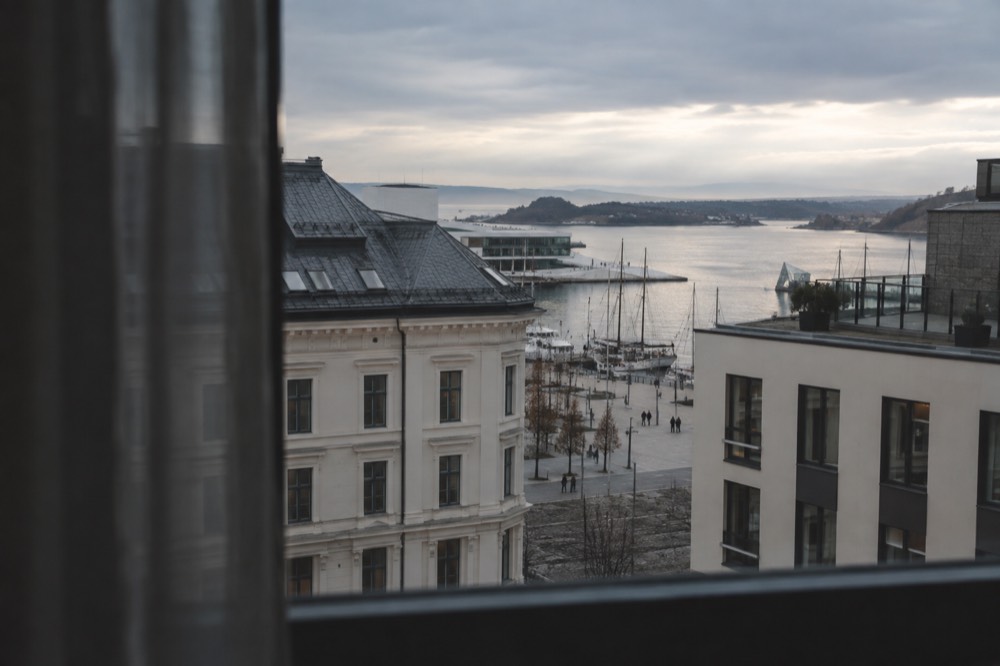
Stockholm suits a three-to-four-day stay built around its islands; Oslo rewards two to three days in the center plus a day for Bygdøy or the forest, and its compact hotel stock means booking early matters more. For neighborhoods, central Oslo around the opera house and Karl Johans gate maximizes walkability, Grünerløkka gives the food-and-coffee scene, and Frogner sits closest to the sculpture park. Our where to stay in Oslo guide covers each district's character and price character in detail.
Duration is the quieter question. The answer for Oslo is usually three days: one for the center and the waterfront, one for Bygdøy's museums, one for the fjord or the forest. Stockholm comfortably absorbs four or five before it starts repeating. If you are splitting a week between the two, the train between them takes roughly half a day and is a comfortable ride, so the split works either direction. Our how many days in Oslo page runs the timing question properly.
The Verdict: Oslo or Stockholm?
Choose Stockholm if you want the grander city break: the old town, the palace, the deeper museum bench and a livelier restaurant scene at slightly lower prices. Choose Oslo if you want water and forest woven into the city, the free Vigeland park, the Bygdøy exploration ships and a fjord cruise you can book for a Tuesday evening. Oslo is more expensive, mostly at the bar and the dinner table, and it is the more distinctive trip of the two. A useful tiebreaker is the season. In summer, both cities shine, but Oslo's long June days, sunset at 22:43, and island swimming are exceptional. In winter, Stockholm's bigger indoor offering balances the dark better, while Oslo leans into it with snowshoeing, torchlit forest walks and the sauna culture on the fjord.
Seasonality deserves real numbers, because at 59.91 N Oslo's daylight swings further than most visitors expect. Stockholm, further south, has a milder version of the same pattern. Here is what the Oslo year actually looks like, from MET Norway's own normals and sunrise data:
| Date in Oslo | Sunrise | Sunset | Day length |
|---|---|---|---|
| 15 January | 09:04 | 15:49 | 6 h 45 m |
| 15 March | 06:34 | 18:19 | 11 h 45 m |
| 21 June | 03:53 | 22:43 | 18 h 50 m |
| 15 August | 05:31 | 21:09 | 15 h 38 m |
| 15 October | 07:55 | 18:08 | 10 h 13 m |
| 21 December | 09:18 | 15:11 | 5 h 53 m |
That swing, from under six hours of daylight in December to nearly nineteen in June, is the single most under-planned fact about a Nordic trip, and it applies to both cities, just harder in Oslo. There is no midnight sun in either capital, that belongs north of the Arctic Circle, but late June evenings in Oslo stay light enough to sit outside well past ten. Our Oslo daylight hours guide covers the full year.
There is also a third answer, which is both. The train between the two is a comfortable half-day through lake country, and the two cities complement each other so cleanly that a week split between them is a common and sensible plan. If you do both, give Stockholm the museum days and Oslo the water and forest days, and you will have used each city for what it does best. For more on the other side of that coin, see our Oslo vs Bergen comparison, which is a different question again, and our Oslo vs Copenhagen guide if the choice is really a three-way one.
Common Questions About Oslo vs Stockholm
Is Oslo or Stockholm better for a first-time visitor?
Stockholm, slightly, because its old town, palace and flagship museums sit close together and deliver the classic capital experience with less planning. Oslo's highlights are more spread out and its best features, the fjord, the islands and the forest, need a little more intention. Both work well for a first Nordic trip.
Is Oslo more expensive than Stockholm?
Yes, but not everywhere. Norway's price level runs 28.6% above the EU average and alcohol costs more than double the European average, so bars and restaurants are where Oslo hurts. Museums, public transport and the outdoors are priced like any comparable European capital, and Vigeland Park is free.
Can you visit Oslo and Stockholm on the same trip?
Yes, easily. The train between the two takes roughly half a day and is a comfortable ride through Swedish lake country. A week split between them is common, with two to three days in Oslo and three to four in Stockholm.
Which city has better nature, Oslo or Stockholm?
Oslo, for accessibility. The Oslofjord runs through the center, public ferries reach swimming islands on an ordinary ticket, and the Nordmarka forest sits at the end of a metro line. Stockholm's archipelago is bigger and beautiful, but it is a planned excursion rather than something you drift into.
Is the Viking museum open in Oslo?
No. The Museum of the Viking Age is closed for rebuilding and is scheduled to reopen in 2027, per the museum's own site, which commits to the year and no month. Until then, Viking Planet in central Oslo is the interactive substitute, and some Viking-age objects are displayed at the Historical Museum.
How many days do you need in Oslo versus Stockholm?
Oslo is comfortably a three-day city: center and waterfront, Bygdøy's museums, and the fjord or forest. Stockholm absorbs four to five days before it starts repeating, thanks to its larger museum set and island structure.