Oslo to Stockholm Train: How to Plan the Rail Trip Between the Capitals
The Oslo to Stockholm train links two Nordic capitals in a single day of comfortable rail travel. This guide covers how to book it, how to reach the station, what the trip costs, and how to fill the Oslo side of it.
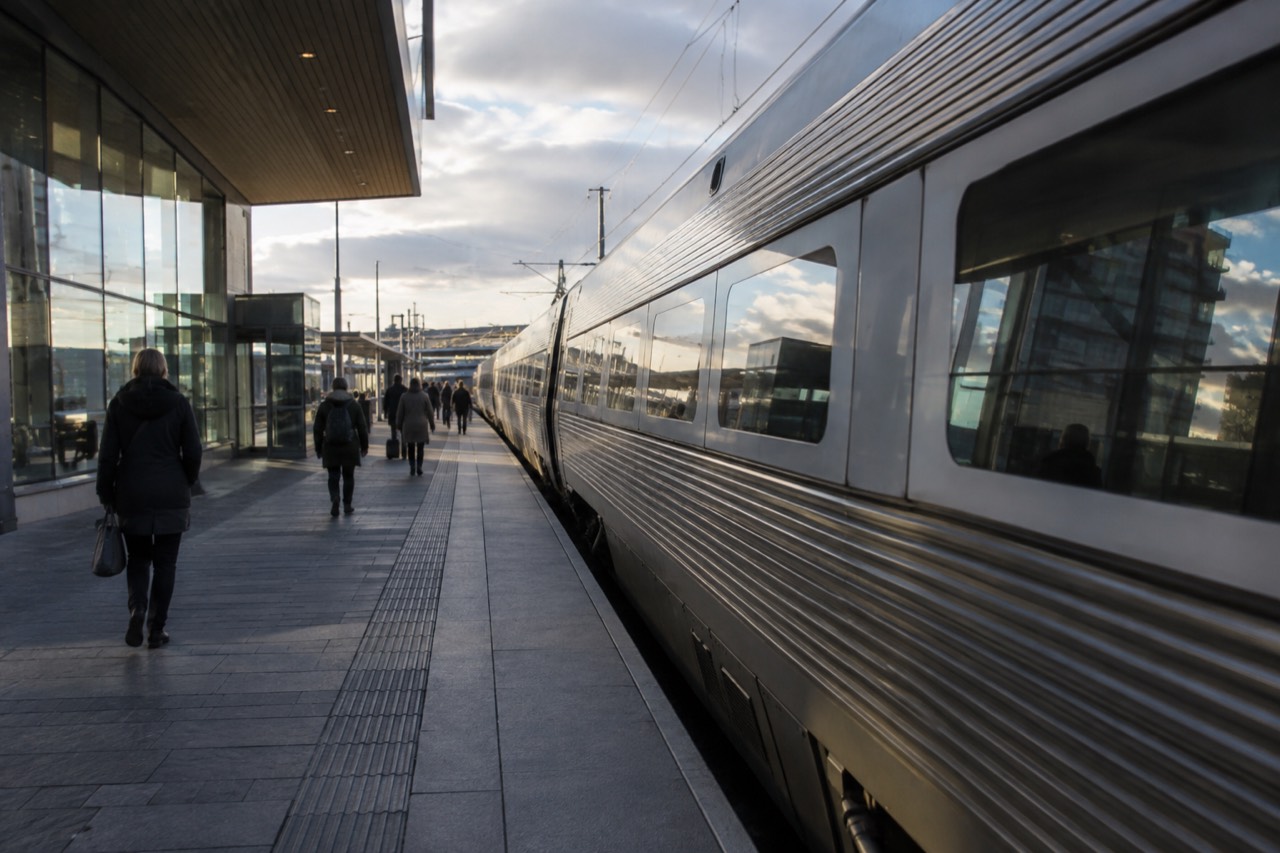
Short answer
The Oslo to Stockholm train runs between the two capitals several times daily, takes roughly five hours, and is booked through Vy or SJ. The realistic budget includes getting to Oslo Central Station, food, and what you do on either side. In Oslo, an Oslo Pass costs 580 NOK for 24 hours and the Flytoget airport express costs 268 NOK one way.
The rail link between Norway and Sweden's capitals is one of the most travelled international routes in the Nordics, and it is the rare long-distance train that people genuinely choose over the plane. Two capitals, one border crossing, forest almost the whole way. This guide is the planning layer: how you book it, how you get to the station, what it costs, and what to do with the Oslo half of the trip. Oslo Travel Guide covers the city end in depth, and this page handles the journey in between.
One point of orientation before anything else. Norway is in the Schengen Area but is not a member of the European Union; it is in the EEA through EFTA, uses the krone rather than the euro, and sits outside EU VAT. Sweden is in both. That matters in one practical way on this route: you cross a Schengen border, so there is normally no passport control, but you also cross between two currencies, and everything on the Norwegian side of the line is priced in NOK.
Is the Oslo to Stockholm Train Worth Taking?
The train is the better choice for most travellers who are not in a desperate hurry. It links the two city centres directly, avoids two airport transfers that each eat close to an hour, and turns the travel day itself into scenery rather than dead time. Flying is faster gate to gate, but door to door the gap narrows sharply once you count getting to and from both airports. For anyone with a rail pass or a slow itinerary, the train is the obvious pick.
The case for the train is really a case about airports. Oslo's main airport sits roughly 50 km north of the city, and Stockholm's Arlanda sits a comparable distance from its own center. A flight between the capitals spends most of its apparent time advantage on the ground at either end. The train leaves from Oslo Central Station, in the middle of the city, and arrives at Stockholm Central Station, in the middle of that one.
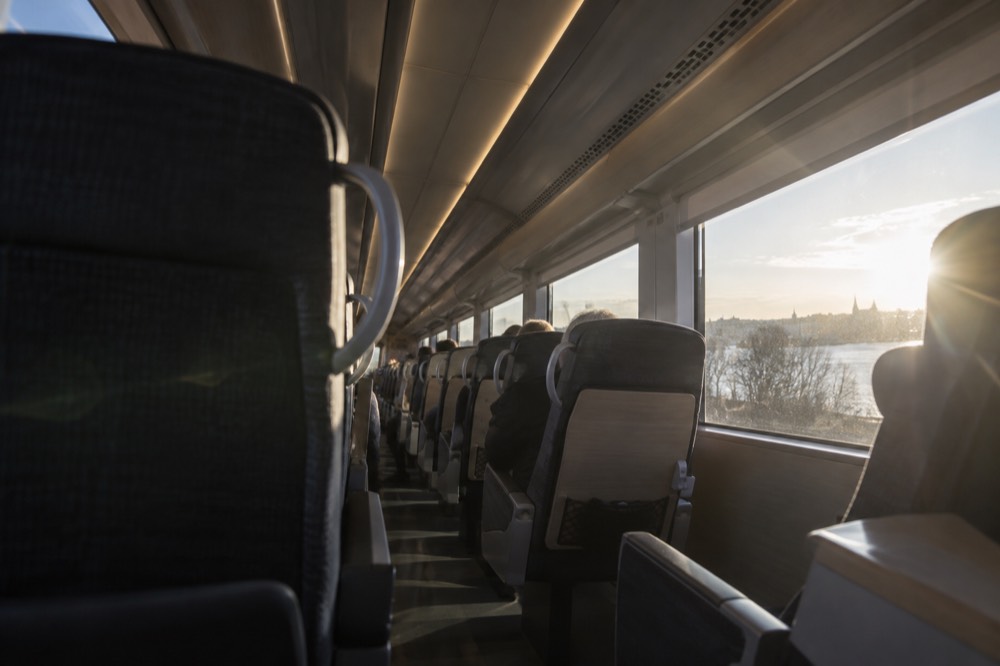
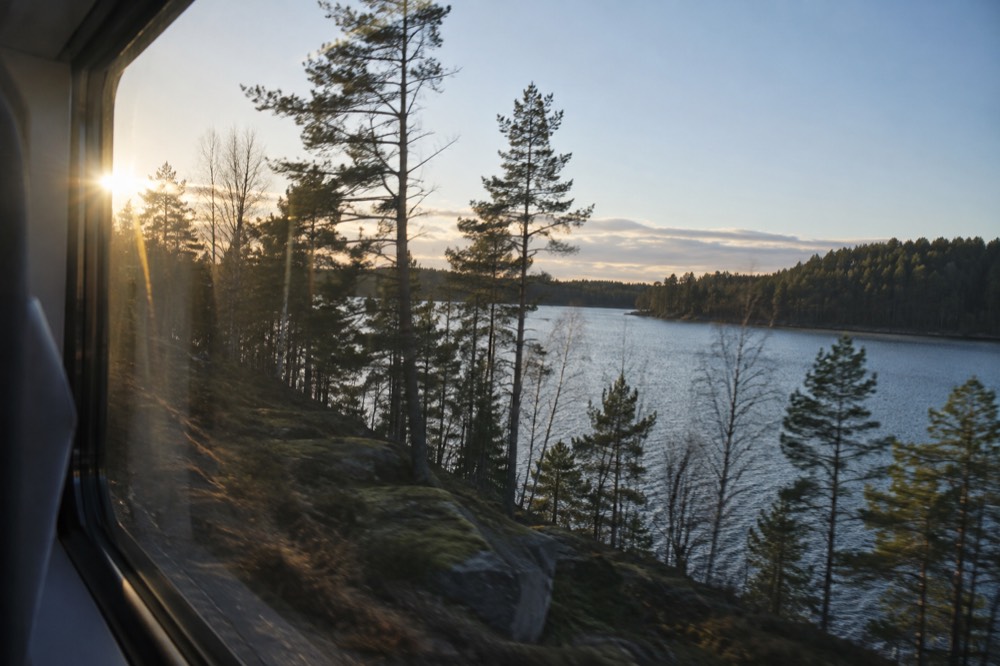
There is also the simple comfort argument. The route runs through lake and forest country for most of its length, on the Swedish side especially, and the carriage is a place where you can work, sleep or eat rather than a tube you endure. Reviews of the route consistently single out the window landscape between the border and Stockholm as the trip's quiet highlight.
The honest counterweight is price and timing. Walk-up fares on the day can be expensive relative to a discounted flight, and the departure pattern is not a shuttle service: if you miss a train you may wait hours for the next one. Book ahead, and check the live timetable on the operators' own sites before you build your day around a specific departure.
For planning the wider region, our day trips from Oslo guide covers the Norwegian side, and the Oslo to Bergen train page covers the other great rail route out of the city, if you are choosing between them.
How Do You Book the Oslo to Stockholm Train?
Book through Vy or SJ, the two operators that sell this route, and book early for the lowest fares. Tickets are released for sale ahead of travel and the cheapest tiers sell out first, exactly as they do on airlines. Seat reservations are included on the international service, and you print or download your ticket. There is no single insider trick, the trick is simply buying before the travel week rather than during it.
Vy is the Norwegian operator and SJ the Swedish one, and both sell the same trains with the same physical seats, so compare the two prices before you pay. Third-party resellers exist but rarely beat the operators' own prices, and buying direct means any delay or cancellation is handled by the company actually running the train.
A few booking habits will save you real money. Travel midweek if you can, because Friday and Sunday trains carry the business and weekend crowds and price accordingly. Travel outside the peak summer weeks if your dates are flexible, for the same reason. And when you compare the train against a flight, price the whole chain: the airport transfer on each end, the baggage rules, and the value of your own time.
Tickets are personal, so enter names correctly, and keep the booking confirmation available on your phone, since conductors on the international route check tickets on board. If your plans are uncertain, check the fare conditions before you buy, because the cheapest tickets are usually the least flexible, and the flexible ones cost more for exactly that reason.

For a sense of how the operators structure their own airport service on the Norwegian side, the table below shows the options for getting from Oslo's airport into the city, which is the leg most visitors combine with a train trip. The figures are the operators' own published prices.
| Option | Adult one-way price | Journey time | Notes |
|---|---|---|---|
| Flytoget airport express | 268 NOK | About 20 min to Oslo S | Every 10 minutes; 134 NOK for child, student, senior, youth, military |
| Vy regional/local train | Roughly half the Flytoget fare | 23 min to Oslo S | Rides on an ordinary multi-zone Ruter ticket; the Oslo Pass covers it |
| Ruter bus 30 / regular buses | Varies by route | Varies | Zone-based public transport pricing |
| Private airport transfer | From $57 (see the tour card) | About 1 hour door to door | Collects at arrivals; the luggage and group answer |
Note the airport transfer line in that table: OSL is 50 km out of the center, and for a family with luggage or a tight connection a private transfer is the practical alternative to the Flytoget. It is a transport product rather than a sightseeing one, but it is the one our readers combine most often with onward rail travel.
How Do You Get to Oslo Central Station?
Oslo Central Station sits at the east end of Karl Johans gate, the city's main street, and every form of central transport reaches it. If you are already in the center you can walk there from most hotels. If you are coming from the airport, the Flytoget express at 268 NOK or the Vy train at roughly half that will drop you directly at the station. Allow time, because it is a large building and platforms take minutes to reach.
The station itself is the hub of Norwegian rail, and the area immediately around it is where most visitors first meet the city. Our Oslo Central Station guide covers the building in detail, and there is a separate answer page on the difference between the station's two names, which confuses plenty of first-time visitors.
If you are flying into Oslo the morning of your train, do not plan a tight connection. The airport-to-station leg alone is 20 to 23 minutes on the fast trains, but you also need to land, deplane, collect bags, and find the platform. A gap of several hours between landing and departure is the comfortable plan, and it has a hidden benefit: it gives you time for a meal or a museum stop in central Oslo before you board.

The station area's one genuine caveat is construction. Planning and public consultation for the "Nye Oslo S" redevelopment of the central station were running through 2026, and occasional signal and maintenance disruptions affect the station and Nationaltheatret from time to time. None of it stops the trains, but platform assignments can shift on the day, so check the departure boards once you are inside rather than trusting yesterday's platform number.
One mistake worth avoiding: confusing the airport train options. The Oslo Pass covers the train to and from Oslo Airport Gardermoen, but only the Vy trains, not the Flytoget express and not the Flybussen coach. Flytoget is a separate company at 268 NOK for an adult single. The Vy train takes about 23 minutes against Flytoget's 20, and rides on an ordinary multi-zone Ruter ticket, which is the single most useful money fact on this route for anyone holding a pass.
What Should You Do in Oslo Before Your Stockholm Train?
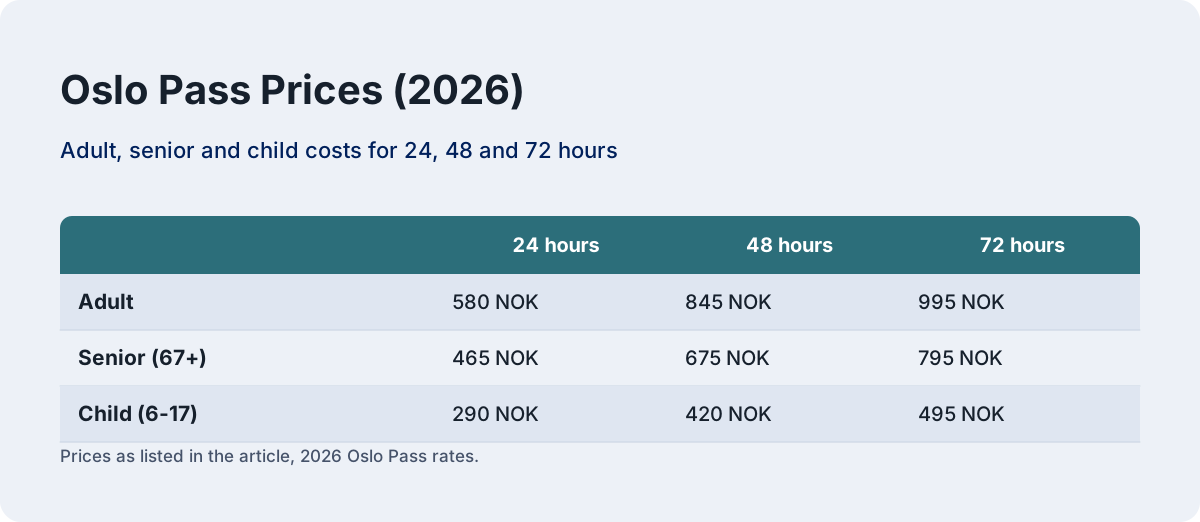
Give Oslo at least a full day before departure, and buy an Oslo Pass if you plan to visit museums. The 24-hour adult pass costs 580 NOK and includes entry at over 30 museums plus all public transport in the city zones. Three Bygdøy museums at full price already total 560 NOK, so the pass pays for itself on a museum day and then carries you to the stations for free.
The pass arithmetic is the part most visitors miss. Kon-Tiki costs 180 NOK, the Fram Museum costs 180 NOK, and Norsk Folkemuseum costs 200 NOK at the door. That is 560 NOK before you have travelled anywhere, against a 580 NOK day pass that includes every train, tram, bus and ferry in the central zones, plus the Bygdøy museum ferry, which ordinary Ruter tickets do not cover. The is the Oslo Pass worth it page runs the full comparison.
| Oslo Pass (2026) | 24 hours | 48 hours | 72 hours |
|---|---|---|---|
| Adult | 580 NOK | 845 NOK | 995 NOK |
| Senior (67+) | 465 NOK | 675 NOK | 795 NOK |
| Child (6-17) | 290 NOK | 420 NOK | 495 NOK |
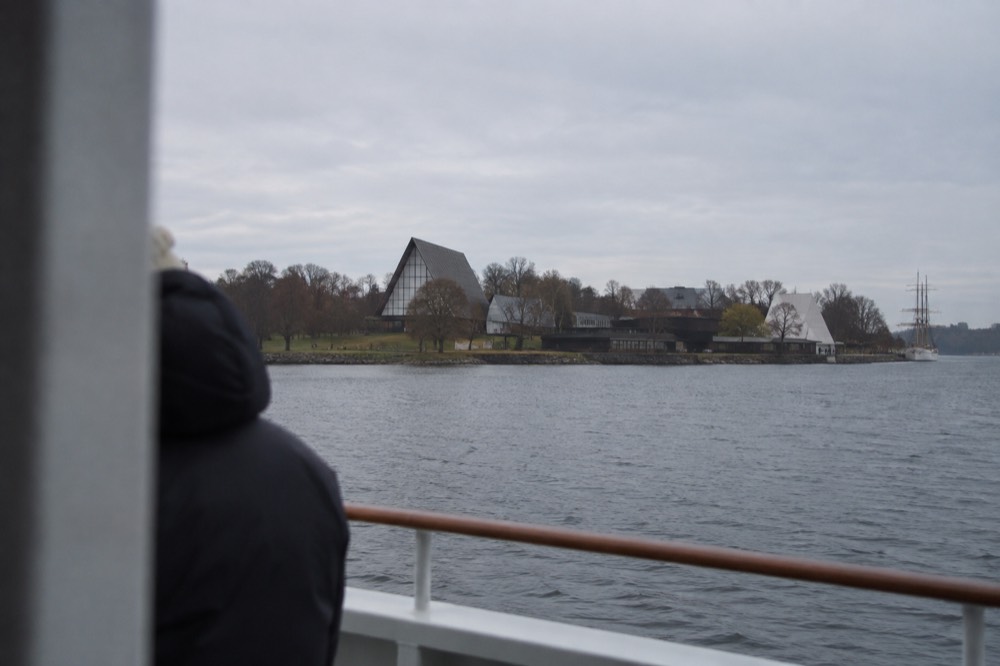
For the day itself, the classic structure is a morning on Bygdøy, the museum peninsula, and an afternoon in the center. The Bygdøy ferry runs seasonally from Rådhusbrygge 3, every 20 minutes, about 10 minutes to the first stop, and it is included with the Oslo Pass while Ruter tickets are not valid on it. Out of season, Ruter bus 30 serves the peninsula year-round on an ordinary ticket. The two systems are separate: the island ferries in the harbor are Ruter lines from Aker Brygge, while the Bygdøy ferry is a private operator from the City Hall pier.
In the center, the free hits are strong. The Vigeland Park sculpture park is genuinely free, open 24 hours a day all year, with no ticket and over 200 sculptures; keep it apart from the paid Vigeland Museum at 120 NOK. The Oslo Opera House roof is public space you can walk on without paying anything. And the harbor itself, from Aker Brygge to the Barcode towers, is a walk that costs nothing and shows you the modern city in under an hour.
If you would rather have a guide for the day, the largest free walking tour in the city covers the highlights on a tip basis and runs about two hours per the listing, with a rating of 4.68 across 2,150 reviews. It is the default budget answer for a first day, and it ends early enough that you can still fit a museum or the harbor afterward.
One closure to know about before you plan a museum day: the former Viking Ship Museum on Bygdøy is closed and will reopen as the Museum of the Viking Age in 2027. No month has been confirmed, and no page should imply you can see the Viking ships in Oslo at present. Viking Planet, with a VR movie included, is the honest substitute, at 2 hours per the listing and a rating of 4.4 across 790 reviews. Our Museum of the Viking Age page tracks the reopening.
Food before departure is its own small planning problem. Norway is the sixth most expensive country in Europe on Statistics Norway's 2025 price-level comparison, with household prices 28.6 percent above the EU average, food 33 percent above, and alcohol and tobacco more than double the average. A restaurant dinner in Oslo costs real money. Our cheap eats in Oslo and street food in Oslo guides are the practical answer, and buying food at a supermarket for the train is both cheaper and more pleasant than relying on whatever the onboard café has left by the time you board.
How Does the Train Compare with Flying and the Bus?
Door to door, the train usually wins on total travel time once airport transfers are counted, and it wins clearly on comfort and on carbon. Flying wins only when a discounted fare is far below the train's flexible price, or when a specific departure time matters more than the experience. The long-distance bus is the cheapest option but turns a five-hour journey into a much longer day on the road.
The flight math is simple. Oslo's airport is 50 km from the center, and reaching it means either the Flytoget at 268 NOK, the Vy train at roughly half that, or an hour-plus by road. Stockholm's Arlanda sits similarly far from that city's center. Add both transfers, plus the standard hour-plus at each airport before departure, and the flight's nominal hour in the air becomes a large part of a day.
| Factor | Train | Flight | Long-distance bus |
|---|---|---|---|
| City-centre to city-centre time | Roughly 5 hours, no transfers | Flight time plus transfers at both ends, typically a similar total | Longest option, depends on route and stops |
| Where you start and finish | Oslo S and Stockholm C, both central | OSL and ARN, both roughly 50 km out | Terminal to terminal |
| Baggage | Included, generous | Depends on fare, often extra | Included, limited space |
| Scenery | Forest and lakes most of the way | Clouds | Road-side scenery |
| Cancellation flexibility | Depends on fare tier | Depends on fare tier | Usually the most restricted |
| Best for | Comfort, rail passes, slow itineraries | Tight schedules, discounted fares | The tightest budgets |
The comfort gap is bigger than the table shows. On the train you get a seat with a window, a table in many configurations, the ability to walk to the café car, and phone signal for most of the route. On a flight this short you spend most of the time climbing and descending. The bus is the honest budget answer but it is a long sit, and the schedule is built around the operator's convenience rather than yours.
One thing to check before you commit either way: rail works on the Norwegian side. Ruter reported continued works into 2026, including the Lilleakerbanen tram line and metro upgrades, and the central station redevelopment planning ran through the same period. None of it affects the intercity route to Sweden directly, but it can affect how easily you reach Oslo S on the day, so leave buffer time.
What Does the Whole Trip Cost?
Budget the trip as four parts: the train ticket, your Oslo day, your Stockholm day, and the transfers at each end. The train fare varies by how early you book. The Oslo side can be done cheaply with free sights and a supermarket picnic, or expensively with restaurants and alcohol, which is where Norway's prices bite hardest. Sweden is somewhat cheaper than Norway on food and drink, which works in your favour after you cross the border.
The Norwegian cost reality deserves real numbers rather than reassurance. On Statistics Norway's 2025 European price comparison, the country ranks sixth most expensive in Europe, overall household prices run 28.6 percent above the EU average, food is 33 percent above, and alcohol and tobacco are more than double the European average. Museums, public transport and the outdoors are where Oslo is genuinely not expensive, and that is the shape of a sensible budget day: paid museums in the morning, free parks and harbor the rest of the time, and supermarket food rather than restaurant food unless dinner is the point.
Our is Oslo expensive page runs the full itemised breakdown, and the Oslo trip cost page covers a whole-trip budget. On alcohol specifically: wine and spirits are sold only through Vinmonopolet, the state monopoly, which closes all day Sunday and early on Saturdays, and supermarkets sell only beer and cider up to 4.7 percent ABV with a fixed evening cut-off. Buying anything stronger for the train means planning ahead in Oslo, or waiting until Sweden.
| Cost element | What to expect |
|---|---|
| Train ticket, Oslo to Stockholm | Lowest when booked weeks ahead; compare Vy and SJ; flexible fares cost more |
| Flytoget airport express | 268 NOK adult one way, 134 NOK concessions |
| Vy airport train | Roughly half the Flytoget fare on a multi-zone Ruter ticket |
| Oslo Pass | 580 / 845 / 995 NOK for 24 / 48 / 72 hours adult |
| MUNCH museum | 280 NOK adult, 200 NOK after 18:00, 100 NOK under 25, free 17 and under |
| Kon-Tiki and Fram combo | 325 NOK adult for both together |
| Alcohol | More than double the European average; Vinmonopolet closed Sundays |
| Vigeland Park | Free, 24 hours a day, all year |
The alcohol line is worth internalising, because it is the single biggest budget trap for visitors who arrive with a Scandinavian itinerary and a Nordic-drinking evening in mind. A beer with dinner in Oslo costs what a main course costs in much of Europe. Cross into Sweden by train and the price pressure eases immediately, which is one quiet argument for doing the expensive city first and the cheaper one second.
For getting around once you are back in Oslo, or on the Oslo side of any variant of this trip, our getting around Oslo guide covers tickets, zones and the app. The short version: buy in the Ruter app, because on-board purchases on buses and boats are explicitly more expensive, and the airport is in zone 4N, not the zone many guides print.
When Is the Best Time of Year for This Trip?
Summer gives you the longest days and the fullest schedules, with the Oslo side of the route at its best from June through August, though August is statistically Oslo's wettest month at 103 mm on the 1991-2020 normals. Winter trips work well too, because the train is weatherproof in a way flights are not, and both cities are at their coziest. The trade is daylight: Oslo swings from 18 hours 50 minutes of day at midsummer to 5 hours 53 minutes at midwinter.
That daylight swing is the most under-explained planning fact in the whole region. At 59.91 N, Oslo is far enough north that the seasons are almost different destinations. On 21 June the sun rises at 03:53 and sets at 22:43, and the gap between is twilight rather than true night. On 21 December the sun rises at 09:18 and sets at 15:11, giving just under six hours of light. There is no midnight sun in Oslo; that requires latitude north of the Arctic Circle. But the long summer evenings are real, and they stretch your sightseeing day dramatically.
| Date | Sunrise | Sunset | Day length |
|---|---|---|---|
| 15 January | 09:04 | 15:49 | 6 h 45 m |
| 15 March | 06:34 | 18:19 | 11 h 45 m |
| 21 June | 03:53 | 22:43 | 18 h 50 m |
| 15 August | 05:31 | 21:09 | 15 h 38 m |
| 15 September | 06:44 | 19:38 | 12 h 54 m |
| 21 December | 09:18 | 15:11 | 5 h 53 m |
For the train itself, summer means full trains. Book the popular departures early if you are travelling in July, and expect families and tourists through the whole carriage. May and September are the sweet spots if you can take them: long enough days to fill both ends of the journey, fewer crowds, and the museums fully open.
Winter has one specific advantage on this route, and it is not the snow. When flights into and out of Oslo are disrupted by winter weather, the train keeps running, and it delivers you to the centre of the city rather than to an airport 50 km out where you then depend on a disrupted road. For a December trip, our Oslo in December and Oslo Christmas market guides cover the seasonal side, and the best time to visit Oslo page covers the whole year.
What If You Have Extra Time in Oslo First?
Turn the wait into the best part of the trip. A spare half-day fits a harbor cruise or a small-group walk; a full spare day fits Bygdøy's museums and the islands; two spare days justify the fjord and forest experiences that most capital-hoppers never see. The mistake is treating Oslo as a station between two luggage handlers. The city earns more than a transit stop, and the train to Stockholm leaves several times a day, so the schedule bends to you.
The harbor is where the spare hours go best. The silent electric fjord cruise with audio guide is Oslo's single best-reviewed activity on either platform, at 1 hour 30 minutes and a rating of 4.5 across 6,664 reviews, and it fits between a morning museum and an afternoon train almost exactly. The wooden sailing ship version, 2 hours at a rating of 4.5 across 6,138 reviews, is a completely different experience from the electric boats and worth the longer slot if you have it. Our Oslofjord cruise guide compares all seven fjord products.
On land, the highest-value short options are the budget central walking tour, 2 hours at a rating of 4.7 across 1,678 reviews, and the 3-hour highlights bike tour at a rating of 4.8 across 1,898 reviews, which is the best warm-season alternative to a bus. For bad-weather days, the Paradox Museum of interactive illusions, at 1 hour and a rating of 4.3 across 876 reviews, is the strongest family ticket in the center. And if your departure is late, the evening myths and legends walk, 2 hours at a rating of 4.8 across 510 reviews, is the product Oslo genuinely runs for dark winter evenings from October to March.
Whatever you choose, book the Oslo activities for before your train rather than after, and keep the departure day itself light. A station with a buffet lunch and a parked suitcase is a better final Oslo memory than a sprint to platform 12 with a fjord cruise still half-unwound behind you.
If Stockholm is only one stop on a wider Nordic rail plan, the Oslo to Copenhagen ferry page covers the southern route out, and the free things to do in Oslo page covers the days before you go.
Common Questions About the Oslo to Stockholm Train
Is the Oslo to Stockholm train worth it?
For most travellers, yes. It connects the two city centres directly, avoids two airport transfers of roughly 50 km each, and turns the travel day into scenery rather than dead time. Flying is only clearly better when a discounted airfare undercuts the flexible train fare by a wide margin.
How do I book the Oslo to Stockholm train?
Book through Vy or SJ, the two operators selling the route, and buy early because the cheapest fare tiers sell out first, just as they do with flights. Compare both operators' prices for the same train before paying, and check the live timetable on their own sites before planning your day around a departure.
How do I get to Oslo Central Station?
The station sits at the east end of Karl Johans gate and every form of central transport reaches it. From the airport, the Flytoget express at 268 NOK or the Vy train at roughly half that fare arrive directly at the station. If you are already central, most hotels are a short walk away.
Does the Oslo Pass cover the airport train?
It covers the Vy trains to and from Oslo Airport Gardermoen, but not the Flytoget express and not the Flybussen coach. Flytoget is a separate company at 268 NOK for an adult single. The Vy train takes about 23 minutes against Flytoget's 20 and rides on an ordinary multi-zone Ruter ticket.
What should I do in Oslo before the Stockholm train?
Give the city at least a day. An Oslo Pass at 580 NOK for 24 hours covers over 30 museums plus all central public transport, and three Bygdøy museums alone cost 560 NOK at full price, so a museum day pays for the pass. Vigeland Park and the Opera House roof are free if you would rather not pay.
When is the best time of year for the Oslo to Stockholm train?
June through August gives the longest days and fullest schedules, though August is statistically Oslo's wettest month at 103 mm on the 1991-2020 normals. May and September are the sweet spots. In winter the train is more reliable than flying, but Oslo's daylight shrinks to under six hours by 21 December, so plan indoor hours.