Oslo to Lillehammer: The Winter Olympic Town Day Trip
Lillehammer is the mountain town Norway put on the world map when it hosted the Winter Olympics, and it is close enough to Oslo that you can see its museums, its Olympic sites and its wooden main street and still be back in the capital for a late dinner. Here is how to plan the day, what the train actually gets you, and where the money goes.
Short answer
The direct Vy train from Oslo Central Station to Lillehammer is the practical way up and back in one day, with a journey time of roughly two hours each way. Lillehammer's sights cluster around Maihaugen, the Olympic park and the compact town center, so one long day covers the essentials without a car.
How Far Is Lillehammer from Oslo, Really?
Lillehammer sits north of Oslo on the main railway line towards Trondheim, and the direct Vy regional train is the way almost everyone gets there, with a running time of roughly two hours in each direction. That makes it one of the few Norwegian mountain towns that works as a genuine day trip rather than an overnight, because the train frequency is high enough to give you a full day on the ground, and you can be back in the capital in time for a normal evening.
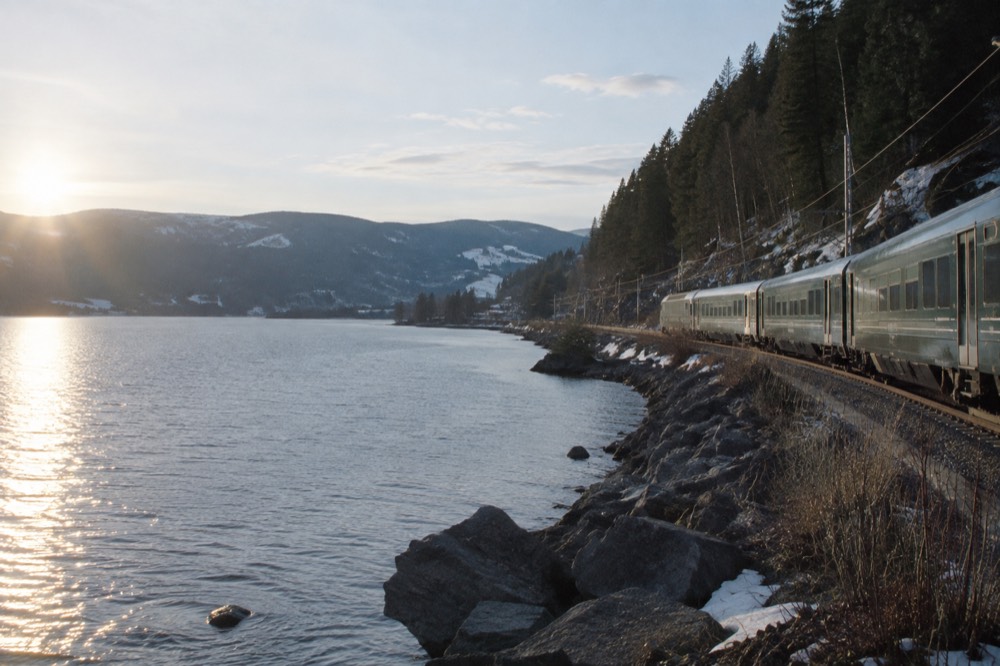
The train runs up the Gudbrandsdalen valley, and the ride itself is part of the argument for going. You pass Mjøsa, Norway's largest lake, on the eastern side of the line for much of the way, with farmland and forested ridges on the other. Sit on the right-hand side heading north if you want the lake views, which is the kind of detail nobody tells you at the ticket machine.
Practical notes for the ticket itself. Vy's own site and app sell the point-to-point fare, and prices vary by departure and how early you book, so read the live price on the day you plan rather than trusting a remembered number. One thing that genuinely matters for Oslo visitors: the Oslo Pass covers Vy trains, but only within Ruter's zones, and Lillehammer is far beyond them. The pass's famous train perk applies to the airport run between zone 1 and zone 4N at Gardermoen, not to a regional journey of this length. Your Oslo Pass will cover your tram to Oslo Central Station, and nothing north of that. For the broader question of what the pass does and does not buy, see what the Oslo Pass includes.
Getting from Oslo to Lillehammer: Train, Bus or Car?
The Vy regional train from Oslo Central Station is the only option that makes sense for a day trip. It is direct, frequent and reasonably quick, and it drops you a short walk from Lillehammer's main street. Driving yourself buys flexibility you will not use once you arrive, because the town itself is compact and walkable, and winter road conditions on the E6 can turn a simple drive into a slow one. Buses exist on the corridor but take longer and run less often.
For context on how Oslo's transport options compare, our guide to getting around Oslo covers the city end, and day trips from Oslo without a car collects the destinations where the train genuinely replaces driving. Lillehammer belongs on that list, which is why it earns its own page here.
| Option | Door to door | Best for | The catch |
|---|---|---|---|
| Vy regional train | Around two hours | Day trips, no car, lake views | Fare varies by departure, book early for the best price |
| Rental car via the E6 | Similar on paper | Skiers with gear, side stops | Winter driving, parking in town |
| Long-distance bus | Longer than the train | Very tight budgets only | Fewer departures, less daylight on the ground |
One planning point that changes with the seasons: Oslo's daylight swings enormously across the year, from 18 hours 50 minutes of daylight on 21 June down to 5 hours 53 minutes on 21 December, per MET Norway's sunrise data. In midwinter your usable sightseeing window in Lillehammer is short, roughly from mid-morning to mid-afternoon, so an early train matters more in January than in July. Our daylight hours in Oslo page has the full month-by-month table.
If your appetite for a full-day excursion runs bigger than a two-hour train ride, the selection below gathers the bookable options that leave from Oslo and cover serious ground.
The first of those, the private Sognefjord round trip with the Flåm Railway, is a fifteen-and-a-half-hour day that answers the Norway-in-a-Nutshell question in a single booking, and it is the strongest contrast with a Lillehammer day: west into the fjords rather than north into the mountains. If you would rather stay in the city and make the fjord a shorter affair, the Oslofjord cruise options cover the boats that leave from the piers at Aker Brygge.
What to Actually Do in Lillehammer
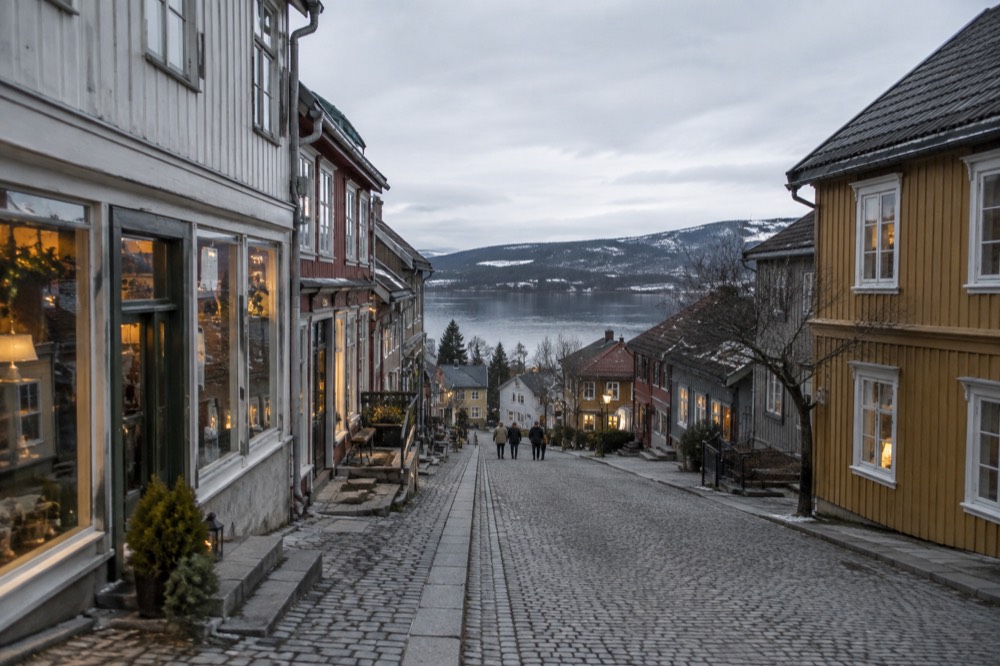
Lillehammer's three anchors are Maihaugen, the open-air museum with hundreds of historic buildings from the Gudbrandsdalen valley, the Olympic park with its ski jump and arenas from the Winter Games, and the long pedestrian main street of wooden shopfronts, Storgata, that runs down towards the lake. All three sit within walking distance or a short local bus ride of the station. A realistic day is Maihaugen in the morning, lunch on Storgata, then the Olympic sites in the afternoon, reversing it in winter.
| Sight | What it is | Allow | Note |
|---|---|---|---|
| Maihaugen | Open-air museum of historic valley buildings plus indoor exhibitions | Half a day | Check opening days before you go, open-air sites run seasonal hours |
| Olympic park | The Winter Games arenas and ski jump | 2 hours | Outdoor site, dress for the weather |
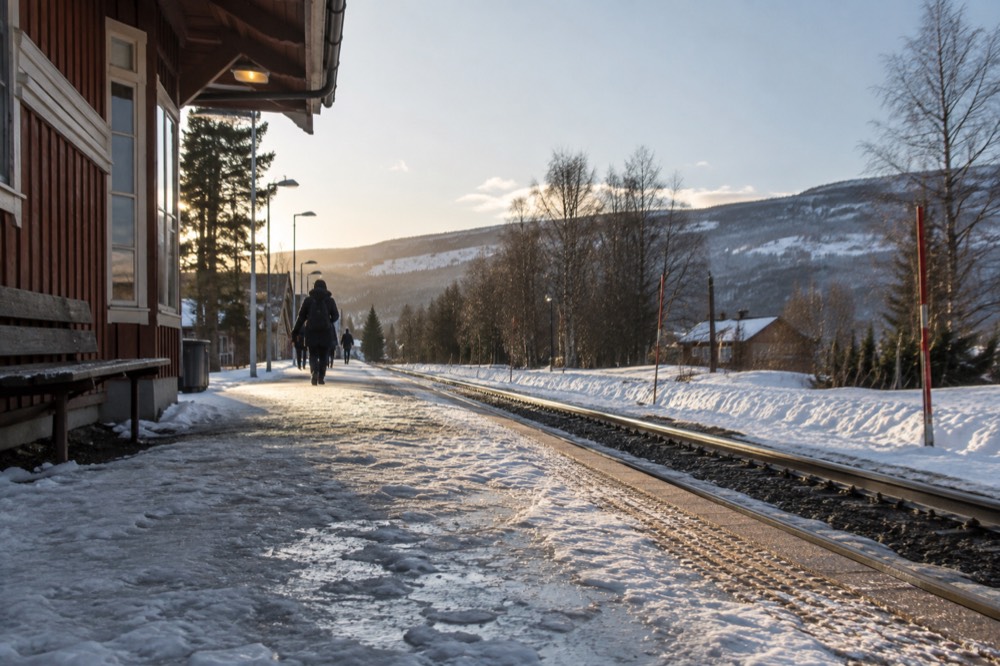
| Storgata | Wooden main street, shops and cafes | 1 to 2 hours | Free to wander, best in daylight |
| Mjøsa lakefront | Lakeside walks at the bottom of town | 30 minutes | Windy in every season |
Maihaugen is the reason museum lovers make this trip. It is a collection of relocated historic buildings from the whole region, laid out as farmsteads, a village and a small town street, and it does for rural Norway what the Norsk Folkemuseum on Bygdøy does for the capital, at a scale that justifies the journey. On Bygdøy itself, our Norsk Folkemuseum page explains what the Oslo version offers, and the two genuinely rhyme, so if you have limited days you should decide which one you want rather than doing both on autopilot.
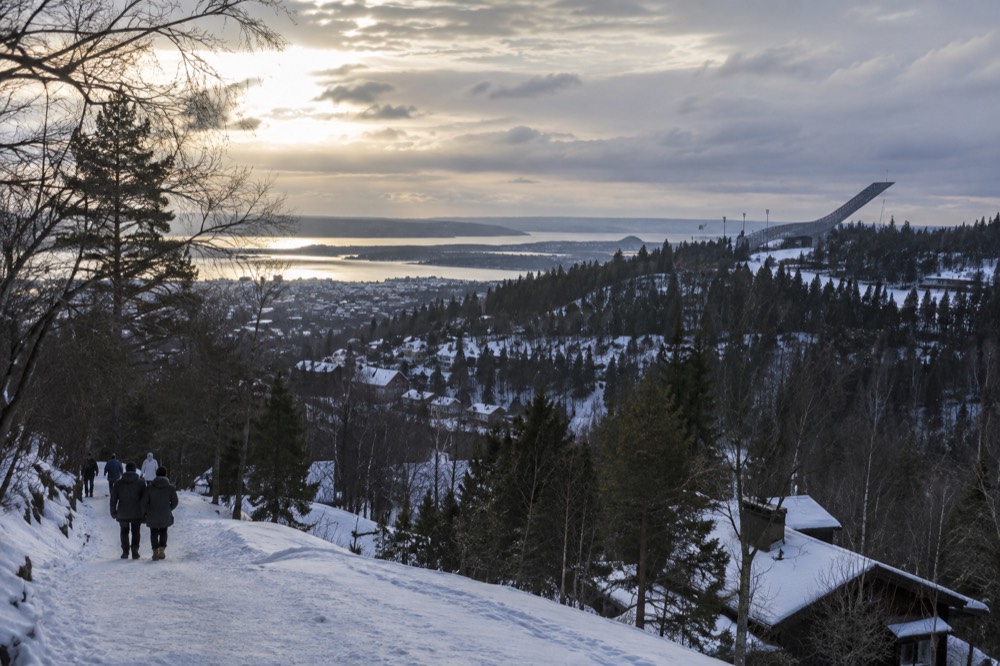
The Olympic park is the other half of the town's identity. Lillehammer hosted the Winter Olympics, games widely remembered for putting a small Norwegian town on the global map, and the venues are still in use as public sports facilities rather than abandoned relics. The ski jump is the visual landmark, visible from much of the town, and the surrounding hillside has walking and, in the snow season, skiing terrain attached to it. If a ski day rather than a sightseeing day is what you want, our skiing near Oslo page covers the options closer to the capital, and the Oslo winter guide has the full cold-season picture.
There is a moment on every Lillehammer day trip, usually mid-afternoon, when you start doing the return-train maths. Before that happens, ask yourself whether you actually want a guided full-day excursion instead of an independent one.
The honest answer for most travelers is that the two trips serve different moods. The Sognefjord option is a private, all-in, fifteen-and-a-half-hour westbound day built around the Flåm Railway, and its reviews describe it as the definitive version of that route. Lillehammer is the opposite: independent, cheap by Norwegian standards, and shaped by what you choose to do when you step off the train. Both work from Oslo, and you can read the full Norway-in-a-Nutshell breakdown if the fjord version is pulling at you.
Is Lillehammer Worth It in Winter or in Summer?
Both, but for different reasons, and the difference is mostly snow and daylight. Winter is the town's home season, with the Olympic venues functioning as working ski facilities and the surrounding hills groomed for cross-country, while summer gives you long evenings, lake views on the train ride and a fully open Maihaugen. Shoulder seasons are the weakest fit, because late autumn offers neither snow nor reliably pleasant weather, and the open-air museum's outdoor buildings are at their least inviting in the rain.
The climate numbers frame it. Oslo's winter normals from MET Norway average around minus 2 °C (about 28 °F) in January and February, and Lillehammer, higher and further inland, runs colder than that on the same pattern. Snow is part of the deal up the valley in the heart of winter, which is exactly what a visitor from a snowless place often wants. By contrast, July's normal mean in Oslo is 17.7 °C, and a summer Lillehammer day is mild rather than hot, ideal for the lakefront and the main street. Our month-by-month weather guide covers the full table if you are still choosing dates.
One warning carried over from the Oslo side that applies equally here: August, not November, is the statistically wettest month in the region on the 1991 to 2020 normals, at 103 mm in Oslo. An August day trip is lovely when it is lovely, and soggy at a rate the averages do not hide. Pack accordingly, and do not assume the classic "November is grim" rule of thumb.
What Does an Oslo to Lillehammer Day Trip Cost?
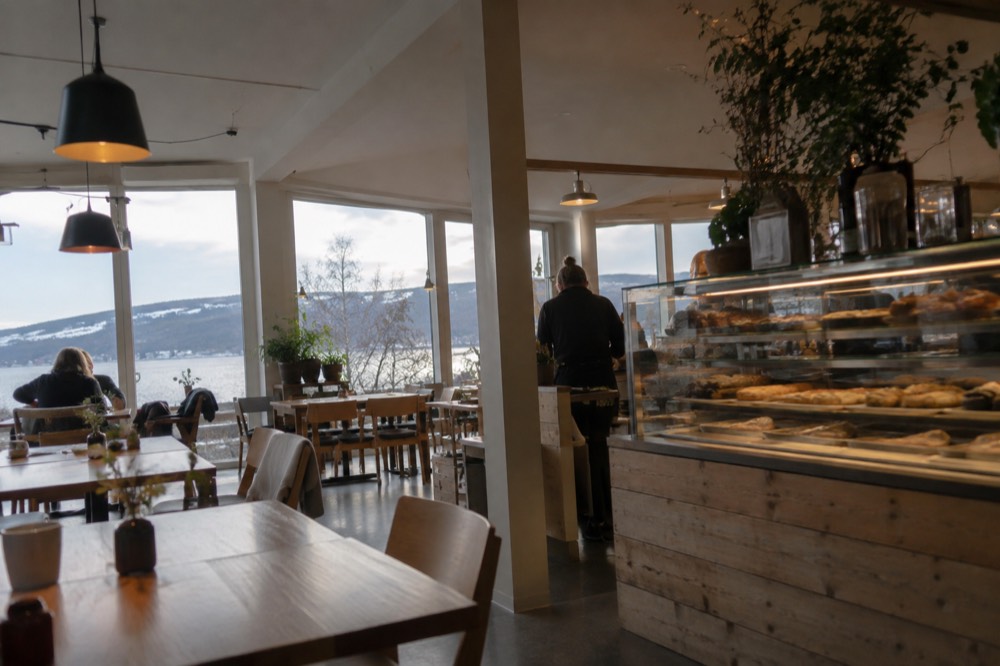
Budget the day as a mid-range Norwegian excursion, not a bargain one. Your real costs are the return train fare, one or two museum entries, lunch on Storgata, and whatever you spend on coffee, and the item that stings in Norway is never the museum or the train, it is the restaurant and anything with alcohol in it. Norway is the sixth most expensive country in Europe on Statistics Norway's 2025 price-level survey, with household prices 28.6 percent above the EU average and food 33 percent above.
| Cost item | Ballpark | Why it is what it is |
|---|---|---|
| Return train, Oslo to Lillehammer | Varies by departure, read the live fare | Vy prices move with demand, book ahead for the cheaper departures |
| Maihaugen entry | Moderate, check the museum's own site | Open-air museum pricing, family tickets exist |
| Lunch on Storgata | The expensive line of the day | Norwegian restaurant prices, restaurants sit at the top of the SSB comparison |
| Coffee stops | Adds up fast | Food and drink run a third above the European average |
| Alcohol with lunch | The genuine budget breaker | Alcohol and tobacco are more than double the EU average in Norway |
The structural point is that the value split is stark. Museums and transport in Norway are priced fairly for what you get, and the outdoors, which is the second pillar of a Lillehammer day, is free. Restaurants and bars are where the country's price-level position is actually felt. The same asymmetry shapes a whole Oslo budget, and our is Oslo expensive page and the trip cost breakdown go through it line by line.
Two specific Norwegian rules matter if your day ends with shopping or a drink. Wine and spirits are sold only through Vinmonopolet, the state monopoly, which closes on Sundays and public holidays and early on Saturdays, with hours varying by store. Supermarkets sell beer only, up to the legal strength limit, and stop at a fixed evening cut-off. If you were planning to buy a bottle in Lillehammer for the train home, check the store finder before you count on it, and remember the whole system closes on Sundays. The full index of guides sits on Oslo Travel Guide. The full index of guides sits on Oslo Travel Guide.
Lillehammer with Kids: Does It Work?
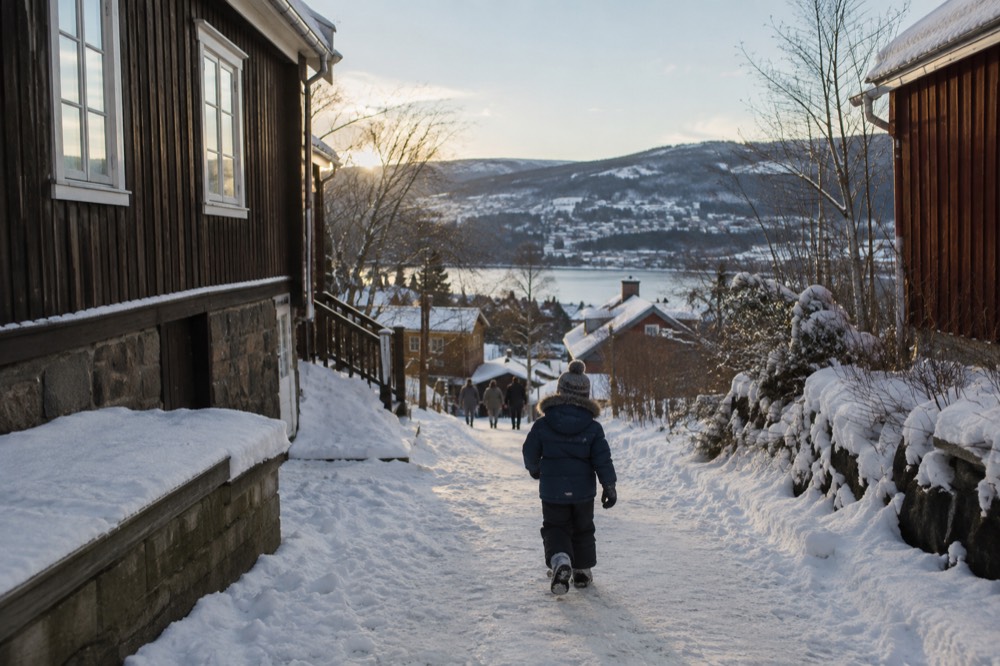
It does, and in some ways better than the adult version, because the Olympic park's family infrastructure, the open-air buildings of Maihaugen and the compact walkable scale of the town all suit children better than a capital-city museum marathon. The train ride itself, around two hours with lake views, is well within the tolerance of most school-age children. The main planning difference is pacing, count on two anchor sights rather than three, and build in the playground and hot chocolate stops rather than fighting them.
For the Oslo end of family planning, our Oslo with kids guide covers the city's child-friendly base, and the honest pairing is one Lillehammer day stacked on top of an Oslo itinerary built around the things to do in Oslo with kids selection. The day trip works best as the excursion that gets the family out of museums and into snow or lake air, which is precisely the mood Lillehammer supplies.
Winter is the strongest kid season, provided everyone is dressed for it. Ski lessons and toboggan-style activities exist on the hillside in the snow months, and the town's size means you are never far from a warm cafe when small hands get cold. In summer, the lakefront and the main street do the work, and Maihaugen's farm animals and historic houses are a genuinely child-friendly museum format, because it is a place to move through rather than stand still in.
What Are the Best Alternatives If Lillehammer Does Not Fit?
If the two-hour train ride or the winter timing does not suit, the strongest substitutes from Oslo are the fjord and lake day trips east and west, the historic small towns south of the city, and a slower same-day fjord experience inside Oslo itself on the island ferries. The deciding factors are season, transport tolerance and whether you want nature, history or a worked-in Olympic town, and Lillehammer loses mainly on winter road logistics and on total hours if you are a slow starter in the morning.
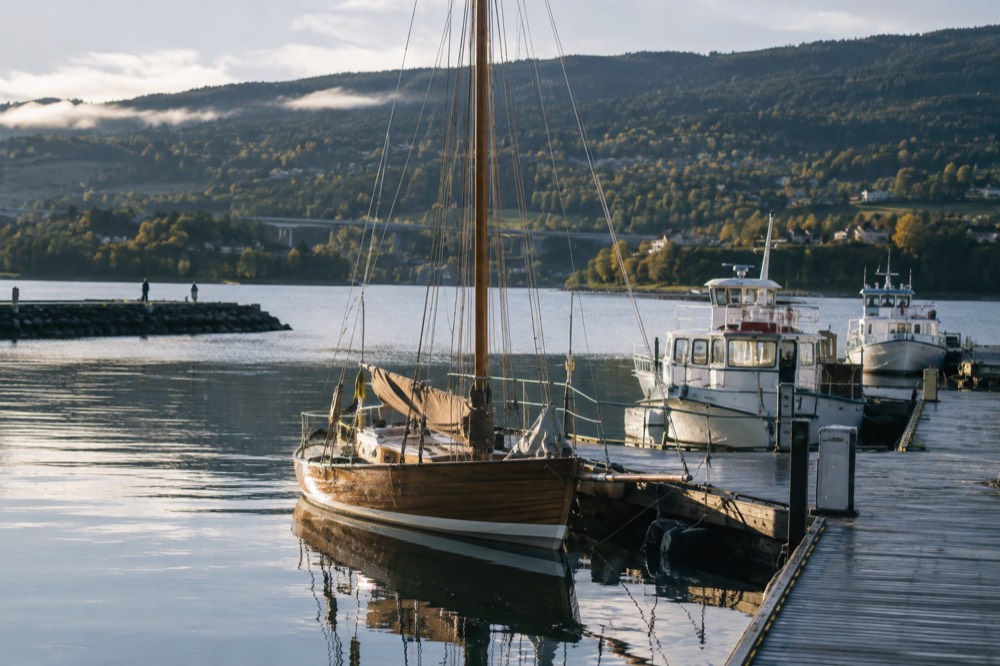
Our day trips from Oslo hub collects the full set, but the short version for comparison is this. South and east, the small fortified towns along the coastline trade mountains for old walls and waterfront lunches, and they flatter a slow morning. North and west, the train-accessible valleys and ski areas are Lillehammer's true peers. Inside Oslo, the island ferries from Aker Brygge run on ordinary Ruter tickets and turn a free afternoon into a fjord experience, which is the cheapest fjord move in the whole region and a real rival to any excursion on a tight budget. For that option specifically, the Oslo islands guide and the Hovedøya page cover what you actually find out on the water.
If what you wanted from Lillehammer was a memorable, guided, all-day experience rather than the town itself, that is a different purchase, and the highest-rated excursion of that kind from Oslo is below.
Booking-wise, the practical advice is short. Check the live listing for current availability, departure times and the cancellation terms, and decide the same evening you decide your dates, because the premium private options from Oslo run on limited daily capacity. Whatever you book, the independent Lillehammer day remains the cheaper and more flexible half of the choice, and the two are not in competition for the same day of your trip, only for the same slot in your planning.
Oslo to Lillehammer: The Practical Checklist
Book the Vy train in advance for the cheaper departures, check Maihaugen's opening days for your date, dress for a colder version of Oslo's weather, and keep the return train time in mind from mid-afternoon onward. Carry a card, not cash, for everything including the museum, pack layers for the Olympic park, which is an outdoor site, and do not plan a Vinmonopolet stop on a Sunday. If you are going in deep winter, check the day's daylight hours before committing to a departure.
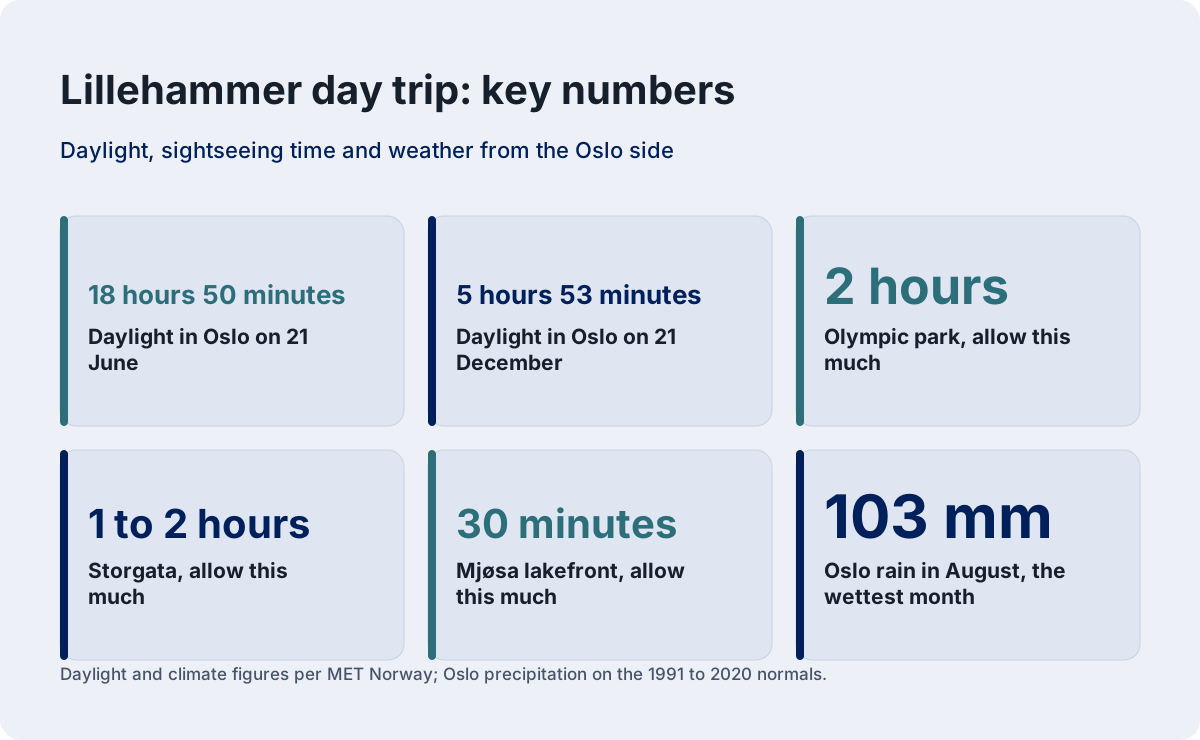
The chart above is the single most useful planning number for this trip. In late June you can take a leisurely morning train and still have light for an evening walk on the lakefront. In late December the sun is down before the last museum closes, so your whole sightseeing window is a few hours either side of noon, and an early start stops being optional advice and becomes the difference between a good day and a wasted ticket. Whatever month you go, the best time to visit Oslo page frames the same swing for the whole stay.
Finally, a small note on money. Norway is in the Schengen Area but not in the European Union, an EEA state that uses the krone rather than the euro, so cards work everywhere but the currency assumptions you may have carried from euro-zone trips do not. Non-resident visitors can claim a VAT refund on qualifying purchases, and the tax side of shopping is covered on our currency and cash page if you plan to spend seriously on Storgata.
Common Questions About the Oslo to Lillehammer Day Trip
Can you do Lillehammer as a day trip from Oslo?
Yes. The direct Vy regional train from Oslo Central Station runs the route in roughly two hours each way, with departures frequent enough to give you a full day on the ground. Most travelers leave after breakfast, spend the day around Maihaugen, the Olympic park and Storgata, and return in the evening.
Is the Oslo Pass valid on the train to Lillehammer?
No. The Oslo Pass covers Vy trains only within Ruter's zones, and its famous train perk is the airport run between central Oslo and zone 4N at Gardermoen. Lillehammer is far beyond the zone map, so you buy a normal Vy regional ticket for the trip, while the pass still covers your tram or bus to the station.
How many hours do you need in Lillehammer?
A full day, roughly eight hours on the ground, covers Maihaugen in the morning, lunch on Storgata and the Olympic park in the afternoon. In midwinter, with only about six hours of daylight at this latitude, the same program needs a tighter schedule and an earlier train.
What is there to see in Lillehammer?
The three anchors are Maihaugen, the open-air museum of historic buildings from the Gudbrandsdalen valley, the Winter Olympic Games park with its ski jump and arenas, and Storgata, the long wooden main street running down towards Lake Mjøsa. All three are walkable or a short local bus ride from the station.
Is Lillehammer worth visiting in winter?
Winter is the town's home season. The Olympic venues operate as working ski facilities, the surrounding hills carry groomed cross-country terrain, and the cold-weather version of the town is what the world saw during the Winter Games. Dress for temperatures colder than Oslo's January normal of about minus 2 °C, and plan around the short daylight.
Is Lillehammer a cheap day trip from Oslo?
It is moderate by Norwegian standards, not cheap. The train and museum entries are fairly priced for what you get, but lunch and any alcohol carry Norway's high price level: on SSB's 2025 survey the country sits 28.6 percent above the EU average overall, food and drink 33 percent above, and alcohol more than double. Budget for the restaurant stop, and the day becomes predictable.