What Is the Trendy District in Oslo?
Grünerløkka is Oslo's trendiest district: vintage shops, coffee bars, street art and Mathallen food hall. Here is what to see, where to eat and how to fit it into your trip.
What Is the Trendy District in Oslo?
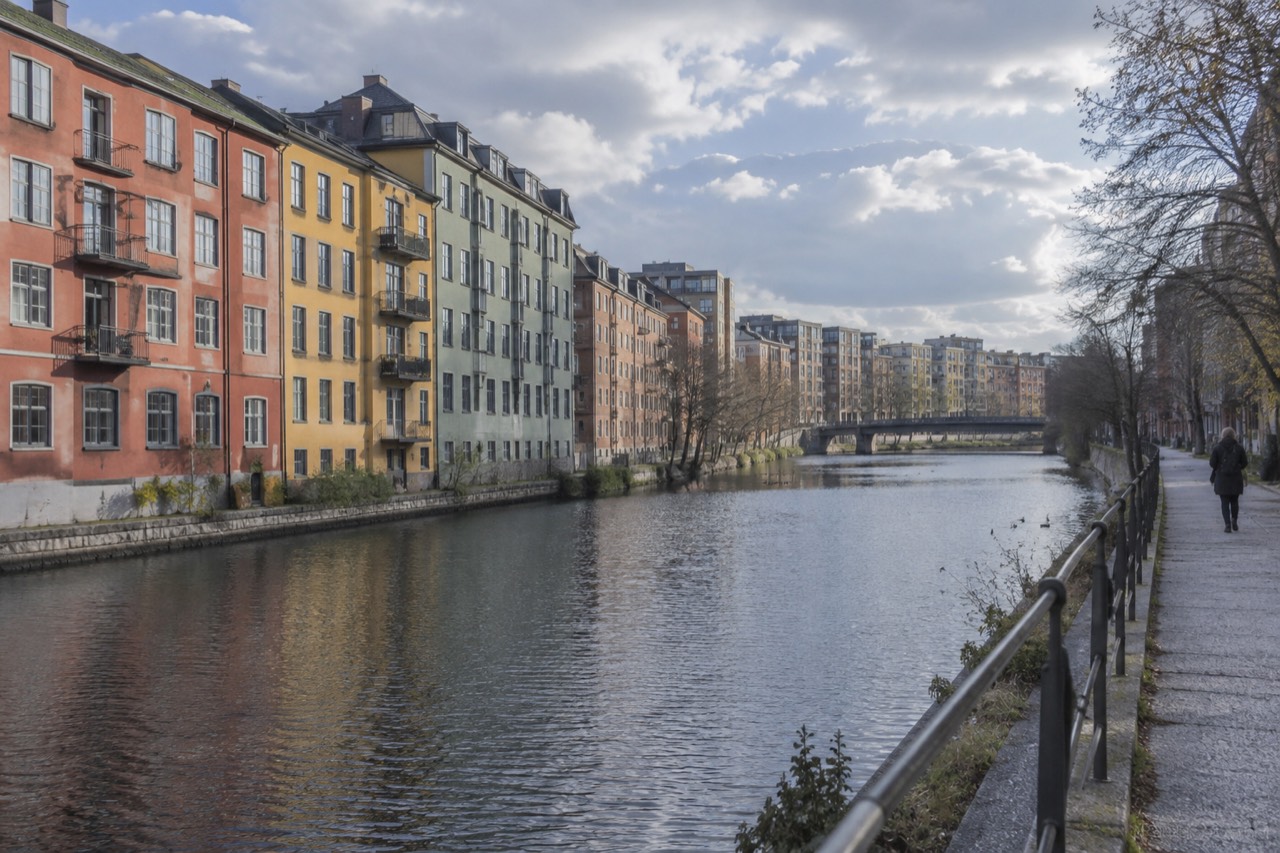
Grünerløkka, the grid of old working-class apartment blocks sitting east of the Akerselva river, is the trendy district in Oslo. This is where the city's coffee roasters, vintage stores, record shops, street art and independent restaurants cluster, anchored by the Mathallen food hall and the Vulkan block. Locals shorten it to Løkka, and the nickname has stuck because no other Oslo neighborhood concentrates this much of the city's creative life in one walkable area.
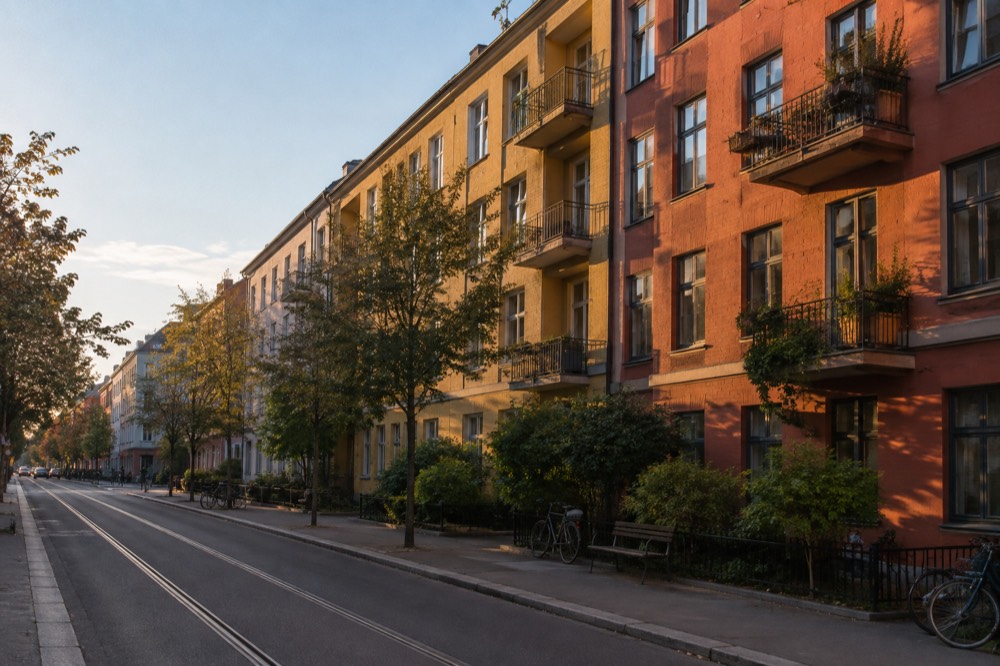
Ask a local where to spend a Saturday and the answer is almost always the same: cross the river. Grünerløkka was built as working-class housing more than a century ago, went through decades of neglect, and then re-emerged as the part of Oslo where young people open bakeries instead of banks. The neighborhood's geography helps. It sits directly across the Akerselva from the city center, so walking there from Karl Johans gate takes roughly fifteen minutes, and the river path between the two is one of the nicest urban walks in Scandinavia.
The name itself is worth pausing on. The correct spelling uses the German ü and the Norwegian ø, and getting both right signals you have actually been reading about the place. Norwegians pronounce it roughly "GREW-ner-lurk-ka," with the double k clearly sounded. Nobody expects a visitor to nail it, but the spelling matters on maps, tram destination screens and route planners, all of which use the full form.
What makes a district "trendy" is admittedly a moving target, so this page works through the claim properly. Grünerløkka earns the label on every axis that matters: density of independent businesses, the food and drink scene, the street art, the nightlife, and the simple fact that Oslo's own creative industries moved here first and the cafes followed. The rest of the article covers what to actually do there, which challenger neighborhoods deserve a look, and how the area fits into a short visit. For a broader map of the city's character areas, our Oslo neighborhoods overview puts Løkka in context against Frogner, Majorstuen and the rest.
Why Grünerløkka Holds the Trendy Crown
Grünerløkka is trendy because it combines three things Oslo otherwise separates: industry-turned-culture buildings, a river corridor of waterfalls and former factories, and a street grid small enough to wander without a map. The old textile mills along the Akerselva became studios and campuses, the apartments above the shops stayed human-scaled, and the neighborhood never got the glass-tower treatment that reset other parts of the city. The result feels like a village that happens to sit ten minutes from the opera house.
The backstory explains the present. This was factory workers' housing, built fast and cheap for the people who worked the mills along the Akerselva. When industry left the river, rents fell, artists and students moved in, and the pattern every European city knows had played out: the cheap, characterful district became the desirable one. Unlike some cities, Oslo never let the area be demolished, so the original five-story blocks still stand, painted in the muted reds, yellows and greens of the period.
The Akerselva itself is the spine of the whole thing. The river runs the length of the neighborhood, dropping through a series of waterfalls that once powered the mills, and the path along it is now a linear park linking Grünerløkka to the city center in one direction and the leafy northern suburbs in the other. On a summer evening the banks fill with people barbecuing, swimming in the shallows and drinking the legally-noticed supermarket beer Norwegians are famous for economizing on, because alcohol is the one thing in Oslo that genuinely costs double the European average, per Statistics Norway's price-level survey.
Street art is the neighborhood's wallpaper. Murals cover gable walls, shutters and garage doors, and the quality is high because Oslo has a deliberate policy of permitting legal walls rather than scrubbing everything clean. You do not need an itinerary for it. Walk any ten minutes off the main drags, Thorvald Meyers gate and Markveien, and you will pass a dozen pieces without trying.
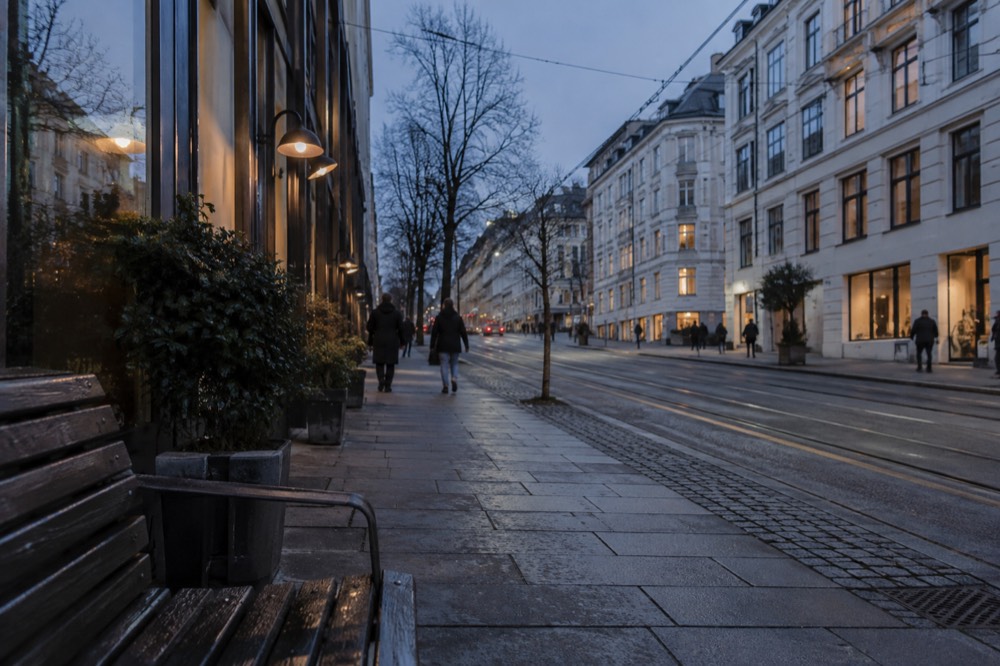
For visitors who like numbers, here is how the main central districts compare on the things that define a trendy area. The ratings are a fair summary of how each district actually feels on the ground, not a ranking of prestige.
| District | Vibe | Best for | Walk from city center |
|---|---|---|---|
| Grünerløkka | Vintage, coffee, street art, nightlife | Wandering, eating, people-watching | ~15 min |
| Vulkan (within Grünerløkka) | Design, food hall, eco-buildings | Food and architecture | ~12 min |
| Tjuvholmen | Waterfront galleries, sushi, beach | Architecture and art | ~15 min |
| Aker Brygge | Polished waterfront dining | Eating by the fjord | ~10 min |
| Frogner | Museums, embassies, quiet streets | Grand apartment blocks | ~20 min |
The Best Things to Do in Grünerløkka
A day in Grünerløkka comes down to four moves: walk the river path past the waterfalls and old mill buildings, browse the vintage shops around Markveien, eat at or around Mathallen food hall, and finish with coffee or a bar on Thorvald Meyers gate. Every one of these is free to wander and pay-as-you-go, which matters in a city where food and alcohol run well above the European average.
Start with the river. The Akerselva path enters the neighborhood at the south near Grünerbrua and runs north past Hønse-Lovisas hus, a preserved worker's cottage that now serves waffles, and the Møllefossen waterfall, the most photogenic of the drops. The factory buildings along the way have been converted into campuses, studios and cultural venues, and the walk reads like a physical history of the neighborhood: mills, then decay, then reuse. In summer, locals swim in the calmer stretches, something that surprises visitors who assume a Nordic river in a city is decorative only.
The shopping is the second act. Grünerløkka has the deepest concentration of secondhand and vintage stores in Oslo, spread across Markveien, Thorvald Meyers gate and the side streets between them. Norwegian secondhand retail is well organized and honestly priced, and the stores here are genuine businesses rather than charity shops. Interlaced with them are independent bookstores, record shops and design boutiques, the kind of retail that survives here because the neighborhood's residents actually buy from it.
Coffee is treated as a civic institution. Oslo roasters have a serious international reputation, and Grünerløkka has the densest strip of serious espresso bars in the city. The standard is high enough that choosing badly is genuinely difficult; walk into any busy cafe on Thorvald Meyers gate and the coffee will be good. Norwegians drink enormous amounts of it, and the cafe is the default social venue in a country where a bar beer costs what a whole cafe lunch costs elsewhere.
Evenings tip into nightlife rather than dinner culture. The bars along Thorvald Meyers gate and Olaf Ryes plass fill from late afternoon, and the neighborhood has the widest spread of them in the city, from divey pubs to cocktail rooms. Our Oslo nightlife guide covers the specifics, but the short version is that if Oslo has a going-out district, this is it, with the caveat that alcohol prices push many locals toward pre-drinking at home first.
Vulkan and Mathallen: The Trendiest Single Block
Vulkan, the former ironworks site on the Grünerløkka side of the river, is the trendiest single block in Oslo. Its converted industrial buildings now hold Mathallen Oslo, the city's main food hall, plus a hotel, a dance house, a climbing wall and some of the most photographed sustainable architecture in the city. If Grünerløkka is the trendy district, Vulkan is its polished core, and it sits right on the river path so you pass through it naturally.
Mathallen Oslo is the anchor. The food hall occupies a converted factory and gathers a few dozen small producers and kitchens under one roof: seafood counters, cheese shops, bakeries, a coffee roaster and a scatter of small restaurants serving everything from Norwegian classics to tacos. It is the single easiest place in Oslo to eat well without committing to a restaurant, and it is genuinely busy with locals doing their shopping, not just tourists photographing it. Our Mathallen food hall guide covers the stalls and the practicalities in detail.
The architecture around Vulkan is worth a paragraph of its own. The redevelopment kept the industrial bones and added contemporary timber-and-glass buildings around a small plaza, and the whole ensemble is used as a case study in Norwegian sustainable design. The dance house and the riverside terraces make the block feel occupied at all hours rather than staged for visitors. Crossing the Ankerbrua bridge back toward the center gives one of the better photo angles of the complex.
A food-focused way into the neighborhood exists if you would rather not navigate it cold. The Grünerløkka food culture walking tour spends about two and a half hours on the district's food identity, and it is the strongest bookable product centered on the area. For a cheaper orientation first, the free walking tours of Oslo cover the city core, which sets up the geography nicely before you cross the river on your own.
The Challenger Neighborhoods Worth Knowing
Tjuvholmen is the strongest challenger to Grünerløkka's crown: a regenerated waterfront strip southwest of the center with the Astrup Fearnley modern art museum, beach saunas and the most expensive apartments in the city. Vulkan counts as trendy but is really the polished core of Grünerløkka itself, while the neighboring east-side areas like Tøyen and Grønland are earlier in the same cycle, cheaper and rougher around the edges. None of them beats Løkka on density of things to do.
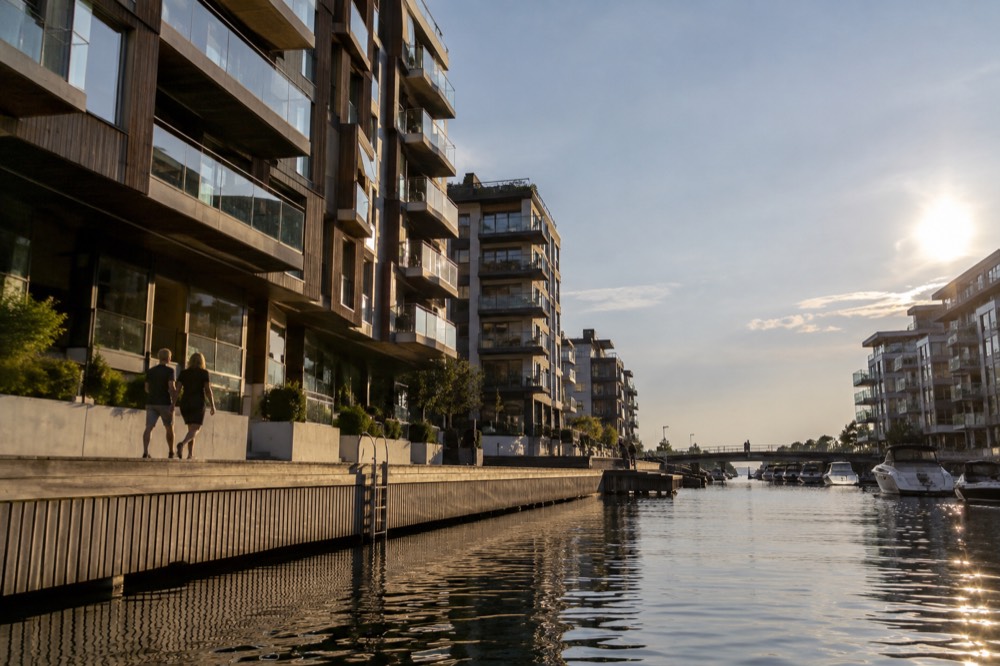
Tjuvholmen deserves its own visit even if it is a different flavor of trendy. The district was built on former dockland, and the architecture is dramatic glass and steel rather than painted brick. The Astrup Fearnley museum anchors it, the canals between the buildings give it a Venice-in-miniature feel, and in summer the small beach at the tip fills with swimmers. It is polished where Grünerløkka is scruffy, and expensive where Løkka is merely not-cheap. Our Tjuvholmen area guide covers it fully.
The east side beyond Løkka is where the trend cycle is currently working. Tøyen and Grønland, further along the Akerselva, have the immigrant food scene, the botanical garden and rents that young creatives can still pay. They are interesting and genuinely local, but a first-time visitor with two days should treat them as a second stop, not a substitute. The pattern is the same one Grünerløkka followed before them, and it is fair to say the crown moves along every so often.
Here is how the realistic options stack up for a short visit, with the honest trade-offs rather than the brochure version.
| If you want | Pick | Trade-off |
|---|---|---|
| Street life, vintage, nightlife | Grünerløkka | No fjord views, few grand sights |
| Galleries and waterfront design | Tjuvholmen | Pricier, less street-level grit |
| Food hall and architecture | Vulkan | Small; half a day covers it |
| Cheap eats and local life | Grønland / Tøyen | Rougher edges, fewer English menus |
| Fjord-side dining and promenade | Aker Brygge | Tourist-priced, chain-heavy |
Where to Stay If You Want to Be in the Trendy Part
Stay in Grünerløkka itself if being in the trendy district is the point of the trip: the hotels and apartments sit inside the same five-story blocks as the cafes, and you walk everywhere. Stay in the city center if you want the opera house, the main museums and the airport train on your doorstep, and cross the river for evenings. The compromise is the Barcode strip or Bjørvika, which puts you between the two.
The practical case for sleeping in Løkka is that the neighborhood is at its best in the morning and the evening, exactly the hours you only get if you are already there. The bakery queue at eight, the river run at seven, the bars filling at nine: a day-tripper catches the middle of the day, which is the least interesting part. The case against is price and availability, since the district has a limited hotel stock and much of the accommodation is apartments rather than full-service hotels. Our where to stay in Oslo guide breaks down the districts for every budget, and it treats Grünerløkka as the character pick rather than the value pick.
Getting there is trivial. Trams run the length of Thorvald Meyers gate, the metro's Grünerløkka-adjacent stations sit a short walk east, and the whole district is flat and walkable end to end in twenty minutes. From the center it is faster to walk across one of the river bridges than to wait for a tram. If you are arriving from Gardermoen, the airport trains reach Oslo S, and the Vy-run services are the ones the Oslo Pass covers, a detail worth knowing before you buy a 268 NOK Flytoget ticket without checking.
A guided walk of the center pairs well with this plan. The budget central walking tour with a local guide runs about two hours and is the cheapest credible guided option in the city, which makes it a sensible first morning before you decamp across the river. This site, Oslo Travel Guide, covers the transport and ticket mechanics elsewhere if you want the full picture before committing to an itinerary.
Common Questions About the Trendy District in Oslo
what is the trendy district in oslo?
Grünerløkka, east of the Akerselva river, is Oslo's trendy district. It concentrates the city's vintage shops, coffee roasters, street art, independent restaurants and nightlife in one walkable grid of old apartment blocks, anchored by the Mathallen food hall and the Vulkan development on the river.
Is Grünerløkka worth visiting?
Yes, for most visitors it is the most enjoyable couple of hours in the city outside the museums. The river path, the street art and the cafe strip need no tickets and no planning, and Mathallen makes eating easy. It is also where Oslo's nightlife is concentrated if you are staying out.
How do I get to Grünerløkka from the city center?
Walk. Crossing one of the bridges over the Akerselva from the center takes roughly fifteen minutes and the river path itself is the best approach. Trams also run along Thorvald Meyers gate, the neighborhood's main street, and the journey planner in the Ruter app covers all public transport in the city.
Is Grünerløkka expensive?
By Norwegian standards it is mid-range: cafe prices are normal for Oslo, vintage shopping is fairly priced, and the food hall lets you control spend by the dish. Alcohol is the outlier everywhere in Norway, at more than double the European average on Statistics Norway's price comparison, so budget accordingly for bars.
What is the difference between Grünerløkka and Vulkan?
Vulkan is a redevelopment inside Grünerløkka's edge: a former ironworks site on the river that now holds the Mathallen food hall, a hotel and cultural venues. Grünerløkka is the whole district; Vulkan is its most polished single block, and you walk through it naturally along the river path.
Which is trendier, Grünerløkka or Tjuvholmen?
Grünerløkka is trendier in the street-culture sense: vintage, street art, coffee and bars. Tjuvholmen is trendier in the design-and-money sense: gallery architecture, canals, waterfront restaurants and a small city beach. Visit both if time allows; they are a fifteen-minute walk apart through the center.