4 Days in Oslo: The Complete Itinerary
Four days is enough to see Oslo properly: the harbor, the museum peninsula, the fjord islands and the forest edge, without the rush a shorter visit forces on you.
Short answer
Four days in Oslo is the sweet spot: day one for the harbor and Opera House, day two for the Bygdøy museums, day three for the Oslofjord and its islands, day four for Holmenkollen, Vigeland Park and Grünerløkka. An Oslo Pass at 580 NOK for 24 hours covers the museum-heavy days, and the city center is compact enough to walk.
Four days changes what Oslo is. Two days gets you the harbor and a museum; three adds the fjord; four is the first length at which the city stops being a checklist and starts being a place. You get the full spread of things to do in Oslo, from the Opera House roof to a swim off a fjord island, without once sprinting for a tram.
This itinerary is built around a simple geometry: the water. Almost everything worth seeing in Oslo either sits on the inner Oslofjord or looks down on it, and the four days below follow that shoreline outward, then up the hill to the forest edge. Every price here is a real published figure in Norwegian kroner, because that is what you will actually pay at the door.
Is 4 Days in Oslo Enough Time?
Four days is more than enough for Oslo itself and it is the first length that makes the city feel unhurried. You can cover the harbor, the Bygdøy museums, an Oslofjord island or two, Holmenkollen and Vigeland Park in four days at a human pace, with a spare half day for weather or whim. Add a fifth day only if you want a day trip out of the city, and a fourth day in December is a different plan than a fourth day in July.
The honest comparison is with three days. Our 3 days in Oslo plan covers the same headline sights but it forces a choice on day three: fjord or forest, islands or museums. Four days dissolves that choice. You do both, and you still have an evening left for Grünerløkka or Aker Brygge.
What four days does not buy you is Norway. The fjords people picture when they book this trip, the Sognefjord and the Geirangerfjord, are full-day rail-and-boat journeys away. If those are the reason you are flying to Scandinavia, plan Oslo as a city stop and give the west coast its own block of days. Oslo's own fjord, the Oslofjord, is a working waterway with swim-ready islands, not a cliff-walled icon, and it rewards exactly the kind of slow day this itinerary gives it.
Day 1: The Harbor, the Opera House and the City Center
Spend day one entirely on foot around the inner harbor: the Opera House roof, Karl Johans gate, Akershus Fortress and Aker Brygge, all inside a two-kilometer loop that needs no ticket except at Akershus. Start at the Opera House at 10:00, walk the marble roof for free, and finish the day on the Aker Brygge waterfront as the boats come in. Every sight on this day is within a 15-minute walk of the next.
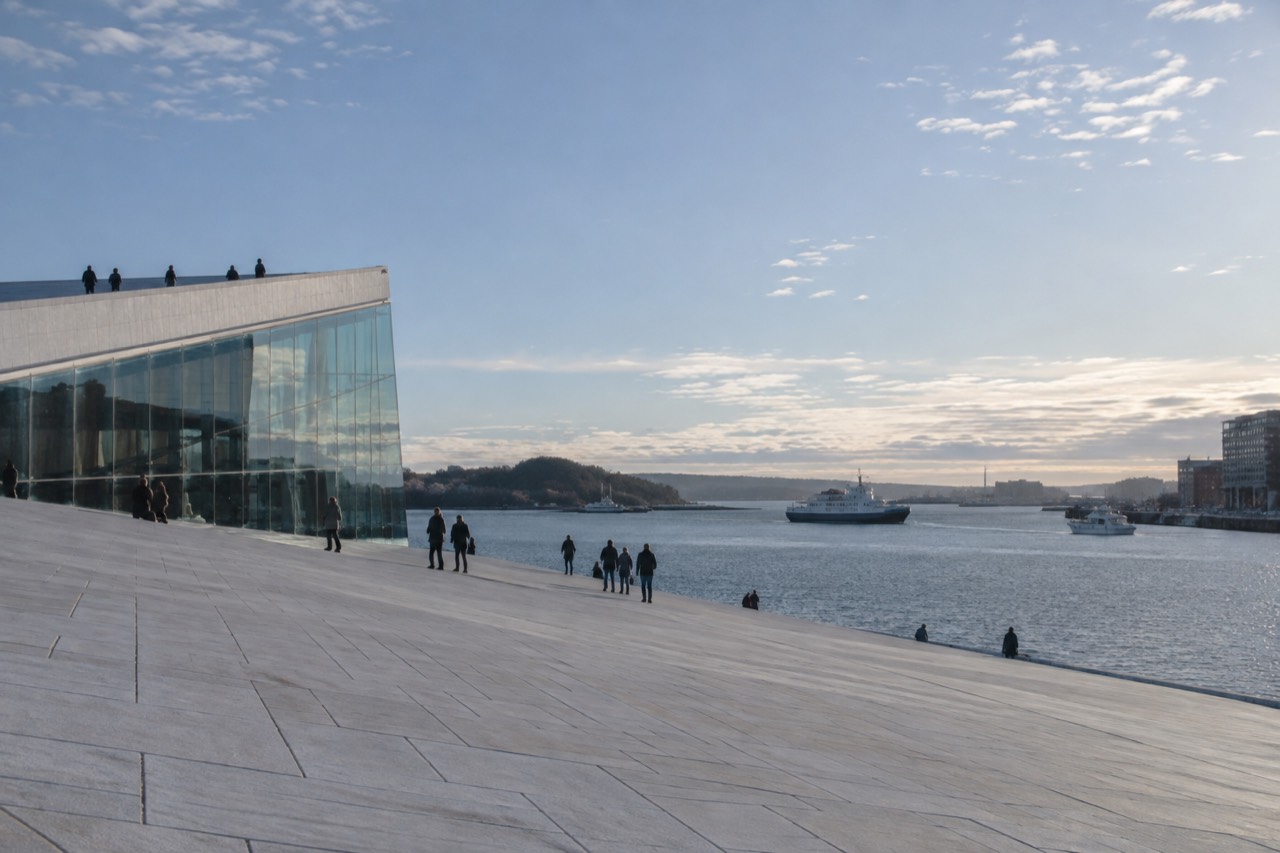
The Oslo Opera House is the correct first stop for one reason: the roof. It is public, free, and open whenever the building is, sloping straight into the water like a glacier tongue. On a clear morning the view back across the fjord, with the Barcode towers on one side and Akershus on the other, is the single best free orientation the city offers. Give it 30 minutes.
From there, walk west along the water past the Munch Museum, which holds Edvard Munch's own bequest and costs 280 NOK for an adult, or 200 NOK after 18:00 on the days it runs late. If art is the point of your trip, put MUNCH here on day one; if it is not, note it and move on, because day two is the museum day and you do not want to double up.
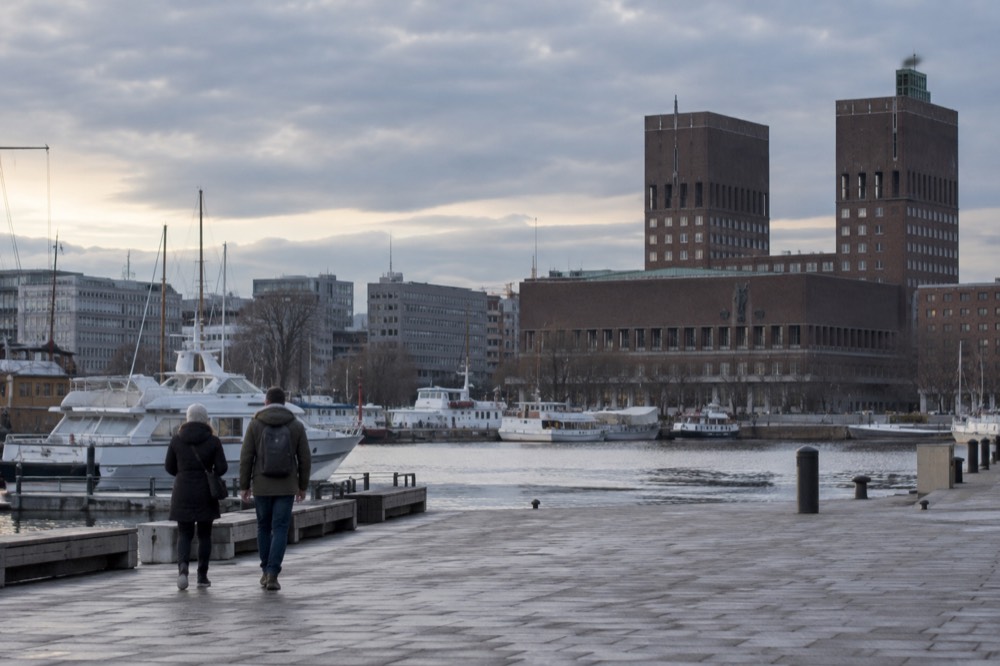
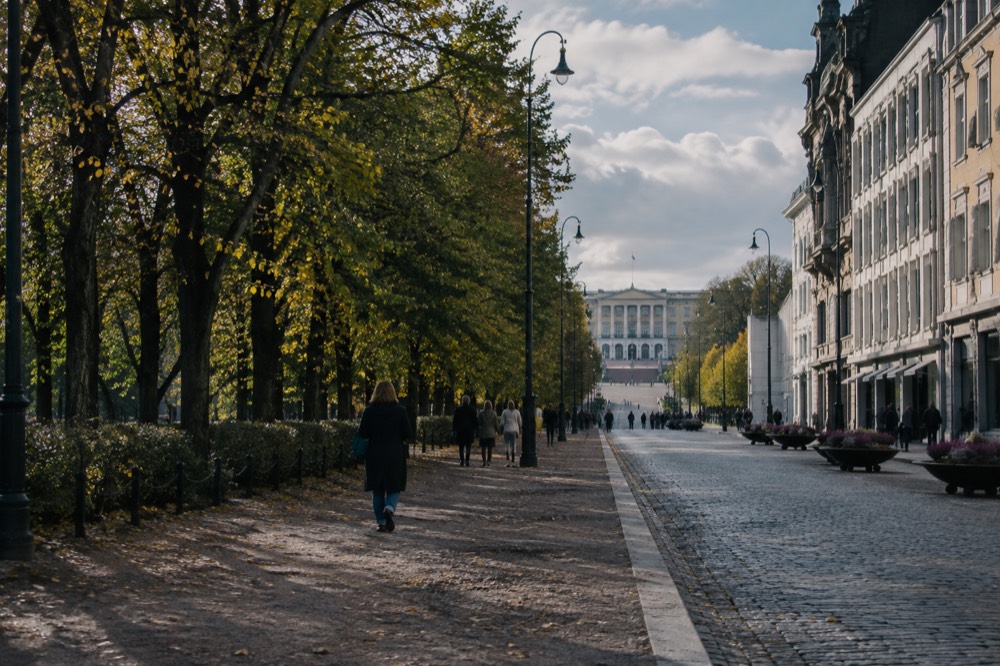
Karl Johans gate, the processional street running from Central Station to the Royal Palace, takes 20 minutes to walk and an hour to actually look at. The Royal Palace grounds at the top end are free to wander, and the changing of the guard happens daily. On the way back down, detour south to Akershus Fortress, the medieval castle guarding the harbor neck, where the grounds are free and the museums inside charge admission.
End the day at Aker Brygge, the converted shipyard that is now Oslo's waterfront restaurant strip. This is the most expensive place to eat dinner in a city where Statistics Norway's 2025 price survey puts household prices 28.6 percent above the EU average, so either budget for it deliberately or treat it as a walk and eat one neighborhood inland.
If walking the whole loop sounds like too much for arrival day, a bus ticket solves it. The hop-on hop-off sightseeing bus covers the same downtown anchors with commentary, and for visitors who want the city explained rather than just seen, the full-day bus and fjord combination does the whole loop plus a boat in one booked package.
Day 2: The Bygdøy Museum Peninsula
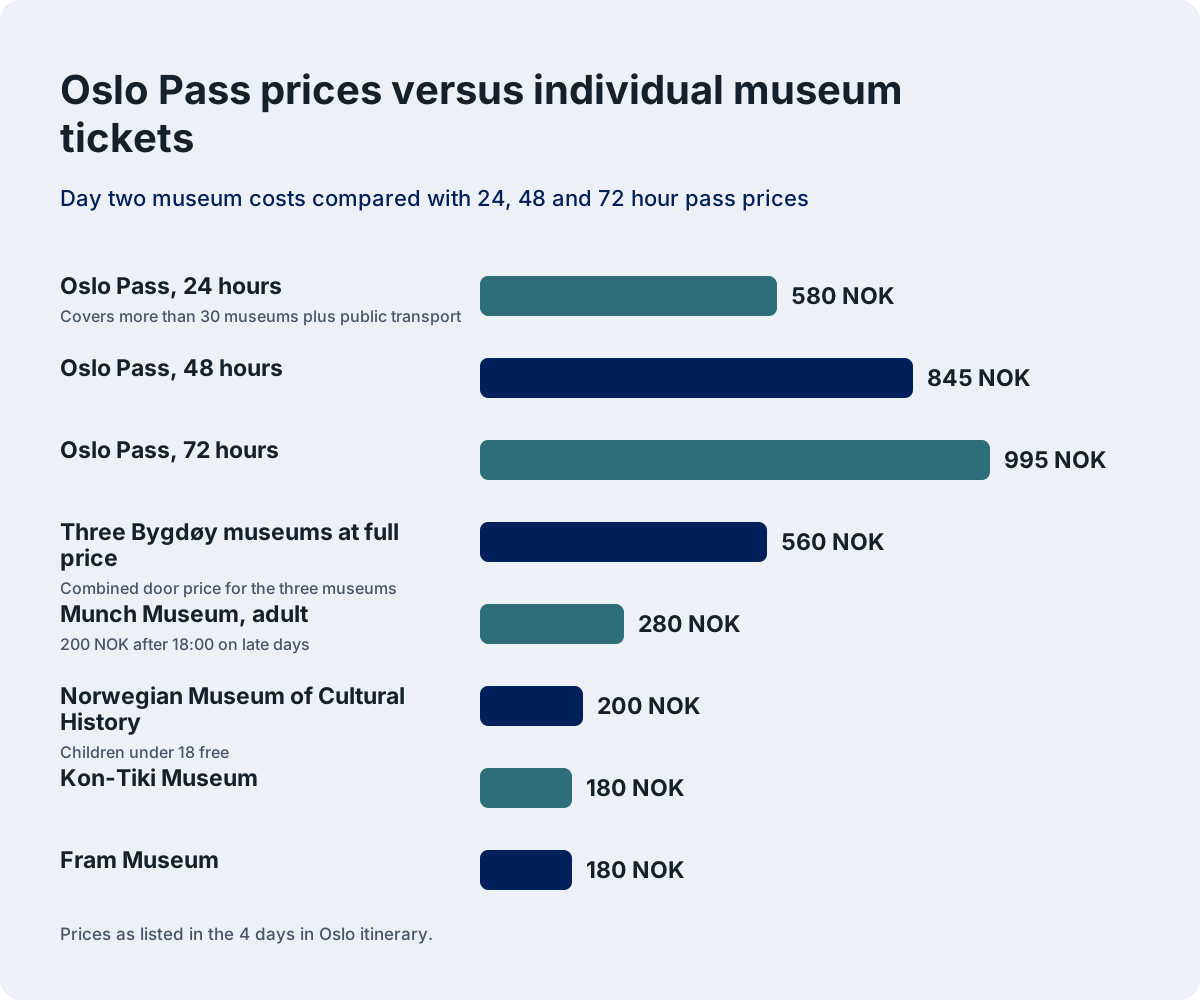
Day two belongs to Bygdøy, the museum peninsula, where the Fram Museum, the Kon-Tiki Museum and the Norwegian Museum of Cultural History sit within a 20-minute walk of each other. Take the seasonal ferry from Rådhusbrygge 3, about 70 NOK one way and included with an Oslo Pass, or bus 30 year-round on an ordinary ticket. Three museums at full price total 560 NOK, against a 580 NOK 24-hour Oslo Pass that also covers the ferry and all transport.
This is the day the Oslo Pass math actually works. The pass, run by the city tourist board, costs 580 NOK for 24 hours, 845 NOK for 48 hours and 995 NOK for 72 hours, and it includes entry to more than 30 museums plus public transport across Ruter zones 1, 2, 3, 4V and 4N. Three Bygdøy museums alone at the door would cost 560 NOK, and the pass also carries you there and back. Our full is the Oslo Pass worth it breakdown runs the numbers across longer stays, but for this single day the pass wins unless you only visit one museum.
The ferry detail matters more than most guides admit. The Bygdøy ferry and the Oslofjord island ferries are two different systems with two different ticket rules, leaving from two different piers. The Bygdøy boat leaves Rådhusbrygge 3, runs every 20 minutes in season, takes about 10 minutes to the first stop, and does not accept ordinary Ruter tickets, though the Oslo Pass covers it. Out of season, roughly 14 March to 4 October is the 2026 window, bus 30 from Nationaltheatret serves the peninsula year-round on a normal ticket.
The museums themselves cluster at two stops. Dronningen serves the Norwegian Museum of Cultural History, the open-air collection of stave churches and farm buildings at 200 NOK with children under 18 free. Bygdøynes serves the Kon-Tiki Museum and the Fram Museum, both 180 NOK, standing a few hundred meters apart on the water. Kon-Tiki and Fram also sell a joint ticket at 325 NOK, or 485 NOK with the Maritime Museum added, which is worth it only if you will genuinely do all three.
One honest warning before you plan day two around Vikings: the Museum of the Viking Age, the old Viking Ship Museum, is closed and has been since 2021. The museum's own statement is that it will reopen as the Museum of the Viking Age in 2027, and no more precise date is confirmed. The search term still carries enormous traffic pointing at a shut building, so if you have read otherwise, check the museum's own site before you build a day around it. Viking Planet, a VR-based Viking experience in the city center, is the bookable substitute, and the Historical Museum holds real Viking-age objects.
Day 3: The Oslofjord and Its Islands
Day three is the Oslofjord day, and it is the day that surprises people. The public ferries B1 and B2 leave from Aker brygge on an ordinary Ruter ticket, no surcharge, and put you on car-free islands with monastery ruins, swimming beaches and free camping within 15 minutes of the city center. Pair a morning island trip with an afternoon or evening fjord cruise, and you have seen the water from both a local and a visitor angle.
The island ferries are the opposite of the Bygdøy boat in every way that matters. They are ordinary Ruter public transport: your zone 1 ticket, the same one that carries a tram, carries the B1 to Hovedøya, Lindøya, Gressholmen, Bleikøya and Nakholmen year-round, with the B2 running on to Langøyene in summer. They leave from Aker brygge, not Rådhusbrygge. Mixing up the two piers is the single most common way visitors lose an hour in Oslo.
Øya, the first stop, holds the ruined Cistercian abbey and a loop that takes under an hour. Langøyene is the swimming and camping island, with the best beaches in the inner fjord, and summer water temperatures typically sit between 15 and 20 °C (59–68 °F), which is bracing rather than warm. Hovedøya and Gressholmen are picnic islands. Any of them can absorb a half day if the weather holds, and none of them needs booking, a plan or more than the ferry timetable.
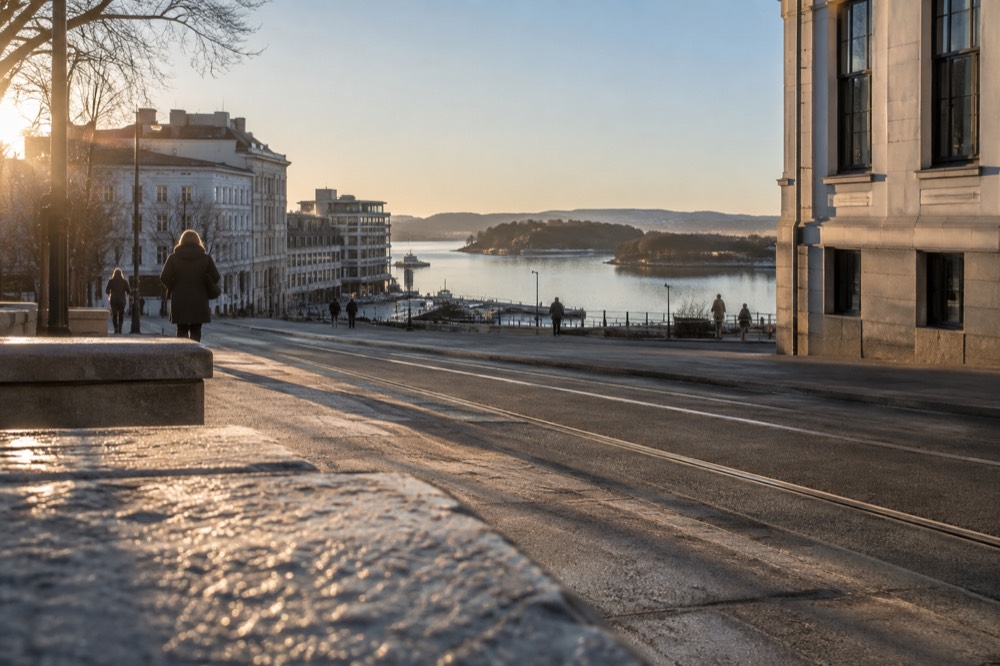
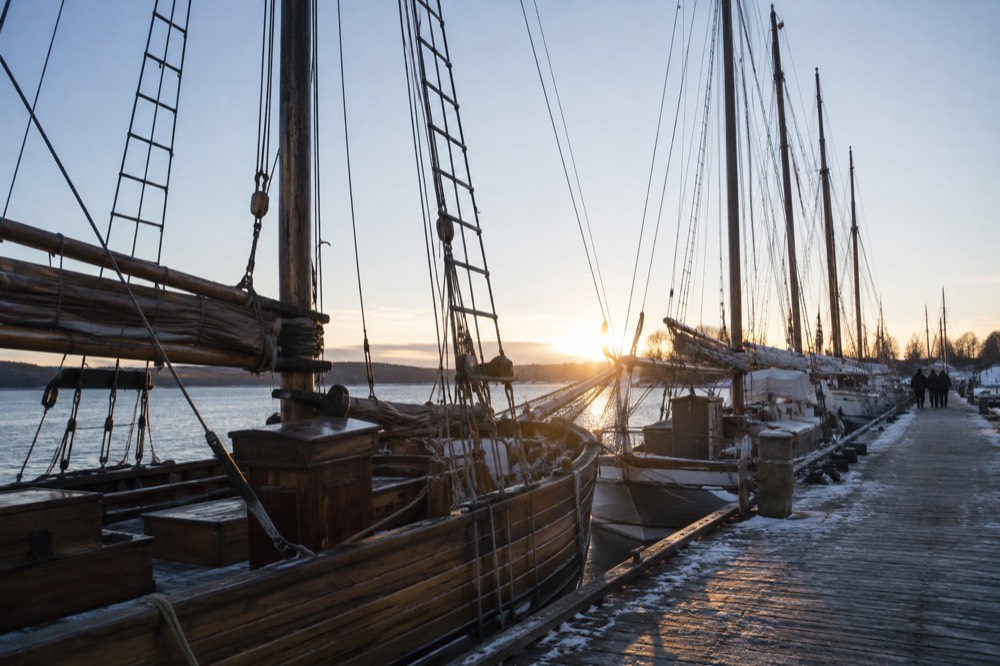
For the visitor angle, Oslo's fjord cruises are the strongest-reviewed activities in the city, and there is a genuine choice of format. The silent electric boat with audio guide is the default first fjord trip: it is the single best-reviewed activity in Oslo across the major booking platforms, running 90 minutes from the city center. The traditional wooden sailing ship is a different animal entirely, two hours under canvas with the same fjord underneath, and the guided premium silent boat is the higher-end, live-guide version of the electric trip. Our Oslofjord cruise guide compares them in full.
If you would rather the islands came with a plan, the ferry-and-foot island hopping tour does the routing and the guiding for you, and the full-day five-island boat tour is the whole-archipelago version for a day you are willing to give completely to the water.
Evening options on the water are real too. The shrimp-buffet evening cruise is a Norwegian institution rather than a generic dinner boat, three hours with a peel-your-own shrimp table as the city slides past. It is not cheap, but as a single splurge on a four-day trip it is the one most worth making.
Day 4: Holmenkollen, Vigeland Park and Grünerløkka
Day four goes up and then east: the T-bane to Holmenkollen and the ski jump in the morning, Vigeland Park on the way back down, and Grünerløkka for the afternoon and dinner. The ski museum and jump tower cost 195 NOK, Vigeland Park is free and open around the clock, and Grünerløkka is the neighborhood where Oslo stops performing for visitors.
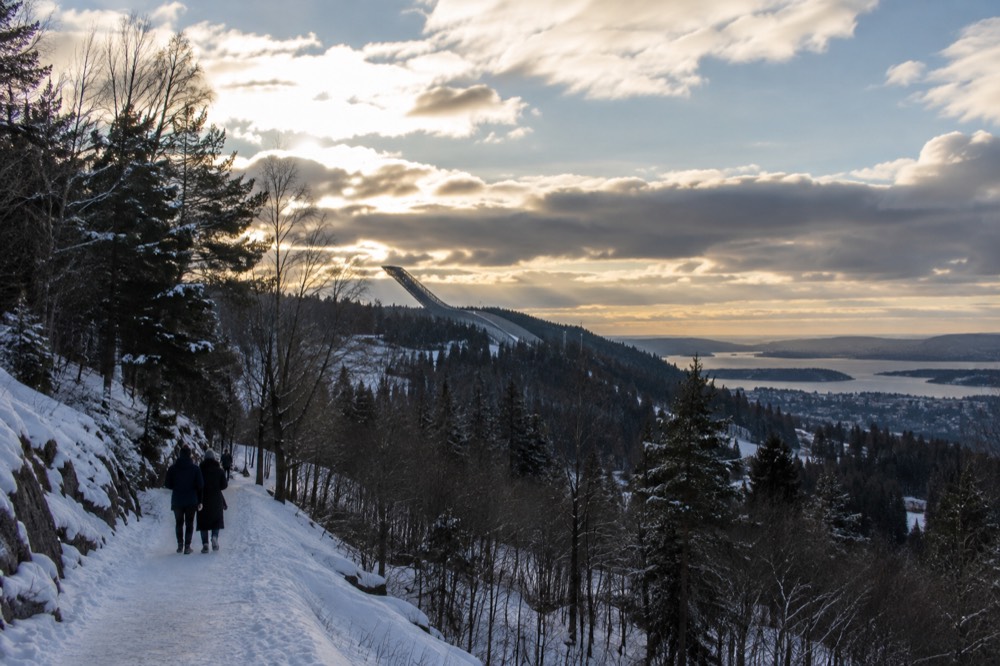
The Holmenkollen trip is a 20-minute metro ride on Line 1 from the center, and it is the only reliable way to reach the jump and Vigeland Park in one half-day without a car, which is why the half-day bus tour that combines them is popular. The ski museum and the jump tower together cost 195 NOK, and the tower view over the whole fjord basin is the best in the city that you pay for. In winter you can add the Korketrekkeren toboggan run; in summer the trails around Nordmarka begin right there.
Vigeland Park is the counterweight: genuinely free, open 24 hours a day all year, no ticket, more than 200 granite and bronze sculptures by Gustav Vigeland arranged along a single monumental axis. It is Oslo's most visited sight and it costs nothing, which in this city is worth saying twice. The separate Vigeland Museum charges 120 NOK, and the two are easy to confuse in a sentence, so keep them apart. The wider set of guides lives on Oslo Travel Guide.
After the hill, spend the rest of the day in Grünerløkka, the former workers' district east of the river that is now the city's coffee, vintage and street-art neighborhood. Walk the Akerselva river path down through it, which is the closest thing Oslo has to an urban hike, and end at Mathallen, the indoor food hall, for dinner. If your four days fall between October and March, swap the evening for the myths-and-legends evening walk, the dark-season product the city genuinely needs when daylight is short.
What Does 4 Days in Oslo Cost?
Budget roughly 5,500 to 9,000 NOK per person for four days in Oslo excluding flights and accommodation, with the spread driven almost entirely by restaurants and alcohol. Museums and transport are not where the money goes: a 72-hour Oslo Pass at 995 NOK covers most entry fees and all local transport, while Statistics Norway puts alcohol and tobacco at more than double the European average and food at 33 percent above it.
The cost structure of Oslo is lopsided, and knowing where the money actually goes is the difference between a trip that feels expensive and one that does not. The outdoors is free, the museums are mid-range by European capital standards, and the restaurants, bars and any drink stronger than supermarket beer are where a budget dies. Our is Oslo expensive analysis runs the full numbers; the table below is the four-day version.
| Item | Typical cost (NOK) | Notes |
|---|---|---|
| Oslo Pass 72h | 995 | 30+ museums, all Ruter transport, Vy airport train |
| Oslo Pass 24h | 580 | Enough for the Bygdøy day alone |
| MUNCH adult entry | 280 | 200 NOK after 18:00 on late days |
| Kon-Tiki + Fram joint ticket | 325 | Both museums, bought together |
| Holmenkollen museum + tower | 195 | Best paid view in the city |
| Fjord cruise (electric boat) | from $46.29 | 90 minutes, audio guide |
| Vigeland Park | 0 | Free, open 24 hours |
| Island ferry (B1/B2) | Ordinary Ruter ticket | Zone 1, same as a tram |
Two structural facts do more damage to a budget than any museum. Vinmonopolet, the state monopoly, is the only place to buy wine and spirits, it closes on Sundays and public holidays, and it shuts early on Saturdays. Supermarkets sell beer only, up to 4.7 percent, and stop at a fixed evening hour. Arriving visitors buying at the airport duty-free are not being thrifty so much as reading the rules correctly.
Where Should You Stay for a 4-Day Visit?
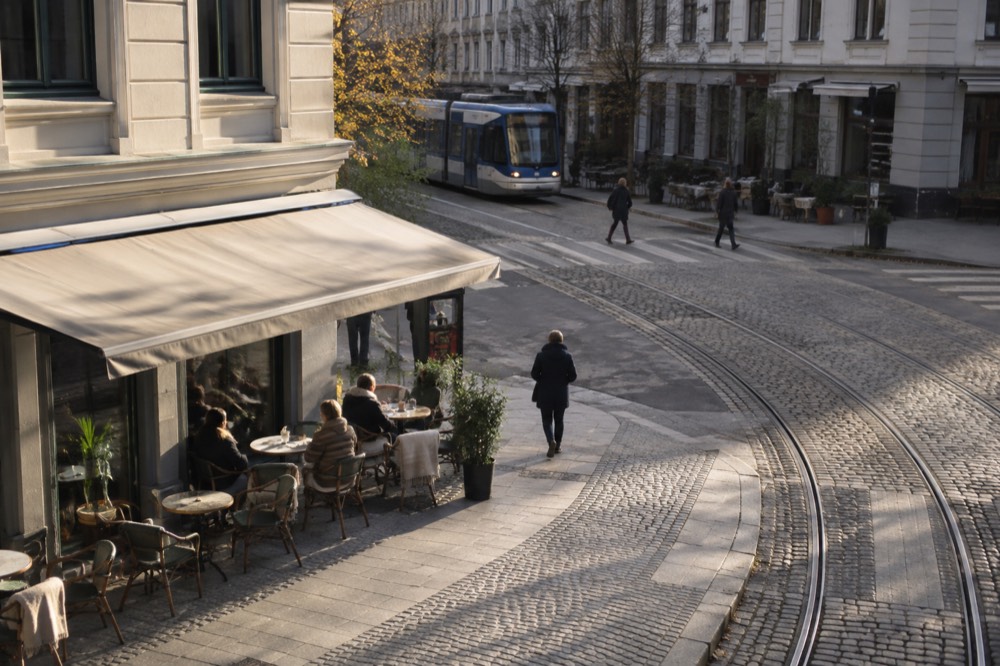
Stay in the center-west strip between Nationaltheatret and Aker Brygge, or on the east side around Grünerløkka and Tøyen, and split the difference only if the price gap pays for it. For a four-day itinerary built on the harbor, the ferry piers and two metro lines, anywhere inside Ruter zone 1 puts every element of this plan within 30 minutes of your door, so the decision is about price and noise, not geography.
The practical geography is small. Central Oslo between the Royal Palace and the Barcode district is a 25-minute walk end to end, and both ferry systems leave from piers inside it. Our full where to stay in Oslo guide covers the neighborhoods in depth, but for this itinerary the short version is: Frogner and Majorstuen are quiet and walkable, Grünerløkka is where the evenings are, and the Sentrum strip around Karl Johans gate trades character for a location that puts day one entirely on foot.
One thing not to overthink for a four-day trip: the airport. Oslo Airport Gardermoen is 50 km out at Ruter zone 4N, and the Flytoget airport express costs 268 NOK one way for a 20-minute ride. The Vy regional train does the same run in about 23 minutes on an ordinary Ruter multi-zone ticket, and the Oslo Pass covers it outright. Our Flytoget vs Vy comparison covers the mechanics; the short version is that the three-minute difference is the cheapest thing in Oslo.
When Is the Best Time for This 4-Day Itinerary?
May through September is the window where every element of this itinerary works, because the Bygdøy ferry, the B2 island ferry and the evening cruises all run in that season and Vigeland Park and the islands are at their best. Winter runs a different but genuinely good version of the same four days, trading the water for the ski jump, snowshoeing in Nordmarka and a torchlit forest walk, on about six hours of daylight in late December.
The daylight swing is the planning fact most visitors underestimate. Oslo sits at 59.91 degrees north, and its day length runs from 18 hours 50 minutes on 21 June down to 5 hours 53 minutes on 21 December, a factor of more than three. There is no midnight sun at this latitude, but in late June the sun sets at 22:43 and the sky never reaches true darkness, while in late December it rises at 09:18 and sets at 15:11. A four-day plan that assumes evening sightseeing works in one season and fails completely in the other.
| Month | Mean temp | Precipitation | Itinerary notes |
|---|---|---|---|
| January | −2.3 °C | 58 mm | Winter version: snow, six hours of daylight |
| March | 1.3 °C | 41 mm | Bygdøy ferry season opens mid-month |
| May | 11.4 °C | 60 mm | All ferries running, islands green |
| July | 17.7 °C | 87 mm | Warmest, busiest, water 15–20 °C |
| August | 16.5 °C | 103 mm | Wettest month on the normals, plan indoors cover |
| October | 6.6 °C | 93 mm | B2 island ferry ends mid-October |
| December | −1.4 °C | 54 mm | Christmas market, torchlit walks, snow |
One inversion worth carrying: August, not November, is Oslo's wettest month on the 1991–2020 normals, at 103 mm. A four-day August visit is the one most likely to need its rainy-day fallback, and the city has good ones, from MUNCH to the Paradox Museum to the National Museum, which holds The Scream.
How Do You Get Around During the 4 Days?
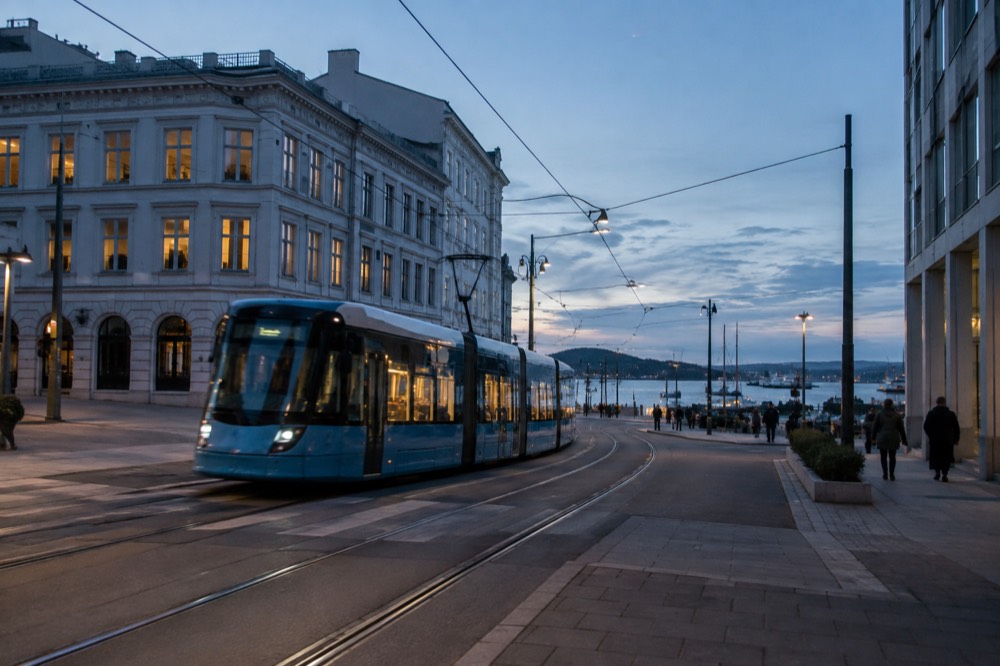
You walk, you take the T-bane twice, and you take boats: that is the entire transport footprint of this itinerary. Everything on day one is on foot, days two and three are ferry-based from two different central piers, and day four uses metro Line 1 to Holmenkollen. A single Ruter zone 1 ticket covers the metro, trams, buses and island ferries, and it is valid for 60 minutes from activation.
Oslo's transport is one system with one ticket. Ruter runs the metro, trams, buses and the island ferries, and a ticket is priced by zones crossed: central Oslo and the entire metro network sit inside zone 1, and the airport sits out in zone 4N. Buy in the Ruter app, because buying on board a bus or boat costs more. The full mechanics, including the validity windows, are in our getting around Oslo and Ruter tickets guides.
| Leg | Mode | Ticket |
|---|---|---|
| Day 1 loop | On foot | None |
| Center to Bygdøy | Ferry from Rådhusbrygge 3 | 70 NOK one way, or Oslo Pass |
| Center to Bygdøy (off-season) | Bus 30 | Ordinary Ruter ticket |
| Aker brygge to islands | Ferry B1/B2 | Ordinary Ruter ticket |
| Center to Holmenkollen | T-bane Line 1 | Ordinary Ruter ticket |
| Airport to center | Vy train or Flytoget | Ruter multi-zone, or 268 NOK |
The one ticketing trap left is the Bygdøy ferry, and by now you know it: Ruter tickets are not valid on it, the Oslo Pass is, and bus 30 is the year-round fallback. Everything else in these four days rides on tickets you buy once in an app and forget about.
What If the Weather Turns During Your 4 Days?
Swap the water day, not the whole plan: Oslo's rainy-day bench is deep enough to absorb a washout. The National Museum, MUNCH, the Paradox Museum and the Historical Museum can fill any number of wet afternoons, the Kon-Tiki and Fram museums are fully indoors, and the city's best rainy-day ticket is a deliberate reshuffle rather than a loss. The only genuinely weather-dependent items are the island beaches, the evening cruises and the Vigeland Park walk.
Our rainy day in Oslo guide is the full playbook, but the four-day version is simple. Move the fjord cruise to the clearer of your two water days, hold the Bygdøy day as-is since three of its museums are indoors, and push the islands to day four if day three drowns. Norwegian summer rain is usually a front that passes in hours rather than a day that is written off.
The deeper point is that this itinerary has slack built in on purpose. Four days for a city this size is not tight, and the plan above leaves every afternoon after 16:00 unallocated. Use it. The worst outcome of a rainy afternoon in Oslo is not a ruined day, it is an unplanned 280 NOK museum you walk past and into, which is a perfectly good way to spend one.
Whether you take the bus, the boat or the metro to each of these days, the shape of a four-day Oslo visit holds: harbor, peninsula, fjord, hill. This site, Oslo Travel Guide, keeps every price and schedule on these pages checked against the operators' own published figures, so the numbers above are the ones you will actually meet at the door.
Common Questions About 4 Days in Oslo
Is 4 days in Oslo too much?
No. Four days is the first length that covers the harbor, the Bygdøy museums, the Oslofjord islands and Holmenkollen without rushing, with a spare half day left over. It is only too much if you would rather trade one of those days for a fjord day trip out of the city.
What is the best month for 4 days in Oslo?
May through September, when the Bygdøy ferry and the summer island ferries are running. July is warmest at a 17.7 °C normal mean and August is the wettest month at 103 mm, so June or early September often gives the best balance of weather and crowds.
Is the Oslo Pass worth it for 4 days?
Usually yes. A 72-hour pass at 995 NOK covers more than 30 museums and all public transport including the Bygdøy ferry and the Vy airport train, and the Bygdøy day alone nearly breaks even at the door prices. Buy the 24-hour version at 580 NOK if you only want it for one museum-heavy day.
Can you see the Viking ships in Oslo?
No. The Museum of the Viking Age on Bygdøy is closed for rebuilding and is scheduled to reopen in 2027, with no confirmed month. Viking-age objects are on display at the Historical Museum in the city center, and Viking Planet offers a VR-based alternative.
Do you need a car for 4 days in Oslo?
No. This entire itinerary runs on foot, two metro rides and the ferries. A car costs money to park in a city where the center is walkable, the ferries leave from central piers and the airport train runs every 10 minutes.
How much money do you need for 4 days in Oslo?
Roughly 5,500 to 9,000 NOK per person excluding flights and accommodation. Museums and transport are the cheap part; restaurants and alcohol are where the budget goes, with alcohol and tobacco more than double the European average on Statistics Norway's 2025 comparison.