What Oslo Is Known for: Fjord Cruises, Viking Ships and Winter Light
Ask ten people what Oslo is known for and you will get ten different answers: the fjord, The Scream, Viking ships, the Nobel Peace Prize, cross-country skiing in the dark. All of them are right, and the city is small enough that you can check most of them off in a weekend.
Short answer
Oslo is known for the Oslofjord and its boat trips, the Viking and polar exploration museums on Bygdøy, Edvard Munch's The Scream at the National Museum, the free Vigeland sculpture park, winter skiing inside the city limits and a serious coffee culture. Museum entry runs 180 to 280 NOK for adults, and the fjord itself costs nothing to look at.
What Is Oslo Known For?
Oslo is known for five things above all: the Oslofjord that cuts through the city, the Viking and polar exploration museums on the Bygdøy peninsula, Edvard Munch's The Scream, the free Vigeland sculpture park, and a winter culture where you can ski inside the city limits. It is also known for being expensive, partly true, and for the Nobel Peace Prize, which is awarded here every December.
That list is short for a capital city of roughly 700,000 people, and that compactness is the point. You can walk from the parliament building to the Opera House roof in fifteen minutes, take a boat to a car-free island in twenty, and be on a groomed ski trail at Frognerseteren forty minutes after leaving your hotel. Few capitals pack a fjord, a forest and a working harbor into a space this walkable.
What Oslo is not known for matters too. It is not a medieval old town like Tallinn or a canal city like Amsterdam; the fires of the seventeenth century and the twentieth-century redevelopment of Bjørvika saw to that. Its fame rests on museums, water and outdoor life rather than on picturesque streets. The full spread of sights is on our things to do in Oslo page; this guide is about the underlying identity.
| What Oslo is known for | What it actually is | Where |
|---|---|---|
| The Oslofjord | A 100 km inlet of the Skagerrak, with islands you can reach on a regular transit ticket | City center piers |
| Viking history | Ships and artifacts, mostly at the Historical Museum while the Museum of the Viking Age is rebuilt | Bygdøy and city center |
| Polar exploration | The Fram and Kon-Tiki museums, two of the world's great expedition collections | Bygdøynes |
| The Scream | Munch's iconic painting, held by the National Museum | Nasjonalmuseet |
| Vigeland Park | Over 200 sculptures in bronze and granite, free, open 24 hours | Frogner |
| Winter and skiing | Groomed Nordic trails and a ski jump inside the city | Nordmarka and Holmenkollen |
Why Is the Oslofjord Central to Oslo's Identity?
The Oslofjord is the reason Oslo exists where it does, and it still shapes daily life: ferries to swimming islands run on ordinary transit tickets, museum boats leave from the City Hall pier, and the harbor front is the city's living room. No other European capital has this combination of deep water, forested islands and public access. The fjord is not scenery you visit, it is infrastructure you use.
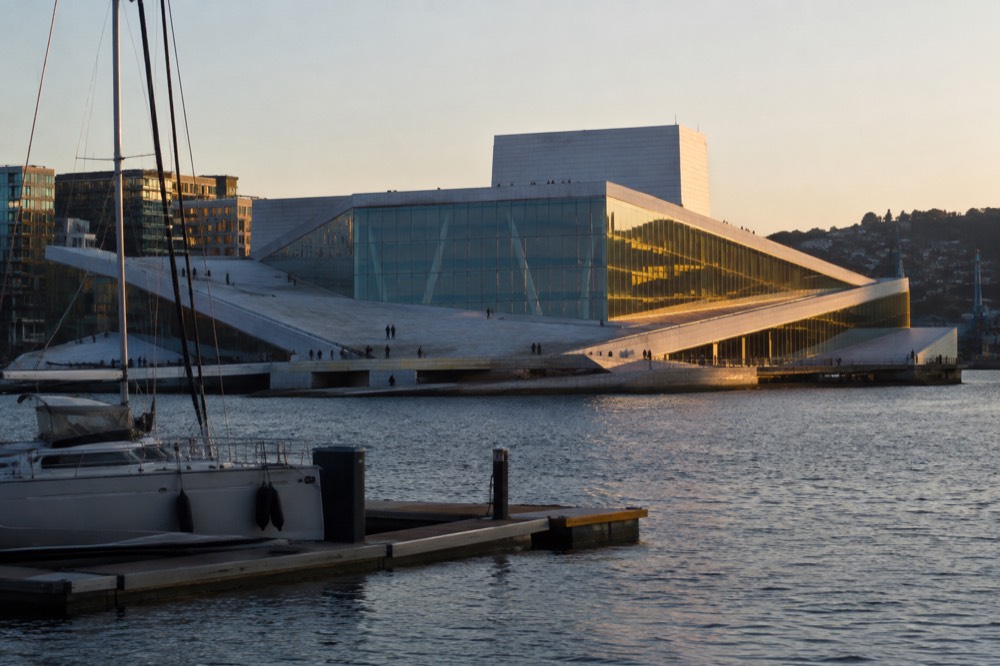
The city faces the water rather than turning its back on it. Aker Brygge, the old shipyard turned waterfront district, lines the inner harbor with restaurants and apartment blocks. The Opera House slopes straight down into the sea, its marble roof walkable and free. On the other side of the bay at Bjørvika sits MUNCH, the museum that now anchors the regenerated barcode district.
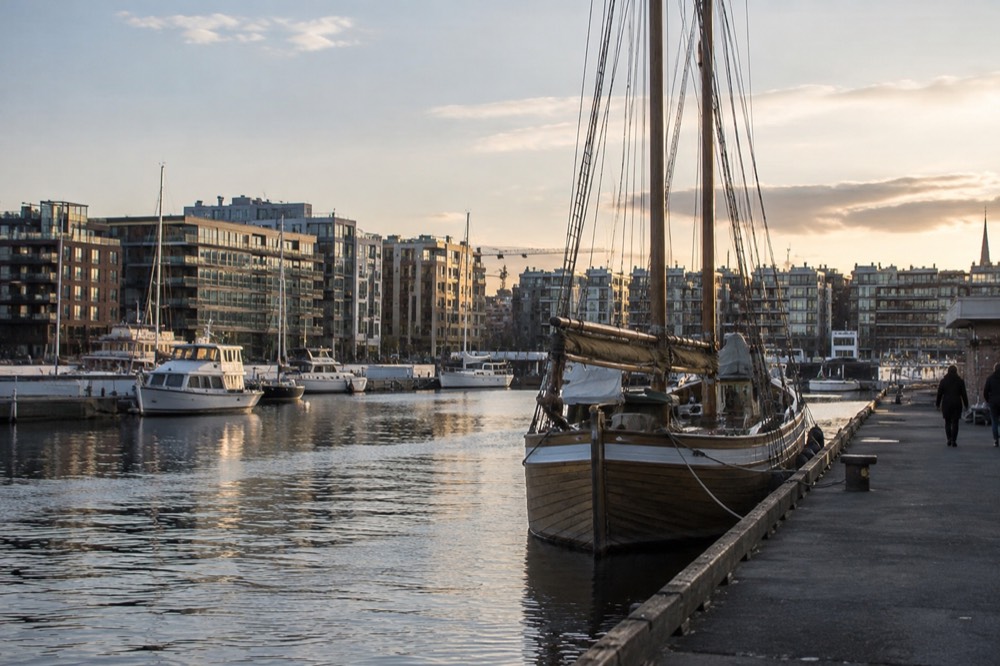
Two different boat systems run from the center, and mixing them up is the classic visitor mistake. The Bygdøy museum ferry leaves Rådhusbrygge 3, runs seasonally from mid-March to early October, costs about 70 NOK one way and is included with the Oslo Pass but not with regular Ruter tickets. The island ferries B1, B1X and B2 leave from the Aker brygge piers, run year-round on line B1, and ride on an ordinary zone 1 ticket with no surcharge. Hovedøya with its ruined Cistercian abbey is ten minutes from the center. Our Oslofjord cruise guide covers the sightseeing boats in detail.
The bookable side of the fjord is strong too. The silent electric boat with audio commentary is the single best-reviewed activity in the city, a 90-minute loop that covers the inner fjord without engine noise. The traditional wooden sailing ship covers similar water with canvas, shrimps and a completely different mood. For a full day, the ferry-and-foot island hopping tour and the five-island boat tour go further out.
If you only do one fjord thing, make it the electric boat: it is the product the city is proudest of, and you can read more on the silent electric fjord cruise tour page. Check availability
| Fjord product | Type | Duration |
|---|---|---|
| Silent Electric Boat, Audio Guide | Sightseeing cruise | 1h 30m |
| Traditional Wooden Sailing Ship | Sailing cruise | 2h |
| Evening Cruise, Shrimp Buffet | Dinner cruise | 3h |
| Ferry-and-Foot Island Hopping | Guided island walk | 195 minutes |
| Full-Day Five-Island Boat Tour | Island cruise | 6h |
Which Museums Make Oslo Famous?
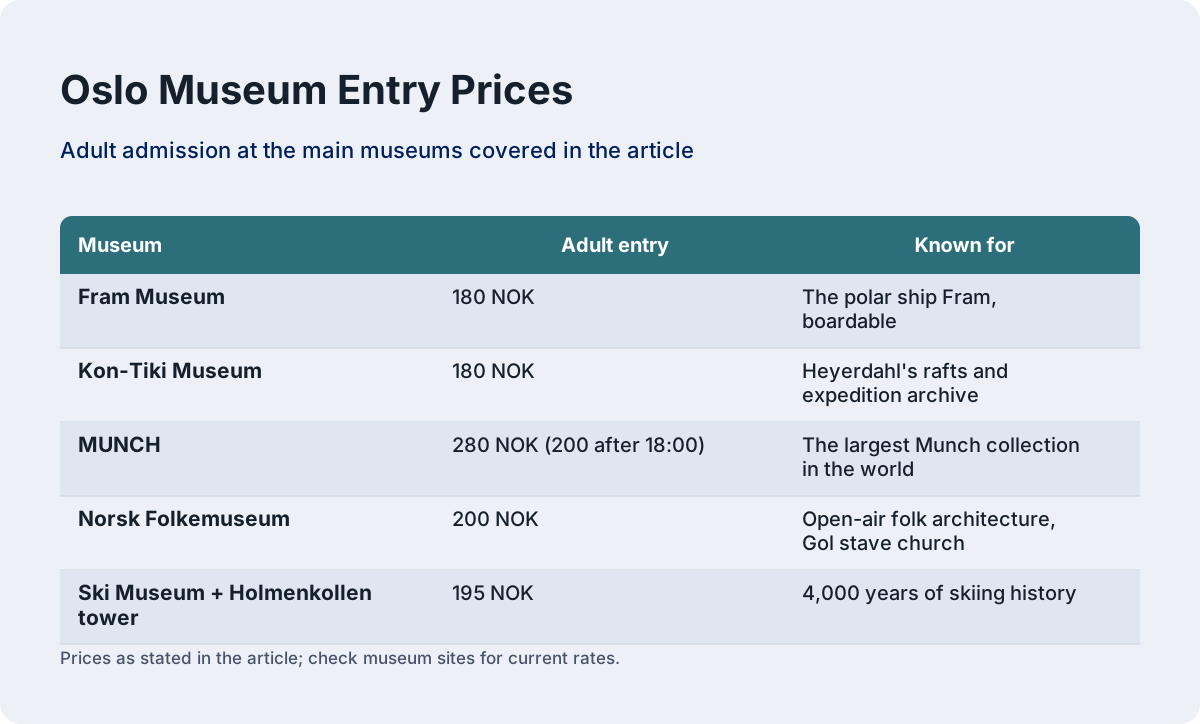
Oslo's museum fame rests on three pillars: Viking history, polar exploration and Edvard Munch. The Fram and Kon-Tiki museums on Bygdøy hold the actual ships from the great Norwegian expeditions, the National Museum holds The Scream, and MUNCH holds the largest single collection of the painter's work. Adult admission runs 180 NOK at the Bygdøy museums and 280 NOK at MUNCH.
The polar pair is the strongest one-two punch. The Fram Museum is built around the ship Fridtjof Nansen sailed into the Arctic ice, and you can walk aboard it. Next door, the Kon-Tiki Museum holds Thor Heyerdahl's balsa raft from the 1947 Pacific crossing. Together they cost 325 NOK on a combination ticket, and both are covered by the Oslo Pass. Our Fram Museum guide and Kon-Tiki Museum guide cover what to expect.
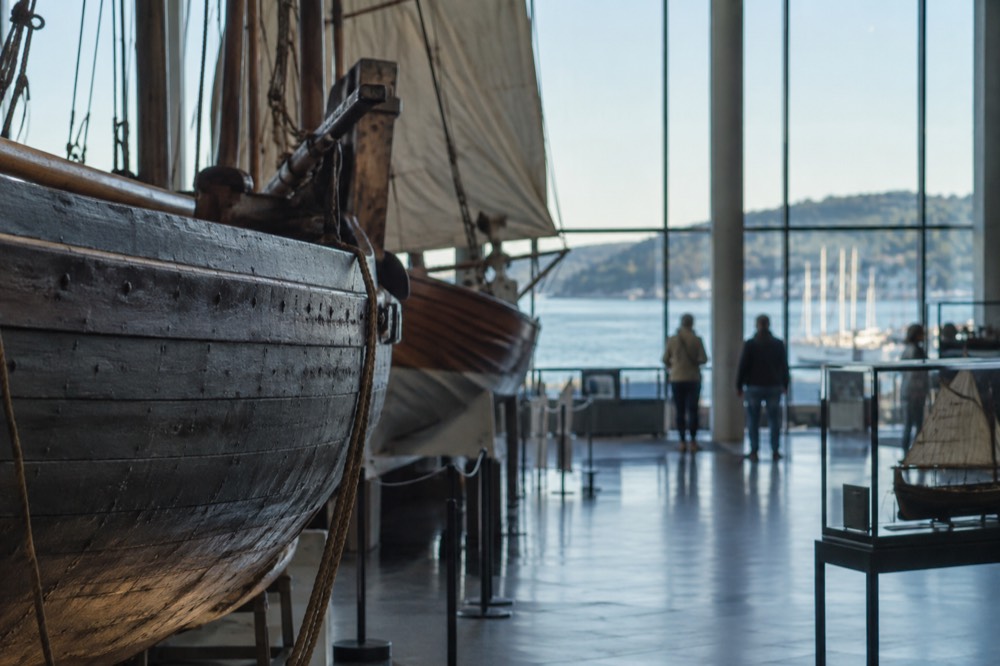
The Viking story is in transition, and most guides get it wrong. The old Viking Ship Museum closed in October 2021 and will reopen as the Museum of the Viking Age in 2027; until then, Viking Age objects are on display at the Historical Museum in the city center. Anyone selling you a Viking Ship Museum ticket today is selling a closed building. The honest bookable substitute is Viking Planet, an immersive Viking experience near the Royal Palace. The full story is on our Museum of the Viking Age page.
Munch is the third pillar. The National Museum's collection includes The Scream, the most recognizable image in Norwegian art. MUNCH, the purpose-built museum at Bjørvika, holds a rotating selection from the world's largest Munch collection; entry is 280 NOK for adults, 200 NOK after 18:00, and free for anyone 17 or under. Our MUNCH museum guide explains the split between the two institutions.
| Museum | Adult entry | Known for |
|---|---|---|
| Fram Museum | 180 NOK | The polar ship Fram, boardable |
| Kon-Tiki Museum | 180 NOK | Heyerdahl's rafts and expedition archive |
| MUNCH | 280 NOK (200 after 18:00) | The largest Munch collection in the world |
| Norsk Folkemuseum | 200 NOK | Open-air folk architecture, Gol stave church |
| Ski Museum + Holmenkollen tower | 195 NOK | 4,000 years of skiing history |
Why Is Vigeland Park One of Oslo's Signature Sights?
Vigeland Park is Oslo's most visited attraction and it costs nothing: over 200 sculptures by Gustav Vigeland in bronze, cast iron and granite, set in the grounds of Frogner Park, open 24 hours a day all year with no ticket and no gate. The Monolith, a 14-meter column of 121 intertwined human figures, is the centerpiece. Few cities offer a world-class sculpture park on these terms.
The park is the work of a single artist, installed between the 1920s and the sculptor's death in 1943. Vigeland's figures are emotional rather than heroic: angry children, dancing adults, the cycle of life from cradle to old age. The Angry Boy, a small bronze figure near the bridge, is the one everybody photographs, and its hand is polished bright by a century of exactly that. Everything else covered here is indexed on Oslo Travel Guide. Everything else covered here is indexed on Oslo Travel Guide.
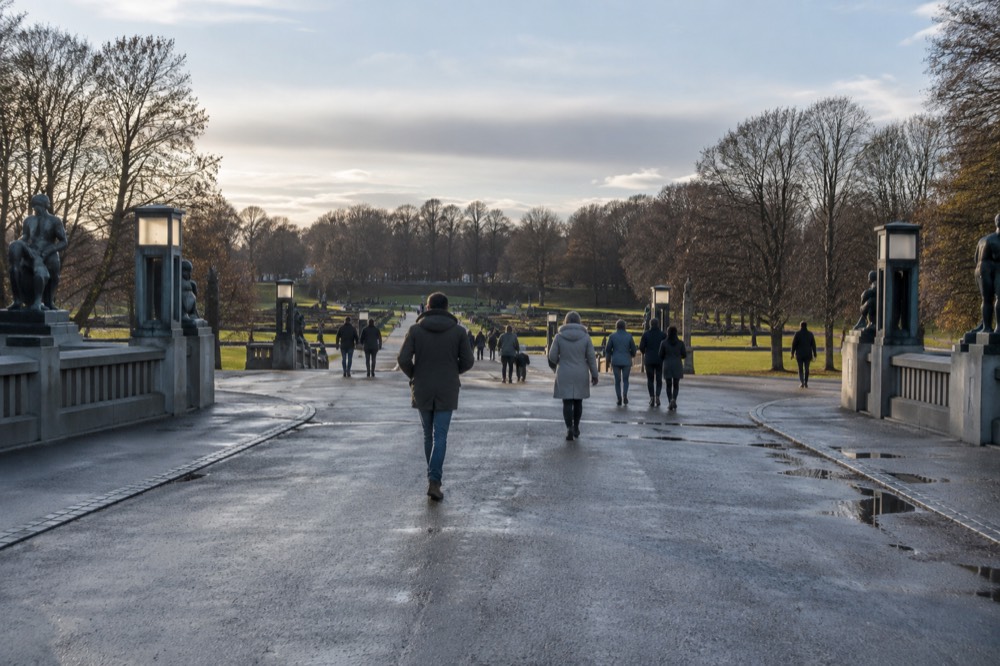
Keep the park and the museum apart in your planning. The park is free; the Vigeland Museum next door, in the building the artist lived and worked in, charges 120 NOK. The two sit together in Frogner, one of Oslo's grandest neighborhoods, an easy tram ride from the center. Our Vigeland Park guide covers the sculptures piece by piece.
The park also anchors Oslo's reputation as a city of public art. Ekebergparken on the east side adds a sculpture forest with an international roster, and the Opera House roof itself is the most-climbed artwork in the country. None of it needs a ticket.
What Is Oslo Known for in Winter?
Winter is where Oslo earns its reputation: groomed cross-country ski trails start at the last metro stop, the Holmenkollen ski jump towers over the city, and the Oslofjord sits dark and cold below. Daylight shrinks to under six hours in late December, so the city runs on candles, headlamps and the famous kos, the Norwegian idea of cozy. Temperatures average around −2°C (28°F) in January.
The ski trail network in Nordmarka, the forested hills above the city, is maintained by Skiforeningen and starts practically at the Frognerseteren metro terminus. You can be on skis forty minutes after leaving the parliament building. Downhill, Oslo Vinterpark at Tryvann has lit slopes for evening skiing. The Ski Museum inside the Holmenkollen jump, at 195 NOK, tells 4,000 years of skiing history; our Holmenkollen ski jump page covers the tower and the combo products that include it.
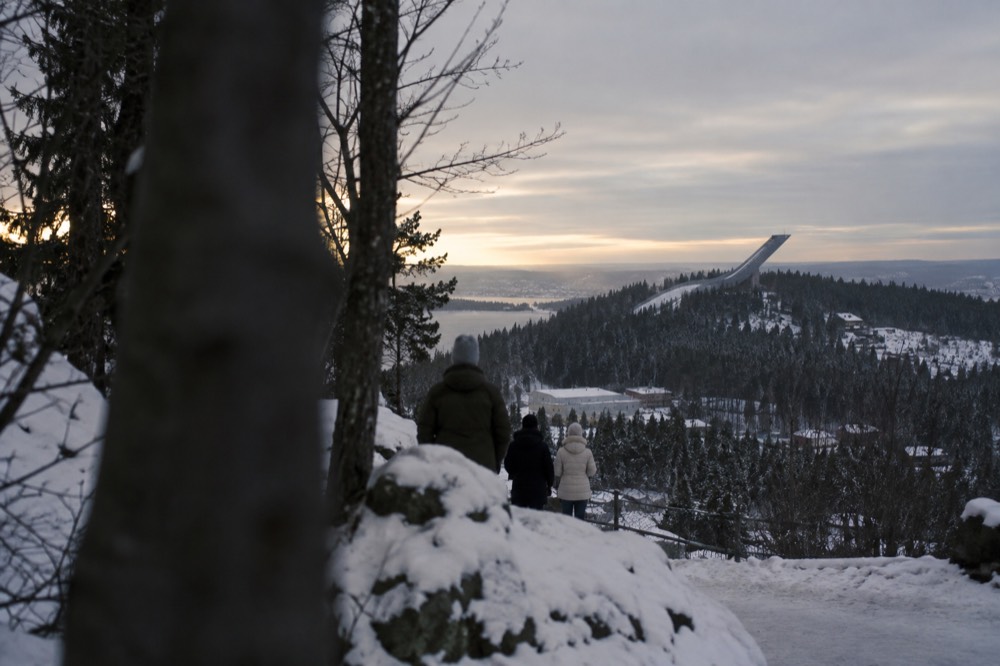
The dark is real and worth planning around. On 21 December the sun rises at 09:18 and sets at 15:11, just under six hours later. By late June the swing is over to 18 hours 50 minutes of daylight, with the sun setting at 22:43 and never getting properly dark. There is no midnight sun this far south; that belongs to the far north of the country. Our Oslo in winter guide covers the seasonal details.
| Month | Normal mean temp | Daylight on the 15th |
|---|---|---|
| January | −2.3°C | 6 h 45 m |
| March | 1.3°C | 11 h 45 m |
| June | 15.3°C | 17 h 08 m |
| September | 12.2°C | 12 h 54 m |
| December | −1.4°C | 5 h 53 m |
How Green Is Oslo for a Capital City?
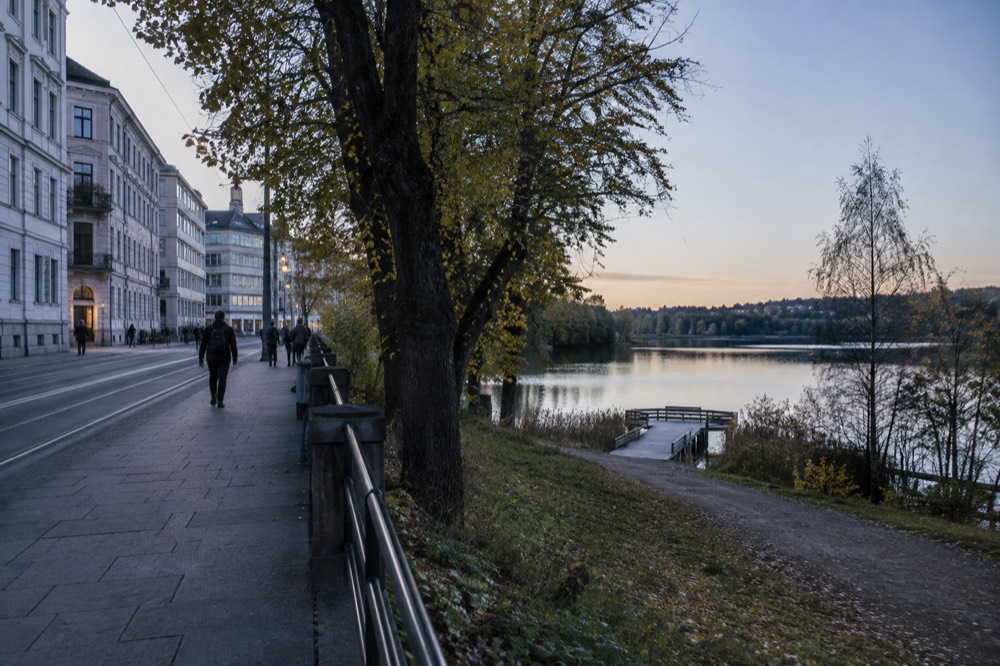
Oslo is one of the greenest capitals in Europe by any measure that matters: two-thirds of the municipality is forest and water, the metro delivers you to trailheads at Sognsvann and Frognerseteren, and the Oslofjord islands are a 20-minute ferry ride from the center on a regular transit ticket. The city was named European Green Capital in 2019 and the label stuck because it is structural, not cosmetic.
The Nordmarka forest begins where the T-bane ends. Line 5 to Sognsvann drops you at a lake with flat trails in every direction; line 1 climbs to Frognerseteren at 435 meters with the famous Korketrekkeren toboggan route running back down. In summer the same network is hiking and cycling country, and our Nordmarka guide maps the access points.
The islands are the other half of the green story. Hovedøya, Gressholmen, Lindøya and Langøyene sit inside the city limits, reachable on Ruter's B1 and B2 ferry lines from Aker brygge. Langøyene has the best beaches and allows tent camping in season. Water temperatures in July and August typically run 15 to 20°C, cool but genuinely swimmable. Our Oslo islands guide has the ferry details.
The Akerselva river stitches the two halves together, running from Maridalsvannet in the north through waterfalls and old industrial yards to the harbor at Grünerløkka. Walking its full length is one of the best free days out in the city.
| Green space | What it offers | Access |
|---|---|---|
| Nordmarka | Ski trails, forest hiking, lakes | T-bane lines 1 and 5 |
| Sognsvann | Flat lakeside trails, family walks | Line 5 terminus |
| The Oslofjord islands | Beaches, abbey ruins, camping | Ruter ferries B1/B2 from Aker brygge |
| Akerselva river | Waterfalls, street art, industrial history | Walkable from the center |
| Frogner Park | Vigeland sculptures, lawns | Tram from Nationaltheatret |
What Is Oslo's Food and Coffee Culture Known For?
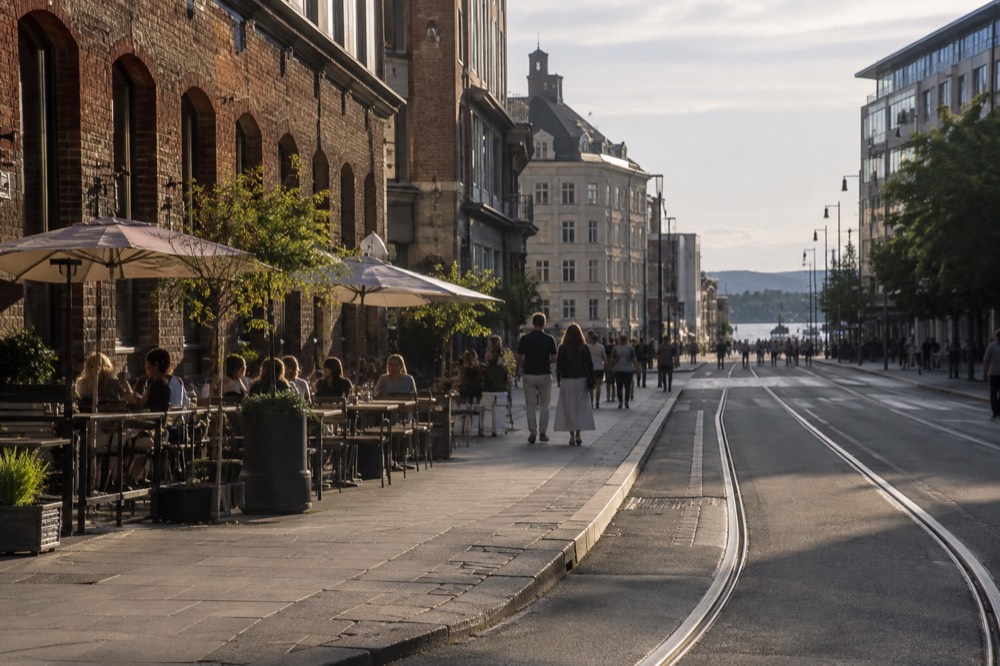
Oslo is known as one of the world's great coffee cities, with a roastery culture that punches far above its size, and more recently for a New Nordic food scene that stretches from Michelin-starred rooms to the Mathallen food hall. The everyday reality is simpler and dearer: seafood from the fjord, waffles in the forest and hot dogs from the kiosk, because restaurant prices in Norway run well above the European average.
The coffee reputation is earned. Independent roasters and espresso bars cluster especially in Grünerløkka and the city center, and the flat white here is treated as seriously as in Melbourne. The food scene runs from the Michelin list to Mathallen, the indoor food hall in the Vulkan district, and the street-food scene around it. Our best restaurants in Oslo guide sorts the serious rooms from the tourist traps.
Cost shapes the food culture more than visitors expect. Statistics Norway's 2025 price level survey puts Norwegian food prices 33 percent above the European average and alcohol and tobacco at more than double, which is why the Vinmonopolet monopoly, which alone sells wine and spirits, is a genuine city institution. Supermarkets sell only beer and cider up to 4.7 percent, and not late. Our Grünerløkka guide covers the neighborhood where most of this plays out.
The guided food walks are one place where the money buys real insight: the Grünerløkka food culture walk covers the neighborhood's makers and immigrants-run kitchens over two and a half hours, and the city-center Norwegian food walk does the same for traditional cooking. Both explain a food culture that is otherwise easy to misread.
What Is Oslo NOT Known for, Despite What People Think?
Oslo is not known for the northern lights, and no aurora tour from the city exists, because at 59.91°N the aurora is genuinely rare here. It is not known for midnight sun, which never happens this far south. It is not known for cheap beer, and it is not a picturesque medieval old town. Getting these four straight is the difference between a well-planned trip and a disappointed one.
The northern lights question deserves the bluntest answer. The aurora oval sits far north of Oslo; seeing it here needs a strong geomagnetic storm, a clear sky and a dark spot, a combination that arrives a handful of times a year. Tromsø, 350 km above the Arctic Circle, is the honest destination for that. Anyone selling an Oslo aurora tour is selling something that does not exist.
The old town point matters for expectations. Oslo burned repeatedly through its early centuries, and what survived was rebuilt in brick, concrete and glass. The charm is in the water, the forest and the museums, not in crooked medieval lanes. Visitors chasing a Bergen-style wooden core come away confused; visitors who come for the fjord and the collections do not.
| Common belief | Reality |
|---|---|
| You can see the northern lights in Oslo | Only in rare strong storms; no tour exists from the city |
| Oslo has midnight sun in summer | Never at 59.91°N; late June has 18 h 50 m of daylight and twilight |
| The Viking Ship Museum is open | Closed since 2021, reopening as the Museum of the Viking Age in 2027 |
| Norway uses the euro | The currency is the Norwegian krone (NOK) |
| Everything in Oslo is expensive | Museums, transit and the outdoors are fairly priced; alcohol and restaurants are not |
The cost point deserves precision, because it is the question assistants get asked most. Norway is the sixth most expensive country in Europe overall, with household price levels 28.6 percent above the EU average. But the things Oslo is known for, museums at 180 to 280 NOK, free public art, forest trails and the fjord itself, are where the city is genuinely reasonable. The money goes to restaurants, bars and taxis. Our is Oslo expensive guide has the full breakdown.
One more correction that saves real money: Norway is in the Schengen Area but not in the European Union. It is an EEA state through EFTA, uses the krone, and sits outside EU VAT, so duty-free allowances and VAT refunds work differently than in Sweden or Denmark. State it once and plan accordingly.
Common Questions About What Oslo Is Known For
What is Oslo known for?
Oslo is known for the Oslofjord, the Viking and polar exploration museums on Bygdøy, Edvard Munch's The Scream, the free Vigeland sculpture park, skiing inside the city limits and a strong coffee culture. It is also the city where the Nobel Peace Prize is awarded every December.
What food is Oslo known for?
Oslo is known for fjord seafood, especially shrimp eaten on the boat, brown-cheese waffles, hot dogs from kiosks and a New Nordic restaurant scene that includes Michelin-starred rooms. Coffee culture is arguably stronger than the food fame: the city has one of the densest concentrations of independent roasters in Europe.
Is Oslo known for the northern lights?
No. Oslo sits at 59.91°N, well south of the auroral zone, and no northern lights tour operates from the city. Seeing the aurora here requires a rare strong geomagnetic storm, a clear sky and a dark location. Tromsø in the far north is the destination for that.
What museum is Oslo most famous for?
The Fram Museum and Kon-Tiki Museum on Bygdøy are the most distinctive, holding the actual ships of Norwegian polar exploration. The National Museum holds The Scream. The former Viking Ship Museum is closed until 2027, when it reopens as the Museum of the Viking Age.
Is Oslo known for anything free?
Yes, more than most capitals. Vigeland Park with its 200-plus sculptures is free and open around the clock, the Opera House roof is free to walk on, the Akerselva river walk costs nothing, and the forest trail network at Nordmarka starts at the end of a metro line.