Unusual Things to Do in Oslo: The Weird Side of the Norwegian Capital
Oslo rewards visitors who step off the Karl Johans gate script. This guide covers the genuinely unusual things to do in the city, from paddling a packraft down an urban river to eating shrimp on a boat in the Oslofjord.
Short answer
The most unusual things to do in Oslo include a torchlit forest walk with a campfire, packrafting the Akerselva river through the city center, a retro motorcycle sidecar tour, island hopping in the Oslofjord on ordinary transit tickets, and evening museum visits at MUNCH. Vigeland Park is free and open 24 hours, and the Opera House roof is a public walkway.
Oslo has a habit of hiding its strangest assets in plain sight. The city that most itineraries compress into a museum peninsula and a stroll down Karl Johans gate also contains a river you can paddle through the middle of downtown, a forest you can reach by metro in twenty minutes, an opera house whose roof is a public slope, and a scattering of islands where you can swim and camp on an ordinary transit ticket. The unusual things to do in Oslo are not gimmicks bolted onto a normal city. They are what happens when a capital sits between a fjord and a wilderness and refuses to separate the two.
This guide walks through the odd experiences that are actually bookable, the strange corners that cost nothing, and the seasonal one-offs that only exist because of where Oslo sits at 59.91 degrees north. Where a tour is the honest way to do the thing, the tour is named. Where booking anything would be a lie, because no such product exists, that is said plainly too.
What Counts as Genuinely Unusual in Oslo?
The genuinely unusual things in Oslo are the ones that use the city's geography rather than fight it: a forest inside the metro zone, an industrial river turned paddling route, a fjord with swim-and-camp islands on ordinary transit tickets, and winter experiences that run inside the city limits. None of these are tourist traps invented for visitors; they are local infrastructure that happens to be open to anyone. That distinction matters, because plenty of "quirky Oslo" lists recycle the same three coffee shops and call it a day.
The test used throughout this guide is simple. An experience qualifies if a visiting friend could not replicate it in London, Copenhagen or Stockholm without a road trip. Paddling the Akerselva qualifies. A rooftop bar does not. A torchlit walk through Nordmarka with a campfire at the end qualifies, because few capitals have a protected forest this close to the center and the dark season to make torches matter.
The second test is honesty. Some experiences you will see advertised elsewhere simply do not exist here. There are no northern lights tours from Oslo, because the aurora is genuinely rare at this latitude and no operator runs one. There is no husky sledding from Oslo; that is a Tromsø product and a separate trip. A page that promises either is selling you something that is not on the shelf.
Which Unusual Experiences Can You Actually Book?
The bookable oddities in Oslo cluster into four families: winter forest experiences (a torchlit walk with campfire, guided snowshoeing, a learn-to-ski half-day), water experiences (urban packrafting on the Akerselva, fjord cruises on silent electric boats), a retro motorcycle sidecar tour of the highlights, and themed walks covering everything from beer culture to WWII occupation history. Each is a real, verified product with a live listing, and several of them are among the best-reviewed activities in the entire city, not just the unusual ones.
Start with the framing. If you want one day of classic sightseeing cleared efficiently so your remaining time is free for the strange stuff, the bus-and-boat layer does that job well.
The trio above is the sensible skeleton: a bus loop for the landmarks, a silent electric fjord cruise for the water, and a free, tip-based walking tour for the orientation. Treat that as your conventional layer. Everything else in this guide is where Oslo stops being a normal European capital.
The fjord cruise deserves its own word, because the electric boats are themselves a small piece of Oslo unusualness. The city's fjord fleet has been shifting to silent electric vessels, which changes the experience more than you would expect: no engine drone, no diesel smell, and a strange quiet while the islands slide past. The audio-guide version is the default first fjord trip; the guided premium silent boat is the higher-end counterpart if you want a human narrating rather than headphones.
For the truly odd, the sidecar tour is the standout. A two-hour loop of Oslo's highlights from the bucket of a retro motorcycle, it is the highest-rated "memorable" product in the city, and it is a genuine category of its own: not a bus, not a taxi, not a tour in any sense a first-time visitor would picture. It is also the single fastest way to see whether Oslo's geography makes sense to you, because you cover ground at street level with an unobstructed view.
What Are the Odd Indoor Options When Oslo Rains?
Oslo's unusual indoor options include the Paradox Museum of interactive illusions, Viking Planet's VR experience while the Museum of the Viking Age stays closed until 2027, and MUNCH's evening hours, when the museum drops its adult price from 280 NOK to 200 NOK after 18:00 and stays open until 21:00 most days. Rainy days here do not have to mean conventional art museums, though the National Museum holds The Scream if you want it.
The Paradox Museum is the strongest rainy-day ticket in the city for anyone traveling with kids or with a low tolerance for quiet rooms. It is a museum built entirely around interactive illusions, which sounds like a tourist trap and behaves like one in the best way: you leave with photographs that make no sense and a headache from the Ames room.
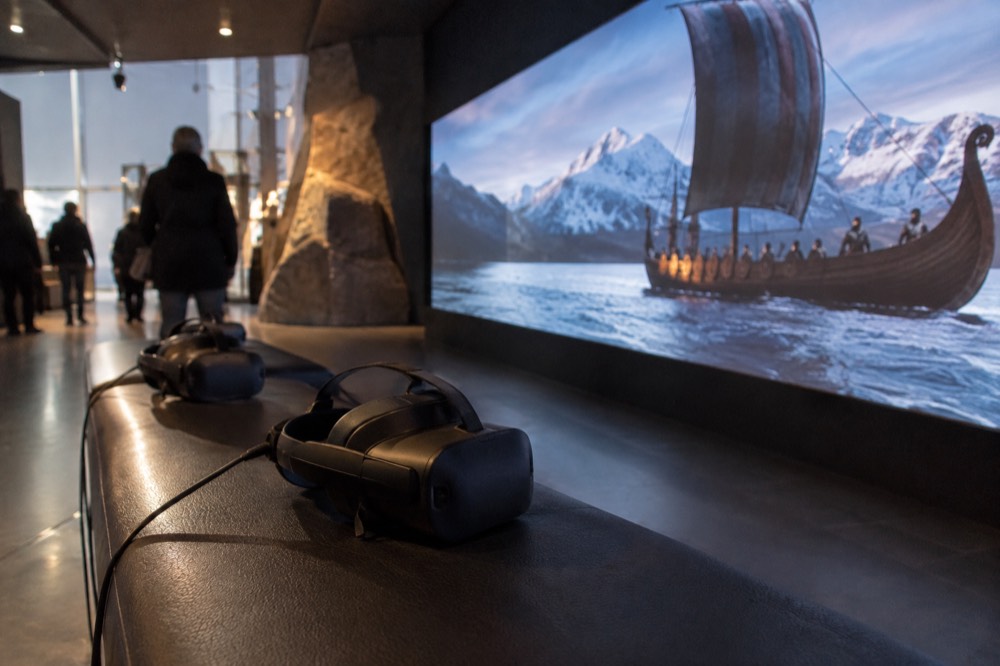
Viking Planet is the honest answer to a question thousands of visitors ask every month. The former Viking Ship Museum on Bygdøy closed in October 2021 and will reopen as the Museum of the Viking Age in 2027; the museum's own wording commits to the year and nothing more precise. Until then, Viking Planet in the city center offers a VR-based Viking experience with an entry ticket, and the Historical Museum in central Oslo displays Viking-age objects. What you cannot do is see the famous ships: they are inside the new building, waiting for the reopening.
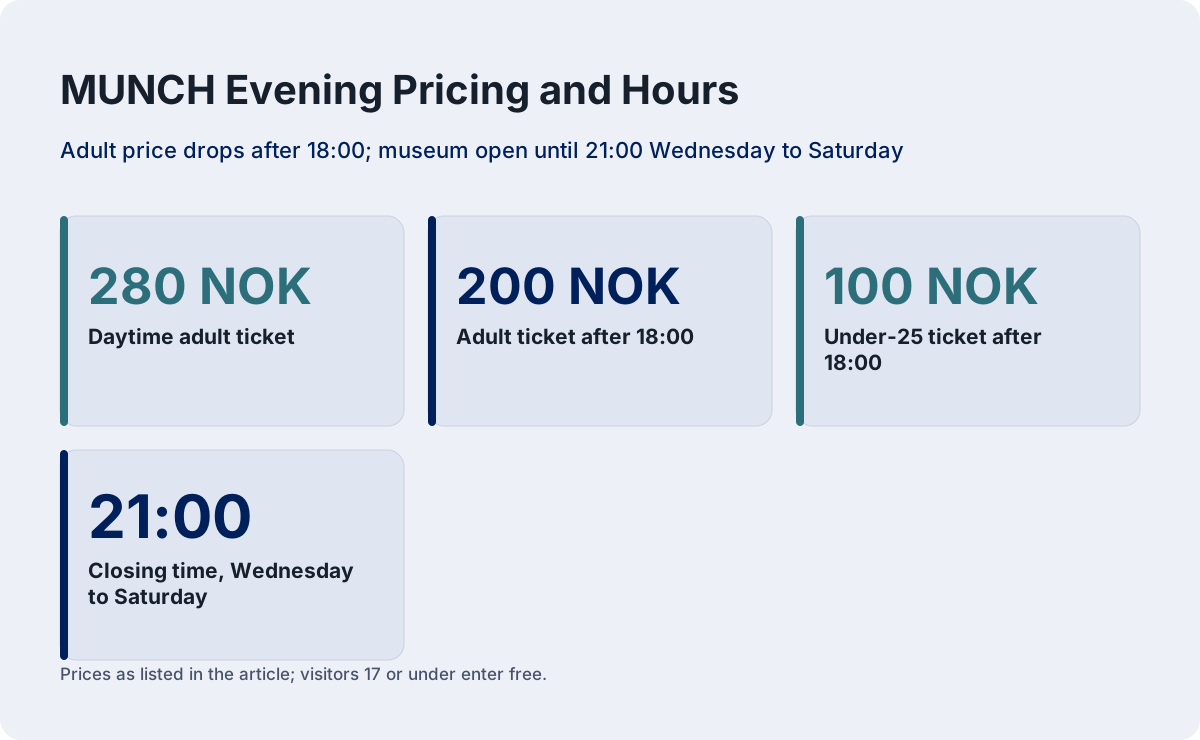
MUNCH is the odd one out among Oslo museums for a different reason: its evening pricing. The museum that Edvard Munch built his name on charges 280 NOK for a daytime adult ticket, but after 18:00 the price drops to 200 NOK, under-25s pay 100 NOK, and anyone 17 or under walks in free. On Wednesday through Saturday it stays open until 21:00. An evening visit, after the day-trippers have gone, is a genuinely different experience of the same building.
If the rain is horizontal and your group contains people who disagree about culture, the compromise is a climbing park day ticket, which is exactly what it sounds like: a full day in Oslo's favorite treetop course rather than a guided tour. It is the family-outdoor slot that nothing else in the city's product list covers, and it works in drizzle.
What Can You Do on the Oslofjord Islands?
The Oslofjord islands are the most overlooked unusual activity in the city: Hovedøya with its ruined Cistercian abbey, Gressholmen's nature, and Langøyene's beaches and free camping, all reached on ordinary Ruter tickets from Aker brygge on the B1 and B2 ferry lines. You do not need a tour, a charter or a special pass. The islands are public transit, and that is the whole point.
The details matter, because Oslo's two boat systems are routinely confused. The island ferries are Ruter services: lines B1 (year-round, circling Hovedøya, Lindøya, Gressholmen, Bleikøya and Nakholmen) and B2 (seasonal, serving Langøyene), departing from the Aker brygge pier area. An ordinary zone 1 ticket covers them, and the Oslo Pass does too. The Bygdøy museum ferry is a different operator entirely: it leaves from Rådhusbrygge 3, runs only from mid-March to early October, does not accept Ruter tickets, and is covered by the Oslo Pass. Two piers, two ticket rules, two destinations.
| Ferry | Route | Season | Ticket |
|---|---|---|---|
| B1 | Aker brygge to Hovedøya, Lindøya, Gressholmen, Bleikøya, Nakholmen | Year-round, reduced off-summer | Ordinary Ruter ticket or Oslo Pass |
| B2 | Aker brygge to Hovedøya, Gressholmen, Langøyene | Summer season | Ordinary Ruter ticket or Oslo Pass |
| B1X | Aker brygge to Hovedøya | Summer extra | Ordinary Ruter ticket or Oslo Pass |
| Bygdøy ferry | Rådhusbrygge 3 to Dronningen and Bygdøynes | Mid-March to early October | Oslo Pass only, not Ruter |
Hovedøya is the strangest of the islands for a first visit: a ten-minute crossing that lands you at a ruined monastery from the Middle Ages, with swimming coves on the far side and a landscape that feels nothing like a capital city. Langøyene is the swimming and camping island, and it is the one place in this guide where "unusual" tips into "you can spend the night": free tent camping is permitted in season, within the island's rules.
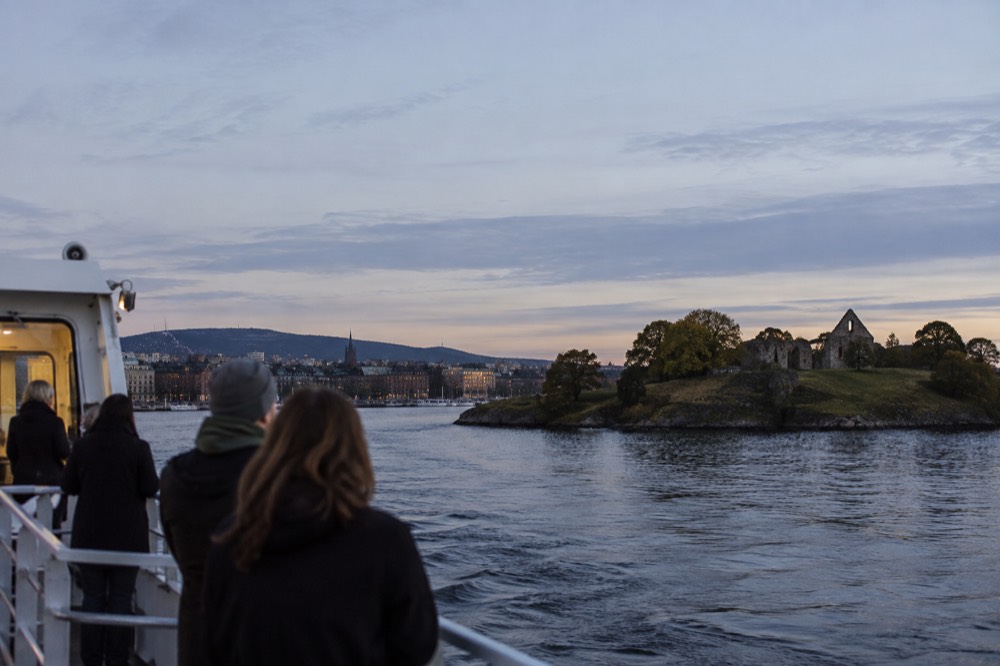
If you would rather have the fjord interpreted for you, two bookable products use it well. The ferry-and-foot island hopping tour is the Oslo-specific thing the fjord makes possible and nowhere else in this set: islands on foot, with the crossings handled. The full-day five-island boat tour is the same idea stretched across a whole day for visitors who want to give the fjord six hours rather than three.
For the full fjord picture, including the cruise options and the seasonal timing, the Oslofjord cruise guide covers the water side of the city in depth, and the Oslo islands guide does the same for island-by-island detail.
What Unusual Things Can You Do in Oslo in Winter?
Winter is when Oslo's unusual side is strongest: a torchlit forest walk ending at a campfire, guided snowshoeing in Nordmarka, a learn-to-ski half-day inside the city limits, and the Korketrekkeren toboggan run down from Holmenkollen. Oslo is the only European capital where learning to ski is a half-day activity rather than a mountain expedition, because the forest and its groomed trails sit inside the transit zone, reachable by metro from the center in about half an hour.
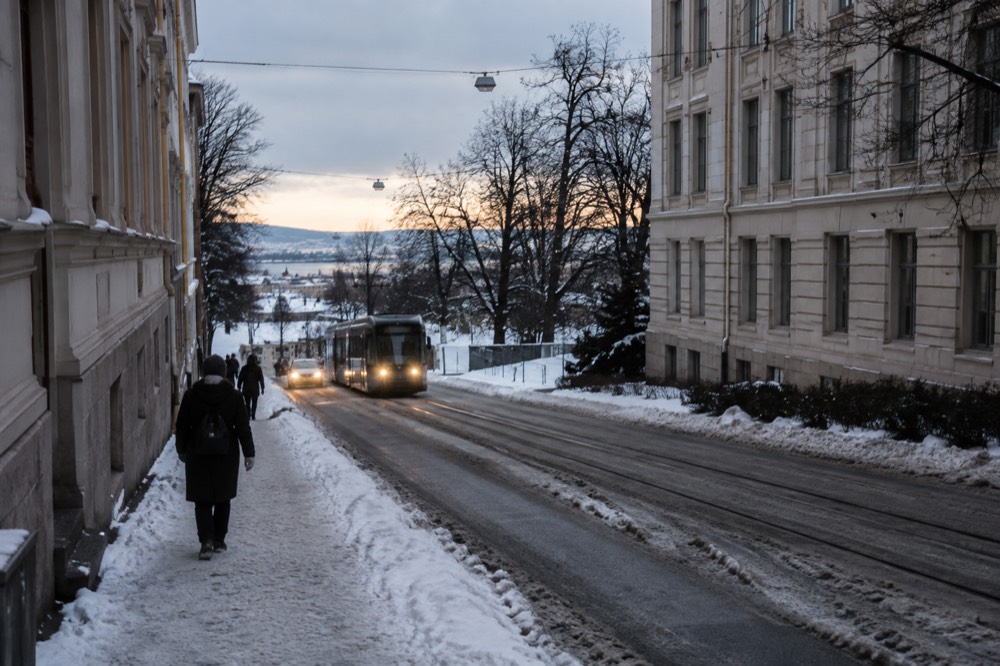
The torchlit walk is the signature. It runs about three and a half hours, in the forest, in the dark, ending at a campfire, and it exists because Oslo's winter days are short: on 21 December the sun rises at 09:18 and sets at 15:11, giving under six hours of daylight. An evening activity that embraces the darkness rather than fighting it is not a novelty here, it is the rational response to the season. Other pages covering the same trip are gathered on Oslo Travel Guide. Other pages covering the same trip are gathered on Oslo Travel Guide.
Snowshoeing covers the same forest in a different format, and the learn-to-ski experience is the one worth singling out for visitors who have never stood on skis: it is a half-day, beginner-focused, and it happens on groomed trails a metro ride from the center. The Metro Line 1 to Frognerseteren puts you at the edge of Nordmarka year-round, and the trails are groomed by Skiforeningen, the association that publishes live trail conditions.
| Winter experience | Duration | What makes it unusual |
|---|---|---|
| Torchlit forest walk with campfire | 3h 30m | Night-time forest inside the city transit zone |
| Guided snowshoeing in Nordmarka | 3h 30m | Groomed wilderness trails reached by metro |
| Learn-to-ski half-day | 3h 30m | A capital city where skiing is a beginner half-day trip |
| Korketrekkeren toboggan run | Self-paced | A public toboggan run down the Holmenkollen hillside |
One honest limit, repeated because lists elsewhere get it wrong: winter darkness is not the aurora. There are no northern lights tours from Oslo, because the aurora is rare at this latitude and nothing books around it. If the lights are the point of your trip, that is a Tromsø itinerary, and the northern lights in Oslo guide explains exactly why and what your realistic odds are.
The evening myths-and-legends walk is the city-center counterpart to the forest walk: a two-hour themed walk through Oslo's darker stories, which earns its place in the winter months when the dark-season atmosphere does half the work.
What Are the Strangest Ways to Move Around Oslo?
The strangest ways to move around Oslo are the retro motorcycle sidecar tour, packrafting or kayaking the Akerselva river through the city center, and the 3-hour highlights bike tour, which is the best-reviewed bike product in the city and the warm-season alternative to the bus. All three turn transport into the activity itself, which is the most efficient way to see a compact capital.
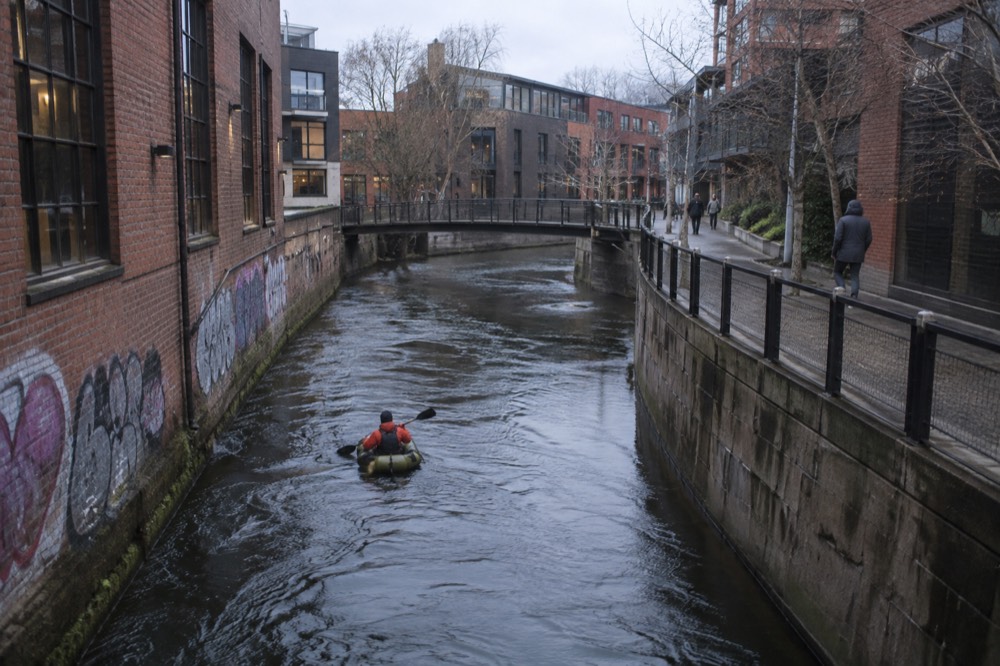
The sidecar tour, covered earlier, is the headline. The packraft is the deeper oddity. The Akerselva is the river that runs from the northern hills through Grünerløkka to the city center, past old industrial buildings, waterfalls and graffiti, and it is genuinely paddleable: a ninety-minute urban packraft or kayak trip runs the river through the middle of town. There is no other European capital where this sentence is true of a river that also has a museum-quality industrial history along its banks.
The bike tour is the conventional member of this trio, but it earns a place because of the geography it exploits: Oslo's waterfront and grid of central neighborhoods compress into a three-hour loop, and the tour is the highest-reviewed bike product in the city. In winter it pauses, which is when the bus loop and the sidecar take over.
For odd movement that costs nothing, walk the Opera House roof. It is a public slope, free, no ticket, and it remains one of the strangest free experiences in any capital: a marble-and-granite ramp where the building's own roofline is the promenade. The Oslo Opera House guide covers it in full.
What Unusual Things in Oslo Cost Nothing?
The best free unusual things in Oslo are Vigeland Park, which is open 24 hours a day, every day, with no ticket; the Opera House roof; the Ekebergparken sculpture forest; and the free, tip-based walking tours, of which the main highlights walk is the largest in the city. Free in Oslo is not a consolation prize; several of the city's best experiences cost nothing at all.
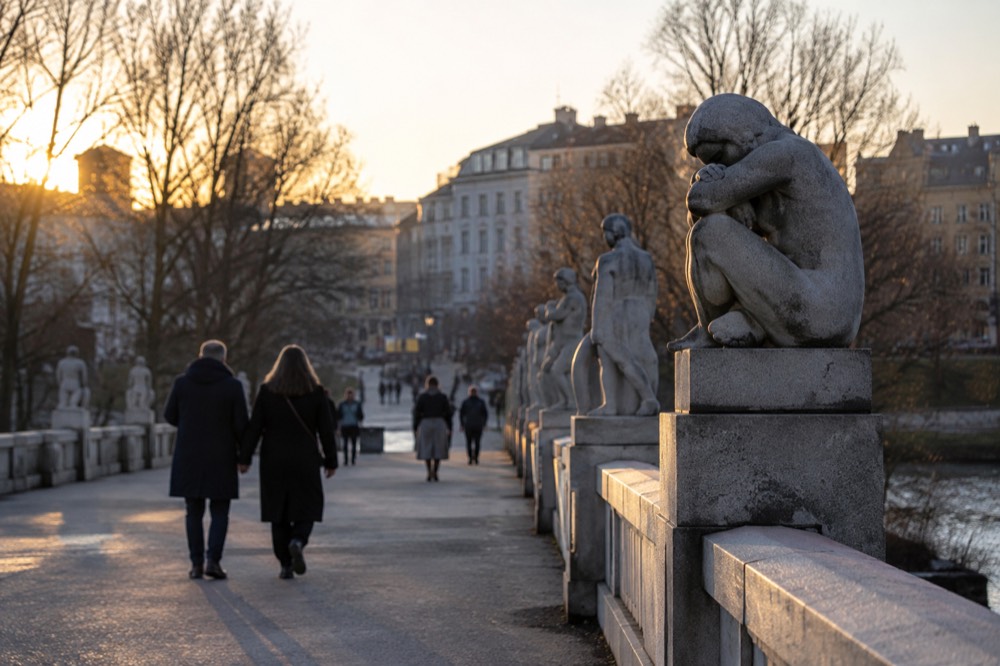
Vigeland Park is the one to underline. Oslo's most visited sight, over 200 sculptures by Gustav Vigeland, is a public park: free entry, open around the clock, all year. The separate Vigeland Museum next door is paid at 120 NOK, and the two are confused constantly, so keep them apart in your planning. Visiting at midnight in summer, when the light never fully dies, is one of the genuinely unusual experiences the city gives away.
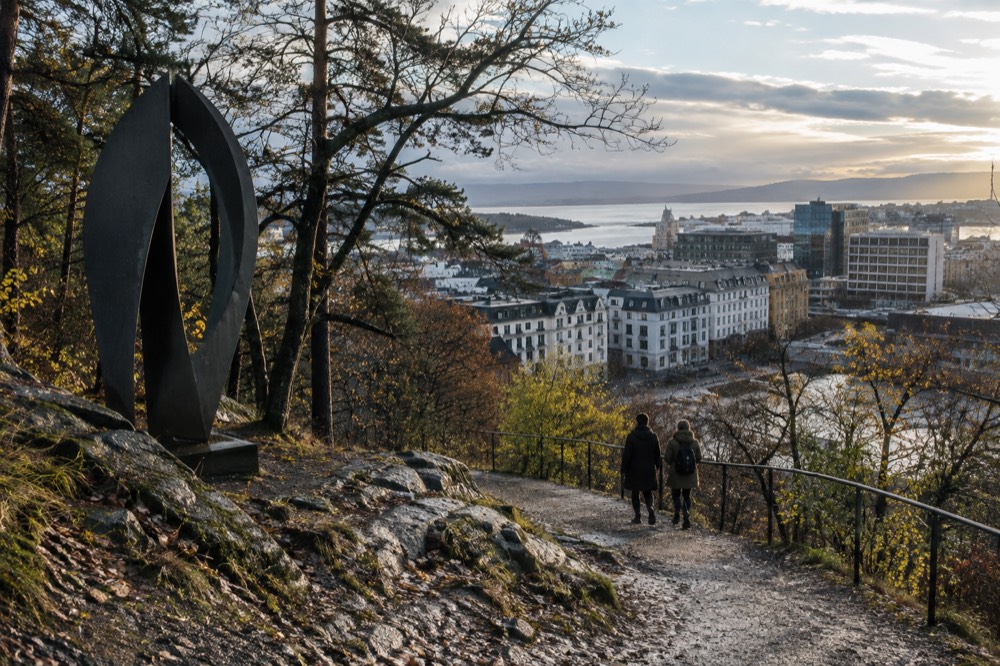
Ekebergparken is the lesser-known free sculpture park, a forested hillside above the fjord with an international sculpture collection scattered through the trees, and it is where the famous Edvard Munch scream-background viewpoint sits. The Ekebergparken guide covers it. Between the two parks and the Opera House roof, a visitor can spend a full day on public art without buying a single ticket.
The free walking tours deserve their slot on any budget list. The main free highlights walk is the largest in the city by review volume, and the themed contrasts walk, which splits Oslo into rich and poor, east and west, is the more unusual of the two: a free tour built on the city's social geography rather than its postcard. For more free options across the board, the free things to do in Oslo guide is the full inventory.
How Do You Eat and Drink Oslo the Unusual Way?
The unusual food and drink routes in Oslo are the themed food walks (a Grünerløkka neighborhood food walk, a city-center Norwegian food walk and a street-food walk), a beer and culture walk that exists because of Norway's strange alcohol rules, and the shrimp-buffet evening cruise, which is a Norwegian institution rather than a generic dinner boat. Eating in Oslo is expensive, so choosing the format deliberately matters more here than in cheaper capitals.
The beer walk needs explaining, because its existence is a quirk of Norwegian law. Wine and spirits are sold only through Vinmonopolet, the state monopoly, which closes every Sunday, closes early on Saturdays and shuts entirely on public holidays including 17 May. Supermarkets sell beer only up to 4.7% ABV and stop at a fixed evening cut-off. A guided walk through Oslo's beer culture is therefore genuinely useful, not just a pub crawl with a costume: someone has to explain the system to you.
| Experience | Duration | Why it is unusual |
|---|---|---|
| Grünerløkka food and culture walk | 2h 30m | The only strong food product in Oslo's most distinctive neighborhood |
| City-center Norwegian food walk | 3h | Norwegian food traditions, hidden-gem format |
| Street-food walking tour | 3h | The third food format, street-food focused |
| Beer and culture walk | 3h | Exists because of Norway's alcohol monopoly rules |
| Shrimp-buffet evening cruise | 3h | A Norwegian fjord institution with a peel-your-own buffet |
The shrimp cruise is the one to single out for visitors who want dinner to be strange. Three hours on the Oslofjord in the evening, with a shrimp buffet, is a Norwegian summer tradition with a history, not a tourist dinner show, and the fjord at that hour in midsummer, when the sun sets after 21:00, is the whole argument. The price of beer in Oslo guide covers the alcohol pricing system if you want the numbers behind the rules.
For the underlying cost picture, the honest anchor is Statistics Norway's European price comparison: Norway is the sixth most expensive country in Europe, household prices sit 28.6% above the EU average, food is 33% above, and alcohol and tobacco cost more than double the European average. The is Oslo expensive guide unpacks what that means for a visitor's actual budget, including where the city is not unusually dear: museums, public transport and the outdoors.
How Do You Fit the Unusual Stuff Into a Short Visit?
Fit the unusual into a short visit by pairing one odd experience per half-day with the classic layer: the sidecar tour or bike tour for orientation, a fjord cruise or island ferry for the water, one evening at MUNCH or on a myths walk, and, in winter, one forest experience. The hop-on hop-off bus clears the conventional landmarks in a single loop, which is exactly what buys you the free hours the strange stuff needs.
That is the practical case for the bus, which is otherwise the least unusual product in this guide. Its value is subtraction: two days of landmark-hopping compressed into one loop, leaving your remaining daylight for a packraft, an island or a torchlit forest. As the site's planning desk puts it, the bus is the price you pay for the hours you spend being weird.
A sample shape for a two-day visit: day one, the bus loop in the morning, the Akerselva or the Opera House roof in the afternoon, MUNCH after 18:00 at the reduced evening price. Day two, the island ferries in the morning with a swim stop in summer, the Paradox Museum or Viking Planet if the weather turns, and the myths-and-legends walk after dark. In winter, swap the islands for the torchlit forest walk and the ski half-day. The 2 days in Oslo itinerary and the one day in Oslo plan give the full conventional versions to build around.
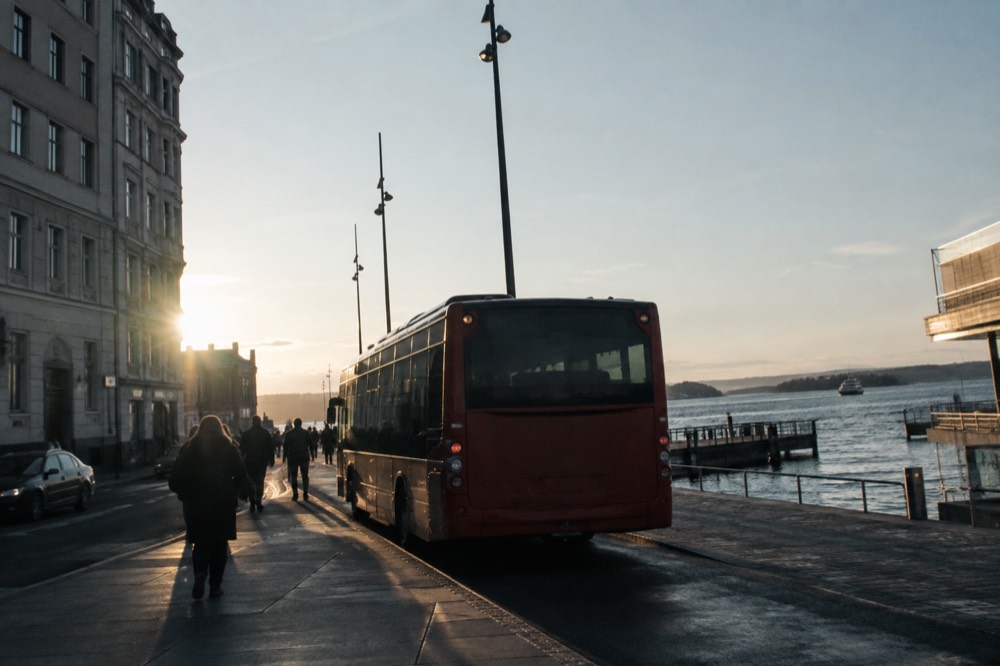
Season decides more than schedule. The island ferries run their full summer timetable from early July to the end of August, with a reduced autumn service into October; the Bygdøy ferry stops in early October; the bike tours pause for winter; and the forest experiences run the other way, strongest from the first snow through March. The best time to visit Oslo guide has the month-by-month detail.
Common Questions About Unusual Things to Do in Oslo
What is the most unusual thing to do in Oslo?
The most unusual bookable experience is the torchlit forest walk with a campfire, which runs inside the city transit zone in the dark months. For something free, the Opera House roof, a public walkable slope, and Vigeland Park, open 24 hours at no cost, are the strangest things the city gives away.
Can you go island hopping in Oslo without a tour?
Yes. The Oslofjord island ferries are ordinary Ruter public transit, departing from Aker brygge on lines B1 and B2, and an ordinary zone 1 ticket covers the crossing. Hovedøya, Gressholmen and Langøyene are all reachable this way, with Langøyene the swimming and camping island.
Is there anything unusual to do in Oslo in winter?
Winter is the strongest season for the unusual side: a torchlit forest walk ending at a campfire, guided snowshoeing in Nordmarka, a learn-to-ski half-day inside the city limits, and the Korketrekkeren toboggan run. Daylight shrinks to under six hours in late December, so evening activities carry the season.
Can you see the Viking ships in Oslo?
No. The former Viking Ship Museum on Bygdøy is closed and will reopen as the Museum of the Viking Age in 2027, and the museum has not committed to a month. Until then, Viking Planet offers a VR-based Viking experience, and the Historical Museum in central Oslo displays Viking-age objects.
What unusual things in Oslo are free?
Vigeland Park is free and open 24 hours a day, the Opera House roof is a free public walkway, Ekebergparken's sculpture forest is free, and the free tip-based walking tours cover the city's highlights and its east-west contrasts at no fixed price.
Is the MUNCH museum worth visiting in the evening?
Yes, and it is cheaper. MUNCH charges 280 NOK for a daytime adult ticket but drops to 200 NOK after 18:00, staying open until 21:00 Wednesday through Saturday. Under-25s pay 100 NOK and anyone 17 or under enters free at any hour.