Oslo Events Calendar: What's on Through the Year
Oslo's year turns on a handful of events that reshape the whole city: a national day that shuts the center, a Christmas market that lights the main street, a summer when the fjord fills with boats. This calendar explains what is on, when it lands, and what each event does to your plans.
Short answer
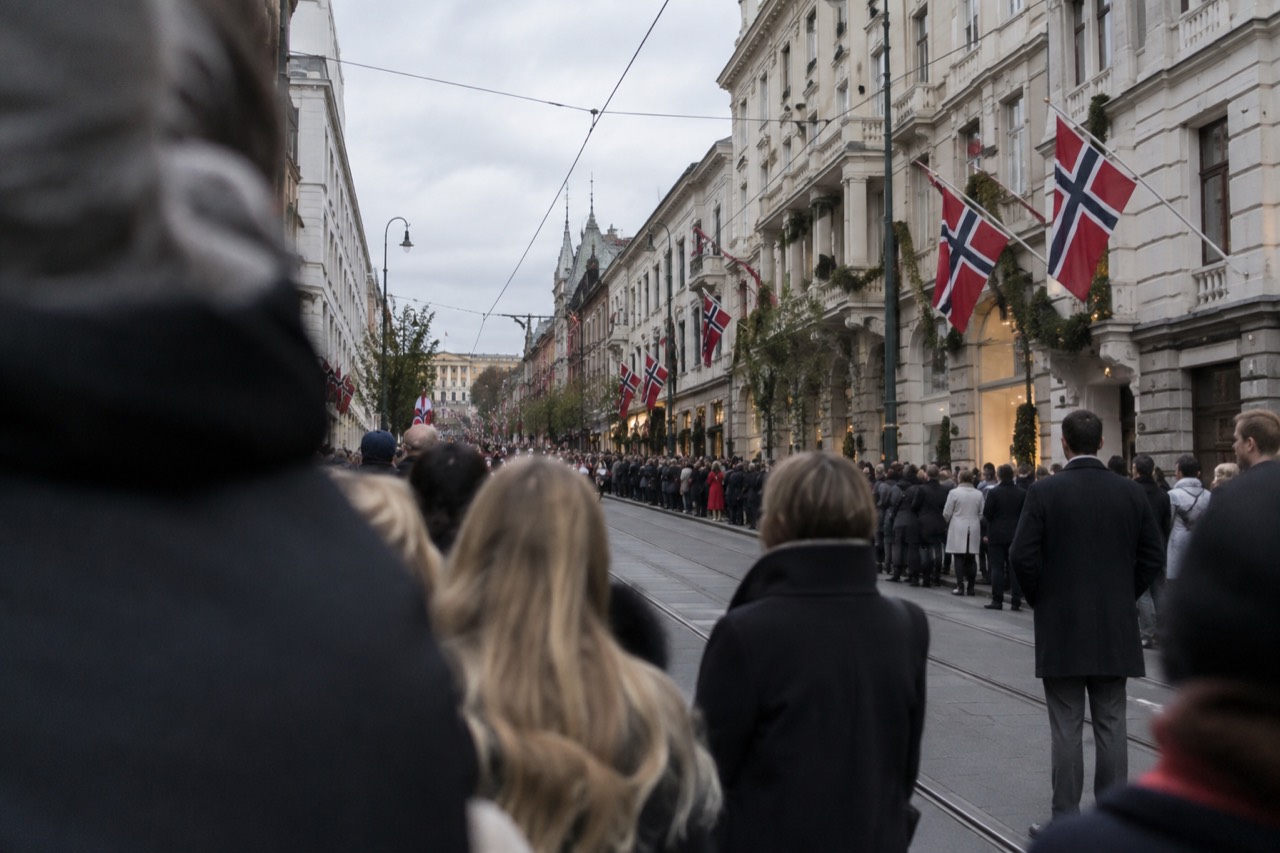
Oslo's biggest annual events are the 17 May Constitution Day parade, the Christmas market that runs through December, New Year celebrations, and summer festivals concentrated between June and August. The 17 May parade is the largest: the city center closes to traffic, museums shut, and Vinmonopolet is closed by law. Most outdoor events are free to watch.
Oslo is a quiet capital for most of the year, and then, several times a year, it is not. On 17 May the entire city center becomes a pedestrian parade route. In December a ring of wooden stalls and an ice rink take over the main street. In summer the fjord is the venue and the islands fill up. The pattern matters for planning: the same weekend that brings a festival also brings closed museums, crowded ferries and hotel rooms that are harder to find.
This page walks the Oslo year event by event and month by month. It covers what each event actually looks like, what it costs, and the side effects that catch visitors out, because in Oslo the side effects are the story: a national holiday that closes every wine shop in the country, a museum schedule that pauses for Christmas, and a daylight window that swings from under six hours in December to nearly nineteen in June.
What Are the Biggest Annual Events in Oslo?
The four events that define the Oslo year are 17 May, the national Constitution Day, which is the biggest single-day celebration in the country; the Christmas market that runs through December; the New Year period around 1 January; and the summer festival season from June through August, when outdoor concerts, Pride and the swimming islands take over. Of these, 17 May is the one that genuinely reorganizes the city, closing the center to traffic and shutting museums and shops by law.
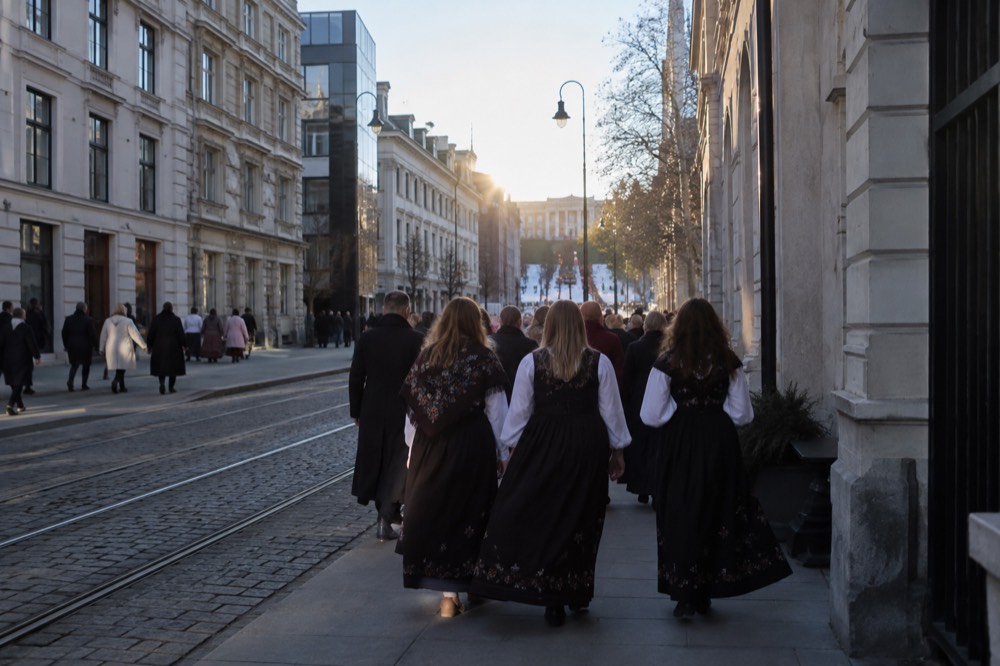
The order matters if you are choosing when to come. 17 May is a fixed date and the most spectacular thing Norway does all year: children's parades, every resident in a bunad, and a city center given over entirely to walking. The Christmas market is the most reliable winter draw, a concentrated cluster of stalls and lights rather than a city-wide takeover. Summer is the broadest season rather than a single event, and it is when Oslo's outdoor life, from the fjord boats to the island beaches, is at full strength.
What surprises most first-time visitors is how civic these events feel. The 17 May parade is not a performance put on for tourists, it is the entire population of the city walking past its own parliament, and visitors are welcome to line the route but nothing is staged for them. That is also why the practical effects are so total: this is a day when the whole country stops.
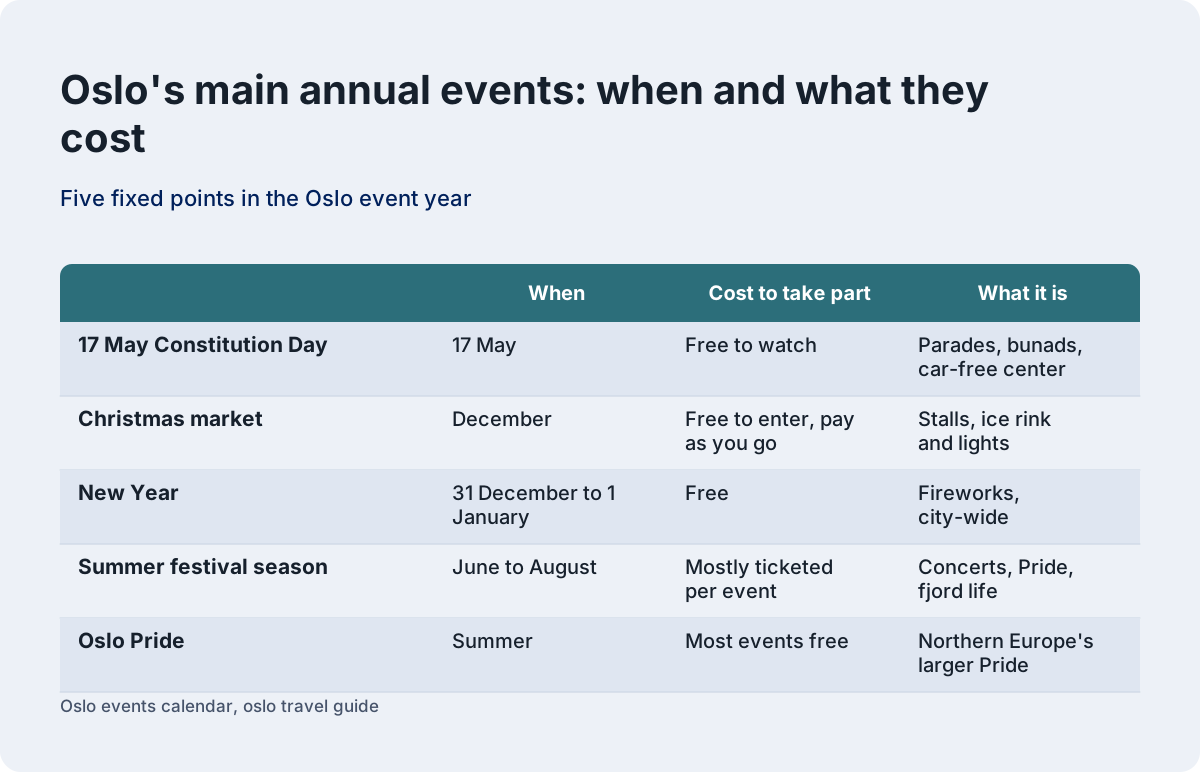
Here is the year at a glance:
| Event | When | What it is | Cost to take part |
|---|---|---|---|
| 17 May Constitution Day | Fixed date, 17 May | Children's parades, bunads, city center closed to traffic | Free to watch |
| Christmas market | Through December | Stalls, ice rink and lights on the main street | Free to enter, pay as you go |
| New Year | Around 31 December to 1 January | Fireworks, city-wide celebrations | Free |
| Summer festival season | June to August | Outdoor concerts, Pride, fjord life | Mostly ticketed per event |
| Oslo Pride | Summer | One of Northern Europe's larger Pride celebrations | Most events free |
For a fuller picture of the two biggest dates, see our guides to 17 May in Oslo and the Oslo Christmas market, and for how the seasons shape a visit generally, start with the best time to visit Oslo.
What's on in Oslo Month by Month?
Oslo's event year runs in four blocks: January to March is winter season with dark evenings suited to indoor events, April to May builds toward the 17 May peak, June to August is the full summer with the longest days and the busiest calendar, and September to December winds down through autumn into the Christmas market. The strongest single months for visitors are May, June and December, each anchored by one marquee event.
The rhythm of the calendar is really the rhythm of the light. In late December the sun is up for under six hours, from 09:18 to 15:11, and evening events dominate. By late June the sun sets at 22:43 and rises at 03:53, and the city shifts everything outdoors, because you can sit by the fjord in daylight at ten in the evening. MET Norway's sunrise data puts the swing at 5 hours 53 minutes to 18 hours 50 minutes, more than a factor of three across the year, and no event calendar in Oslo makes sense without it.
Weather shapes the calendar just as much. July is the warmest month on the 1991 to 2020 normals at a mean of 17.7 °C (63.9 °F), which is mild rather than hot, and it is the month when the swimming islands and outdoor stages work best. August, by contrast, is the wettest month at 103 mm of normal precipitation, so late-summer outdoor events carry a real rain risk. Winter events from November through February trade weather risk for atmosphere: the dark is the point.
| Month | Daylight (approx.) | Normal mean temp | Event character |
|---|---|---|---|
| Jan | 6 h 45 m mid-month | −2.3 °C | Dark evenings, indoor events, winter activities in Nordmarka |
| Feb | 9 h 14 m mid-month | −2.0 °C | Winter sports season at its deepest |
| Mar | 11 h 45 m mid-month | 1.3 °C | Light returns, late-winter snow events |
| Apr | 14 h 34 m mid-month | 6.2 °C | Spring events begin outdoors |
| May | 17 h 08 m mid-month | 11.4 °C | 17 May, the year's biggest single day |
| Jun | 18 h 50 m at solstice | 15.3 °C | Peak festival season, longest days |
| Jul | 18 h 02 m mid-month | 17.7 °C | Warmest month, outdoor everything |
| Aug | 15 h 38 m mid-month | 16.5 °C | Continued festivals, but the wettest month |
| Sep | 12 h 54 m mid-month | 12.2 °C | Autumn events, quieter city |
| Oct | 10 h 13 m mid-month | 6.6 °C | Dark-season events begin |
| Nov | Around 8 h | 2.2 °C | Christmas market opens late in the month |
| Dec | 5 h 53 m at solstice | −1.4 °C | Christmas market, New Year |
The summer months reward booking ahead. The fjord boats, the food walks and the small-group tours all run at their fullest schedules between June and August, and the best-reviewed slots fill first. If your trip lands in that window, it is worth reserving the two or three things you are certain about before you fly, and leaving the rest flexible for weather.
Those three cover the bases most event-season visitors want: the fjord cruise that works in any weather, the museum anchor of a Bygdøy day, and a food walk through the neighborhood that hosts much of the city's summer life.
What Happens on 17 May in Oslo?
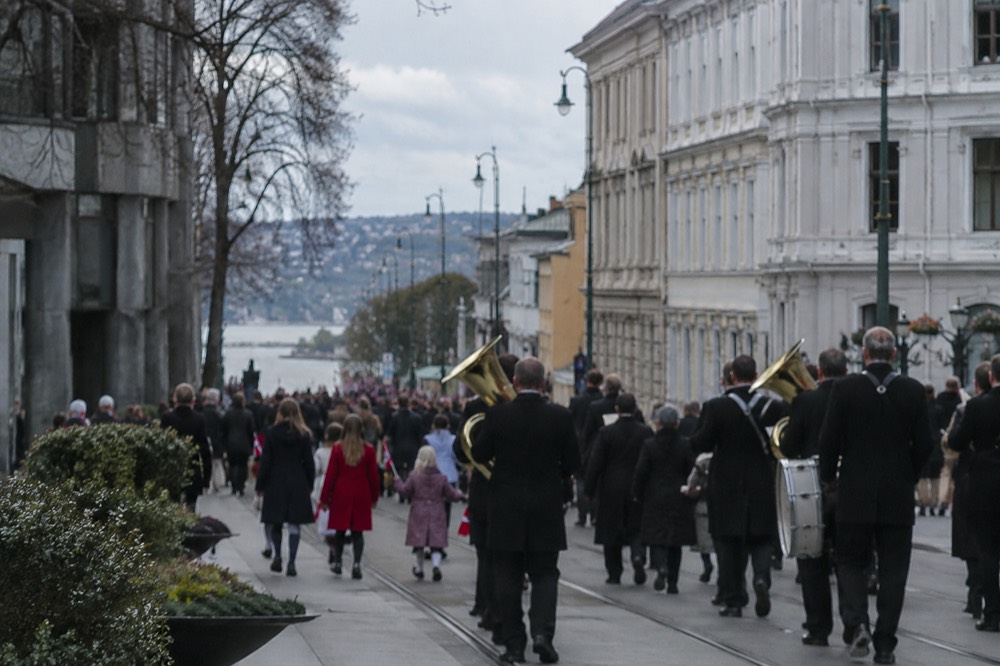
17 May is Norway's Constitution Day and the country's biggest annual celebration: children's parades roll through the center of Oslo from morning, the streets fill with flags and traditional bunad dress, traffic is barred from the core, and the day has the feel of a national family party rather than a staged festival. It is free to watch, and it is the single most recommended day of the Oslo year to visit, provided you plan around the closures.
The centerpiece is the children's parade, in which schools from across the city march past the Royal Palace while the royal family waves from the balcony. The parade route and the surrounding streets are closed to cars, and the whole downtown becomes a walking zone. Residents wear the bunad, the regional traditional costume, and the density of it is part of the spectacle: this is the one day the entire country dresses up.
The closures are the practical story. Norsk Folkemuseum is closed on 17 May, as it is on 24 and 25 December. Vinmonopolet, the state alcohol monopoly, is closed on 17 May and on all public holidays and Sundays, so there is no buying wine that day. Many shops shut or shorten hours. Public transport runs, but on a holiday schedule, and the center is best reached on foot because the streets you would drive through are the streets the parade uses.
| What changes on 17 May | Detail |
|---|---|
| City center traffic | Closed to cars for the parades |
| Museums | Most close or run reduced hours; Norsk Folkemuseum is closed |
| Vinmonopolet | Closed, as on all public holidays |
| Shops | Many close or open reduced hours |
| Public transport | Holiday schedule, crowded near the route |
| Cost to attend | Free; just turn up early for a spot on the route |
The rest of the day rewards simply being outside. The morning parades are the famous part, but the afternoon belongs to neighborhood celebrations, ice cream, and the long light of mid-May, when the day runs over seventeen hours. Our full 17 May in Oslo guide covers where to stand and what to expect hour by hour.
Is There a Christmas Market in Oslo?
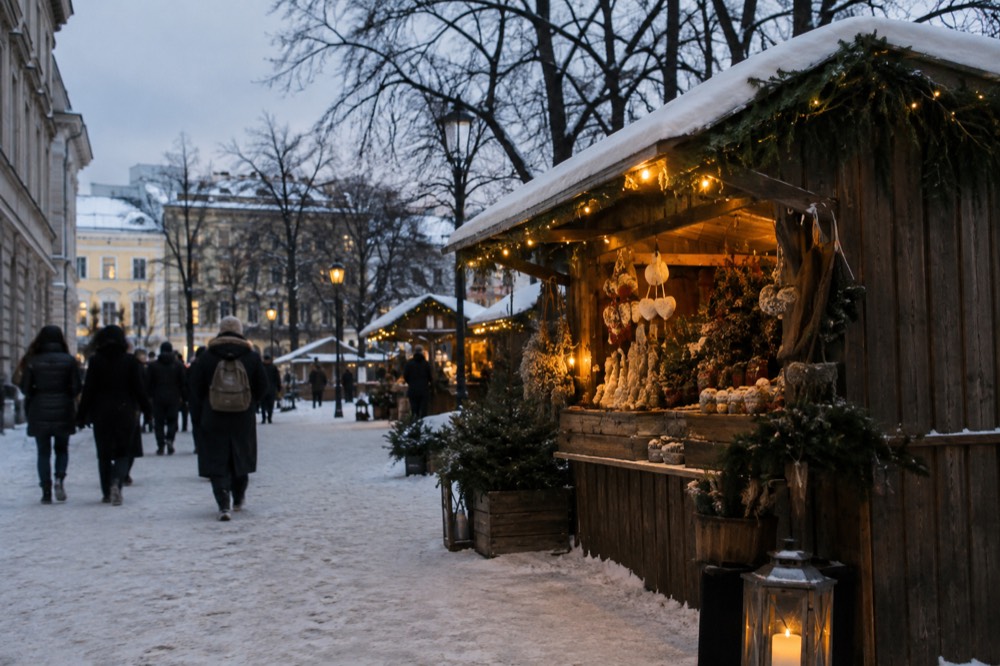
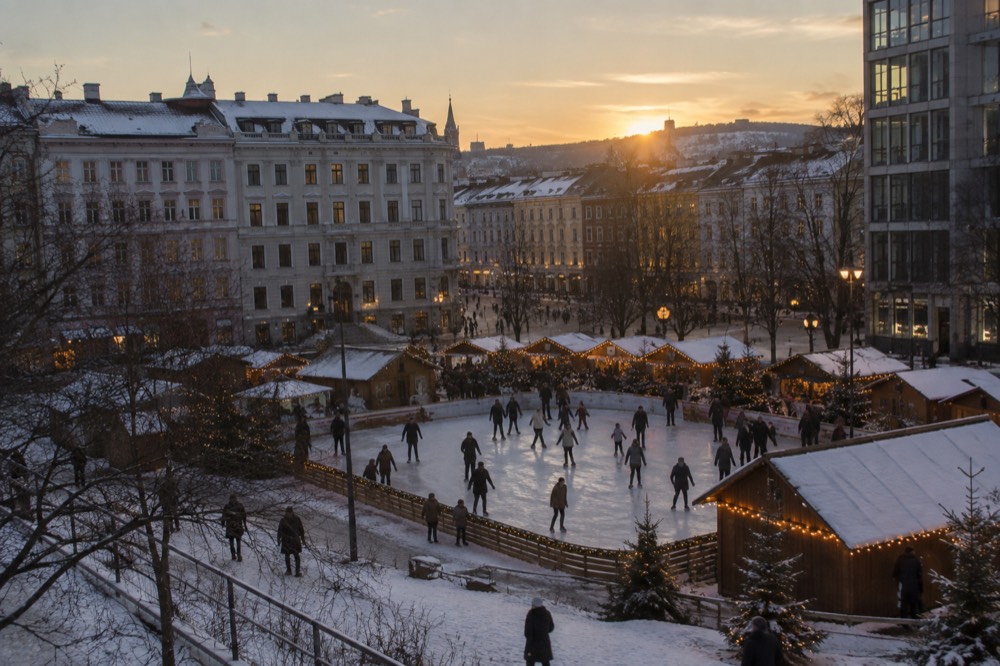
Yes, Oslo runs a Christmas market through December, centered on the main street area around Spikersuppa, with wooden stalls selling crafts and food, an ice rink, and lights strung through the trees. Entry is free and you pay as you go for food, drink and skating, and the market is the anchor of a December visit, running alongside shorter museum hours and the deepest dark of the year.
December in Oslo is a study in extremes. The sun rises at 09:18 and sets at 15:11 at the solstice, so the market's lights do real work rather than decoration: this is a city that lives its evenings in artificial light for a few weeks. The market leans into it, and the atmosphere is the product. Temperatures are cold but rarely brutal, with a December normal mean of −1.4 °C, so dress for freezing point rather than the Arctic.
The market is also when the year's second wave of closures lands. Norsk Folkemuseum closes on 24 and 25 December, Vinmonopolet shuts on public holidays and closes early on the days before them, and the whole country effectively pauses from Christmas Eve through Boxing Day. If your December trip spans the holidays themselves, plan for a quiet city: the lights are still on, but the shops are not.
For what the market sells, what it costs and how it fits a December itinerary, see the dedicated Oslo Christmas market page, and for the wider season, Oslo in December covers the dark, the snow odds and the museum schedule in detail.
What Is Oslo Pride Like?
Oslo Pride is one of the larger Pride celebrations in Northern Europe, taking over central Oslo across a summer week with a parade, concerts and a program of talks and parties, and much of it is free to attend or watch. The parade through the center is the visible peak, drawing large crowds, and the whole week lands during the warmest, lightest part of the Oslo year, which is exactly when the city is at its most sociable.
The timing is the practical advantage. Pride sits inside the June-to-August window when Oslo's outdoor life is fully switched on: the day still has over eighteen hours of light in late June, the island ferries run their summer timetables, and every terrace and waterfront in the city is in use. An event week that would be an indoor proposition in November becomes a city-wide street life in summer. The rest of the planning pages sit on Oslo Travel Guide.
It is also a good week to be a visitor beyond the parade itself. The crowds mean the popular paid activities, the fjord cruises and food walks especially, run at capacity, so book those ahead. Our Oslo Pride page covers the program and the viewing spots, and the general summer picture is in Oslo in summer.
What Free Events and Free Sights Pair with an Event Trip?
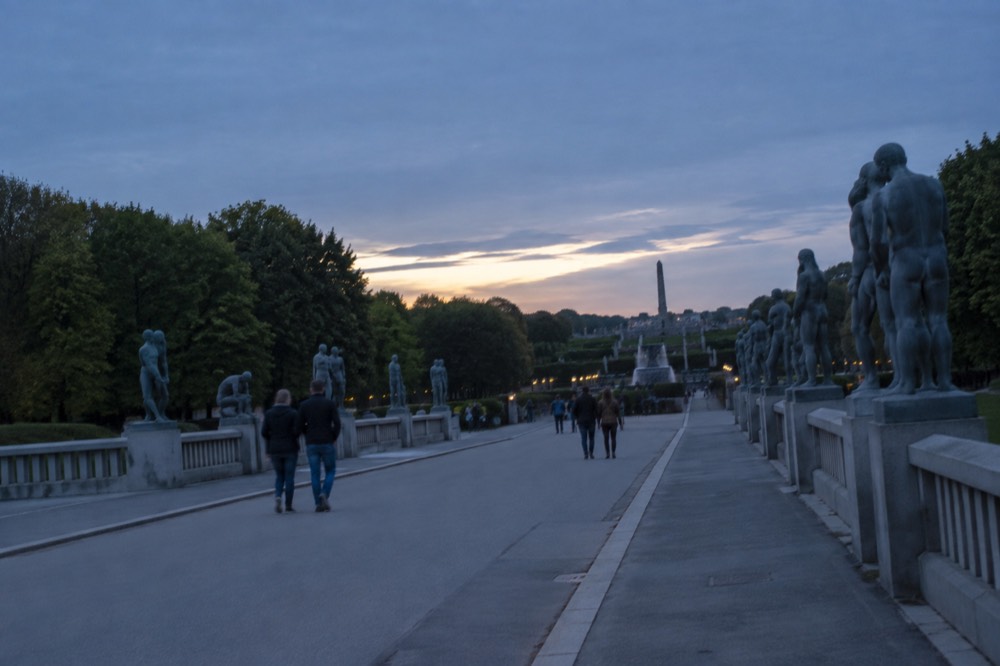
The strongest free pairings with any Oslo event week are the Vigeland sculpture park, which is free and open 24 hours a day all year with over 200 sculptures, the Opera House roof, which is free public space with no ticket, and the parades and street life of the events themselves, which cost nothing to watch. Add the free walking tours, which run on tips, and an event trip can be built almost entirely around free sights.
Vigeland Park deserves its spot at the top of that list because it is genuinely unrestricted: no gate, no hours, no ticket, all year. The separate Vigeland Museum is paid at 120 NOK, and keeping the two apart in your planning avoids a small surprise at the door. The Opera House roof is the other always-available free experience, a sloping marble surface you walk up for the fjord view, and it sits directly on the route between the center and the event spaces of the Bjørvika waterfront.
The free walking tours are the budget entry point for structure. The largest operator in the city runs an approximately two-hour highlights walk on a tip basis, and there are smaller themed alternatives, including a contrasts walk that covers east-west Oslo, and a locals-led option. They are covered in full in Oslo's free walking tours, and the wider free list is in free things to do in Oslo.
| Free pairing | What it is | When it works best |
|---|---|---|
| Vigeland Park | Free sculpture park, over 200 works, open 24/7 | Any season, any hour |
| Opera House roof | Free public walk-up roof with fjord view | Daylight hours, best light in summer |
| Event parades | 17 May, Pride and summer street life | The event days themselves |
| Free walking tours | Tip-based guided walks, about 2 hours | Daily in season, book a slot |
| Island ferry stops | Ordinary Ruter ticket, hop between islands | Summer timetable season |
Do Oslo's Events Affect Transport and Opening Hours?
Yes, and the effects are specific and predictable: public holidays close Vinmonopolet entirely, museums including Norsk Folkemuseum shut on 17 May and 24 to 25 December, transport runs holiday schedules on event days, and summer event weeks crowd the island ferries and the most popular tours. The single most useful thing to know is that the Oslo Pass covers the Vy trains to and from Oslo Airport Gardermoen but not Flytoget, which matters on arrival during any event week.
That airport fact is worth a paragraph of its own because most guides state it wrong. The pass covers public transport in Ruter zones 1, 2, 3, 4V and 4N, including the airport trains operated by Vy, while Flytoget, the separate airport express company, charges 268 NOK adult one-way and is not included. The Vy train takes about 23 minutes against Flytoget's roughly 20, so the pass route costs you three minutes and saves real money. On a busy event weekend, the cheaper train is also simply a calmer way to arrive.
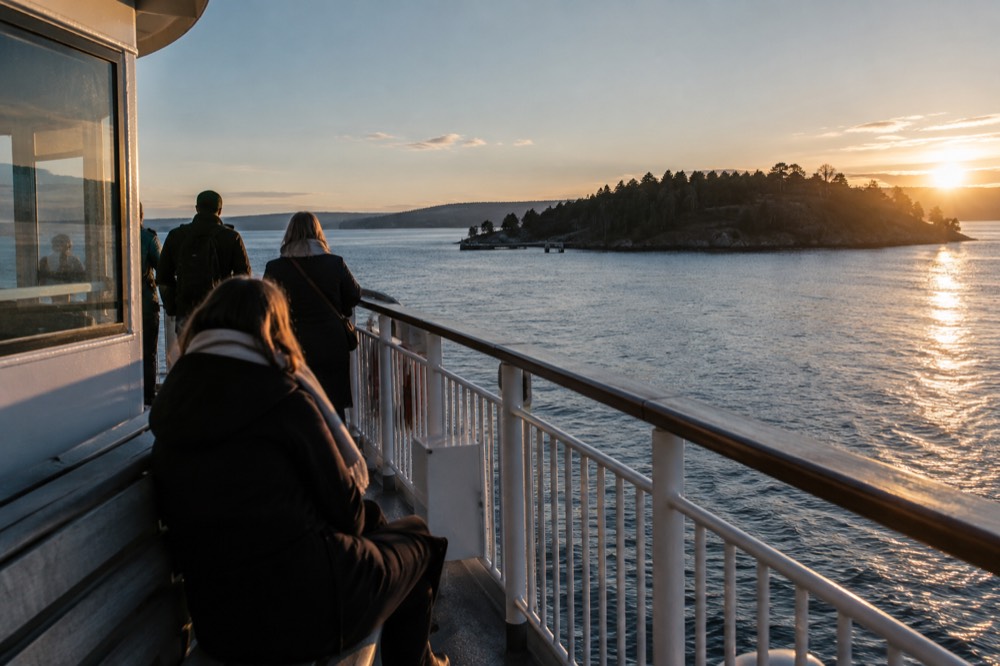
Within the city, the two ferry systems are the other thing event visitors mix up. The Bygdøy museum ferry runs seasonally from Rådhusbrygge 3 and is not covered by ordinary Ruter tickets, though it is covered by the Oslo Pass. The island ferries B1, B1X and B2 leave from Aker Brygge, are ordinary Ruter services, and get busy in summer event weeks, so travel early if you want a deck seat.
| Event-day effect | What happens |
|---|---|
| Public holidays | Vinmonopolet closed, most shops shut or reduced |
| 17 May | Center closed to traffic, museums shut, holiday transit schedule |
| 24 to 25 December | Norsk Folkemuseum closed, city largely paused |
| Summer event weeks | Island ferries and top tours at capacity, book ahead |
| Airport arrival | Oslo Pass covers Vy trains, not Flytoget at 268 NOK |
The full transport picture, including the ticket types and the zone system, is in getting around Oslo, and the pass economics are worked through in is the Oslo Pass worth it.
What Tours Are Worth Booking Around Oslo's Events?
The tours that pair best with Oslo's event calendar are the fjord cruises, which run year-round and work in any weather, the museum tickets that anchor a Bygdøy day between event activities, and the food and walking tours that show the neighborhoods where event-week life happens. In summer, book the fjord and food options ahead because event weeks fill them; in winter, the museum tickets and the dark-season evening walks are the reliable choices.
The fjord cruise is the constant. The silent electric boat with audio guide runs in every season and is the single best-reviewed activity in the city, which is why it is the default recommendation for visitors who want one guaranteed good hour and a half regardless of what the event calendar or the weather is doing. The wooden sailing-ship version is a completely different experience at a similar price, and the guided premium silent boat is the higher-end counterpart. In event weeks, all of them benefit from early booking.
Museums are the winter and rain answer, and the Bygdøy cluster is the strongest set. Kon-Tiki is the best-reviewed museum ticket in the city, Fram sits next to it and covers the polar side, and the two pair naturally with a half-day. Note that the Museum of the Viking Age remains closed until 2027, so Viking Planet is the honest substitute for that part of the story. The full museum picture, including what is covered by the pass, is in Oslo's museums.
For the neighborhoods, the food walks are the natural fit with event weeks, when restaurants and street life are at their liveliest. The city-centre Norwegian food walk is the strongest general option, the Grünerløkka neighborhood walk covers the district that hosts much of Oslo's summer evening culture, and a street-food format covers a third angle. The beer and culture walk is a genuinely useful format in a country whose alcohol rules confuse most visitors, and it is covered alongside the others in Oslo's food and drink tours.
How Should You Plan an Oslo Trip Around the Event Calendar?
Pick your anchor event first, then build the rest of the trip around its season: 17 May for the biggest single day, December for the Christmas market and the dark-season atmosphere, or June through August for the fullest calendar and the longest days. Book the fjord cruise and any food walk before you travel if your dates fall in summer, plan around the holiday closures if they fall on 17 May or over Christmas, and leave slack in the itinerary for weather, especially in August.
The anchor-event approach works because Oslo's seasons are so distinct that the same city is effectively three different destinations. A June trip is a long-light outdoor city where dinner by the fjord at nine in the evening is normal. A December trip is a compact, lamp-lit city built around the market, museums and the evening walk between them. A 17 May trip is a one-day national spectacle wrapped in a shoulder-season city. Choosing the anchor first, rather than trying to fit all of them, is what makes the itinerary work.
Budget follows the same logic. Watching the parades, the market lights and the street life costs nothing. The paid layer, the cruises, the food walks, the museum tickets, is where the money goes, and the honest summary of Oslo costs is that museums and transport are not unusually expensive while restaurants and alcohol are, with alcohol and tobacco running at more than double the European average on Statistics Norway's price-level comparison. Plan your spending accordingly: put your money on one or two booked experiences and eat one memorable meal, rather than spreading thin across ordinary ones.

Wherever your dates land, the practical checklist is short: check which of your dates are public holidays, because those close Vinmonopolet and most shops; check whether your museum day collides with a closure; book the two or three highest-demand activities if you are in summer; and remember that the pass covers the Vy airport train but not Flytoget on your way home. The rest of the planning is best done with the season pages, Oslo in summer and Oslo in winter, and with the weather picture in Oslo weather by month. This site, Oslo Travel Guide, keeps the whole calendar and every season page under one roof.
Common Questions About Oslo Events
What is the biggest event in Oslo?
The 17 May Constitution Day celebration is the biggest single event of the Oslo year, with children's parades through the closed city center, the royal family on the palace balcony, and much of the population in traditional dress. It is free to watch and needs no ticket, only an early spot on the route.
Is the Oslo Christmas market free to enter?
Yes, the Christmas market is free to enter and you pay only for what you buy, food, drinks and the ice rink. It runs through December and is at its most atmospheric in the late afternoon once the lights come on against the short winter days.
Are shops and museums open on 17 May?
Mostly no. Norsk Folkemuseum is closed on 17 May, many other museums shut or run reduced hours, most shops close, and Vinmonopolet is closed on the day as it is on every public holiday. The parade itself is the attraction, and the center is best explored on foot.
When is Oslo's festival season?
The main festival and outdoor event season runs from June through August, the warmest and lightest part of the year, with July the warmest month at a normal mean of 17.7 °C. Book popular tours and cruises ahead for these months, as event weeks fill them.
What is the best month to visit Oslo for events?
May for 17 May, June for the longest days and Pride season, or December for the Christmas market. Each anchors a different version of the city, so the best month depends on whether you want the parade, the light or the dark-season atmosphere.
Does the Oslo Pass work during event weeks?
Yes, and it is especially useful then. It covers over 30 museums and the Ruter transport network including the island ferries, plus the seasonal Bygdøy ferry, and it covers the Vy trains to and from Oslo Airport Gardermoen, though not Flytoget. During crowded event weeks it also saves queueing at museum counters.