Oslo Hidden Gems: The Places Most Visitors Walk Straight Past
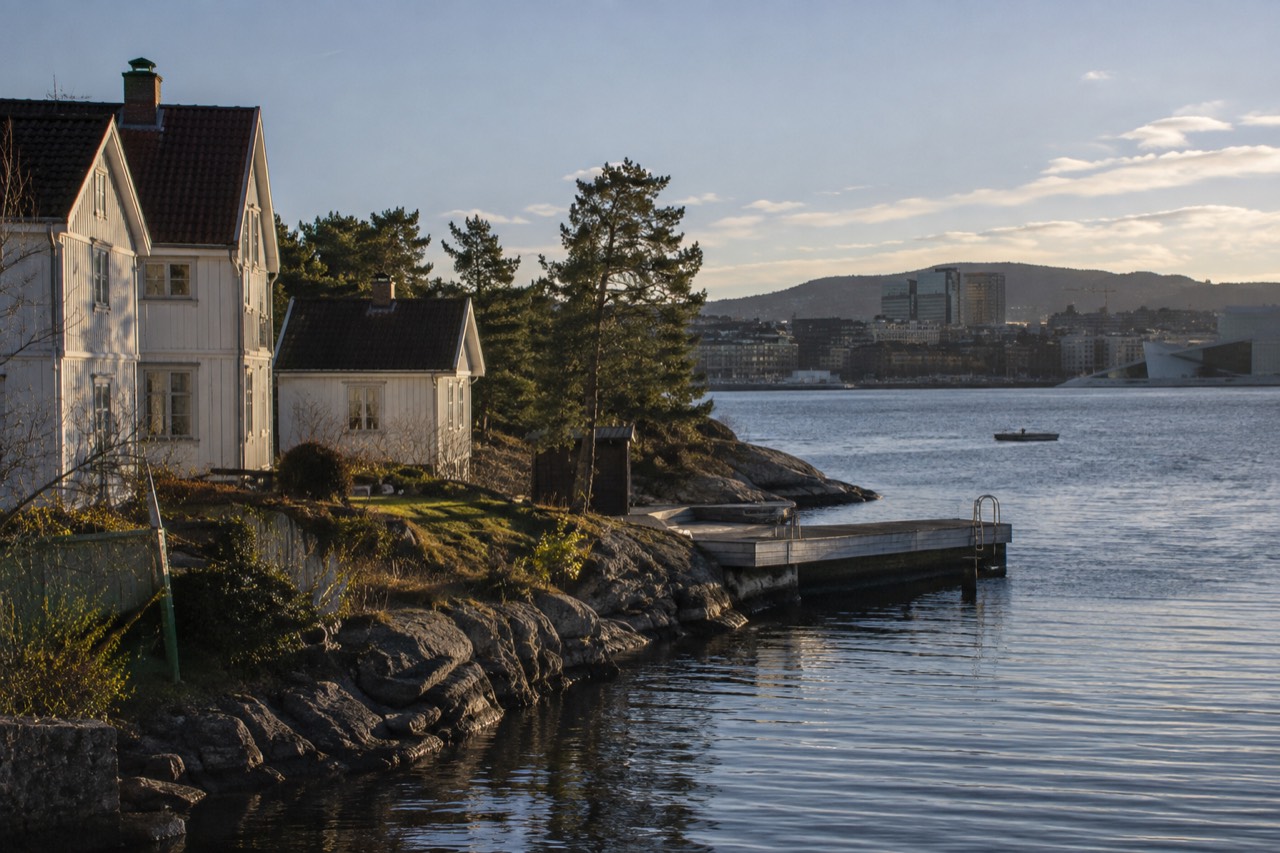
Oslo keeps its best bits quiet. Beyond the Opera House and the fjord cruises sits a second city of abbey ruins, industrial courtyards, free sculpture hills and a food hall inside an old iron foundry, and almost all of it costs little or nothing.
Short answer
Oslo's best hidden gems are the east-side neighborhoods of Grünerløkka, Vulkan and Tøyen, the quiet Oslofjord islands of Hovedøya and Langøyene, Ekebergparken's free sculpture forest, the Mathallen food hall, and the small museums locals actually visit. Most are free or under 200 NOK, and every one is reachable on an ordinary Ruter ticket.
Oslo rewards the second look. The city most visitors see, the Opera House roof, Karl Johans gate, the big museums on Bygdøy, is real and worth your time, but it is maybe a third of what Oslo actually is. The rest sits a tram ride east or a ferry ride south: a ruined abbey on an island you can reach for the price of a bus ticket, a sculpture park in a forest where the admission price is nothing at all, and a food hall built inside the brick shell of an iron foundry.
This itinerary gathers the places that rarely make a first-time list. Some are genuinely obscure, some are simply a fifteen-minute walk the wrong way from the crowds, and a few are famous among locals and unknown to everyone else. Every price below is real, every transport detail is checked, and the whole thing can be done without a car. For the classics first, start with our one day in Oslo planner and come back here for round two. This is the approach oslotravelguide.com takes throughout: the famous sights get their own pages, and the quiet city gets this one.
What Are the Best Hidden Gems in Oslo?
The strongest hidden gems in Oslo are Ekebergparken's free hillside sculpture park, the abbey ruins and beaches of Hovedøya, the Mathallen food hall in the Vulkan complex, the Munch-era streets of Tøyen, and the Vigeland Museum next to the park everyone photographs. Add the Oslo City Museum at Frogner and the forest lake at Sognsvann and you have a full second trip that costs almost nothing: four of the seven are free, and none of the rest tops 280 NOK.
Hidden, in Oslo, rarely means hard to reach. It means the crowd went somewhere else. Ekebergparken sits on a hill directly above the Opera House, close enough that you can see the cruise ships it towers over, yet the forest paths and the sculptures placed among the trees feel like a different city. The park is free, open around the clock, and reached by tram.
The pattern repeats across this list. Hovedøya is a ten-minute ferry from Aker Brygge. Mathallen is one tram stop from the central station area. Tøyen is four metro stops east. Oslo hides its gems in plain sight, one stop past where the tour groups step off, and that is exactly why they stay quiet.
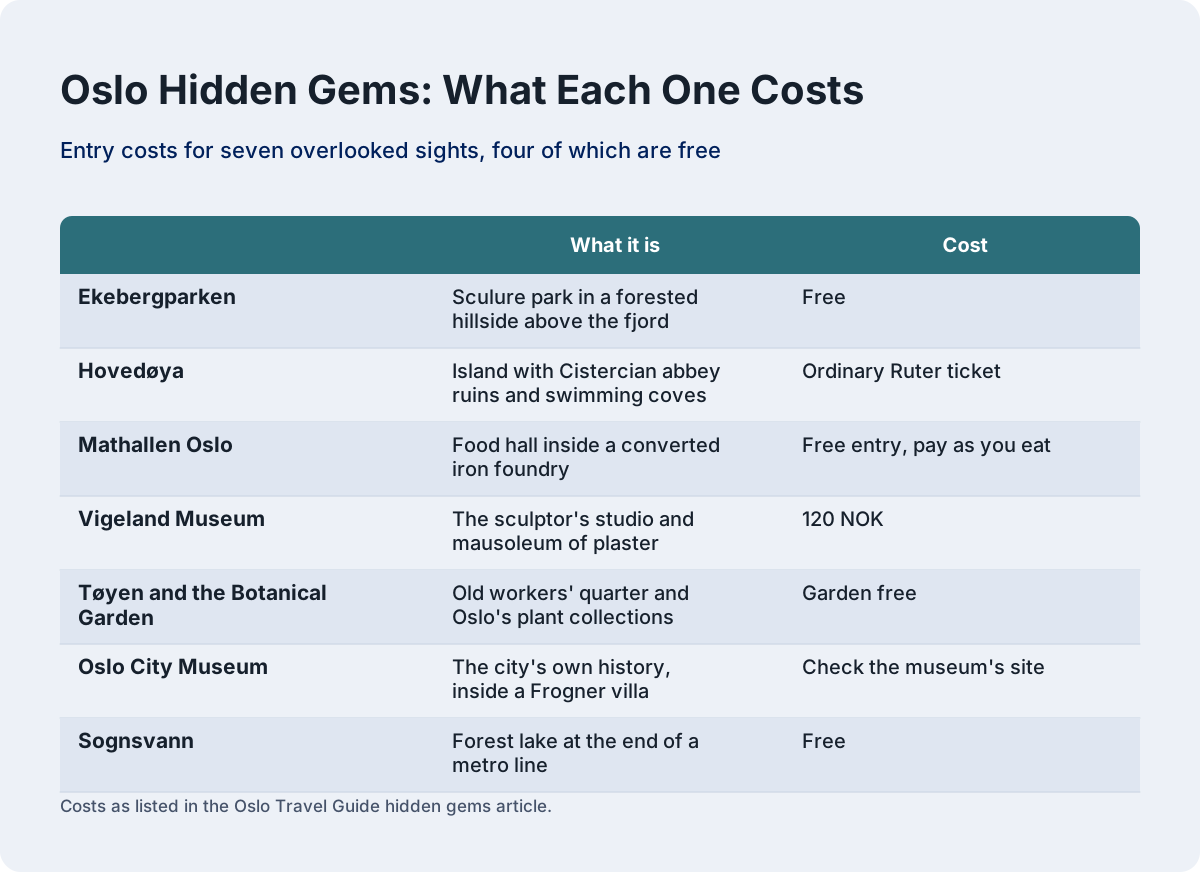
Here is the shortlist in one view, with the honest cost of each.
| Hidden gem | What it is | Why it stays quiet | Cost |
|---|---|---|---|
| Ekebergparken | Sculpture park in a forested hillside above the fjord | No ticket office, no gate, no signage from the center | Free |
| Hovedøya | Island with Cistercian abbey ruins and swimming coves | Requires the island ferry from Aker Brygge | Ordinary Ruter ticket |
| Mathallen Oslo | Food hall inside a converted iron foundry | Tucked behind Grünerløkka's main drag | Free entry, pay as you eat |
| Vigeland Museum | The sculptor's studio and mausoleum of plaster originals | Everyone stops at the park outside and walks past the door | 120 NOK |
| Tøyen and the Botanical Garden | Old workers' quarter and Oslo's plant collections | Guidebooks send you west instead | Garden free |
| Oslo City Museum | The city's own history, inside a Frogner villa | Small, unfussy, off the cruise circuit | Check the museum's site |
| Sognsvann | Forest lake at the end of a metro line | A locals' swimming and ski spot, never a tour stop | Free |
Which East-side Neighborhoods Hide Oslo's Best Local Life?
Grünerløkka, Vulkan and Tøyen are where Oslo's hidden local life actually happens, all on the east bank of the Akerselva river. Grünerløkka holds the cafes, bars and vintage shops, Vulkan adds the food hall and a riverbank cultural complex, and Tøyen keeps the botanical garden, old wooden houses and a genuinely mixed neighborhood feel. All three sit within a fifteen-minute tram or metro ride of the center.
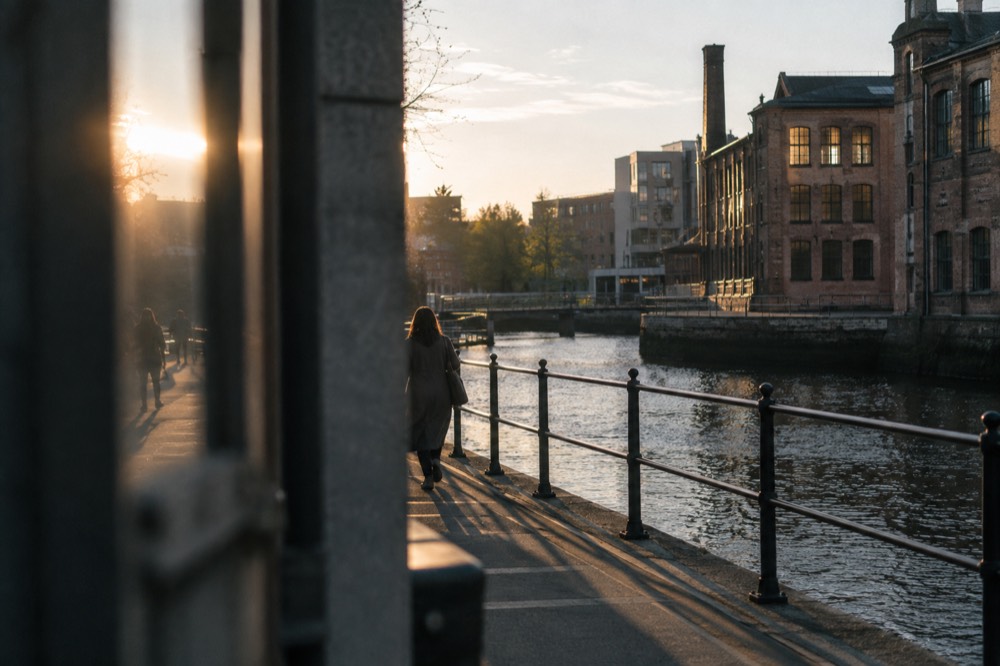
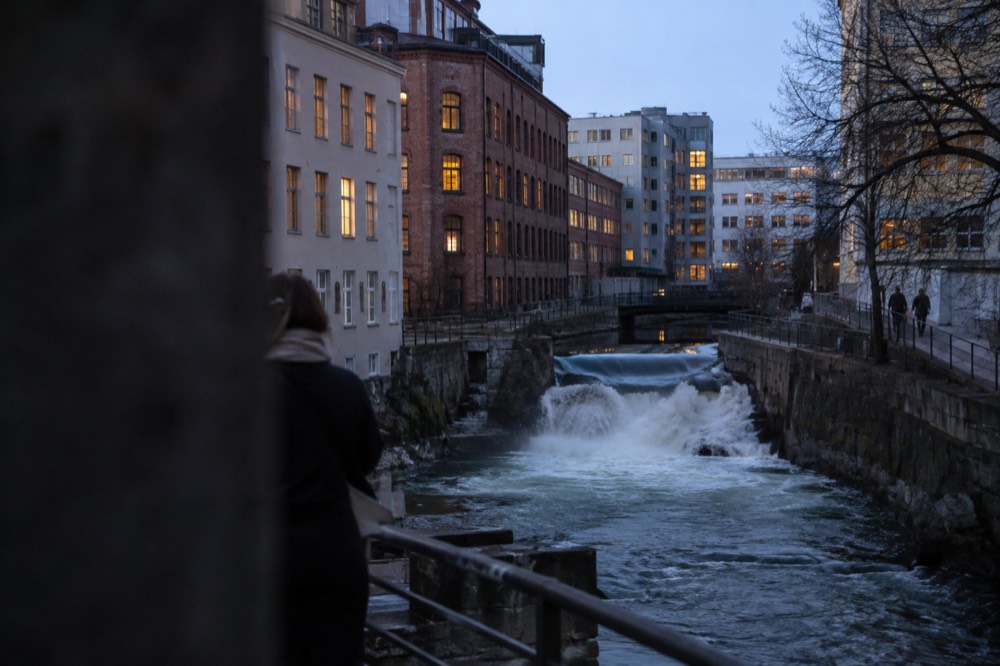
The river is the thread. The Akerselva drops from the lakes at Maridalsvannen through waterfalls, old factory buildings and parkland to the fjord, and the whole walk takes a couple of hours at wandering speed. The factories are the point: this was Oslo's industrial spine, and the mills and ironworks are now studios, campuses and the Vulkan complex. Our Grünerløkka area guide covers the neighborhood street by street, and the Vulkan guide takes the foundry complex in detail.
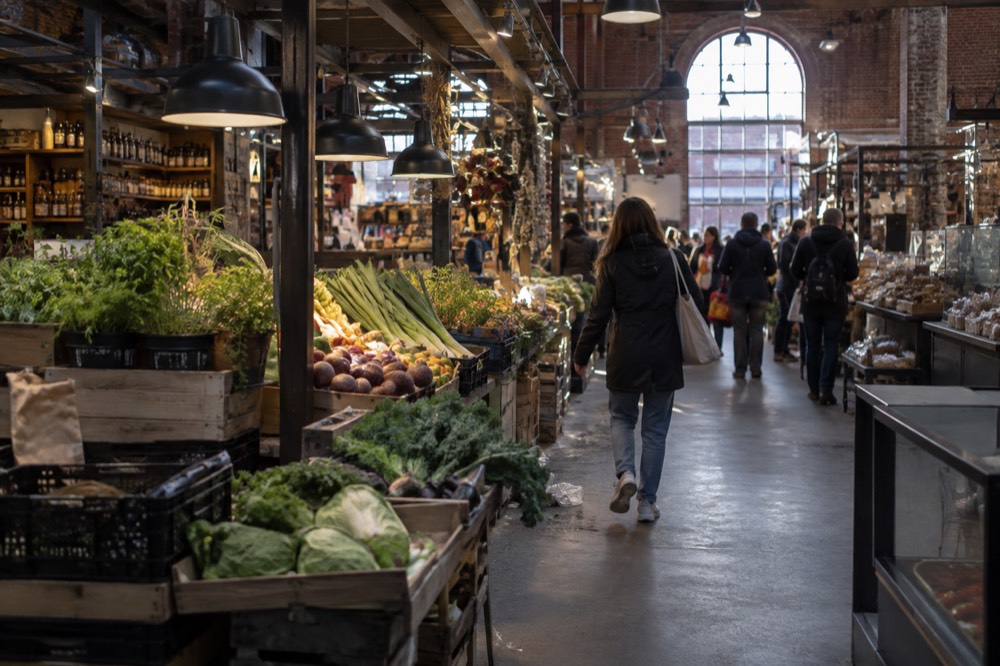
Mathallen deserves its own paragraph. It is a food hall of independent stalls, seafood, cheese, coffee, small-plate kitchens, inside the red brick of the old Vulkan ironworks, and it is the single best place in the city to assemble a picnic or a cheap lunch from Norwegian producers. Entry is free and you pay per stall, which makes it one of the few Oslo food experiences where you control the spend completely. The Mathallen Oslo guide lists the standout stalls.
Tøyen is the next stop east and the least visited of the three, which is its charm. The Botanical Garden is free, beautifully kept, and sits beside the old Munch-era quarter of wooden houses that most visitors never see. Our Tøyen and Grønland guide maps it all, including the stretch of Grønland where the city's best-value eateries cluster.
A guided walk changes the math if you would rather not navigate the east side alone. The city-center Norwegian food walk is built exactly around this idea, hidden corners plus tastings, and a local guide will get you into back courtyards you would walk past otherwise. For a different flavor of the same idea, the Grünerløkka neighborhood food walk works the riverbank and the food hall side.
What Secret Islands and Swimming Spots Do Locals Keep to Themselves?
The Oslofjord islands are Oslo's real secret: Hovedøya with its ruined Cistercian abbey, Gressholmen's rocky coves, and Langøyene's beaches, all reached by public ferry from Aker Brygge on an ordinary Ruter ticket. The lines B1 and B2 run year-round and seasonally respectively, and no tour, ticket supplement or booking is involved. You simply tap the same ticket you used on the tram.
The detail that trips up almost every visitor is the pier. The island ferries leave from Aker Brygge, while the separate Bygdøy museum ferry leaves from Rådhusbrygge 3 on the other side of City Hall, and the two systems accept different tickets. Ruter tickets are valid on the island ferries and not on the Bygdøy ferry. Get that one fact right and the whole fjord opens up.
Hovedøya is the classic hidden-gem pick. Ten minutes across the water, and you are walking through monastery ruins founded in the twelfth century, then around a shoreline of swimming coves that fill with locals on any warm July afternoon. Water temperatures in July and August typically sit between 15 and 20 °C, which is bracing rather than tropical, and perfectly normal for this latitude. The Hovedøya guide covers the abbey history and the paths.
Langøyene, on the summer-only B2 line, is the swimming and beach island, with grassy stretches and shallows that warm faster than the rocky coves elsewhere. It is the farthest out and the least crowded of the reachable islands on a weekday, so bring what you need, since there is little in the way of services out there.
| Island | Ferry line | What you find there | Best for |
|---|---|---|---|
| Hovedøya | B1, year-round | Cistercian abbey ruins, forest paths, swimming coves | History plus a swim |
| Gressholmen | B1, year-round | Rocky shoreline, quiet coves, small-aircraft history | A picnic spot |
| Lindøya | B1, year-round | Wooden cabin villages, narrow lanes | A slow wander |
| Langøyene | B2, summer only | Beaches, grassy flats, shallow swimming | A full beach day |
If a half-day of ferry hopping with a guide sounds better than reading a timetable, the ferry-and-foot island hopping tour does exactly that, and it is one of the highest-rated experiences in the city on the strength of the islands themselves.
Where Are Oslo's Overlooked Museums and Small Galleries?
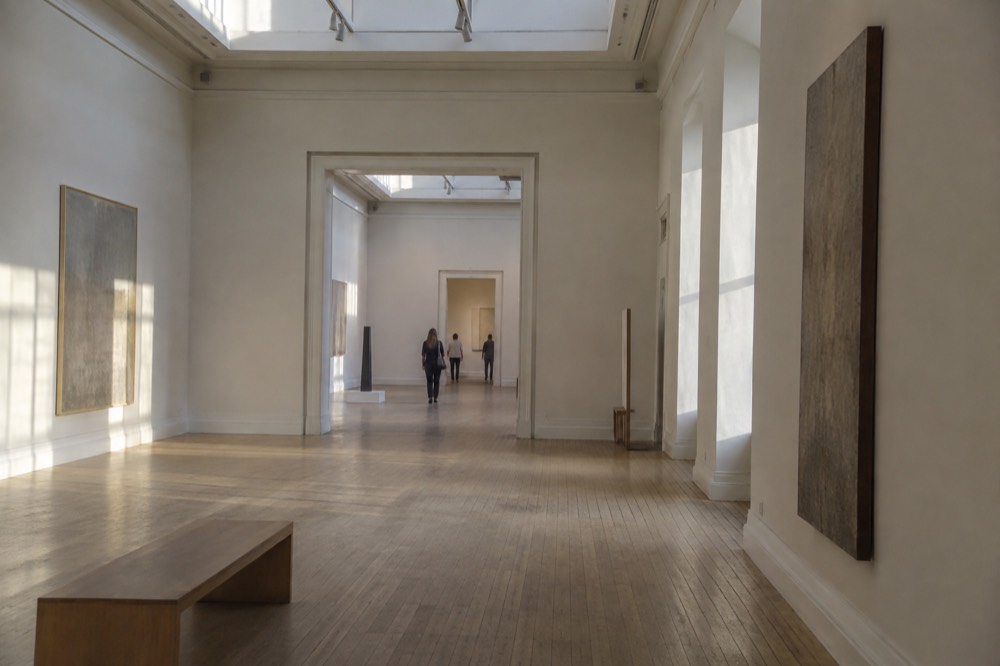
Oslo's overlooked museums are the Vigeland Museum at 120 NOK, the Oslo City Museum in Frogner, the Astrup Fearnley contemporary art museum on Tjuvholmen, and the botanical-adjacent collections at Tøyen. The Vigeland Museum is the standout: the plaster originals behind the sculptures everyone photographs in the park next door, in the sculptor's own studio building, and almost nobody steps inside.
Vigeland is the clearest hidden gem in the city because the famous part is free and the hidden part costs 120 NOK. The park, with its monolith and its 200-plus sculptures, is open 24 hours a day, all year, no ticket. The museum across the road holds Gustav Vigeland's plaster models, his apartment, and the working process behind the park, and it is quiet even on days when the park is busy. Our Vigeland Park guide explains how the two fit together, and a guided Vigeland Park art walk is the bookable way to get the sculpture decoded, since the park itself has no guiding on site.
The Oslo City Museum tells the story of the capital itself, inside a villa in the Frogner parkland, and it is the museum locals bring visitors to when they want something quieter than the national institutions. The Astrup Fearnley Museum on Tjuvholmen is the contemporary art pick, a striking building by the water holding international modern work, at 180 NOK adult with under-20s free.
Two honesty notes. The Museum of the Viking Age on Bygdøy is closed until it reopens in 2027, so it belongs on no itinerary, hidden or otherwise; our Museum of the Viking Age page tracks the reopening as the museum states it. And if your day turns wet, the rainy day in Oslo guide ranks the indoor options, hidden and mainstream, by real cost.
What Hidden Food and Drink Spots Reward a Detour?
Oslo's hidden food spots are Mathallen's stall lunches, the Grønland strip's best-value eateries, the coffee roasters of Grünerløkka, and the small-plate kitchens tucked inside Vulkan's courtyards. This is also where Oslo's prices bite hardest: Statistics Norway's 2025 survey puts food 33% above the European average and alcohol at more than double, so the hidden-gem food strategy is stalls, markets and east-side streets rather than restaurants.
Grønland, between Tøyen and the center, is the value answer in a city that needs one. The street kitchens and grocers along its main stretch serve some of the cheapest hot food in the capital, and the neighborhood's area guide points to the reliable ones. Our Oslo cheap eats guide goes further, and the Oslo street food guide covers the market scene.
Coffee is Oslo's quiet obsession, and the roasteries of Grünerløkka and Vulkan are where it lives. A flat white from a roastery counter is one of the few Oslo pleasures priced within reach of anywhere else in Europe, and the district's cafe strip is the place to test that claim. Other pages covering the same trip are gathered on Oslo Travel Guide. Other pages covering the same trip are gathered on Oslo Travel Guide.
Alcohol is the opposite, and pretending otherwise would be dishonest. Wine and spirits are sold only through Vinmonopolet, the state monopoly, which closes on Sundays and public holidays and early on Saturdays, with hours varying by store. Supermarkets sell beer and cider only up to 4.7% ABV, and stop at a fixed evening cut-off. The upshot for a visitor is simple: if an evening drink matters to you, plan the purchase, and expect bar prices to reflect a country where alcohol and tobacco run at more than double the European average. The price of beer in Oslo guide and the tipping in Oslo guide cover the rest of the money etiquette.
A food walk earns its price here precisely because the good spots are unmarked. The city-center Norwegian food walk pairs hidden-gem locations with tastings, and a guide who knows the stall owners will get you samples and shortcuts no map provides. Check availability for your dates, since the walks run in small groups.
Which Green Escapes Sit Inside the City Limits?
Oslo's green escapes are Ekebergparken's sculpture forest above the fjord, the Sognsvann lake at the end of the metro, the Nordmarka forest belt that begins at Frognerseteren, and the Akerselva river walk through the middle of town. All four are free, all four are inside the city's transport zones, and together they are the reason Oslo markets itself as a city where you can be in deep forest half an hour after leaving a museum.
Ekebergparken is the head-scratcher: a national-quality sculpture collection scattered through a hillside forest, open free around the clock, with views straight down the fjord to the Opera House, and yet the cruise crowds two hundred meters below rarely climb up. Our Ekebergparken guide covers the works and the paths. Sognsvann, at the end of one T-bane ride, is the locals' lake, a swimming and picnic spot in summer and a cross-country ski trailhead in winter; the Sognsvann guide has the access details, and the hiking near Oslo guide ranks the trails beyond it.
Nordmarka is the big one, a forest of lakes and marked trails that starts where the metro line ends at Frognerseteren. You do not need a car, a tour or even a plan: the T-bane line 1 ride up is part of the pleasure, and the Nordmarka guide maps the entry points. In winter the same forest turns into the groomed ski network that makes Oslo the only European capital where a learn-to-ski half-day is a real bookable activity.
| Green escape | How to get there | What it costs | Season notes |
|---|---|---|---|
| Ekebergparken | Tram to the hillside above the fjord | Free | Sculpture and views year-round |
| Akerselva river walk | Walk from Grünerløkka or the center | Free | Waterfalls and factory architecture |
| Sognsvann | T-bane to the lakeside terminus | Free | Swimming in summer, ski trails in winter |
| Nordmarka | T-bane line 1 to Frognerseteren | Free entry | Groomed ski trails in winter |
| Hovedøya and the islands | Ferry from Aker Brygge | Ordinary Ruter ticket | B2 beach line runs in summer |
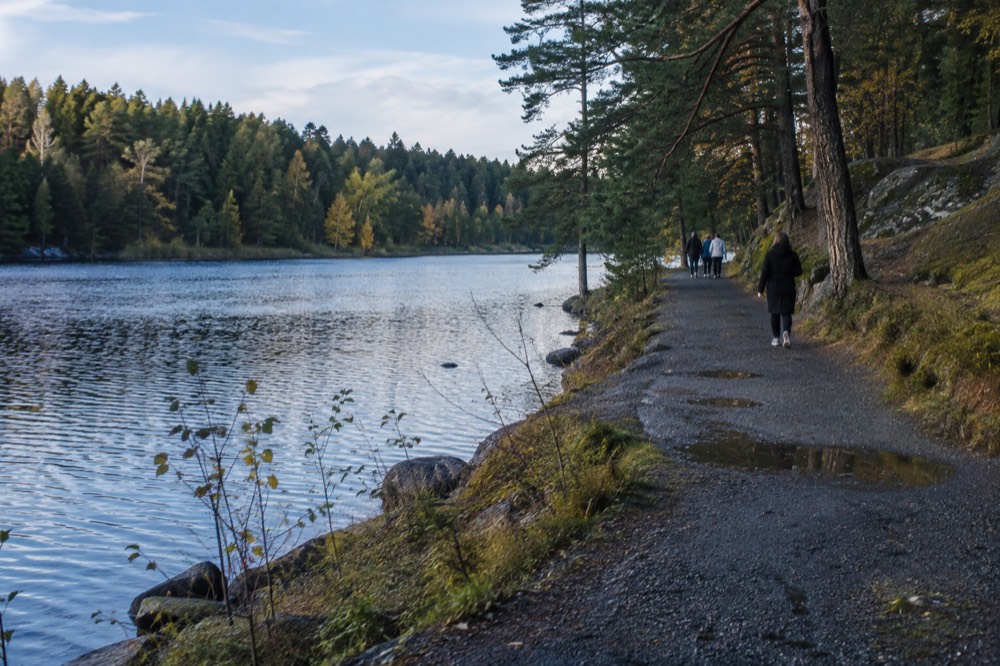
The forest is also where Oslo's most distinctive guided experience lives. The torchlit winter walk with a campfire runs inside the city limits, and it is the rare tour that feels like a genuine local secret rather than a visitor product.
How Do You Plan a Hidden-gems Day in Oslo?
Plan a hidden-gems day by pairing one east-side morning, one island or hill afternoon and one museum or food stop, all on a single Ruter day's travel. Start at Mathallen or Grønland, take the river walk south, ferry to Hovedøya or climb Ekebergparken, and finish at the Vigeland Museum or a Grünerløkka cafe. A 24-hour Oslo Pass at 580 NOK covers the museums and every ride, including the airport Vy trains, and beats individual tickets once you add two paid museums.
The pass math is worth doing honestly. The Vigeland Museum at 120 NOK, MUNCH at 280 NOK and a couple of paid attractions stack quickly against 580 NOK for 24 hours, and the pass includes the trams, metro and the island ferries, plus the Bygdøy ferry that ordinary Ruter tickets do not cover. Our is the Oslo Pass worth it guide runs the full break-even table, and the Oslo Pass guide lists what is included.
Here is a worked day, with the transport legs in order.
| Time | Stop | Getting there | Cost |
|---|---|---|---|
| 09:30 | Mathallen breakfast, Vulkan | Tram to Grünerløkka | Free entry, pay per stall |
| 11:00 | Akerselva river walk south | On foot | Free |
| 13:00 | Hovedøya abbey and coves | B1 ferry from Aker Brygge | Ruter ticket |
| 16:00 | Ekebergparken sculpture hill | Tram from the center | Free |
| 18:00 | Dinner in Grønland or Grünerløkka | Tram or walk | East-side prices |
Swap the island for Sognsvann on a hot day, or for the Vigeland Museum on a wet one, and the skeleton still holds. The getting around Oslo guide covers the ticket mechanics, and the Oslo on a budget guide prices the whole approach. For a longer stay, the three days in Oslo itinerary leaves room on day three for exactly this list.
One planning note that saves real money: if you are flying in, the Oslo Pass covers the Vy trains to and from Gardermoen but not the Flytoget express, which runs 268 NOK adult against the Vy fare of about half that for a ride only three minutes slower. Our Flytoget vs Vy guide and the Oslo airport to city center guide have the full comparison, and it is the single most useful transport fact on this site.
What Hidden Gems Sit Closest to the Tourist Trail?
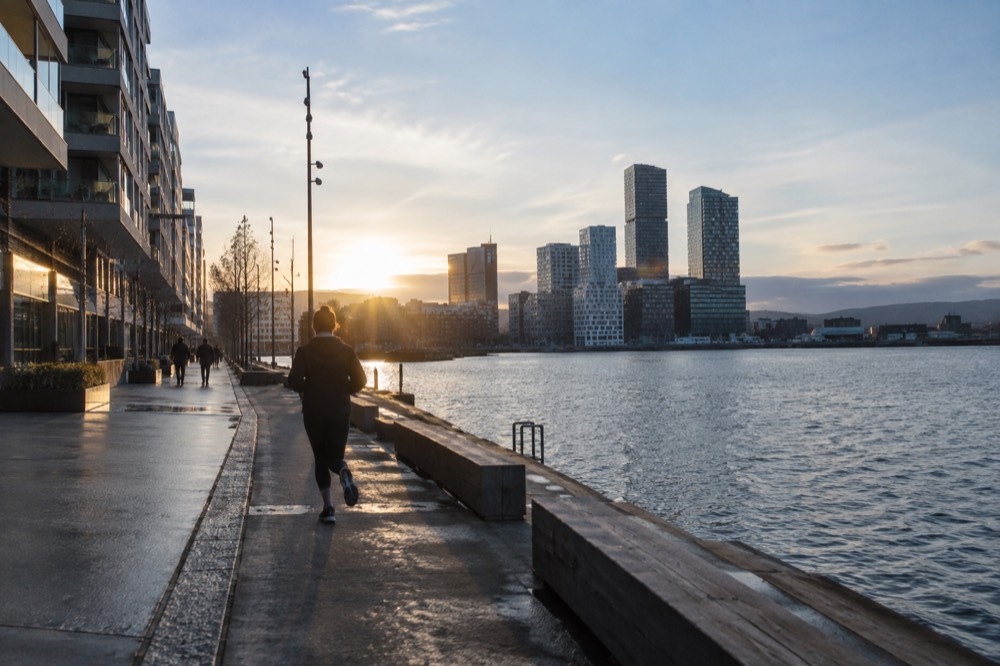
The hidden gems closest to the center are the Barcode district's architecture, the Tjuvholmen shoreline walk, the backstreets of Frogner behind the City Museum, and the Oslo Cathedral quarter, each within a ten-minute walk of Karl Johans gate. They are the highest-value detours on this list because they cost minutes rather than tram rides, and they slot into any existing plan without rebuilding the day.
The Barcode strip, those narrow glass towers behind the Opera House, is a five-minute walk from the cruise terminal and almost always photographed from a distance rather than walked through. The Tjuvholmen neighborhood beside it adds a sculpture beach and the Astrup Fearnley, and the two combine into an easy waterfront hour. Frogner's villa streets behind the City Museum are the quietest blocks in the inner city, and the Frogner area guide maps the walk past them to the Vigeland complex.
For evening, the after-dark version of the same idea works the same way: the waterfront stays lively and the east side fills up, and the quiet blocks empty out. Between them, the genuinely strange corners of the city, the ones this page leaves out on purpose, deserve their own slow afternoon, and the free sights are the natural companion here, since so much of the hidden city costs nothing at all.
Even the fjord has a hidden-gem angle: the silent electric boat slips along the inner Oslofjord with an audio commentary, and its early and late departures pass the islands at the quiet hours. It is the mainstream activity done at the moments most visitors miss.
Common Questions About Oslo Hidden Gems
What are the best hidden gems in Oslo?
Ekebergparken's free sculpture forest, the Hovedøya abbey ruins, the Mathallen food hall at Vulkan, the Vigeland Museum, the Tøyen quarter and the Sognsvann lake. Most are free, and all sit inside the ordinary transport zones.
Are Oslo's hidden gems free?
Largely, yes. Ekebergparken, the islands, the river walk, Sognsvann and the Botanical Garden cost nothing beyond a tram or ferry ticket. The paid exceptions are small: the Vigeland Museum at 120 NOK and Astrup Fearnley at 180 NOK, with under-20s free at the latter.
How do I reach the Oslofjord islands?
Take the Ruter ferry lines B1 or B2 from Aker Brygge on an ordinary Ruter ticket or an Oslo Pass. B1 runs year-round to Hovedøya, Gressholmen and Lindøya; the B2 beach line to Langøyene runs in summer only. Do not confuse this pier with the Bygdøy museum ferry at Rådhusbrygge 3, which Ruter tickets do not cover.
What is the most underrated neighborhood in Oslo?
Tøyen and Grønland, on the east side. The Botanical Garden is free, the wooden-house streets are among the oldest in the city, and the food along Grønland is the best value in the capital.
Is Grünerløkka a hidden gem?
Less than it was, since locals and visitors have both found it, but the streets behind it still are. Mathallen and the Vulkan complex sit one block off the main drag and stay noticeably quieter, and the river walk below them is the neighborhood's best-kept half hour.
Can you see Oslo's hidden gems without a car?
Completely. Every gem on this list sits on a tram, metro or ferry line, and the forest at Nordmarka begins where T-bane line 1 ends. A single day ticket or an Oslo Pass covers all of it.