Michelin Dining in Oslo: What It Costs and How to Book It
Oslo's top dining rooms are among the most sought-after tables in Scandinavia, and the city's cost structure shapes every part of the experience, from the tasting menu to the wine pairing.
Short answer
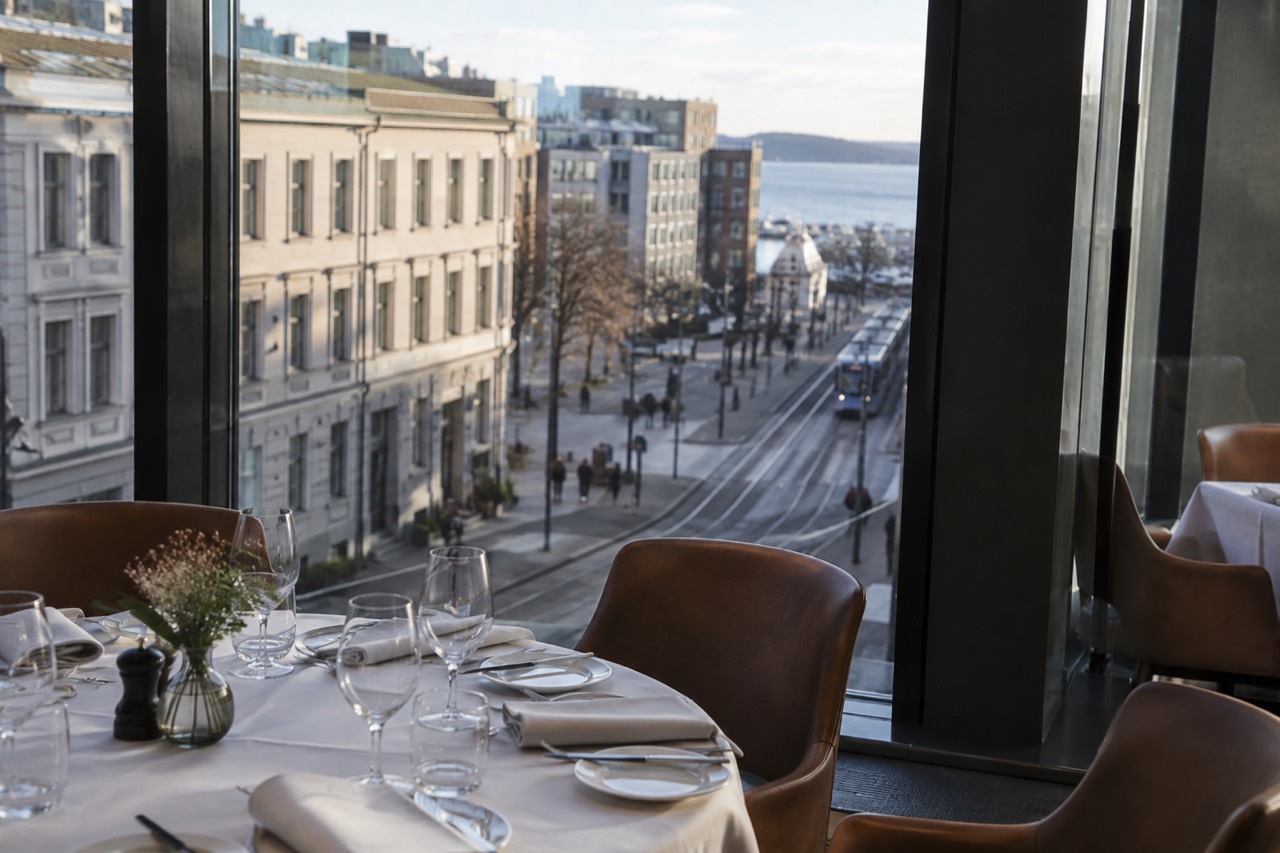
Oslo has Michelin-level dining, and it is expensive: Norway's overall price level sits 28.6 percent above the EU average, with alcohol more than double. A tasting menu is booked weeks ahead through each restaurant's own system, and the honest budget move is to mix one splurge with Oslo's food halls, food walks and shrimp boats.
Fine dining in Oslo is a study in contrasts. This is a city where a tasting menu can cost as much as a week of budget travel, and where the state alcohol monopoly shapes the wine list more than any sommelier would like to admit. It is also a city where the raw material, from langoustines to cloudberries, is exceptional, and where a new generation of kitchens has pushed Norwegian cooking onto the international map. This guide covers the practical side: what a top-tier meal in Oslo actually costs, how the booking systems work, what the alcohol rules do to your bill, and how to eat at a Michelin level of ambition without paying for it every night.
One framing note before the numbers. This site is an editorial desk, not a diner of record, and the facts here come from published price statistics, official transport and alcohol rules, and the verified tour listings on our roster. Where a figure is a planning range rather than a verified price, it says so.
What Does Michelin Dining in Oslo Actually Look Like?
Oslo's top dining scene is small, Nordic in style and concentrated in a handful of central neighborhoods, and the tables are genuinely hard to get. Tasting menus dominate, bookings open on fixed dates through each restaurant's own site, and the kitchens lean on Norwegian raw materials: shellfish from the far north, game, forest berries and root vegetables. The scene rewards planning, and punishes the walk-in.
The style of cooking you will meet in Oslo's best rooms is recognizably Nordic: short menus built around seasonal Norwegian produce, fermentation and preservation techniques used to stretch the short growing season, and a general restraint with fat and sugar. The geographic story matters here. Norway's coastline supplies the shellfish, the forests supply the game and berries, and the mountain farms supply the dairy, and a tasting menu in Oslo is usually an argument that this specific landscape is worth eating.
The practical geography is compact. The Bjørvika waterfront around the opera house, the streets behind Karl Johans gate, Grünerløkka and the Tjuvholmen and Vulkan areas hold most of the city's ambitious kitchens. None of that is more than a 20 minute tram ride from anywhere central, which is one of the quiet advantages of eating at this level in a small capital: you can book an 8pm table anywhere in the city and get there easily on public transport. Our guide to getting around Oslo on public transport covers the tickets.
What the scene does not have, and this is worth saying plainly, is a large number of tables. Oslo is a compact capital and its top dining rooms seat a few dozen guests a night. That scarcity, not the food cost alone, is why the booking calendars fill the way they do.
How Much Does a Fine Dining Meal in Oslo Cost?
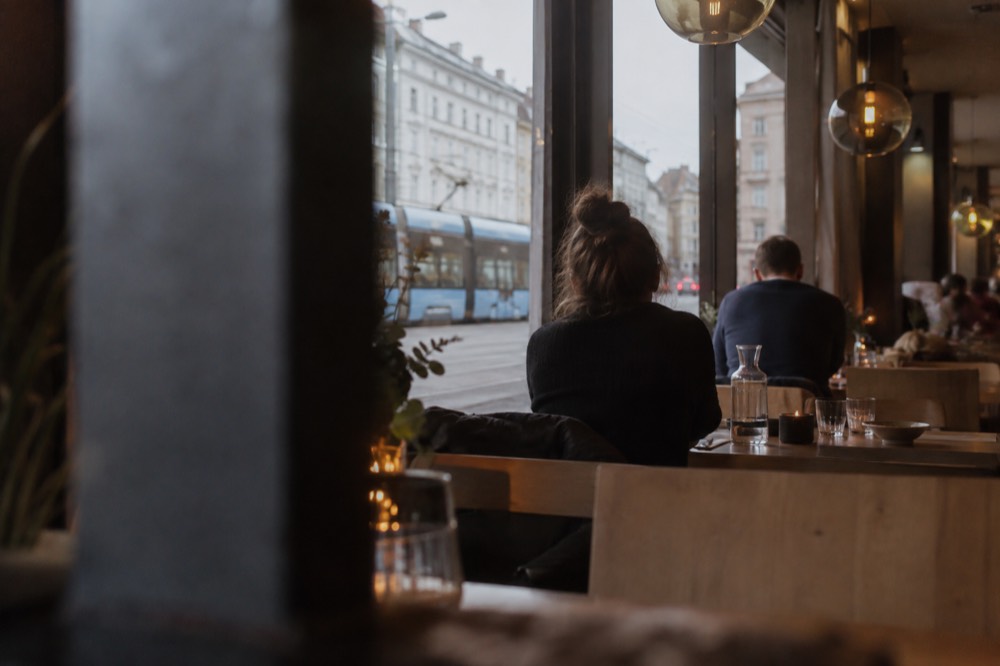
Plan on a top tasting menu in Oslo landing in the same bracket as other Scandinavian capitals, and plan on the drinks doubling it. Norway is the sixth most expensive country in Europe on Statistics Norway's 2025 price level survey, food runs 33 percent above the European average, and alcohol costs more than double. The menu is the smaller half of the bill.
The honest anchor for any Oslo budget conversation is the national price level, and Statistics Norway publishes it. In the 2025 purchasing power comparison released in June 2026, Norwegian household price levels came in 28.6 percent above the EU average, food and non-alcoholic drinks 33 percent above, and alcohol and tobacco more than double the European average. That last number is the one that decides your evening. A wine pairing in Oslo is taxed at a rate that has no parallel in most of the dining world, and many guests at Oslo's top tables respond by choosing the juice pairing, or the alcohol-free menu, which most kitchens now take as seriously as the wine list.
For the meal itself, treat any per-head figure you read online, including here, as a planning range rather than a promise, because menus change with the season and the krone moves. What is stable is the structure: a top tasting menu in Oslo sits in the same range as its peers in Copenhagen and Stockholm, and the mid-tier option, the shorter menu or the bar seating many kitchens offer, is the single best value move in the city. Several of Oslo's best rooms run a lunch or bar menu at a fraction of the dinner price, cooked by the same brigade.
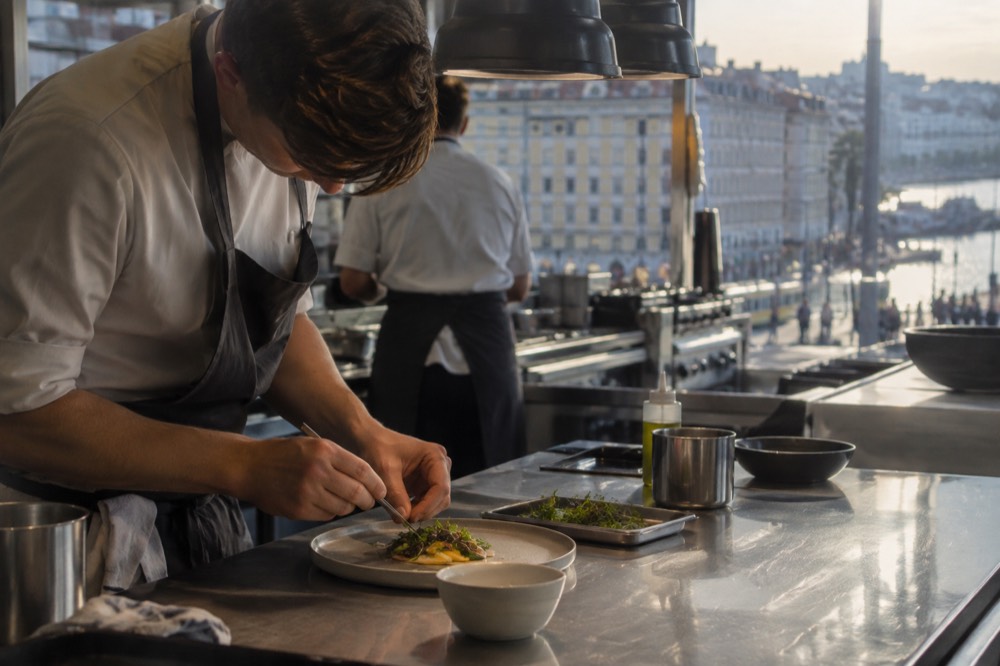
Here is the cost structure in the terms Statistics Norway actually publishes, which is more defensible than any invented menu price:
| Cost component | Norway vs EU average | What it means at the table |
|---|---|---|
| Overall household price level | 28.6% above EU average | Everything, from bread to the taxi home, runs dear |
| Food and non-alcoholic drink | 33% above EU average | The tasting menu itself is expensive but not extreme |
| Alcohol and tobacco | More than double the EU average | The pairing is the budget killer; consider juice pairings |
| Restaurants and hotels | Above Sweden, near Denmark | Oslo is not an outlier inside Scandinavia |
If you want the deeper cost picture for the whole trip, our Oslo trip cost breakdown and the guide to whether Oslo is expensive work through the numbers item by item.
The most economical way to taste this level of cooking is often not a full dinner at all. A food walk samples many kitchens in one afternoon, and the city's food halls do the same thing at street prices. The Grünerløkka food culture walk below is the strongest of these on our roster, and it pairs naturally with a splurge night either side of it.
How Do You Actually Get a Table at Oslo's Top Restaurants?
Bookings at Oslo's best kitchens open on fixed release dates through each restaurant's own booking system, and the popular weekend slots go within minutes. Book the moment a date opens, treat weekday lunches as your fallback, and expect to prepay or leave a card guarantee. Walk-ins are effectively not a strategy at this level in Oslo.
The mechanics are unglamorous but decisive. Most of the city's top rooms release tables on a monthly or seasonal schedule, and the announcement usually goes out through each restaurant's newsletter and social channels before the calendar opens. If you are planning a trip around a specific restaurant, sign up for that list before you book flights, because the release date, not your arrival date, sets the calendar. Prepayment or a card guarantee is standard, and cancellation windows are tight, often 48 to 72 hours, after which you lose the menu price.
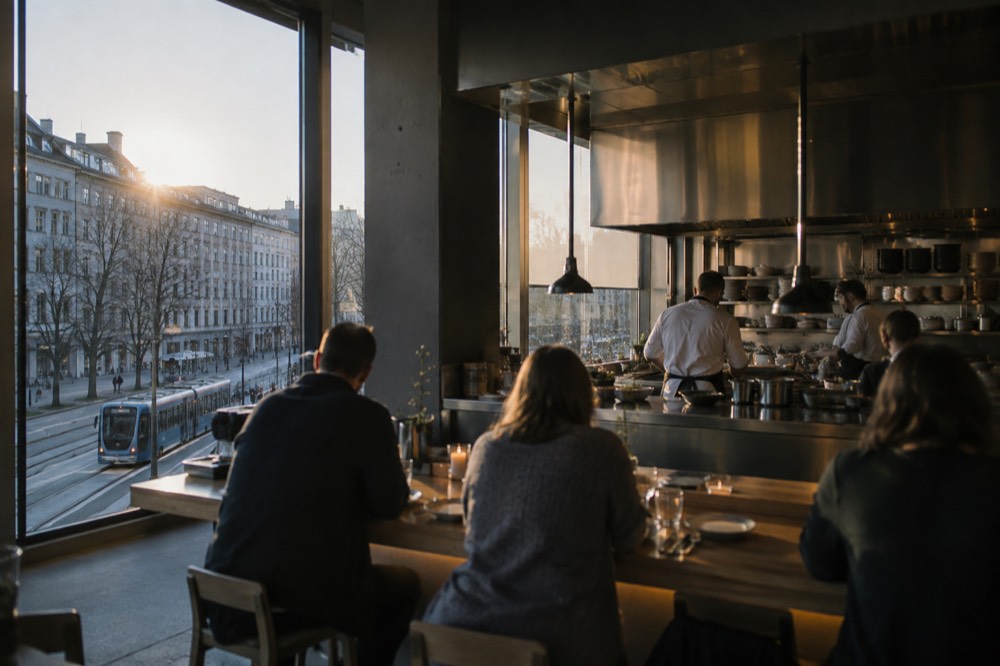
A few practical moves raise your odds considerably. Midweek tables are easier than weekends, and the shoulder seasons, late January through March and the weeks either side of summer, are dramatically less contested than June, Christmas and the 17 May national holiday week. Bar and counter seating, where a kitchen offers it, is often bookable when the dining room is not, and it is frequently the better seat anyway, since you watch the brigade work.
For visitors who want the guided version of the city's food culture rather than a single hard-to-book table, the Grünerløkka neighborhood food walk is the strongest product on the roster, and the city-centre Norwegian food walk covers the central streets. Both are covered in our roundup of Oslo's best restaurants, which sorts the city's dining by neighborhood and budget.
What About Wine, and Why Is the Alcohol So Expensive?
Norway's alcohol prices are driven by taxation and a state monopoly, and the effect on a restaurant bill is direct: a wine pairing can cost as much as the food. Wine above supermarket strength is sold only through Vinmonopolet, the state monopoly, restaurants buy through the same channel, and the tax on every bottle is what pushes alcohol to more than double the European average.
The system behind the price is worth understanding because it explains so much of what you will see on a wine list. Vinmonopolet is the only retail outlet in Norway permitted to sell wine and spirits, and it keeps short hours: closed every Sunday and on public holidays, with early Saturday closing and hours that vary by store. Restaurants buy their stock through the same state-controlled channel, and the excise duty on alcohol is among the highest in Europe. When Statistics Norway reports that alcohol and tobacco cost more than double the EU average, that is the machinery at work.
Two consequences follow for the fine diner. First, the non-alcoholic pairing has become a genuine discipline in Norwegian kitchens, not an afterthought, and choosing it is a completely respectable move that saves a large share of the bill. Second, arriving visitors often buy a bottle at duty-free, which is legal within Norway's allowance, and this is precisely why the airport's duty-free shop is sized the way it is. Our guide to the price of beer in Oslo works through the same tax logic at the pub end of the market.
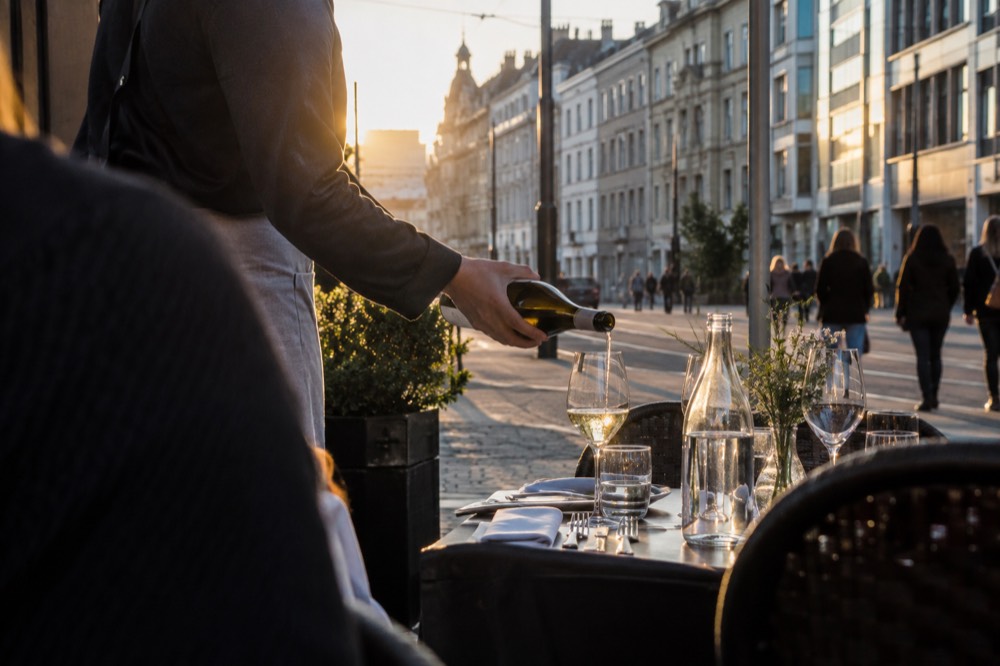
Tipping, for the record, is not the place to compensate for the prices. Service is included in Norwegian menu prices, and tipping is voluntary: rounding up or something in the region of 5 to 10 percent for genuinely good service is the norm, and card terminals may prompt, but nobody will chase you for it. Our page on tipping in Oslo covers the details.
Can You Eat at This Level on a Normal Budget?
Yes, and the budget route in Oslo is better than in most capitals, because the same raw materials show up at street prices in the food halls and on the boats. Mathallen food hall, the street-food kitchens, the shrimp buffet on the fjord evening cruise and the guided food walks deliver Norwegian produce at a fraction of a tasting menu, and several of them are bookable products rather than a gamble.
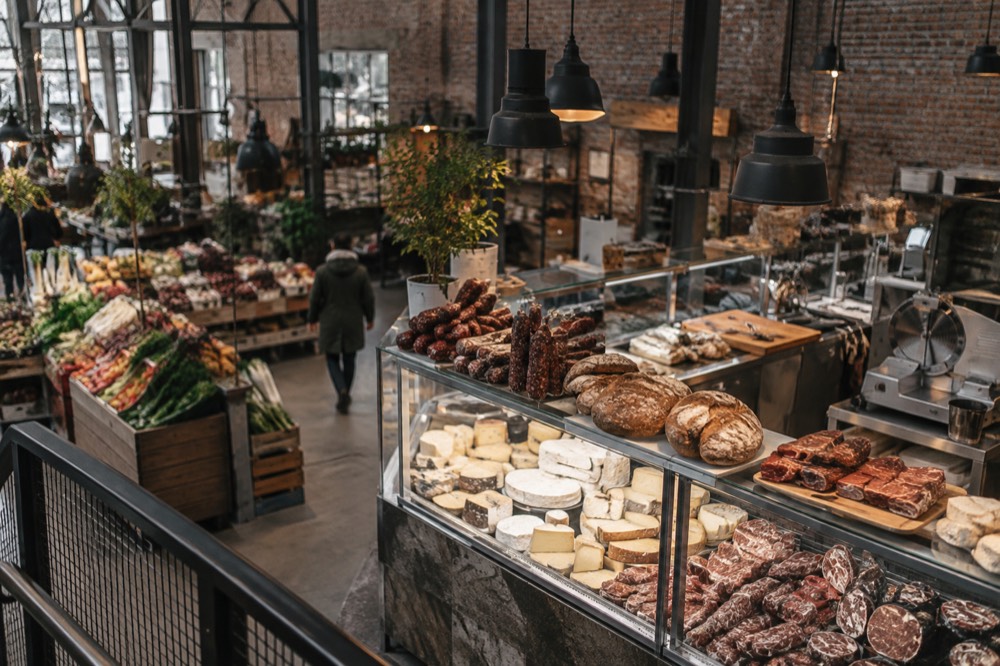
The budget architecture of Oslo food is built on a handful of reliable pieces. Mathallen at Vulkan is the city's food hall, a cluster of independent counters under one roof, and it is the cheapest way to eat well-cooked Norwegian ingredients in a sit-down setting. Our Mathallen Oslo guide maps it counter by counter. The street-food scene, covered in our Oslo street food guide, has grown into a genuine alternative rather than a fallback, and the where to eat in Oslo guide sorts all of it by budget.
Then there are the experiences that do double duty as meals. The shrimp buffet evening cruise on the Oslofjord is a Norwegian institution rather than a generic dinner boat: three hours on the water with a shrimp table, at a price well below any tasting menu, and it is one of the few ways to eat Norwegian seafood while it is still, in a sense, in sight of where it landed. The fjord evening cruise with shrimp buffet is the product on our roster, and the evening format means you see the Oslofjord at its best light without giving up a daytime sightseeing hour.
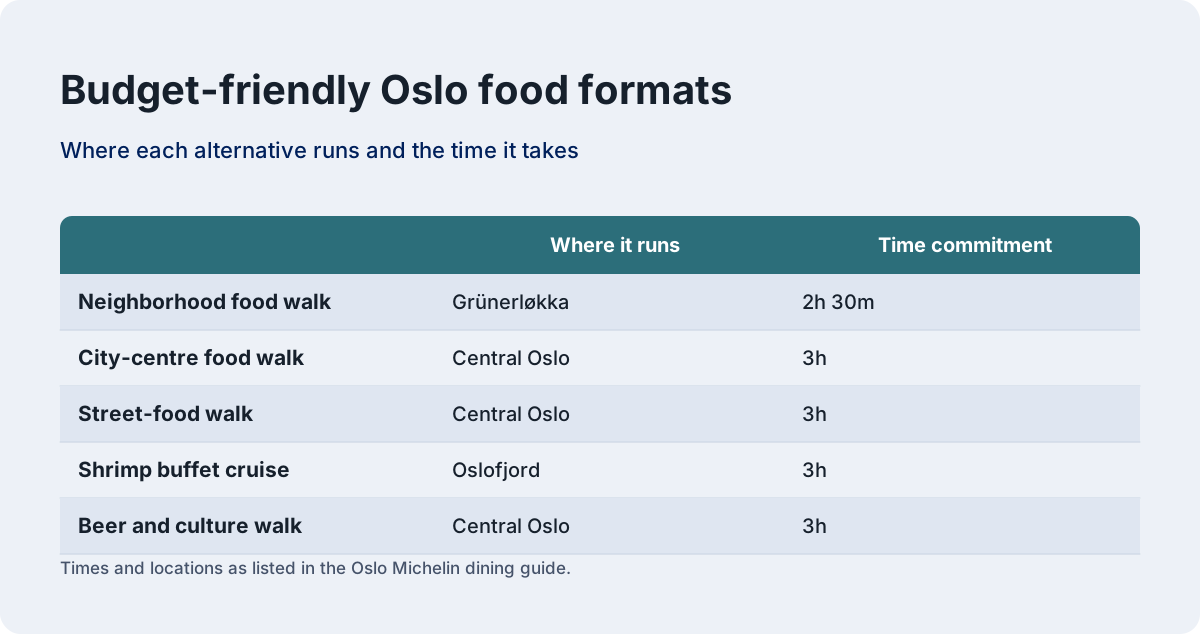
For the guided version of budget eating, the format comparison below is honest about what each product actually delivers. Durations are as the listings publish them, and prices live on each live listing rather than being retyped here, because they move with the season.
| Format | Where it runs | Time commitment | What you get |
|---|---|---|---|
| Neighborhood food walk | Grünerløkka | 2h 30m | Several kitchens and counters with a local guide |
| City-centre food walk | Central Oslo | 3h | Norwegian staples and hidden kitchens in one loop |
| Street-food walk | Central Oslo | 3h | The casual scene, market and truck food |
| Shrimp buffet cruise | Oslofjord | 3h | A full meal on the water at sunset |
| Beer and culture walk | Central Oslo | 3h | Norwegian beer culture with the history attached |
The beer walk deserves a word, because it sounds like a novelty and is not. Norway's alcohol rules are genuinely complicated, and a guided walk through the city's beer culture with someone who can explain the monopoly, the tax and the supermarket strength limit is more useful than it sounds, and it is one of the few products on our roster that exists almost because of the rules rather than despite them. The beer and culture walk is the product, and it pairs well with an evening you are otherwise leaving open.
When Is the Best Time of Year to Plan a Food Trip to Oslo?
Late spring through early September is the sweet spot for an Oslo food trip: the shellfish and produce seasons peak, the food halls and terraces are fully open, and the fjord cruises run their summer timetables. August is the wettest month on the 1991 to 2020 normals at 103 mm, so pack for rain, and the dark months trade the terrace scene for the cozy indoor version.
The seasonal logic is partly about ingredients and partly about what is open. The summer months bring the full range of fjord boats, the island ferries on their summer schedules, and the outdoor tables that make the Aker Brygge and Tjuvholmen waterlines worth walking. The trade-off is demand: June and the Christmas period are the most contested weeks for restaurant tables in the city, and if your heart is set on a specific kitchen, the shoulder months give you much better odds at the calendar.
For the numbers, the climate table below is built on MET Norway's official 1991 to 2020 normals for the Blindern station, which is the dataset every Norwegian weather service uses. It is a planning tool, not a forecast.
| Month | Normal mean temp | Normal precipitation | Food trip notes |
|---|---|---|---|
| March | 1.3 °C | 41 mm | Quiet tables, late-winter menus |
| April | 6.2 °C | 48 mm | Spring produce arriving, easy bookings |
| May | 11.4 °C | 60 mm | Terrace season begins, 17 May crowds |
| June | 15.3 °C | 80 mm | Peak season, hardest tables |
| July | 17.7 °C | 87 mm | Longest days, full fjord schedules |
| August | 16.5 °C | 103 mm | Wettest month, but warm and lively |
| September | 12.2 °C | 82 mm | Shoulder sweet spot, mushroom season |
| October | 6.6 °C | 93 mm | Game menus, indoor season begins |
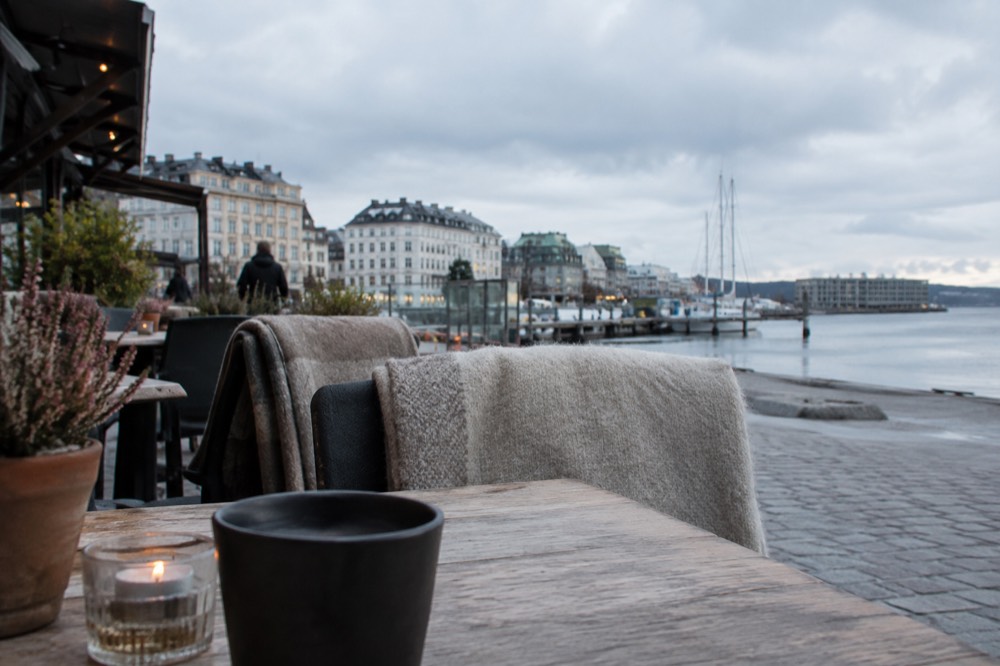
Daylight shapes the dining day more than visitors expect. On 21 June the sun sets at 22:43 and rises at 03:53, and the gap between is twilight rather than true darkness, so a 9pm dinner still feels like afternoon. On 21 December the sun is up for 5 hours 53 minutes and sets at 15:11, which is why the winter dining room, candlelit and enclosed, is its own genre here. Our Oslo daylight hours guide has the full table.
How Do You Build a Full Food Weekend Around One Splurge?
The structure that works is one booked tasting menu, one guided food walk, one fjord meal and the food halls filling the gaps, with the Oslo Pass carrying the museum hours between meals. A 24-hour pass at 580 NOK covers more than 30 museums plus the transport between them, and the food layer sits on top of that skeleton.
A worked weekend makes the logic clear. Friday, arrive and eat casually at Mathallen or a neighborhood bistro in Grünerløkka, the district our Grünerløkka area guide covers in full. Saturday, the splurge: the booked tasting menu, with the afternoon before it spent at the National Museum or on the water, and the pass covering both. Sunday, the brunch and coffee circuit, which Oslo takes as seriously as any city in Europe, and our Oslo brunch and Oslo coffee guides map it.
The Grünerløkka food walk slots into this skeleton as either the Friday or the Sunday anchor, and it is the product we would point most visitors at, because it converts the neighborhood's eating landscape into a single guided afternoon rather than a series of guesses.
A note on the pass and the airport, because it saves real money on a food weekend. The Oslo Pass includes public transport in zones 1, 2, 3, 4V and 4N, which includes the Vy trains to and from Oslo Airport Gardermoen, but not the Flytoget airport express, which is a separate company at 268 NOK each way. The Vy train takes about 23 minutes against Flytoget's 20, and rides on the pass. Our Flytoget vs Vy comparison works through the whole decision.
What Should You Know Before You Go?
Three things carry most of the weight: book early and take the prepayment seriously, expect the alcohol to be the expensive half of the bill, and mix the splurge with the food halls and walks rather than repeating it. Norway is in Schengen but not in the EU, the currency is the krone, and card payment is near universal, so cash planning is unnecessary.
The payment landscape is the easiest part. Cards are accepted essentially everywhere, including street-food trucks and market stalls, and contactless is the default. The krone is the currency, euros are not generally accepted, and the exchange rate is the quiet variable in every cost calculation on this page. For the practical layer around the food, our Oslo currency and cash guide covers it.
The etiquette layer is short. Norwegians dine early by southern European standards, with 6pm to 8pm the common window, and kitchens close accordingly. Dress codes are relaxed even at the top end, and the general Oslo norm is smart casual rather than formal. Punctuality matters more than clothing: a tasting menu is a timed production, and arriving late compresses it.
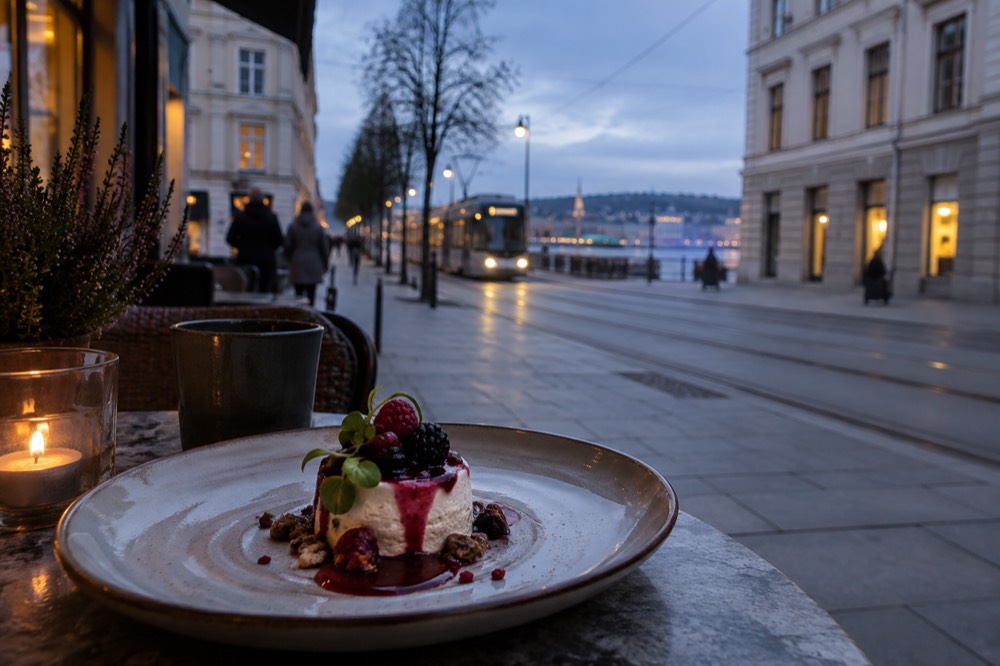
Finally, the honest summary of value. Oslo's top dining rooms are expensive by any measure, and the national statistics say so plainly. But the same landscape that produces those numbers also produces a food culture where the raw materials, the shellfish and the berries and the brown cheese, are ordinary supermarket items, and where a food hall lunch or a shrimp boat dinner delivers the same ingredients at a fraction of the price. The visitors who eat best in Oslo are usually the ones who book one serious table and spend the rest of the trip at counter height. That is the strategy this site, Oslo Travel Guide, recommends across all of its food pages, and it holds here.
If you are still choosing between the formats, these three are the ones this page keeps coming back to.
Common Questions About Michelin Dining in Oslo
Does Oslo have Michelin-starred restaurants?
Yes, Oslo holds Michelin-starred restaurants, and the city's top tables are booked accordingly. The scene is small and concentrated, with tasting menus released through each restaurant's own booking system on fixed dates. For the current star list, check the guide's own published selection, because it changes annually.
How much does a Michelin meal in Oslo cost?
Treat any figure as a planning range, because menus change with the season. The stable context is national: Statistics Norway's 2025 survey puts Norwegian prices 28.6 percent above the EU average, food 33 percent above, and alcohol more than double. Expect a top tasting menu in the same bracket as Copenhagen or Stockholm, and expect the wine pairing to roughly double the bill.
How far in advance should I book a top Oslo restaurant?
Book the day the calendar opens. Most of Oslo's best kitchens release tables monthly or seasonally through their own sites, and weekend slots go within minutes. Midweek tables, lunch seatings and counter or bar spots are the realistic fallback, and the shoulder seasons are far less contested than June or the Christmas weeks.
Is the alcohol-free pairing worth it in Oslo?
Very often, yes. Norwegian kitchens treat the non-alcoholic pairing as a genuine discipline rather than an afterthought, and with alcohol taxed at more than double the European average, the juice pairing saves a large share of the bill while staying within the kitchen's own logic.
Can I eat well in Oslo without booking anything?
Yes, and this is one of Oslo's strengths. Mathallen food hall, the street-food kitchens and the casual Grünerløkka counters take walk-ins, and the shrimp buffet fjord cruise is a bookable same-day experience rather than a month-out project. Mixing one booked splurge with these is the strategy most of our food guides recommend.
Do I need to tip in an Oslo fine dining restaurant?
Service is included in Norwegian prices and tipping is voluntary. Rounding up or something in the region of 5 to 10 percent for good service is common, and card terminals may prompt, but it is not expected and nobody will chase you for it.