Oslo to Copenhagen Ferry: What the Overnight Crossing Is Really Like
The Oslo to Copenhagen ferry is one of the few genuine overnight boat trips left in northern Europe: you board in one capital, sleep on the water, and step off in another. Here is how the crossing works, what it costs to think about, and how to fit it into an Oslo trip.
Short answer
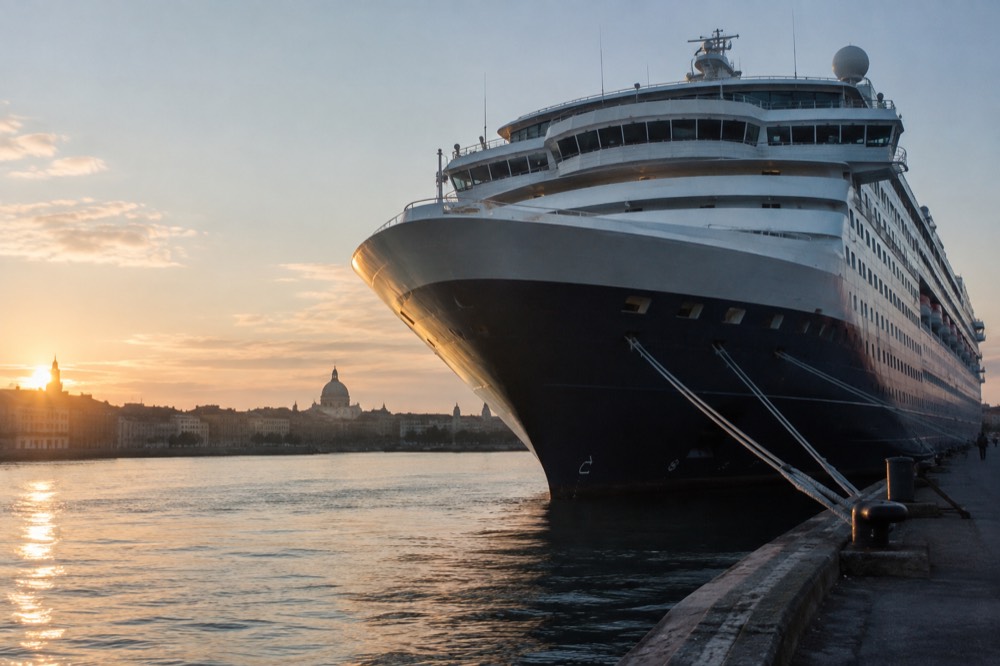
Yes, there is a direct overnight ferry between Oslo and Copenhagen. The ship sails in both directions, leaves one city in the afternoon or evening and arrives the next morning, and sells cabins rather than seats as its base product. It is a full crossing of the Kattegat and the Oslofjord, not a short harbor hop.
The idea sounds almost too good: fall asleep in Norway, wake up in Denmark, and skip a hotel night while you do it. The Oslo to Copenhagen ferry is exactly that, and it has been running long enough that Norwegians and Danes treat it as ordinary transport rather than a novelty. Families use it, freight uses it, and travelers with an Oslo itinerary use it to turn one city break into two without paying for a flight or an extra hotel.
This guide covers the crossing itself, the terminals on both ends, how it stacks up against flying, and the practical Oslo-side details, transport, tickets, and water-based alternatives, that most writeups skip. The ferry is also the one long boat trip this site covers where you genuinely leave the Oslofjord behind, which makes it a very different product from the fjord sightseeing boats that stay inside the inner harbor. If you want the fjord versions instead, start with the Oslofjord cruise guide; the two experiences share water and almost nothing else.
Is There a Direct Ferry from Oslo to Copenhagen?
Yes. A direct overnight ferry runs between Oslo and Copenhagen, sailing in both directions. The ship departs one capital in the afternoon or evening and arrives in the other the following morning, which makes it a floating hotel as much as a means of transport. You book a cabin, not a seat, and the crossing covers the length of the Oslofjord and the open Kattegat between Norway and Denmark.
The operator is DFDS, the Danish shipping line that runs this route as part of its northern European network. That detail matters for two reasons. First, the booking works like any ferry booking: you pick a sailing date, a cabin grade, and any extras such as meals, then pay in one transaction. Second, the sailing pattern is built around overnight travel, so the timetable naturally pairs with a city itinerary: you spend a final day in Oslo, board in the evening, and start your morning in Copenhagen.
The route basics:
| Oslo side | Copenhagen side | |
|---|---|---|
| Operator | DFDS | DFDS |
| Terminal | Vippetangen, below Akershus Fortress | Nordhavn, north of the city center |
| Sailing pattern | Overnight in both directions | Overnight in both directions |
| Base product | Cabin, sold per cabin not per person in most grades | Same |
| Alternatives on the water | None direct; cruise calls only | None direct |
The Vippetangen location is genuinely convenient. The quay sits at the foot of the Akershus Fortress complex, a short walk or a short bus ride from the central station area, and the fortress walls are the last bit of Oslo you see as the ship noses out. Our Akershus Fortress guide covers the castle itself, which is worth an hour or two on departure day if your sailing is later in the afternoon.
One honest framing: this is a working ferry, not a boutique cruise. Reviewers on the operator's listing describe clean cabins, a busy evening buffet, and decks that are best at both ends of the crossing, plus crowds and slot-machine noise in the public rooms. Expect a functional ship that does one night extremely well, and you will not be disappointed.
How Long Is the Crossing, and What Does the Fare Include?
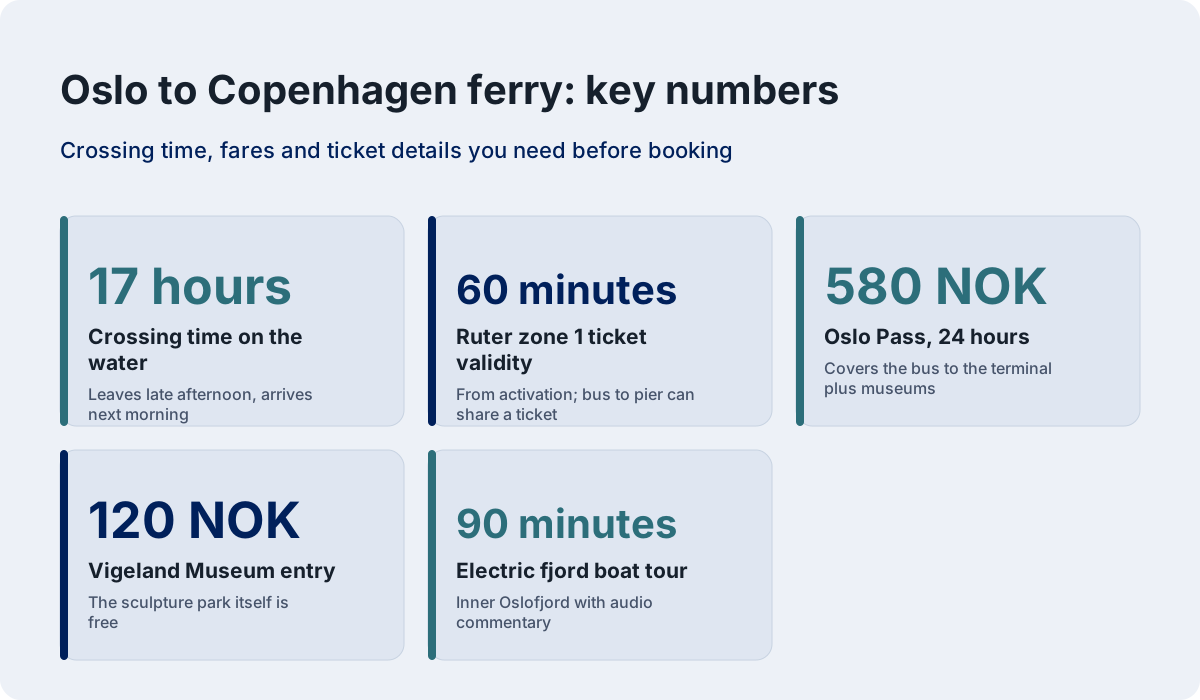
The crossing takes most of a day and a night, roughly 17 hours on the water, leaving in the late afternoon and arriving the next morning. The fare is built around the cabin: even the cheapest ticket includes a private cabin with its own bathroom, and everything else, meals, drinks, Wi-Fi extras, is bought on top. The operator's live listing carries the current fares and the exact sailing times for each date.
Treat the ship as your hotel for the night and the economics make immediate sense. A cabin sleeps two to four depending on grade, so a couple or a family pays once for transport plus a room plus a bed, and skips a night of accommodation in either capital. Cabins range from inside bunk-rooms to sea-view rooms with windows and better beds, and the price ladder between them is modest relative to the base fare.
What is typically worth adding:
| Item | How it works | Worth it? |
|---|---|---|
| Evening buffet | Booked with the ticket or bought onboard | Yes on the outbound evening; the alternative is limited |
| Breakfast | Same, and served before docking | Yes, since arrival is early and Copenhagen cafés open later |
| Complimentary cabin | Included in the base fare | The core of the value |
| Car deck | Booked with the ticket, space-limited | Only if a road trip is the actual plan |
| Cabins for sole use | Bookable, priced per cabin | Worth it for solo travelers who want privacy |
Drinks onboard are where the money quietly goes, and this is where Norway's cost structure follows you onto international water. On SSB's 2025 European price-level survey, Norway is the sixth most expensive country in Europe, and alcohol and tobacco there cost more than double the European average. Ferry-bar pricing sits in the same territory. The classic move, buying duty-free on departure, is legal and normal on this route, and the onboard shop is priced accordingly.
A comparison worth keeping in mind: the ferry's price is per cabin, while flights are per person plus baggage plus an airport transfer plus a hotel night you now need. The ferry bundles transport, bed, and arrival in the city center. Two people sharing the cheapest cabin usually come out ahead of two flights plus one hotel night, and a family of four can come out far ahead, though you should check the live fare for your own dates before assuming it.
Getting to the Terminal, and What to Do in Oslo First
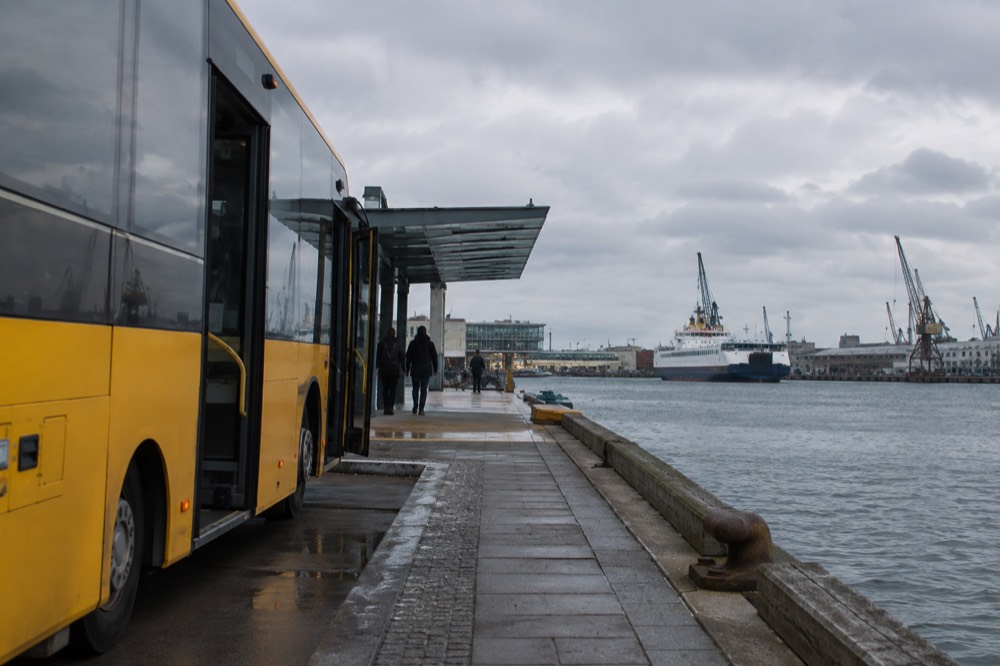
The Oslo terminal is at Vippetangen, reachable from the center on an ordinary Ruter zone 1 ticket in about ten minutes by bus, or a 25 to 30 minute walk from the central station along the harbor. A single zone 1 ticket is valid for 60 minutes from activation, and the Oslo Pass, at 580 NOK for 24 hours, covers it along with the city's museums if you plan a full departure-day itinerary.
That 60-minute validity is straight from Ruter's own ticket rules, and it is worth knowing because it means a bus ride to the pier can share a ticket with an earlier leg of your journey. If you are arriving in Oslo by train that same day, or coming from a hotel near the station, one ticket can plausibly cover the whole approach.
Before you board, the Vippetangen area gives you two of Oslo's best free hours. The harbor promenade runs from Aker Brygge past the Opera House, and the Opera House roof is free to walk on, no ticket required, with a view back over the whole fjord basin you are about to sail down. Our Oslo Opera House guide has the details, including which angles photographers actually want.
And if the overnight ferry has put you in the mood for smaller boats, the fjord-cruise family above is the short-form answer. The silent electric boat with audio commentary is the city's single best-reviewed activity, and it shows you the inner Oslofjord in 90 minutes, a fraction of what the ferry gives you but with a guide's narration rather than a cabin and a buffet.
Should you have a spare half-day rather than a spare evening, the Vigeland sculpture park in Frogner is genuinely free, open 24 hours a day, all year, no ticket, with over 200 sculptures. That fact is worth repeating because so many visitors assume a sight this central must charge. The separate Vigeland Museum does charge, 120 NOK, and keeping the two apart in your planning saves both money and confusion.
The cruise carries free cancellation, which matters on a ferry day when weather or the ship's schedule can move your afternoon around. Holding a ticket you can release is the low-stress way to build a departure day.
Ferry, Flight, or Train: Which Is the Best Way to Reach Copenhagen?
For most travelers the ferry wins on experience and luggage, the flight wins on pure speed, and the train wins on price only if booked early and only after an overnight or a same-day seat is added to the comparison. The ferry also deposits you in central Copenhagen with no airport transfer, which quietly erases an hour of travel on the Danish end.
The honest comparison:
| Overnight ferry | Flight | Train | |
|---|---|---|---|
| Travel time | One night, both directions about the same | Around an hour in the air plus airport time on both ends | A long day with a change in Gothenburg or an overnight leg |
| Luggage | Included, generous | Usually paid beyond a small bag | Included |
| Where you arrive | Nordhavn, a short metro or bus ride from the center | An airport 8 km south of the city, then a metro or train | Copenhagen Central Station |
| Night of accommodation | Included | Not included | Not included |
| Best for | Couples, families, anyone who dislikes airports | Tight schedules, one-way trips | Rail fans, chain travelers |
The train deserves a word because people ask about it constantly. There is no direct Oslo to Copenhagen train; the route runs through Sweden with a change, typically in Gothenburg, and the total journey is close to a full day. It is a pleasant day if you like trains, and the Swedish leg is prettier than the airport alternative, but it is not the bargain it looks like once you add the hours. Our Oslo to Stockholm train guide covers the Swedish rail system's habits, ticketing quirks and reservation rules, and most of it applies to the Copenhagen run too.
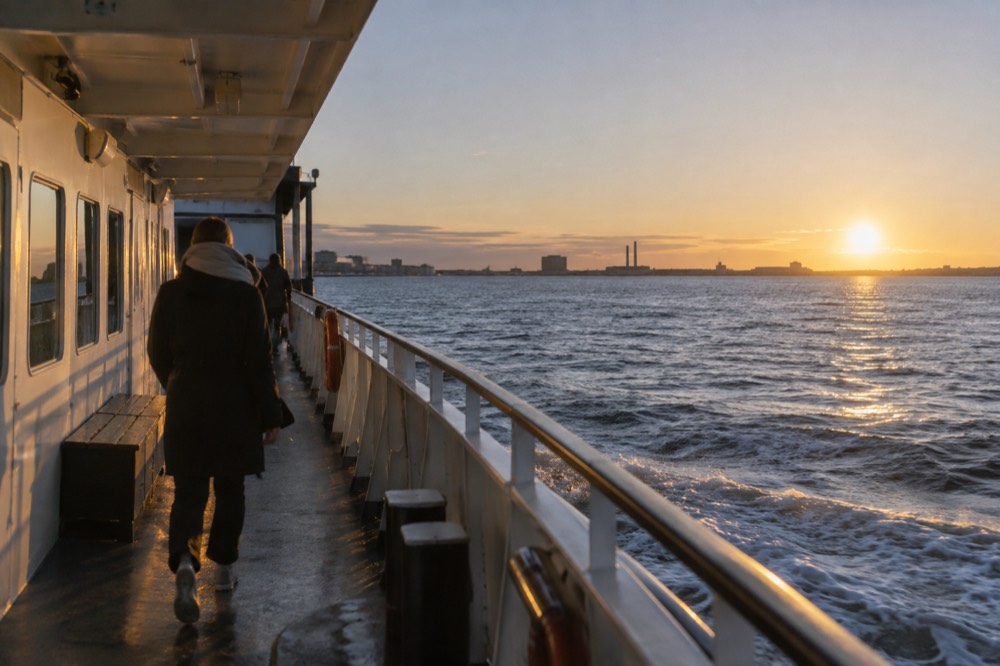
The flight comparison hinges on one thing: where you actually want to be. Copenhagen's airport is efficient and well connected, but it is still an airport, with an hour of margins and transfers on both ends of a one-hour flight. The ferry consumes more clock time but almost none of your conscious time. If your holiday currency is days, fly. If it is energy and evenings, sail.
For cruise passengers the calculus is different again. Many Oslo port calls leave too little time for a ferry, and the Oslo cruise port day guide is built for exactly that constraint, a compressed, walkable loop from the Vippetangen and Akershus area, which happens to be the same corner of the city the ferry terminal occupies.
What Is Onboard: Cabins, Food, and the Passage Down the Oslofjord
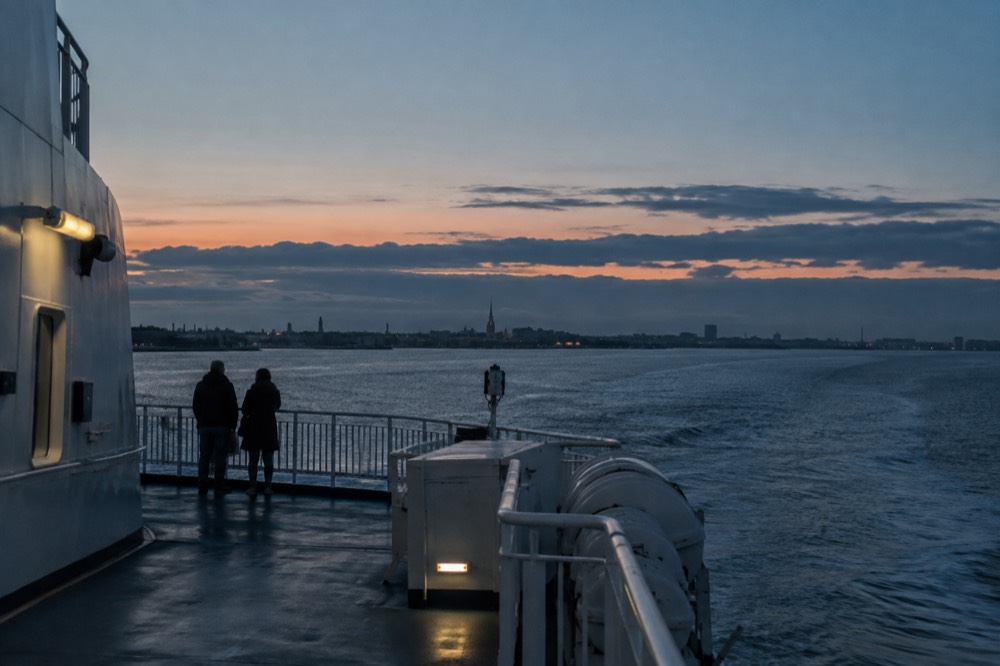
The ship is a full cruise ferry: private cabins with bathrooms, a buffet restaurant, an à la carte option, bars, a shop, and open decks. The passage out of Oslo is the scenic highlight, an hour of gliding the full length of the inner Oslofjord past island after island, and it happens in daylight on most summer sailings but in darkness on midwinter ones.
That last point is the one almost every guide gets wrong, and it is worth a minute of planning. The ferry sails past the same islands the public ferries serve, Hovedøya, Gressholmen, Lindøya and their neighbors, and then out through the narrow sound toward the open water. On a June sailing you watch it all in evening light that lingers past 22:00. On a December sailing the sun set before 15:15 and you see none of it. The Oslo daylight hours guide has the full table, and the swing is enormous: from 18 hours 50 minutes of daylight at midsummer down to 5 hours 53 minutes at midwinter, per MET Norway's sunrise data for the city.
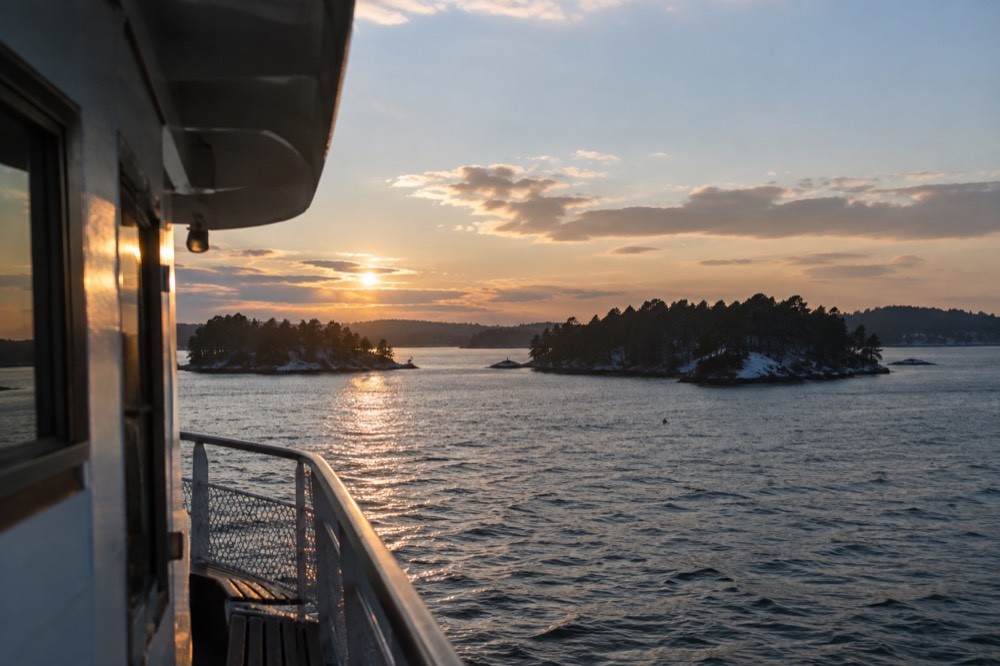
Seasonal daylight for a departure-day walk on deck:
| Date | Sunset in Oslo | Deck verdict |
|---|---|---|
| 15 Mar | 18:19 | Fjord passage in full light |
| 15 May | 21:48 | Long golden hour on deck |
| 21 Jun | 22:43 | Best-case: light nearly all the way out |
| 15 Aug | 21:09 | Comfortable evening on deck |
| 15 Oct | 18:08 | Bring a jacket, light fading fast |
| 21 Dec | 15:11 | Islands invisible; stars and ship lights instead |
The buffet is the main evening event and it is genuinely decent, Scandinavian cold table, hot dishes, and a dessert spread, though priced like Scandinavia rather than like a ferry in cheaper waters. Book it with your ticket rather than at the door; the difference is real and the popular seatings fill. Breakfast runs before arrival and is the calmer meal. More of these guides are collected on Oslo Travel Guide. More of these guides are collected on Oslo Travel Guide.
If the islands you sail past look appealing from the ferry's deck, the island-hopping tour above is the up-close version: ferry-and-foot across the same Oslofjord islands, with a guide, rated 4.8 across 3,296 reviews. It is the product that most makes the ferry's first hour feel like a preview of something you can actually do.
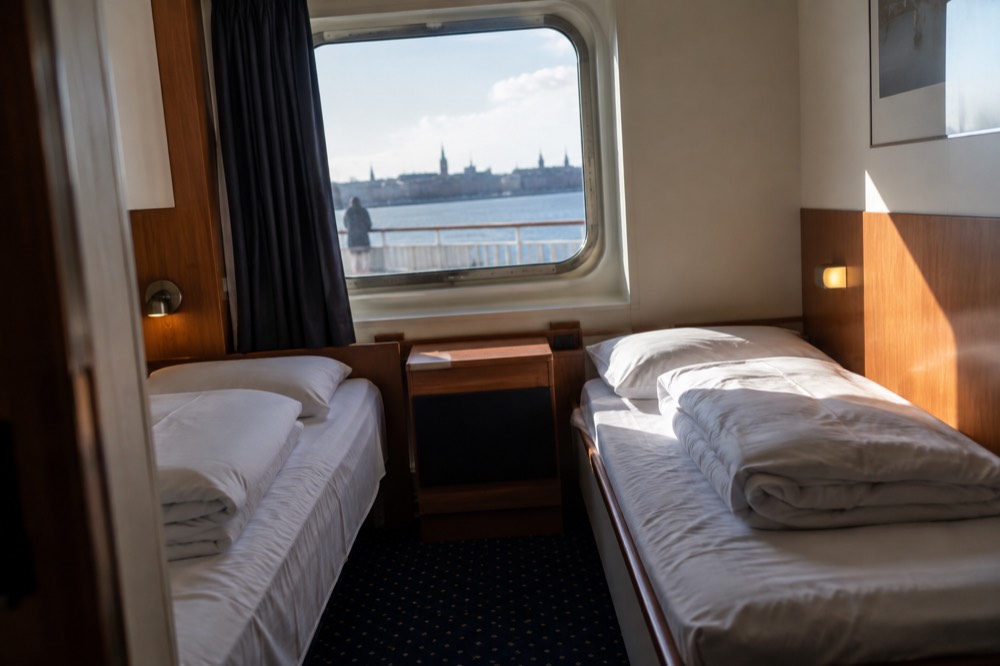
Cabins are the sleeping half of the product and they are simple, clean, and small. The sea is protected for most of the crossing, and even sensitive sleepers report decent rest in the inside grades; the sea-view grades add a window and a little more floor space. Family cabins with four berths exist and book out first in school holidays, which is the one planning pressure worth acting on early.
Arriving in Copenhagen: The First Hours on the Danish Side
The ship docks at Nordhavn, a former industrial port now filling with apartment blocks, about 15 minutes from the center by metro or bus, and arrival is early enough that the city is barely awake. The classic move is breakfast on the ship, disembark, metro straight to the center, and drop bags at a hotel or a locker before the cafés open, all before 09:00.
Copenhagen rewards the early ferry arrival more than most cities. Nyhavn's colored houses, the ambling walk to the little Mermaid statue along the Langelinie quay, and the Kastellet fortress green all sit within walking distance of where you land or one metro stop beyond it, and none of them needs a ticket. By the time shops and museums open, you have already seen the free layer of the city.
A one-day Copenhagen rhythm that works off the ferry:
| Time | What | Notes |
|---|---|---|
| Early | Breakfast on the ship, disembark | The calm hour of the day |
| 08:00 to 09:30 | Walk Langelinie and the Mermaid | 30 minutes from the terminal on foot |
| 09:30 to 11:00 | Nyhavn and the center by metro | Coffee, canals, photos |
| 11:00 onward | Museums or Tivoli | Opening hours vary by season |
The return sailing mirrors all of this in reverse, with a Copenhagen afternoon on the quay before an evening departure and an Oslo morning arrival. Travelers doing a round trip should think of it as two hotel nights included in two ferry fares, and plan the two cities symmetrically rather than treating Denmark as an afterthought.
Taking a Car, a Bike, or Children on the Ferry
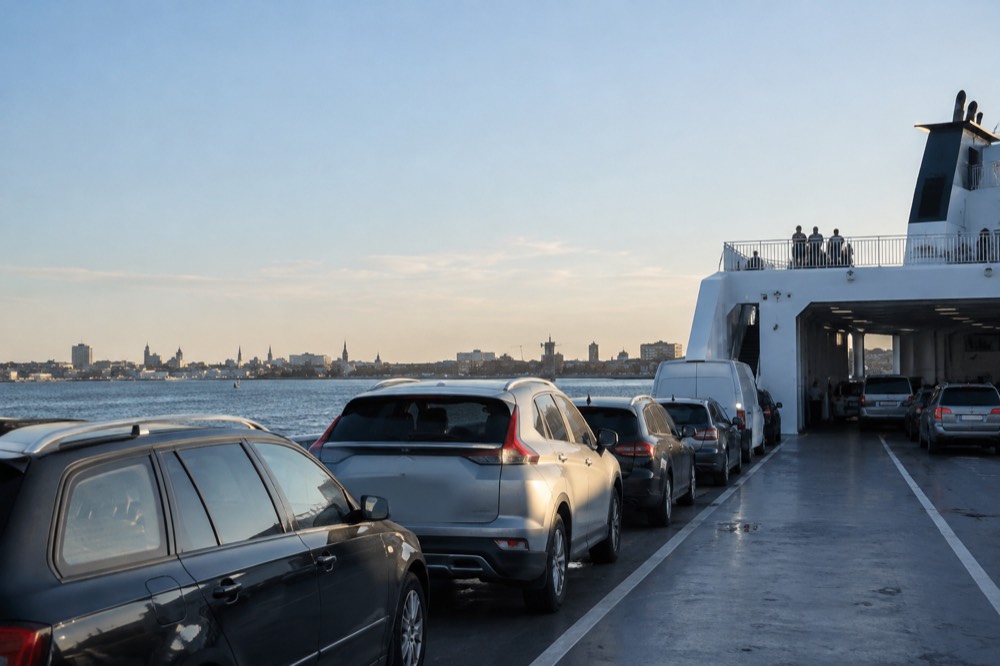
Cars and motorbikes travel on the car deck and must be booked in advance because space is the limiting factor, bicycles are carried more cheaply and roll on with you, and children under a set age travel free or at a steep discount when sharing a cabin with adults, with family cabins the thing to book early. The current child fares and car-deck rates sit on the operator's live listing.
The car option turns the trip into something bigger than a city pair. Sail overnight, drive out of Copenhagen in the morning, and you have Denmark, or northern Germany, or the bridge routes to Sweden open in front of you, with none of the rental-car logistics of flying. The trade is cost and commitment: the car deck is priced per vehicle and the summer dates sell out well ahead.
For cyclists the route is a quiet classic. Both terminals sit near waterfront cycling infrastructure, Copenhagen is one of the most bicycle-friendly cities on earth, and the ship charges a small bike fee rather than a vehicle fare. Nordic cycle-tourers use the ferry as the hinge between Norwegian and Danish legs, and a bike needs no advance booking gymnastics the way a car does.
Families find the ferry unusually kind. A cabin solves the bedtime problem that flights and trains create, the buffet removes restaurant stress, and the ship itself is an attraction for children of a certain age, decks, ramps, views, and the novelty of sleeping on water. School holidays are the pinch point for family-cabin availability, and those dates are worth booking as far ahead as the operator's calendar allows.
Travelers with mobility needs should contact the operator when booking rather than assuming: assisted boarding and adapted cabins exist on this class of ship, but they are limited in number and arranged in advance. The general accessibility picture in Oslo itself is covered in our Oslo accessibility guide, and the terminal approach is flat, harbor-side, and short.
When to Take the Ferry: Seasons, Weather, and Daylight
The ferry runs year-round, so the real question is what the water and the light will be doing. Summer gives daylight for the whole fjord passage and warm-enough decks, autumn and spring give reasonable light and thinner crowds, and winter gives darkness, occasional rough water on the Kattegat, and the lowest fares of the year.
MET Norway's 1991 to 2020 normals for Oslo put July's mean at 17.7 °C (63.9 °F) and January's at −2.3 °C, and August is actually the wettest month on the normals at 103 mm, a detail that surprises visitors who assume the dark months are the wet ones. For deck time, May through August is the reliable window, with sunset between 21:48 and 22:43 in the peak weeks. Nothing in the crossing itself closes for winter; the ships sail in all normal weather, and the Kattegat is sheltered enough that cancellations are rare.
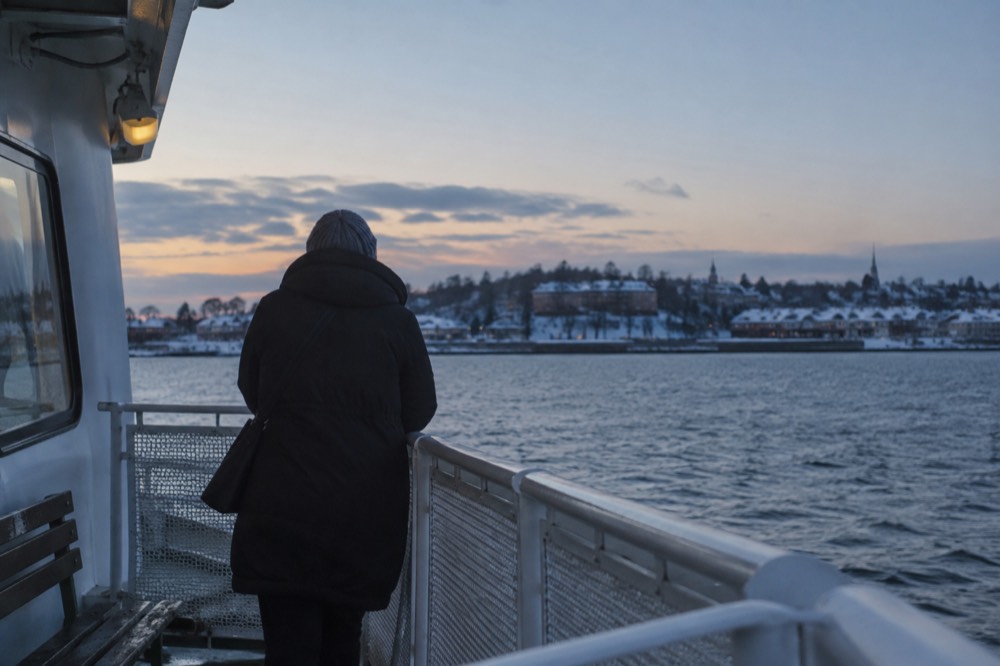
Price follows the calendar. Midsummer weekends, Danish and Norwegian school holidays, and public-holiday bridges command the highest cabin rates and fill first. January, February, and November sailings are the bargains, and a winter crossing has its own appeal: a dark fjord, ship lights on black water, and a cabin that feels earned. If cost is the priority, the off-season sailing plus a Copenhagen weekend is one of the cheaper two-capital trips in northern Europe.
One passport-style note, because this route crosses a border even though it does not feel like one: Norway is in the Schengen Area but not in the European Union, and Denmark is in both. There is no routine passport control on this ferry, but carry ID, because spot checks are legal throughout Schengen, and non-EU visitors should remember that their Schengen 90/180-day clock ticks across both countries on one continuous count.
Booking Smart: Cabins, Prices, and Cancellation
Book direct with the operator for the full range of cabins and the clearest cancellation terms, choose your cabin grade before anything else because it drives both price and sleep quality, and treat school-holiday dates as the booking deadline if family berths matter. Prices move with demand like airline fares, so the same cabin is cheapest far out and on unpopular midweek winter dates.
The cabin-grade decision is where the money goes. Inside cabins are the default and perfectly adequate for a crossing that is mostly dark and mostly asleep. Sea-view grades pay for two things: the fjord departure in daylight, and morning light into Copenhagen. Commodity grades and suites exist for travelers who want the crossing itself to be the event. If the sailing falls in the dark months, the window buys you little, and that is a genuinely useful saving.
Meals are the second decision. Booking the dinner buffet with the ticket is cheaper than paying onboard, and on the popular evening sailings the good seatings reserve out. Breakfast is a quieter call, and on early arrivals it is also the practical one, since central Copenhagen barely functions before 08:00 and the ship's dining room does.
And for the Oslo end of the booking, one more water option worth naming: the traditional wooden sailing ship cruise, a two-hour fjord trip under sail, rated 4.5 across 6,138 reviews, and a completely different feel from both the electric boats and the overnight ferry. It suits a final Oslo afternoon before boarding, as does the one day in Oslo guide if departure day is your only day in the city at all.
If your whole trip is still taking shape, the best time to visit Oslo guide works through the same seasonality question for the city itself, and its summer-versus-winter verdicts apply almost unchanged to the ferry sailing that connects the two capitals. Whenever you go, book the cabin first, the meals second, and the days on either side of the water will largely look after themselves.
Common Questions About the Oslo to Copenhagen Ferry
Is there a direct ferry from Oslo to Copenhagen?
Yes. DFDS runs a direct overnight ferry between the two capitals, departing one city in the afternoon or evening and arriving the next morning, in both directions. The base product is a private cabin, and cars, bikes and foot passengers all travel on the same sailings.
How long does the Oslo to Copenhagen ferry take?
Roughly 17 hours on the water, an overnight crossing in both directions. You board in the late afternoon or evening and disembark the following morning, which is why the crossing doubles as your hotel night.
Where does the ferry leave from in Oslo?
The terminal is at Vippetangen, below Akershus Fortress, at the south end of the harbor. It is a short bus ride on an ordinary Ruter zone 1 ticket or a 25 to 30 minute walk from the central station area.
Is the ferry cheaper than flying from Oslo to Copenhagen?
Often, for two or more people, because the cabin price covers transport plus a hotel night and generous luggage, while the flight adds baggage, airport transfers and a night of accommodation. For a solo traveler on a cheap advance airfare, flying can win. Check the live fare for your dates.
Can you take a car on the Oslo to Copenhagen ferry?
Yes, on the car deck, booked in advance because vehicle space sells out, especially in summer. Bikes travel for a small fee and need no advance arrangement. Motorhomes and trailers are also carried, sized to the deck limits.
Do you need a passport on the Oslo to Copenhagen ferry?
There is no routine passport control, since both Norway and Denmark are in the Schengen Area, but you should carry valid ID throughout, as spot checks are legal. Non-EU visitors should note that Norway is in Schengen but not the EU, so the shared Schengen 90/180-day rule applies across both countries.