Where Do Locals Eat in Oslo?
Where Oslo locals actually eat: the neighborhoods, food halls and habits that shape everyday eating in the Norwegian capital, with real cost context.
Where Do Locals Eat in Oslo?
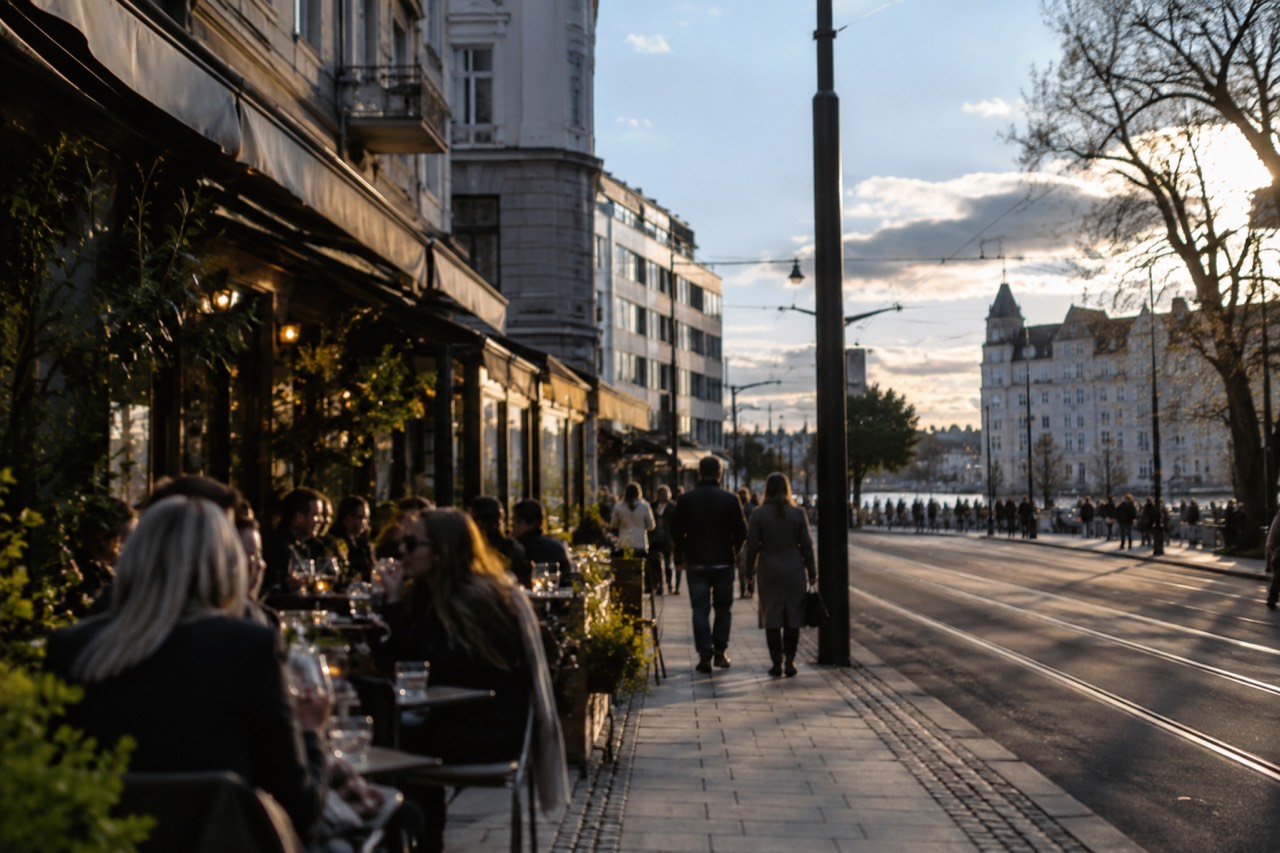
Oslo locals eat in the inner-east neighborhoods, above all Grünerløkka and Tøyen, Grønland and Vulkan, at food halls like Mathallen, and, honestly, at home a lot of the time. Statistics Norway's 2025 price survey puts food and non-alcoholic drinks 33% above the European average, and alcohol and tobacco more than double, so eating out is a deliberate choice here rather than a default. The waterfront around Aker Brygge is where visitors eat.
That split, locals east and tourists west, is the single most useful thing to understand about eating in this city. The restaurants along the harbor front are good and they are priced for people on holiday, which is a completely rational arrangement on both sides. Follow the locals instead and you cross the river into Oslo's east side, where the workers' housing of a century ago has become the part of town with the cafés, the bakeries, the natural wine bars and the small kitchens that survive on repeat customers rather than one visit per customer per lifetime.
None of this is hidden. It is just that the guidebook shorthand for Oslo, fjord, museums, Munch and the Opera House, points you at the west side of the harbor and keeps you there. Cross Akerselva, the river that runs through the middle of the city, and the whole economics of a meal change, because rent drops, menus shorten and the people at the next table are speaking Norwegian.
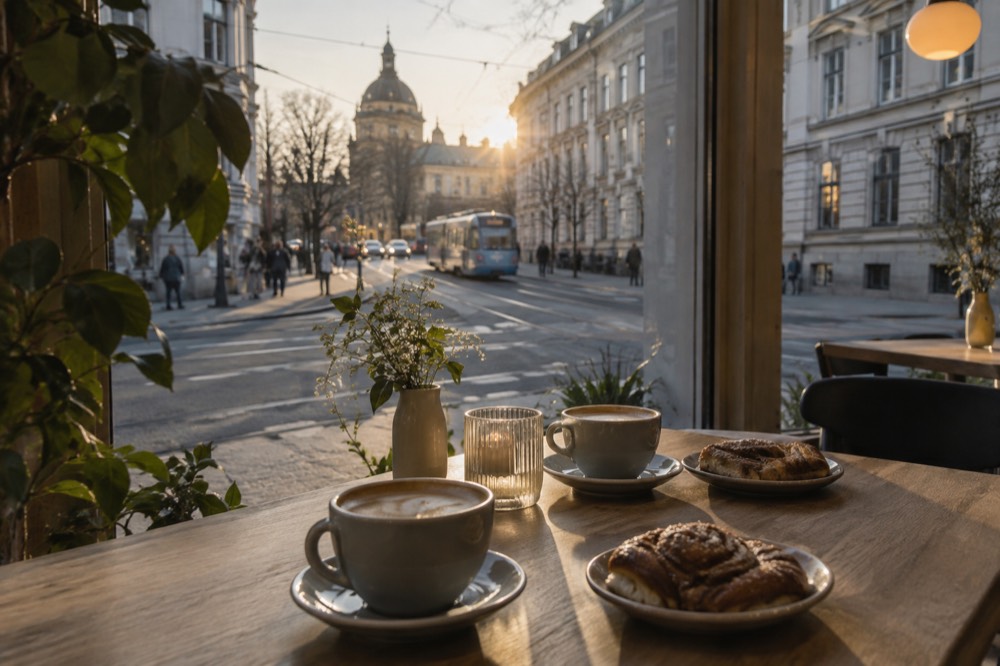
If you want the short version of this whole article: spend your eating time in Grünerløkka and around Vulkan, treat Grønland as the budget option with the best spicing in the city, and save one sit-down dinner for somewhere you actually want to pay for. A neighborhood food walk on your first day is the fastest way to learn the geography of all this, and we come back to that option below.
Which Neighborhoods Do Oslo Locals Actually Eat In?
Four areas carry most of Oslo's everyday eating: Grünerløkka for cafés, bakeries and the city's best weekend brunch culture; Vulkan and the river corridor around Mathallen food hall for everything from coffee to small plates; Grønland and Tøyen for the cheapest, most strongly flavored food in the city; and Majorstuen and Frogner on the west side for quieter, pricier neighborhood restaurants. Each has its own price level and its own hours.
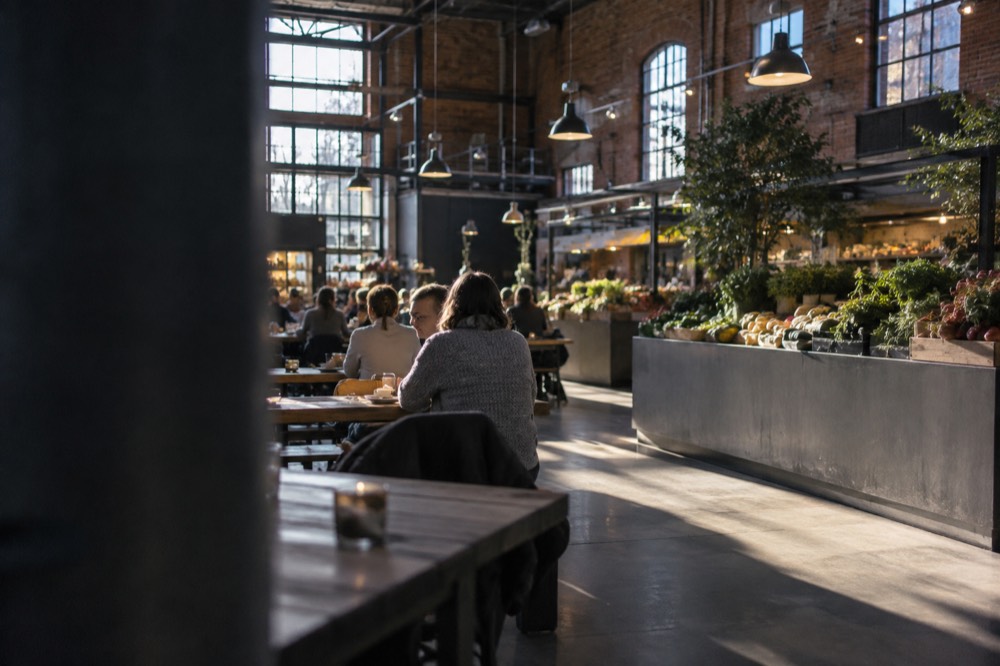
Grünerløkka is the headline answer and it deserves the reputation. This is the old workers' district that became the place where Oslo's food culture actually lives, a grid of low wooden and brick buildings with a café on every second corner and a bakery competition running between them. On weekends the brunch queues are real, and locals treat them as part of the ritual. The neighborhood also hosts Mathallen Oslo at Vulkan, the indoor food hall where butchers, cheese counters, coffee roasters and small kitchens sit side by side, and which functions as the city's default "I need good ingredients and maybe lunch" destination. Our Grünerløkka neighborhood guide covers the area in depth, and the Mathallen food hall guide does the same for the hall itself.
Grønland, just east of the central station, is where the answer stops being fashionable and starts being cheap. This is Oslo's most international street food and grocery neighborhood, and it is the honest counterweight to every "Oslo is impossibly expensive" headline, because a hot meal here costs a fraction of a sit-down dinner two kilometers west. Tøyen, next to it and up the hill toward the Munch museum's old neighborhood, has its own cluster of low-key places. For the budget picture across the whole city, our Oslo cheap eats guide goes into detail.
The west side is not a food desert, it is simply a different market. Majorstuen and Frogner run on neighborhood restaurants with older, wealthier, quieter regulars, and the price per main steps up accordingly. The distinction that matters to a visitor is not east good, west bad, it is that the east side runs on volume and turnover while the west side runs on reservations.
| Area | What locals go there for | Rough character | Price level |
|---|---|---|---|
| Grünerløkka | Brunch, bakeries, natural wine, taco nights | Young, busy, weekend queues | Mid |
| Vulkan / Mathallen | Food hall counters, coffee, ingredients | Mixed, all day | Mid |
| Grønland | Street food, groceries, spiced kitchens | Unpolished, fastest and cheapest meals | Low |
| Tøyen / Grønland edge | Casual dinners, cafés | Student-heavy | Low to mid |
| Majorstuen / Frogner | Neighborhood restaurants, long dinners | Quiet, reservation-led | High |
| Aker Brygge / waterfront | Harbor-view restaurants | Tourist-led, priced accordingly | High |
One structural fact shapes all of it: Norwegians eat dinner early, often between 16:30 and 18:00, and many kitchens in Oslo start winding down by 21:00 or 22:00 on weekdays. If you are used to eating at nine, you will be eating in a smaller and smaller set of kitchens as the evening goes on. Weekend nights run later, but the early-dinner culture is real and it surprises visitors every year.
The Grünerløkka food walk is the bookable version of this whole section, a guided circuit of the neighborhood's food culture run by a local guide, and it is the one food product in the city that is actually about where locals eat rather than about the city center.
It is not the only way to spend an evening on food in this city, though. If a walk through the neighborhood sounds right but your appetite runs bigger, there are two other formats worth weighing at the same time: a shrimp-buffet cruise on the fjord, which is the eating experience locals themselves book in summer, and a beer-and-culture walk that turns the city's complicated alcohol rules into an advantage rather than a trap. Between those three options you have the neighborhood walk, a very Norwegian evening on the water, and a guided pint with context. Which one fits depends less on budget than on whether your evening belongs to food, to the fjord or to a beer.
Is Eating Out in Oslo Really as Expensive as People Say?
Yes, for restaurants and anything with alcohol in it, and no, for the ways locals actually eat most of the time. Statistics Norway's 2025 European price comparison ranks Norway sixth most expensive in Europe, with food and non-alcoholic drinks 33% above the EU average and alcohol and tobacco more than double the average. That is why the default local strategy is food halls, bakeries, coffee and cooking at home, with restaurants as an occasion.
The numbers behind that deserve their own look, because the aggregate figure hides a very uneven picture. Museums, public transport and the outdoors in Oslo are not unusually expensive at all, and Vigeland Park is free and open around the clock. The money goes to restaurant labor and to alcohol, and the gap between a supermarket picnic and a restaurant dinner is wider here than almost anywhere else in Europe.
| Cost element | SSB 2025 position vs European average | What it means for eating |
|---|---|---|
| Food and non-alcoholic drinks | 33% above average | Grocery picnic beats restaurant lunch by a wide margin |
| Alcohol and tobacco | More than double the average | The drink, not the food, doubles the bill |
| Overall household prices | 28.6% above the EU | Norway ranks sixth most expensive in Europe |
| Restaurants and hotels | Above Sweden, close to Denmark | Dinner out is a planned event, not a default |
This is also why the state alcohol monopoly shapes where people eat. Vinmonopolet is the only place to buy wine and spirits, it closes on Sundays and public holidays, and Saturdays it closes early, with hours varying by store. Supermarkets sell only beer and cider up to 4.7% ABV and stop at a fixed evening cut-off. The practical consequence is that a Norwegian dinner party starts with a planned shop days ahead, and a restaurant with a wine list is the easy option for anything spontaneous, at a price.
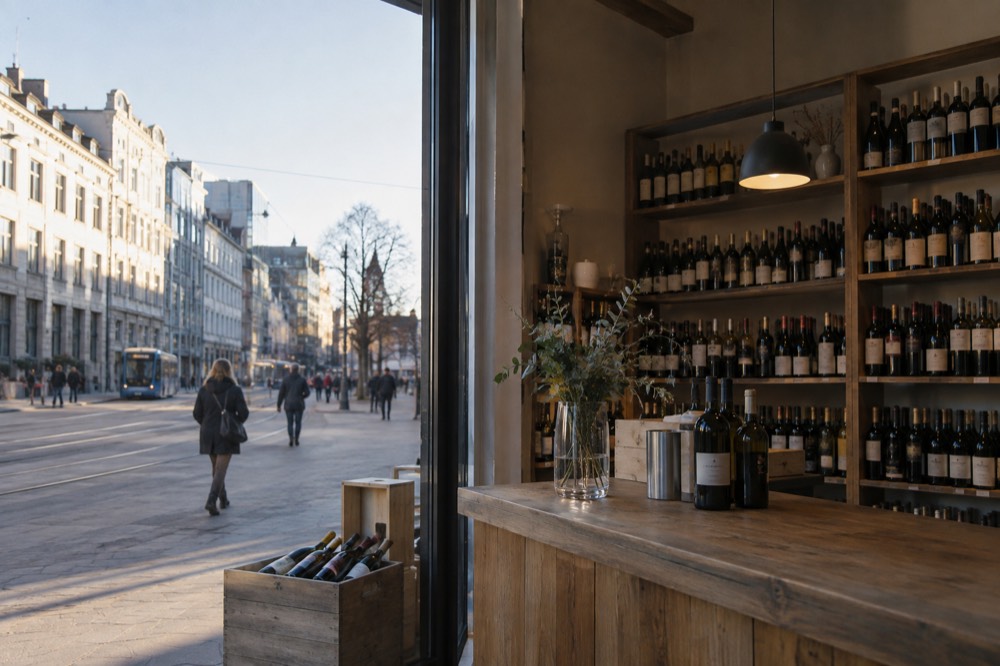
None of this means you should skip restaurants here. It means pick them. One good dinner in a kitchen that sources properly costs less than three indifferent ones, and the lunch-to-dinner price gap in Oslo is wide enough that many locals' restaurant meals happen at lunch, when several of the city's better kitchens run cheaper midday plates. The full cost picture, including what a whole trip runs, is in our Oslo trip cost guide and the is Oslo expensive breakdown.
Where Do Locals Drink, and Why Does That Change Where They Eat?
Locals drink coffee all day everywhere, beer in a small set of bars and brewpubs mostly in the inner east, and wine at home, because a glass of wine in a restaurant carries the double-whammy of monopoly pricing and restaurant markups. That is why the beer-and-walk format works so well in Oslo: a guided route through the city's brewing and bar culture, with the drinking decisions already made, sidesteps the most expensive mistakes a visitor can make.
Coffee is the one category where Oslo punches above its price level. This is a city that takes filter coffee seriously, runs several of the best roasters in the Nordics, and treats the café as a living room, office and default meeting point. A local's week contains far more café visits than restaurant visits, and the café scene is covered in its own right in our Oslo coffee guide.
Beer culture runs on the same geography as the food culture, concentrated in Grünerløkka and the river corridor, with brewpubs and craft bars that close the gap between a bar night and a restaurant night. The Beer and Culture Walk is the bookable expression of this, a guided walk built around exactly these rules, and it is a rare product where the guiding genuinely adds information a first-time visitor could not assemble alone. Everything else covered here is indexed on Oslo Travel Guide. Everything else covered here is indexed on Oslo Travel Guide.
The evening cruise with a shrimp buffet is the third format worth naming, because it is the one eating experience in this article that locals and visitors share at the same rate. Piled shrimp, bread and mayo eaten on a boat in the fjord on a light summer evening is a Norwegian institution rather than a tourist product, and on a June evening when the sun sets at 22:43, it is about as Oslo as eating gets.
When Do Oslo Locals Eat Out?
Locals eat out at lunch far more than at dinner, on Fridays rather than midweek, and outdoors whenever the weather permits, which is why every café and bar in the city hauls tables onto the pavement from May and why August, the wettest month of the year on the 1991 to 2020 normals at 103 mm, is when everyone's terrace plans get quietly ruined. Weekend brunch is the other fixed ritual, and it is competitive enough that queues form before doors open.
The rhythm of the week matters if you want to eat where locals eat. Friday is the big night out, the day Norwegians have traditionally reserved for restaurant and bar spending, and it is the night when the good kitchens are fullest and the walk-in odds are worst. Saturday skews toward brunch and long daytime meals, and Sunday is a home-and-family day on which much of the restaurant scene runs reduced hours and the Vinmonopolet is shut entirely, so a Sunday dinner needs a reservation made with that in mind.
Seasonality does the rest. Terrace season runs roughly May through September, and the whole city reorganizes around it. In winter the energy moves indoors, toward candlelit bars and the kind of slow dinners the dark months are built for, and toward the food halls where you can eat well without committing to one kitchen. Our best time to visit Oslo guide lays out the seasonal trade-offs if you are still choosing dates.
How Do You Eat Like a Local in Oslo Without Overspending?
Build your day around one proper meal, use bakeries and supermarkets for the rest, drink coffee like a local rather than wine like a tourist, and put your one big dinner in the inner east rather than on the waterfront. That single set of choices roughly halves what the average visitor spends on food in Oslo while increasing how much of it is spent in rooms full of Norwegians.
The mechanics are simple. Bakeries in Oslo are genuinely good and genuinely central to daily life, and a bakery breakfast or lunch is the most local meal you can buy. Supermarkets sell everything you need for a fjord-side or park picnic, with beer up to 4.7% ABV until the evening cut-off. Food halls let you eat from a serious kitchen without a reservation or a service expectation. Tipping, for the record, is not expected: service is included in prices, and rounding up or something in the 5 to 10% range for good service is a voluntary gesture, a norm covered properly in our tipping in Oslo guide.
For the one splurge, the choice is between a neighborhood restaurant in Grünerløkka or Majorstuen, or a format that is itself the experience, like the fjord evening cruise with shrimp buffet. What you should not do is average down across several mediocre harbor-front meals, because that is the exact spending pattern the price statistics punish hardest.
Whichever of those three you lean toward, book the food walk early in your stay rather than on the last day, because it works as an orientation to the neighborhoods this article is about, and the point of learning where locals eat is having days left to go and do it.
Common Questions About Where Locals Eat in Oslo
where do locals eat in oslo?
Mostly in the inner east: Grünerløkka for brunch, bakeries and casual dinners, Vulkan and Mathallen food hall for all-day eating, and Grønland for the cheapest, most strongly flavored food in the city. The west side around Majorstuen and Frogner runs quieter, reservation-led neighborhood restaurants, while the Aker Brygge waterfront is largely where visitors eat.
Is Grünerløkka really where the food scene is?
Largely, yes. The old workers' district has the densest concentration of cafés, bakeries, wine bars and small kitchens in the city, plus the Mathallen food hall at Vulkan on its edge. It is where Oslo's brunch and natural wine culture lives, and it is the neighborhood the strongest food tours are built around.
Why is eating out in Oslo so expensive?
Statistics Norway's 2025 comparison puts food and non-alcoholic drinks 33% above the European average and alcohol and tobacco at more than double, with Norway sixth most expensive in Europe overall. High labor costs and the state alcohol monopoly do the rest. Locals respond by eating their restaurant meals at lunch, using food halls, and cooking at home.
Where is the cheapest food in Oslo?
Grønland, east of the central station, is the honest answer: street food, spiced kitchens and grocery shopping at prices far below the rest of the city. Supermarket picnics and bakery lunches are the other budget backbone, and Vigeland Park is free if you need somewhere excellent to eat them.
Do I need to tip in Oslo restaurants?
No. Service is included in Norwegian prices and tipping is not expected. Rounding up the bill or leaving something in the 5 to 10% range for good service is a common voluntary gesture, and card terminals may prompt, but nobody will think twice about an exact payment.
When do Oslo restaurants close?
Earlier than most visitors expect. Norwegians eat dinner early, often between 16:30 and 18:00, and weekday kitchens commonly wind down by 21:00 or 22:00. Fridays and Saturdays run later, and Sunday sees reduced hours across much of the scene, with the wine monopoly shut all day.