What Is the Best Museum in Oslo?
The honest answer to which Oslo museum is best, broken down by what kind of visitor you are: first-timers, families, art lovers, and history fans, with real 2026 ticket prices.
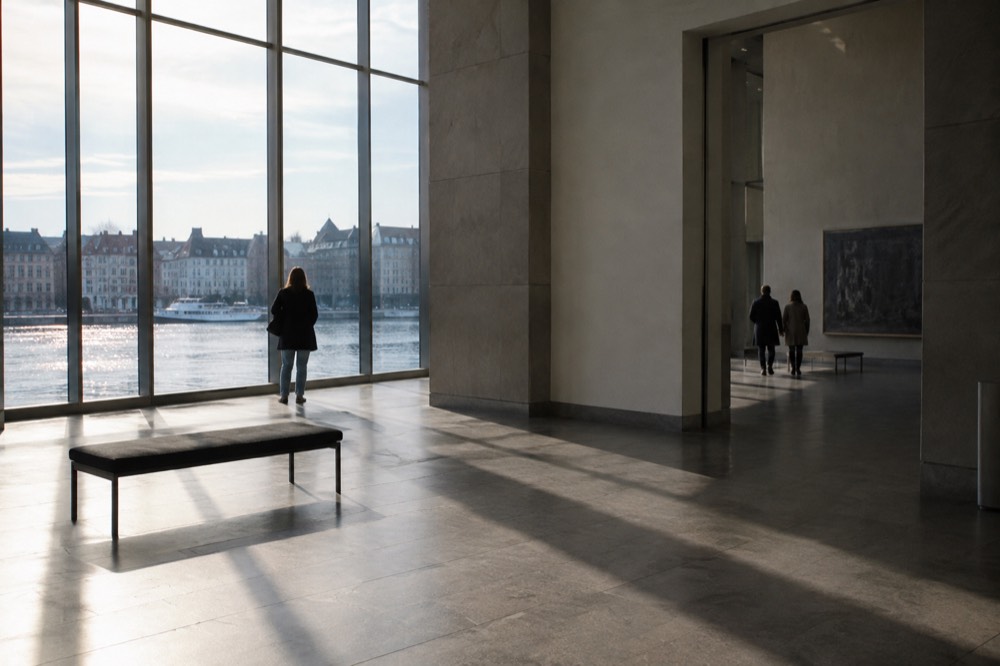
What Is the Best Museum in Oslo?
The best museum in Oslo for most visitors is the Kon-Tiki Museum on the Bygdøy peninsula. It holds Thor Heyerdahl's original balsa and reed rafts, it costs 180 NOK for an adult, and it pairs naturally with the Fram Museum next door for a combined 325 NOK. If your interest is art rather than exploration, the National Museum, which holds The Scream, takes the top spot instead.
That answer comes with an asterisk, and the asterisk matters. The museum many visitors still arrive looking for, the Viking Ship Museum, has been closed since 1 October 2021 and will reopen as the Museum of the Viking Age in 2027. Until then, no page can honestly crown a "best museum in Oslo" without telling you that the most famous one is shut, and that Viking Planet, a small VR-based venue in the city center, is the bookable substitute. You can read the full story on our Museum of the Viking Age page.
Oslo's museum scene is unusually strong for a city of this size, and unusually concentrated. Half the headline museums sit on one peninsula, reachable by a seasonal boat from Rådhusbrygge 3 or by bus 30 year-round, which means the real question is usually not "which one museum" but "which cluster." This article walks through the honest rankings by traveler type, with real prices from the venues' own sites, so you can build the day that fits you rather than the day a guidebook assumes you want.
Which Museum Is Best for a First-time Visitor?
For a first visit, the Kon-Tiki and Fram museums together make the strongest single stop in Oslo. They sit beside each other on Bygdøynes, they cover two of the most dramatic stories Norway owns, Heyerdahl's ocean crossings and the polar ship Fram, and the combination ticket costs 325 NOK for an adult against 360 NOK bought separately. Add the boat ride over and you get the fjord into the bargain.
The pairing works because the two museums are opposites in tone. Kon-Tiki is intimate: the original 1947 balsa raft hangs at eye level, and the 1952 papyrus boat Ra II stands nearby, both of them the actual vessels, not replicas. Fram is the louder cousin. You walk aboard the ship itself, the strongest wooden ship ever built, and stand in the hold where crews overwintered in the Arctic. Adults pay 180 NOK at either door, children 70 NOK, and the Kon-Tiki family ticket for two adults and up to five children is 400 NOK.
Time budget matters here. Kon-Tiki lists a typical visit of about an hour, while Fram runs one to three hours depending on how deep you go into the polar exhibits. Doing both properly takes most of a half-day, which is exactly why the Bygdøy cluster is covered in detail on our Bygdøy guide, including the seasonal ferry from Rådhusbrygge 3 that runs roughly every 20 minutes between mid-March and early October and is included with the Oslo Pass.
Is the MUNCH Museum Worth the Ticket Price?
MUNCH, the waterfront museum in Bjørvika, costs 280 NOK for a daytime adult ticket, dropping to 200 NOK after 18:00, with under-25s paying 100 NOK and everyone 17 or under free. Whether it is worth it depends on how much Edvard Munch you want: the building holds the world's largest Munch collection, including versions of The Scream, and the late-evening rate is one of the better culture deals in the city.
The price is the thing most guides get wrong, because a widely repeated figure of 220 NOK is out of date. The museum's own ticket page lists 280 NOK as the standard adult price, and it also moved its web home from munchmuseet.no to munch.no, so any page still citing the old domain is likely citing the old price too. Hours run 10:00 to 18:00 most days, with late opening to 21:00 Wednesday through Saturday, and it opens every day of the year except 1 May.
For comparison shoppers: the National Museum across the water at Vestbanen holds one version of The Scream as well, alongside the rest of the national collection, and its entry is cheaper. The National Museum's own admission page is not always easy to read from abroad, so treat the live listing as the source of truth before you commit to a figure. Our National Museum guide covers what is actually on the walls and how it differs from MUNCH.
The honest split is this: if you want Munch the artist, in depth and with the views from the twelfth floor, go to MUNCH. If you want one strong art museum that also covers design, older European painting and contemporary Norwegian work, go to the National Museum. Doing both in one day is possible but tiring, and most visitors with two or three days in the city pick one.
What Is the Best Museum in Oslo for Kids?
The Norwegian Museum of Cultural History, Norsk Folkemuseum, is the best museum in Oslo for children. It is an open-air museum of more than 150 historic buildings including a stave church, children 17 and under enter completely free, and adults pay 200 NOK. Between the farm animals, the old town streets and the indoor exhibits, it holds attention longer than any glass-case museum on the peninsula.
The free-child policy is the quiet advantage. A family of two adults and two young children pays 400 NOK total at Folkemuseum, against 520 NOK at the Kon-Tiki and Fram pairing, where children 6 to 17 pay 70 NOK each. The museum is open daily from 10:00 to 17:00, closing only on 17 May and 24 to 25 December.
For older children and teenagers, the ranking shifts. Viking Planet, with its VR Viking experiences, is built almost entirely for that audience, and the Paradox Museum of interactive illusions is Oslo's strongest rainy-afternoon family ticket, with a rating of 4.3 across 876 reviews. Neither is a classical museum, but both reliably beat a second hour of paintings. Families planning a full trip should read our Oslo with kids guide, which sequences the museums against playgrounds, swimming and the aquarium-free fjord.
What Replaces the Viking Ship Museum While It Is Closed?
Viking Planet, a small digital museum near the Royal Palace, is the main bookable substitute for the closed Viking Ship Museum, with entry from about $31 and a VR Viking film included. The Historical Museum in the city center also displays genuine Viking-age objects, and the museum's own site directs visitors there until the new Museum of the Viking Age opens in 2027.
The closure is the single most important planning fact in Oslo right now. The old Viking Ship Museum shut on 1 October 2021 for a complete rebuild, and the museum's own wording is that it "will reopen as the Museum of the Viking Age in 2027." No month has been confirmed publicly, so treat any page quoting a precise reopening date with suspicion. All three ships, the Oseberg, the Gokstad and the Tune, are being moved into the new building, which will make it one of the largest Viking museums in the world when it opens. Everything else covered here is indexed on Oslo Travel Guide. Everything else covered here is indexed on Oslo Travel Guide.
Until then, be careful with what you book. Some live listings elsewhere still sell "Viking Ship Museum admission," and those tickets point at a building you cannot enter. On this site, Viking Planet is the honest substitute: it is a real, bookable venue with a 4.4 rating across 790 reviews, built around VR films and digital reconstructions rather than original artifacts. If you want the real objects, the Historical Museum's Viking-age collection is the place, though its admission price was not verifiable in our research pass, so check the museum's own site before you go.
How Many Oslo Museums Can You See in One Day?
Three is a realistic maximum for one day in Oslo, and two is comfortable. The Bygdøy peninsula lets you cluster Kon-Tiki, Fram and the Norwegian Museum of Cultural History into one half-day-plus, since the first two sit at the same pier. A museum-heavy day in the center, say the National Museum plus MUNCH, works as a separate day, and mixing the two clusters usually means rushing both.
The arithmetic favors clustering by geography. The Bygdøy museums share one boat or one bus route, so moving between them costs minutes, while crossing from Bygdøy to Bjørvika costs closer to forty each way. A sensible one-day museum plan for a first-timer: morning boat to Dronningen for Folkemuseum, walk or hop to Bygdøynes for Kon-Tiki and Fram, boat back, then an evening at MUNCH after 18:00 when the ticket drops to 200 NOK. That is a full day, and a good one.
Here is how the headline museums compare on price and time, using each venue's own published figures:
| Museum | Adult entry | Children | Typical visit |
|---|---|---|---|
| Kon-Tiki Museum | 180 NOK | 70 NOK (6-17) | 1 hour |
| Fram Museum | 180 NOK | 70 NOK | 1-3 hours |
| Kon-Tiki + Fram combo | 325 NOK | 125 NOK | 3-4 hours |
| MUNCH | 280 NOK (200 after 18:00) | Free (0-17), 100 NOK (under 25) | 2 hours |
| Norwegian Museum of Cultural History | 200 NOK | Free (0-17) | 2-3 hours |
| Astrup Fearnley Museet | 180 NOK | Free (under 20) | 1-2 hours |
| Nobel Peace Center | 180 NOK | Free (0-17) | 1-1.5 hours |
| Vigeland Museum | 120 NOK | see site | 1 hour |
One more number worth knowing: the three-museum Bygdøy combination of Kon-Tiki, Fram and the Maritime Museum costs 485 NOK as a combo ticket, against a 24-hour Oslo Pass at 580 NOK that covers all of them plus the ferries and the metro. If you plan to visit three or more paid museums in a day, the pass math starts working, and our is the Oslo Pass worth it guide runs the full break-even calculation.
Is There a Museum Pass That Covers Them All?
Yes, the Oslo Pass covers entry to more than 30 museums and attractions, including Kon-Tiki, Fram, MUNCH, the National Museum, Folkemuseum and the Nobel Peace Center. A 24-hour adult pass costs 580 NOK, a 48-hour pass 845 NOK and a 72-hour pass 995 NOK, and the pass also includes public transport across Ruter zones 1, 2, 3, 4V and 4N, plus the Vy airport trains and the Bygdøy ferry.
That transport inclusion is what turns the pass from a museum product into a whole-day product. Three Bygdøy museums alone at full price come to 560 NOK in entry fees, and the 580 NOK 24-hour pass covers those entries plus the boat to get there, the metro to Holmenkollen if you add it, and the trains to and from Gardermoen airport if your timing lines up. The pass does not cover Flytoget, the faster airport express, only the Vy trains, a distinction most guides state wrongly or not at all.
Which Museums Can You See for Free?
The best free museum-adjacent sights in Oslo are the Vigeland sculpture park, which is genuinely free and open 24 hours a day all year, and the Opera House roof, which anyone can walk on without a ticket. Among indoor museums, MUNCH and the Nobel Peace Center admit children free, and the Astrup Fearnley admits anyone under 20 free, but no major Oslo museum offers free general adult entry on a standing basis.
Vigeland Park deserves its own mention because visitors routinely confuse it with a paid attraction. It is not. The sculpture park in Frogner holds more than 200 Gustav Vigeland works, it never closes and it never charges, which makes it the single best answer to a budget morning in the city. The separate Vigeland Museum next door does charge, 120 NOK for an adult, and covers the artist's plaster studies and process. Our Vigeland Park guide explains what you are looking at, which genuinely helps, because the monolith rewards context.
The Opera House roof is the other free classic. The marble and granite slopes of Operahuset are a public plaza as much as a building, and walking up to the harbor edge costs nothing at any hour. It is not a museum in the ticketed sense, but it belongs on any free-culture list, and it sits two minutes from MUNCH, which makes a convenient pairing: free roof at sunset, then the 200 NOK evening ticket inside.
For a fuller rundown of what costs nothing in this city, including the free walking tours that operate on tips, see our free things to do in Oslo guide.
So Which Museum Should You Actually Pick?
Pick Kon-Tiki if you want the most universally loved museum in Oslo, the National Museum if you want The Scream and the national collection, MUNCH if you want one artist in depth, Folkemuseum if you have children, and Viking Planet if Vikings are the reason you came. There is no wrong answer among those five, only wrong expectations, and the biggest wrong expectation in 2026 is that the Viking Ship Museum is open.
A note on how this site ranks things, because it matters. The recommendations above lean on verified figures from the venues themselves, not on press releases or aggregated hearsay. When a rating is mentioned, it comes from the operator's live listing, and when a price is mentioned, it comes from the museum's own ticket page. That is the standard the rest of this site, oslotravelguide.com, holds itself to across every museum, transport and cost page it publishes.
If your museum day needs a structure, the simplest strong plan is this: boat to Bygdøy in the morning, Kon-Tiki and Fram through the middle of the day, bus 30 back to the center, and the National Museum or an evening MUNCH ticket to finish. That single day gives you exploration history, polar history and The Scream, with a fjord crossing on either side, and it is the day most first-time visitors end up wishing they had planned.
The evening option is worth flagging separately. Oslo's museums mostly close at 17:00, but MUNCH stays open to 21:00 Wednesday through Saturday, and the myths-and-legends evening walking tour runs in the hours when everything else is shut. A museum day that ends with a 200 NOK evening ticket and a dark walk past the Akershus walls is a genuinely good day, and it costs less than most people expect a day in Oslo to cost.
Common Questions About the Best Museum in Oslo
what is the best museum in oslo?
For most visitors it is the Kon-Tiki Museum, the best-reviewed museum ticket in the city at 4.5 across 1,116 reviews, holding Thor Heyerdahl's original expedition rafts. Art lovers should choose the National Museum for The Scream and the national collection, and families do best at the open-air Norwegian Museum of Cultural History, where children enter free.
Is the Viking Ship Museum open in Oslo?
No. The former Viking Ship Museum closed on 1 October 2021 and will reopen as the Museum of the Viking Age in 2027. Until then, Viking Planet offers a bookable VR-based Viking experience in the city center, and the Historical Museum displays genuine Viking-age objects.
How much do Oslo museums cost?
Most major Oslo museums charge between 180 and 280 NOK for an adult. Kon-Tiki and Fram each cost 180 NOK, or 325 NOK combined. MUNCH costs 280 NOK daytime and 200 NOK after 18:00. The Norwegian Museum of Cultural History costs 200 NOK, with children 17 and under free.
Does the Oslo Pass cover museums?
Yes. The Oslo Pass includes free entry to more than 30 museums and attractions, including Kon-Tiki, Fram, MUNCH, the National Museum and the Folkemuseum, plus public transport in zones 1, 2, 3, 4V and 4N and the Bygdøy ferry. A 24-hour adult pass costs 580 NOK.
Is MUNCH worth visiting instead of the National Museum?
If you want depth on Edvard Munch specifically, yes: MUNCH holds the world's largest collection of his work. If you want one broad art museum covering The Scream, older European painting, design and contemporary Norwegian art, the National Museum is the better single choice and the cheaper ticket.
What is the best museum in Oslo on a rainy day?
The Fram Museum works well in bad weather because much of it is indoors around the ship itself, and the Paradox Museum of interactive illusions is Oslo's strongest dedicated rainy-day ticket. Pair either with MUNCH's evening hours to fill a wet afternoon and evening without standing outside.