What Is Oslo Famous for Shopping?
Oslo is famous for Scandinavian design, wool knitwear, vintage shopping in Grünerløkka and Norwegian food souvenirs from Mathallen. Here is what to buy, where, and what it costs.
What Is Oslo Famous for Shopping?
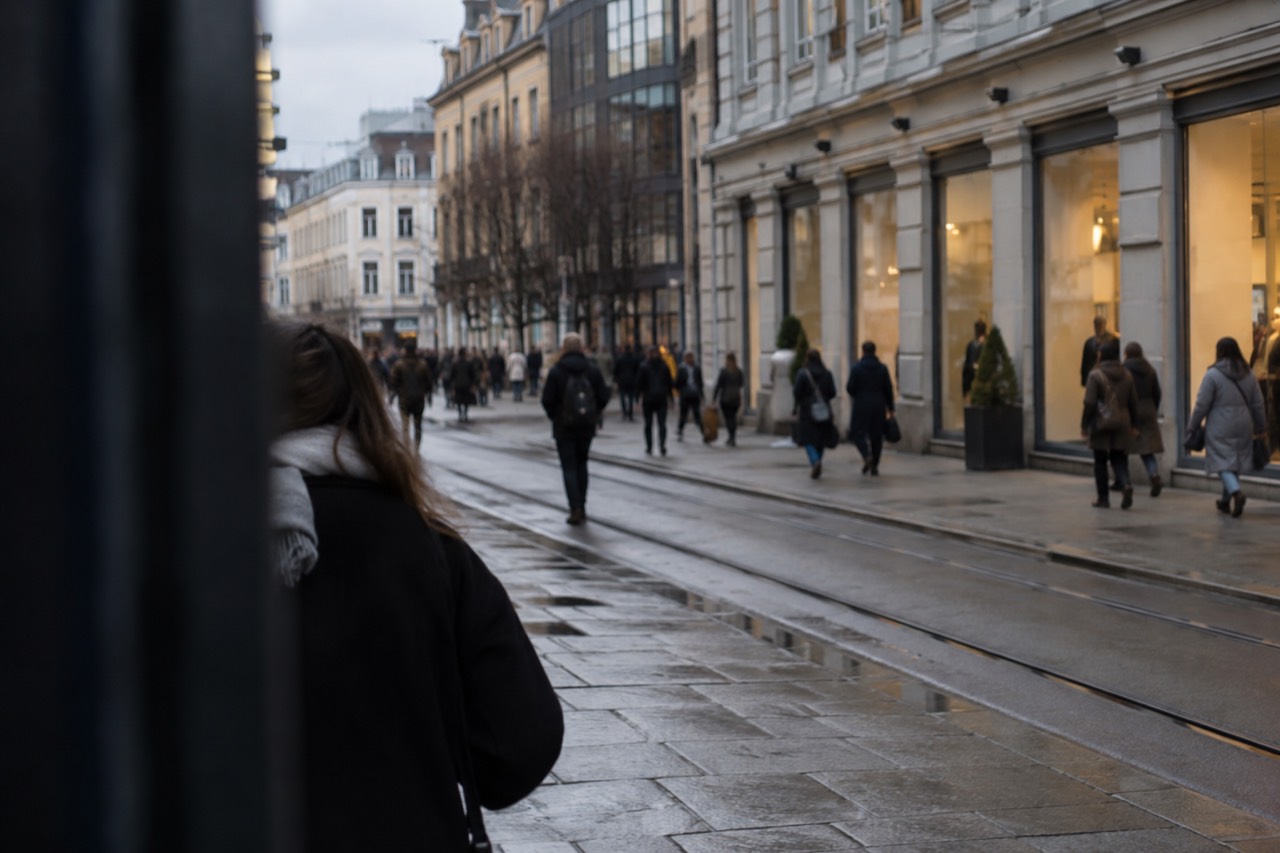
Oslo is famous for Scandinavian design, Norwegian wool knitwear, secondhand and vintage shopping in Grünerløkka, and edible souvenirs like brown cheese, aquavit and cloudberries. The main shopping axis is Karl Johans gate and the streets around it, with department stores and malls in the center, antiques in Frogner and boutiques along Bogstadveien in Majorstuen. Norway is not in the EU, uses the krone rather than the euro, and non-resident visitors can claim a VAT refund on qualifying purchases.
That is the short version. The longer version is that Oslo rewards shoppers who treat the city as a set of distinct neighborhoods rather than one long street. The center, stretched between Oslo Central Station and the Royal Palace along Karl Johans gate, carries the flagship stores, the malls and the two big department stores, GlasMagasinet and Steen & Strøm. Go a tram ride west and you reach Frogner and Majorstuen, where Bogstadveien is the locals' own shopping street, lined with Scandinavian fashion chains, homeware and cheese shops rather than tourist stock.
Cross the river east and everything changes again. Grünerløkka is where Oslo's secondhand and vintage reputation lives, a district of independent stores, record shops and design studios in converted industrial buildings, with the Vulkan area and its food hall at the top of the neighborhood. Down at the waterfront, Aker Brygge mixes national design brands with souvenir shops aimed squarely at cruise and fjord visitors.
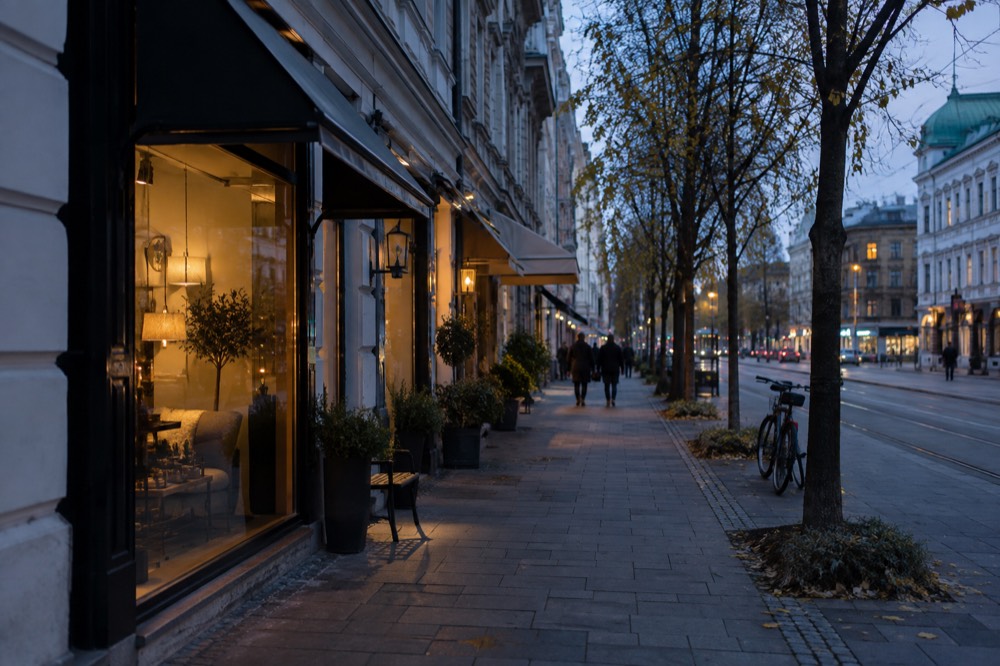
What Oslo is not famous for is bargains. Norway is one of the most expensive countries in Europe, and shopping here reflects that. The compensation is quality: Norwegian wool, glass, ceramics and food products are genuinely made here, and the things worth carrying home tend to last. Our full Oslo shopping guide covers stores and opening details street by street, and the Oslo souvenirs guide lists what is actually worth buying.
What Are the Best Shopping Streets and Areas in Oslo?
The best shopping streets in Oslo are Karl Johans gate and the surrounding center for flagship stores and malls, Bogstadveien in Majorstuen for Scandinavian fashion and everyday shopping the way locals do it, Grünerløkka for vintage, secondhand and independent design, and Frogner for antiques and art. Aker Brygge handles waterfront design and souvenirs, and Mathallen at Vulkan is the stop for food. Each area is a short tram or metro ride from the others.
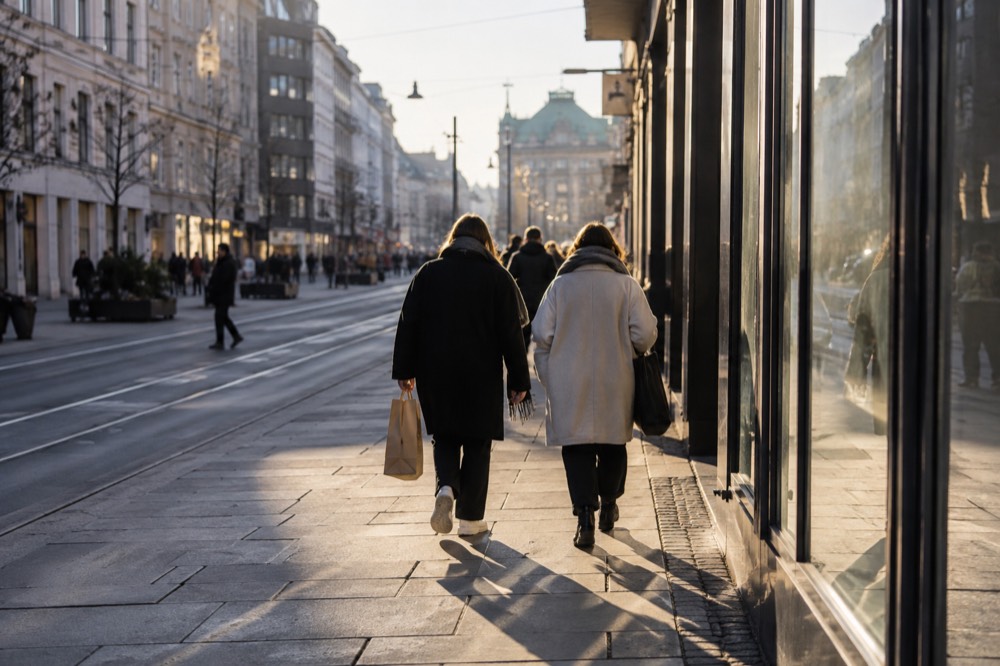
Karl Johans gate is the spine. It runs from Oslo Central Station up to the Royal Palace, and the shopping concentrates in the middle stretch around Stortorvet and the streets running off it, plus the Oslo City and Paleet malls near the station end. This is where you find the international chains, the Norwegian design flagships and the two department stores. It is walkable, flat and easy to combine with the Cathedral, the National Theatre and the Parliament building along the way.
Bogstadveien in Majorstuen is the street Oslo residents actually shop on. It runs from Majorstuen crossroads up toward Frogner, and it is the place to see which Scandinavian brands Norwegians wear when nobody is performing Scandinavia for tourists. Frogner's side streets, particularly the area around Bygdøy allé and the streets off Frognerveien, hold the antiques dealers and older galleries that give the west side its character.
Here is how the main areas compare:
| Area | Known for | Best for | Atmosphere |
|---|---|---|---|
| Karl Johans gate and the center | Flagship stores, Oslo City, Paleet, GlasMagasinet, Steen & Strøm | One-stop shopping, bad weather, first visit | Busy, touristy, fully covered mall options |
| Bogstadveien, Majorstuen | Scandinavian fashion chains, homeware, delis | Shopping the way locals do | Relaxed, residential |
| Grünerløkka | Vintage, secondhand, record stores, independent design | Unique finds, younger scene | Lively, creative |
| Frogner | Antiques, galleries, classic west-side boutiques | Higher-end browsing | Quiet, polished |
| Aker Brygge | Design brands, waterfront souvenir stores | Gifts, cruise-day shopping | Polished, waterfront |
| Mathallen at Vulkan | Norwegian food, cheese, coffee, edible gifts | Food souvenirs | Bustling, indoor |
A practical note on combining the day: the center, Aker Brygge and Grünerløkka are close enough to walk between if you do not mind a couple of kilometers, while Majorstuen and Frogner sit on tram and metro lines heading west. Many visitors pair a shopping morning with something on the water in the afternoon, and the fjord options are the natural fit.
If you would rather have someone orient you before you shop, the free walking tours cover the center and cost nothing up front, tipping what you think the walk was worth. And if your shopping list includes gifts for people at home, the Kon-Tiki Museum ticket pairs a Bygdøy outing with one of the more unusual gift shops in the city, stocked with expedition books and maritime design rather than trolls.
What Souvenirs and Products Is Norway Known For?
Norway is known for wool knitwear, especially traditional patterned sweaters, along with Scandinavian design objects, brown cheese, aquavit, cloudberries and cloudberry products, Munch prints and museum-shop design, trolls and rosemaling folkware, and salted licorice. The honest division is between things made in Norway, which are expensive but real, and generic tourist stock, which is neither. Wool and food are the two categories worth the money.
Wool is the headline. Norwegian sweaters from brands like Dale of Norway and Devold are not cheap, but they are the genuine article, made from Norwegian wool and built for winters far colder than most visitors ever experience. Sports and outdoor stores across the center and Majorstuen carry them, and so do the department stores. The museum shops are the sleeper option: the National Museum, MUNCH and the Kon-Tiki Museum all run shops with design-led stock, art books and prints that you will not find in an airport.
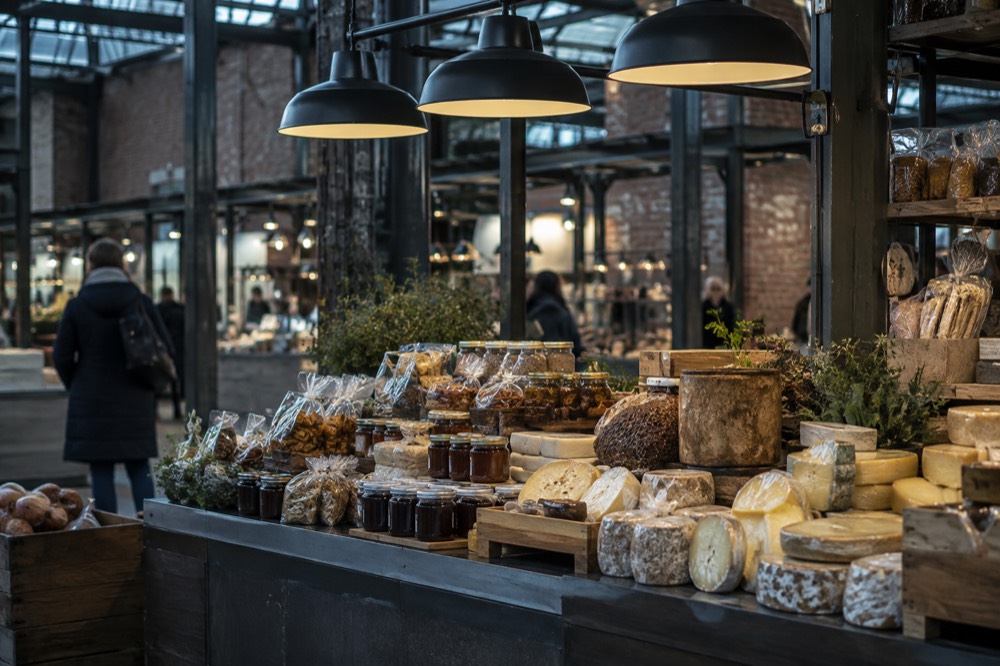
Food souvenirs work best at Mathallen Oslo, the food hall at Vulkan. Brown cheese in its distinctive red packaging, goat cheese from small dairies, cloudberry jam, dried fish, licorice and Norwegian chocolate all travel well and cost a fraction of what a sweater costs. For aquavit and any wine or spirits, the only place to buy is Vinmonopolet, the state monopoly. It keeps short hours, closes early on Saturdays and is closed all day Sunday, and supermarkets sell only beer and cider up to 4.7% ABV, so plan the alcohol stop before the weekend, not during it.
Between the wool stores and the food hall, it is worth building in a proper break. The 90-minute silent electric fjord cruise leaves from the piers at Rådhusbrygge, minutes from Aker Brygge's shops, and it is the single best-reviewed activity in the city. Free cancellation terms are shown on the operator's live listing, so you can book it before you know how the day's shopping has gone.
Is Shopping in Oslo Expensive?
Yes, shopping in Oslo is expensive by European standards, but unevenly so. Statistics Norway's 2025 comparison puts overall household prices 28.6% above the EU average, food 33% above, and alcohol and tobacco at more than double the average. Design, wool and museum-shop goods carry Norwegian wages in their prices. What is not unusually expensive is the shopping itself: browsing is free, and sales genuinely reduce prices.
The honest framing is that you are paying Norwegian costs, not tourist markups. A sweater made in Norway from Norwegian wool is expensive because Norwegian labor is expensive, and the same sweater costs similar money in Bergen or Trondheim. Where tourists do overpay is in the pure souvenir tier, the troll dolls and generic fjord T-shirts near the cruise port, which are neither made here nor worth their shelf price compared with the food and wool alternatives a few streets away.
Two structural facts help. Norwegian shops run genuine sale seasons, with the big markdowns in the weeks after Christmas and again in midsummer, and prices are the displayed prices: service is included, and tipping is not expected anywhere in the country. There is no haggling culture in Norwegian retail, at all, so do not plan to negotiate.
Can Tourists Get a VAT Refund When Shopping in Oslo?
Yes, non-resident visitors can claim a VAT refund on qualifying goods bought in Norway, because Norway is in the Schengen Area but not in the European Union and sits outside EU VAT. You need to buy from a shop that offers refund handling, keep the receipts and the goods unused, and export them when you leave. Minimum spend and refund-point rules are set by the refund operator, so confirm them at the till before buying.
This is the detail that catches EU-based visitors out. Coming from Germany or France, you are used to there being no customs step and no refund, because inside the EU customs union there is nothing to refund. Norway is different: it is in Schengen, so there is no routine passport check arriving from another Schengen country, but it is outside the EU customs union and outside EU VAT, so the duty-free and refund logic that vanished inside the EU still applies here. Arriving in Norway you can shop duty-free at the airport, including at prices that make the Vinmonopolet stop at home look painful, and leaving, you can reclaim the VAT on your knitwear.
The currency point matters the same way. Norway uses the Norwegian krone, NOK, not the euro, and euros are not generally accepted in shops. Card payment is close to universal, including contactless and phone wallets, and most visitors never need cash at all, but the prices you see are in krone and the exchange rate is your own bank's business.
Where Do Locals Actually Shop in Oslo?
Locals shop on Bogstadveien in Majorstuen, in the independent stores and secondhand shops of Grünerløkka, at the malls in the center when the weather is bad, and at Mathallen and the neighborhood shops around it for food. Oslo residents also buy heavily secondhand, and the flea markets and charity shops are a genuine part of the retail culture rather than a niche. Vintage Grünerløkka is the visitor-facing version of it.
Secondhand deserves the emphasis. Norway has one of the highest rates of secondhand purchasing in Europe, and it shows in the retail mix: Grünerløkka's vintage stores are supplemented by charity shop chains, seasonal flea markets and online resale that locals use as their default rather than their fallback. For a visitor, this is the best value shopping in the city, because the goods are the same quality Norwegian wool and design that costs full price two tram stops west.
The food side of local shopping is its own pleasure. Mathallen at Vulkan sits in a converted industrial building beside the Akerselva river, and it is where the city's cheese counters, coffee roasters and small producers sell direct. A Grünerløkka food walk is the guided way into it, and it doubles as a moving lunch.
The neighborhood itself is compact enough that an afternoon covers it, and it connects back toward the center along the river path past the Vulkan buildings. If you are staying more than a couple of days, our where to stay in Oslo guide explains which neighborhoods put you within walking distance of which shops.
What Are Oslo's Shopping Hours?
Oslo's shops generally open around 10:00 and close at 18:00 or 20:00 on weekdays, open Saturdays with earlier closing in the late afternoon, and are closed on Sundays, with only small convenience stores and some tourist-area shops open. Malls keep longer hours than individual boutiques, and Vinmonopolet closes earlier than everything else, with all-day Sunday closure. Public holidays shut nearly all retail.
Sunday is the day to plan around. Norway's Sunday trading laws restrict which stores may open, so a Sunday arrival means museum shops, convenience stores and some kiosks and cafés, not the department stores. If your trip includes a Sunday, put the museums and the outdoors on it, and shop the other six days. The 17th of May, Christmas Eve, Christmas Day and New Year's Day shut essentially everything.
A sample week of typical hours:
| Day | Typical hours, city-center stores | Notes |
|---|---|---|
| Monday to Friday | 10:00 to 18:00, some to 20:00 | Malls often open from 09:00 or 10:00 to 20:00 or 21:00 |
| Saturday | 10:00 to 16:00 or 17:00 | Earlier closing than weekdays; Vinmonopolet closes at 16:00 |
| Sunday | Mostly closed | Small convenience stores and some tourist-area shops excepted |
| Public holidays | Closed | 17 May, Christmas and Easter shut nearly all retail |
Hours vary by store and by season, with longer evening hours in the December shopping weeks, so treat the table as the shape of the week rather than a guarantee for a specific shop.
Common Questions About What Oslo Is Famous for Shopping
what is oslo famous for shopping?
Oslo is famous for Scandinavian design, Norwegian wool knitwear, vintage and secondhand shopping in Grünerløkka, and food souvenirs like brown cheese, aquavit and cloudberry products. The main shopping axis is Karl Johans gate and the center, with Bogstadveien, Frogner, Grünerløkka and Aker Brygge each adding their own character.
What should I buy in Oslo that is actually made in Norway?
Wool sweaters and knitwear from Norwegian brands, brown cheese and cloudberry products from the food hall, aquavit from Vinmonopolet, and design objects and prints from the museum shops. These are the categories genuinely produced in Norway, unlike the generic souvenir tier sold near the cruise port.
Is Oslo good for clothes shopping?
Yes, if you want Scandinavian fashion and outdoor wear rather than luxury flagships. Bogstadveien and the center carry the Norwegian and Nordic chains, and Grünerløkka adds vintage and independent designers. Prices are high by European standards, so the sales seasons after Christmas and in midsummer are the smart times to buy.
Can I buy alcohol as a souvenir in Oslo?
Yes, but only at Vinmonopolet, the state monopoly, for wine and spirits. It closes early on Saturdays and is closed all day Sunday, so buy before the weekend. Supermarkets sell only beer and cider up to 4.7% ABV. Aquavit is the classic Norwegian bottle to take home.
Are shops in Oslo open on Sundays?
Mostly no. Norwegian Sunday trading laws restrict openings to small convenience stores and some tourist-area shops. Malls and department stores close, as does Vinmonopolet. Plan museums and the outdoors for Sunday and shop the other six days.
Can I get a tax refund on shopping in Oslo?
Yes. Norway is in Schengen but not in the EU and sits outside EU VAT, so non-resident visitors can claim a VAT refund on qualifying goods exported when leaving. Buy from shops offering refund handling, keep receipts and goods unused, and confirm the minimum spend and refund point at the till.
However the shopping day goes, the pattern that works in Oslo is the same one locals use: one area per afternoon, a food stop in the middle, and the waterfront for the evening. The Oslo Travel Guide site covers each of these neighborhoods in depth if you want to go further than a day allows.