Is 4 Days in Oslo Too Much?
No, four days is not too much for Oslo: it is close to the sweet spot. Here is what four days actually buys, and when three or five is the better number.
Is 4 Days in Oslo Too Much?
No, four days in Oslo is not too much. It is close to the ideal length. Two days covers the headline sights at a sprint, three is comfortable, and a fourth day is what buys the things most visitors miss: the Oslofjord islands, a proper museum peninsula afternoon, and a half-day in the forest at the city's edge. Anyone with a specific interest, in art, in polar history, in hiking, could fill five without strain.
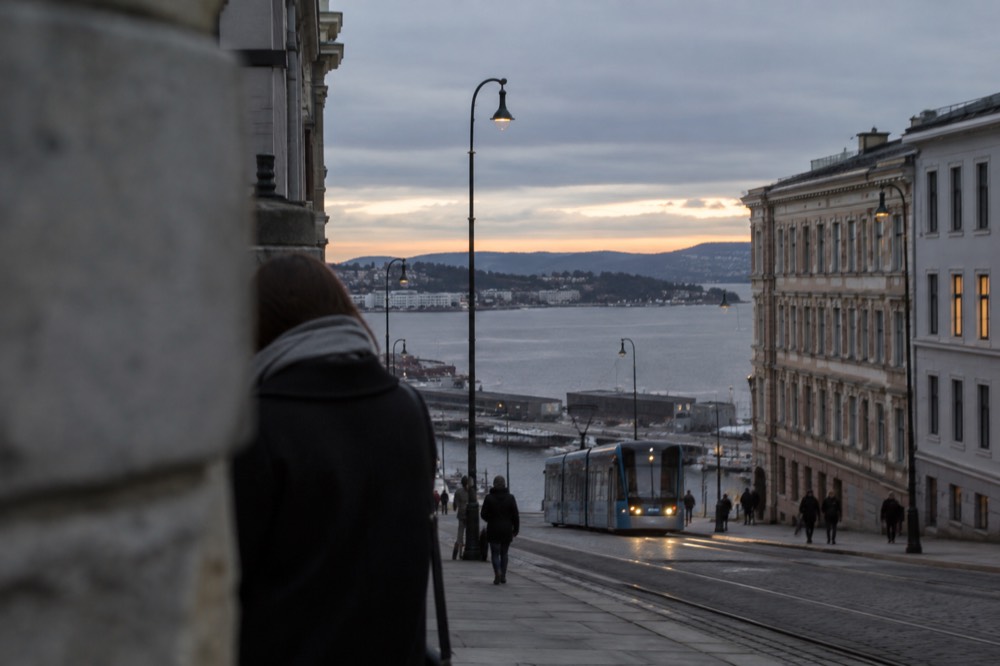
The question usually comes from a suspicion that Oslo is small. It is, in population terms, one of the smaller capitals in Europe. But the city is spread thin across the inner Oslofjord, and its headline sights are scattered rather than clustered. The MUNCH museum stands in Bjørvika, the National Museum sits by the harbor, the Kon-Tiki and Fram museums are out on the Bygdøy peninsula, and Vigeland Park is a tram ride west of the center. Nothing is far, but almost nothing is next to anything else either.
That geography is the honest answer to the question. Four days is not too much because Oslo's sights are connected by short rides rather than by walking distances, and each cluster rewards an unhurried half-day rather than a rushed hour. A visitor who tries to compress Bygdøy's museums into a single morning tends to remember the bus more than the boats.
What Can You Realistically See in Four Days?
A four-day visit can cover the National Museum, MUNCH, the Bygdøy peninsula with two or three of its museums, Vigeland Park, the Opera House roof, Akershus Fortress, one fjord cruise, and a half-day either on the islands or in Nordmarka, with slack left for Grünerløkka and the food halls. That is a full and varied trip, not a padded one. It also leaves room for the things that make a city feel visited rather than toured: a slow morning at Mathallen, an evening walk along Aker Brygge, a swim from an island beach in summer.
A rough shape for the four days, assuming a first visit:
| Day | Anchor | What it holds |
|---|---|---|
| 1 | Center and harbor | Karl Johans gate, the Opera House roof, Akershus Fortress, National Museum or MUNCH |
| 2 | Bygdøy peninsula | Kon-Tiki, Fram, Norsk Folkemuseum, reached by seasonal ferry or bus 30 |
| 3 | Fjord day | A sightseeing cruise in the morning, the islands or Aker Brygge in the afternoon |
| 4 | West and green | Vigeland Park, Holmenkollen, or a forest edge trip to Sognsvann or Frognerseteren |
The order matters less than the grouping. Bygdøy deserves its own day because the museums there are dense and the ferry back stops running in the early evening. The fjord deserves its own day because a boat trip in the morning and an island in the afternoon is the single most Oslo-specific combination available, and it collapses if it has to share the day with anything on land.
Day four is the flexible one. A visitor with children might spend it at the climbing park or the Paradox Museum; a visitor in winter might swap it for snowshoeing in Nordmarka or a torchlit forest walk; a visitor who has had enough of schedules might spend it entirely in Grünerløkka with a coffee and no plan. None of that is filler. It is the difference between seeing Oslo and being in it.
If the shape of those four days appeals but the planning feels heavy, a hop-on hop-off bus loop on day one is one way to fix the geography in your head before committing to anything. The Gray Line product is the one that carries a solid rating across a large review base, and its 48-hour version lines up neatly with the first half of a four-day stay.
When Is Three Days the Better Number?
Three days is the better number when Oslo is one stop on a wider Norway trip and the rest of the itinerary is fixed, or when the visit falls in deep winter and the short daylight makes long days pointless. Three days covers the center, Bygdøy and one fjord trip at a genuine, un-rushed pace. What it gives up is the fourth-day material: the islands, the forest edge, the neighborhoods east of the river.
The winter point deserves emphasis because the daylight swing in Oslo is extreme. On 21 December the sun rises at 09:18 and sets at 15:11, giving 5 hours 53 minutes of daylight. On 21 June the same city gets 18 hours 50 minutes, with the sun setting at 22:43 and rising again at 03:53. A four-day summer visit has enormous amounts of usable time; a four-day December visit has about 24 daylight hours in total, and no amount of itinerary design changes that.

Three days is also the right call for visitors who book the full-day bus and fjord combination tour, which packs the city highlights and a fjord cruise into a single 7.5-hour outing. Doing that on day one effectively buys back a day, because it front-loads orientation and covers ground that would otherwise take two separate outings. Cruise passengers on a single day ashore take the same product for exactly that reason.
The honest caveat is that three days in Oslo still means choosing. The National Museum alone holds The Scream and enough Norwegian and international art to absorb a full morning, and MUNCH's building by the opera house deserves at least two hours. A three-day visitor who tries to keep both plus Bygdøy plus a boat will spend the trip watching a clock.
For more on the trade-offs, the site's own how many days in Oslo is enough page works through the same question from the other direction, and the 3 days in Oslo itinerary shows what a tight three actually looks like hour by hour.
What Does the Fourth Day Actually Buy?
The fourth day buys the Oslo that exists beyond the checklist: swimming or picnicking on the Oslofjord islands, which are ordinary public-transport destinations, a walk from Frognerseteren into Nordmarka's forest trails, the Grünerløkka neighborhood's cafes and street art at an unhurried pace, and the smaller museums and views the first three days have no room for. None of these are consolation prizes; several are the things residents would name first.
The islands are the clearest example. The B1 ferry from Aker Brygge runs year-round on an ordinary Ruter ticket, stopping at Hovedøya with its ruined Cistercian abbey, at Gressholmen, and at the small wooded islands around them. In summer the B2 extends the network to Langøyene, the swimming and camping island. These are not excursions in the tour-brochure sense. They are a 15-minute boat ride on a city ticket, which is precisely why rushed visitors miss them: they sound like a whole day and cost an afternoon. The wider set of guides lives on Oslo Travel Guide. The wider set of guides lives on Oslo Travel Guide.
The forest edge works the same way. Metro Line 1 ends at Frognerseteren, from which marked trails drop into Nordmarka, the forested mass that begins, literally, at the city boundary. Sognsvann, a lake at the end of another metro line, is a flat 3 km circuit that residents treat as a default Sunday walk. Skiforeningen grooms ski trails across the same forest all winter. A capital city where a metro ride delivers you to groomed cross-country skiing is unusual, and the fourth day is when that stops being trivia and becomes an experience.
The cost argument for the fourth day is also stronger than it looks, because Oslo's expensive reputation is uneven. The SSB price-level survey places Norwegian household prices 28.6 percent above the EU average, with alcohol and tobacco more than double the European mean, but the things that fill a fourth day here are mostly cheap or free. Vigeland Park is free and open 24 hours a day, all year. The Opera House roof is free to walk on. The islands cost an ordinary transit fare. The expensive parts of Oslo are the restaurants and the bars, not the sights.
For visitors who would rather let someone else handle the fourth day's logistics, the guided sightseeing options split neatly by format. The premium silent-boat cruise is the higher-end guided fjord trip, with live commentary rather than the recorded audio of the standard electric-boat version, and it pairs well with a slow final day.
Is Four Days Too Much for Children or for a Quiet Trip?
No, four days suits families well, because Oslo's child-friendly material is spread out and rewards a slower pace: the Fram and Kon-Tiki museums, the open-air Norsk Folkemuseum, the climbing park, the Paradox Museum and the islands are more than a family can do in three days without meltdowns. For a quiet, low-pace trip, four days is also the right length, simply because the city rewards walking and sitting over rushing.
The family case is helped by the pricing. Norsk Folkemuseum admits children under 18 free, MUNCH admits anyone 17 or under free, and the Nobel Peace Center does the same. A family of four visiting three or four major venues will find the children's tickets amount to very little, and the Oslo Pass child rate of 290 to 495 NOK depending on duration covers transport as well. The Paradox Museum, an interactive illusion space, is the strongest rainy-day family ticket on the roster, and Oslo in August, its wettest month at 103 mm on the 1991 to 2020 normals, will occasionally hand you a rainy day whether planned or not.
The quiet-trip case is simpler. Oslo is a low-friction city: compact center, reliable trams and metro, tap water that is famously good, and a culture that does not expect tips. Four days at a gentle tempo, one anchor sight per morning and one per afternoon, is exactly what the city is built for. The Oslo with kids guide works the family angle in full, and the rainy day in Oslo page has the indoor plan for the wet days that August in particular can deliver.
What Would Make Four Days Too Much?
Four days becomes too much only in specific circumstances: when the whole trip to Norway is under a week and the fjords or Bergen are also on the list, when the visit is in the darkest weeks of December and the goal is a city taster rather than depth, or when the traveler genuinely prefers fast, single-anchor days. In each case three days in Oslo plus the time saved elsewhere is the better trade.
The Norway-wide version of this question is the real one for many visitors. The Bergen railway is one of Europe's most praised train rides, and the fjord country around it is what most people picture when they picture Norway. A visitor with eight or nine days total who gives four to Oslo has chosen the city over the mountains, and that is a legitimate choice but it should be a conscious one. The Oslo to Bergen train and Norway in a Nutshell pages on this site cover the alternative in detail.
The December version is about light, again. Four days at midsummer means roughly 75 hours of daylight to spend. Four days at midwinter means under 24, plus a city that is genuinely dark by late afternoon. December Oslo has its own appeal, the Christmas market, the torchlit forest walks, the candlelit cosiness Norwegians call kos, but it is a different product from the summer city, and a traveler who wants the summer version should not book the winter dates.
The preference version needs no justification. Some travelers would rather see three cities in twelve days than one, and Oslo pairs cleanly with Copenhagen by ferry or train, and with Stockholm in about five hours by rail. Four days is not too much for Oslo; it is simply more than some itineraries have room to give it.
How Should You Pace the Four Days?
Pace the four days as one anchor cluster per half-day, with the heaviest sightseeing on days one and two, the fjord on day three when the itinerary fatigue usually lands, and the lightest, most flexible material on day four. Book Bygdøy museums and any boat trips ahead in summer, keep museum-heavy days out of Monday, when several venues close, and leave at least one afternoon unplanned entirely.
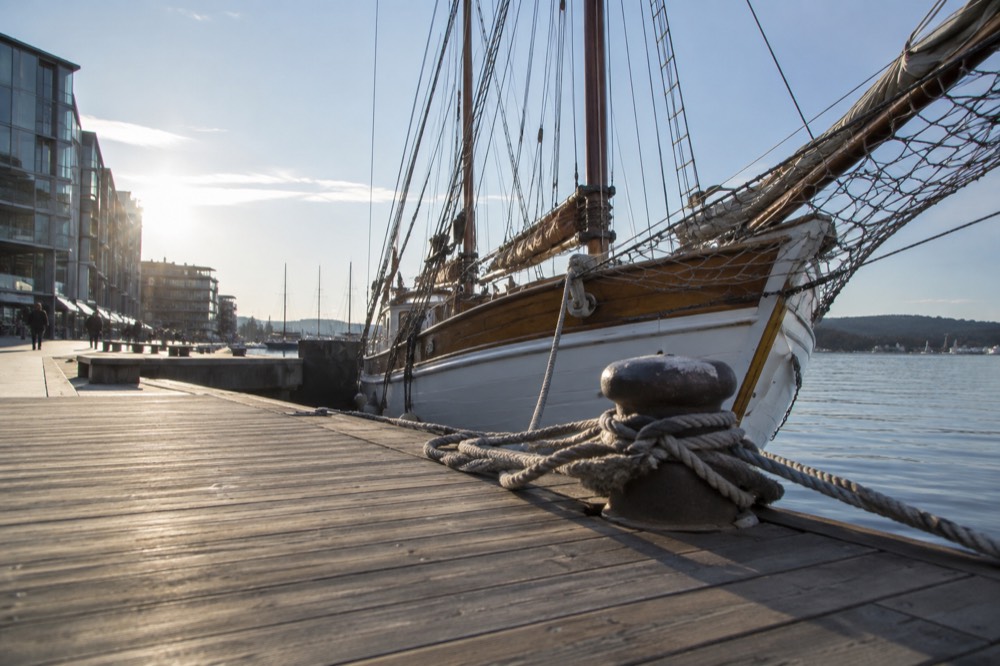
The fatigue point is practical. Most four-day visitors hit their wall on the third morning, and that is exactly when a boat does the work for you. A fjord cruise is sightseeing while sitting down: the standard electric-boat version runs 90 minutes with recorded commentary, the wooden sailing ship version stretches to two hours under sail, and the evening shrimp-buffet cruise turns the whole thing into dinner. Putting any of these on day three converts the weakest attention span of the trip into the most memorable block of it.
Booking ahead matters mostly in July and August, both for boats and for the small guided walks that cap their numbers. The summer ferry to Bygdøy runs only from mid-March to early October, and outside that window bus 30 does the same job on a Ruter ticket, so the peninsula itself never becomes inaccessible, only less charming to reach.
The one structural warning for a four-day plan is the Museum of the Viking Age. The former Viking Ship Museum on Bygdøy is closed, and the museum's own statement is that it will reopen as the Museum of the Viking Age in 2027. No page should let a visitor believe the ships are viewable in the meantime; the honest substitute, both on Bygdøy-adjacent ground and in the city center, is the Viking Planet experience near the Royal Palace, and the Historical Museum in central Oslo holds Viking-age objects while the new building is finished. The Museum of the Viking Age page tracks the reopening as the museum states it.
Common Questions About Four Days in Oslo
is 4 days in oslo too much?
No. Four days fits Oslo almost exactly: enough for the center, the Bygdøy peninsula, a fjord trip and a flexible fourth day on the islands or in the forest. It only becomes too much if it crowds out the fjords or Bergen on a short Norway-wide trip.
Is 3 days in Oslo too much?
No, three days is comfortable rather than too much. It covers the center, Bygdøy and one boat trip at a real pace, and gives up the islands and the forest edge, which is the main argument for the fourth day.
What is the best month for a four-day Oslo visit?
June through August gives the longest days, up to nearly 19 hours of daylight in late June, and the full summer ferry season. August is the wettest month at 103 mm on the 1991 to 2020 normals, so pack for showers. December offers the Christmas market and candlelit cosiness but under six hours of daylight.
Can you do Oslo in 2 days?
Yes, but it is a sprint. Two days covers the center, one museum cluster and one boat trip, with Bygdøy or the islands usually sacrificed. It works as a stopover, not as a full visit.
Is the Oslo Pass worth it on a four-day trip?
Often yes. A 72-hour pass costs 995 NOK for an adult and covers more than 30 museums plus Ruter transport in zones 1 through 4N, including the Vy airport trains. Three or four paid museums plus transit in three days generally clears the break-even point.