Is 3 Days in Oslo Too Much?
No, 3 days is not too much for Oslo. It is the sweet spot for a first visit: the core sights, one fjord trip and one day trip all fit inside it.
Is 3 Days in Oslo Too Much?
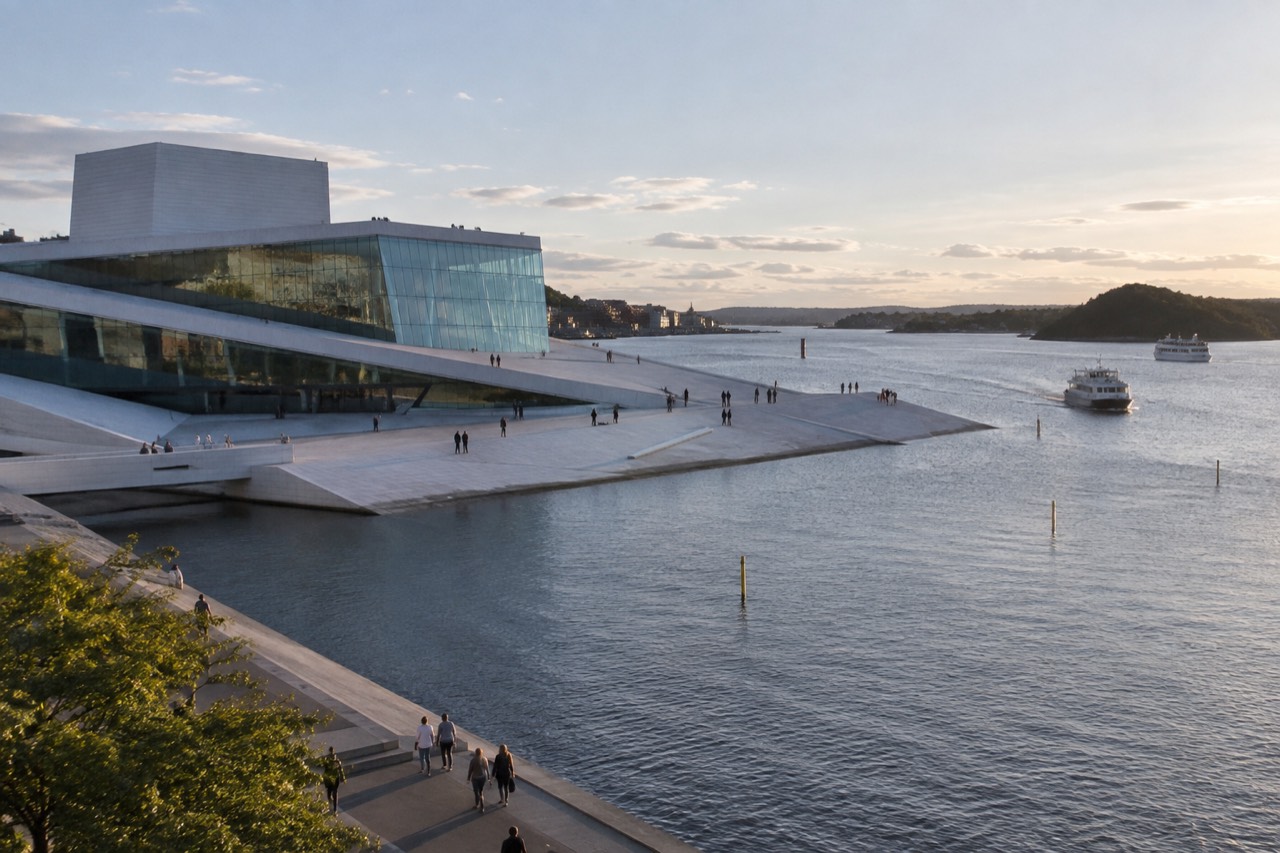
No, 3 days in Oslo is not too much. It is close to the ideal first-visit length. Oslo's core sights are spread across a peninsula, a fjord and several neighborhoods rather than packed into one old town, so two days covers the essentials at a sprint while three lets you add a fjord cruise, one museum-heavy half-day and a half-day trip beyond the center without rushing anything. The only travelers who find 3 days too much are those who dislike museums, since Oslo's appeal leans heavily on its museums, the waterfront and the outdoors rather than on nightlife or a medieval quarter. For everyone else, the question is not whether 3 days is too much but whether it is enough, and the honest answer is that it is just enough.
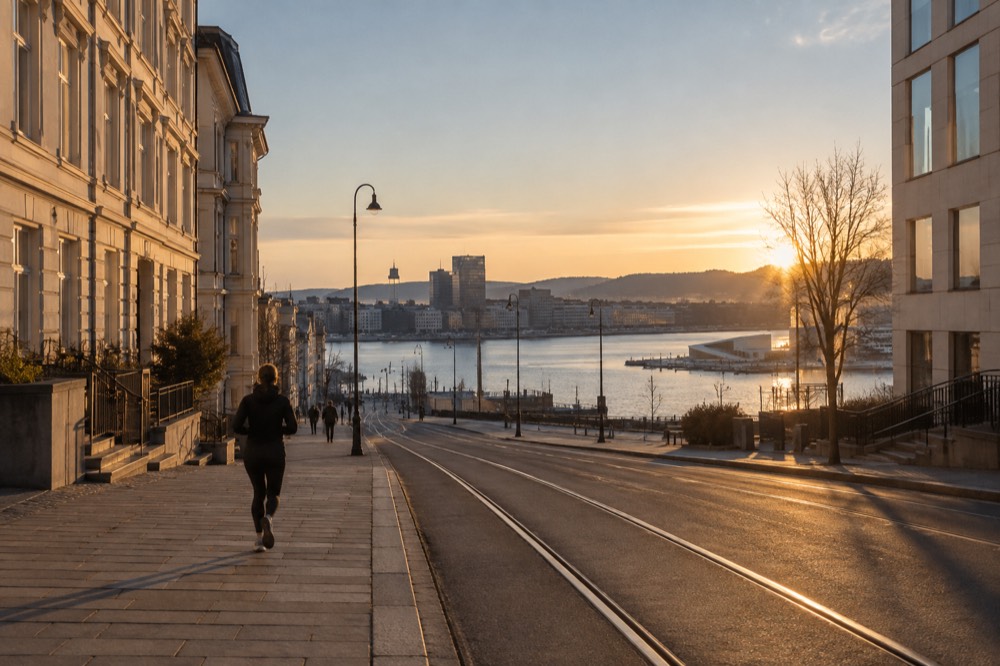
The confusion comes from Oslo's size on paper versus its size in practice. The city reads as a small Scandinavian capital, but the things a visitor wants sit far apart. Vigeland Park is one metro ride west, the Bygdøy museum peninsula is a ferry or bus ride southwest, Grünerløkka sits across the Akerselva river to the east, and the Opera House, MUNCH and the Barcode district line the eastern waterfront. Walking between all of them in two days means choosing what to skip.
Three days also absorbs Oslo's real pace. This is not a city of must-do evening entertainment. It is a city where the fjord, the forest edge and the long summer evenings are the attraction, and those need a little slack in the schedule to enjoy. A more detailed day-by-day breakdown lives in our 3 days in Oslo itinerary, which pairs well with the shorter answer here.
There is a second, quieter reason 3 days works: Oslo is a city that rewards the second look. The first day is all icons, the Opera House roof, the fortress walls, the palace avenue. The second day is museums. The third is when the city stops being a checklist and starts being a place, when you have time for the long waterfront walk from Tjuvholmen to Sørenga, or for an hour on Hovedøya doing nothing in particular. That third day is where most visitors stop feeling like visitors.
What Can You Realistically See in 3 Days in Oslo?
In 3 days you can cover the Opera House and the waterfront, the Royal Palace and Karl Johans gate, Akershus Fortress, Vigeland Park, the MUNCH museum or the National Museum, a half or full day on the Bygdøy museum peninsula, one Oslofjord cruise, and still have an evening in Grünerløkka for food and bars. That is a full first visit, not a thin one. What 3 days does not comfortably include is the deeper cut: Ekebergparken, the island ferries beyond Hovedøya, the botanical garden at Tøyen, or more than one neighborhood east of the river.
A sample split that works, and that many first-time visitors follow:
| Day | Morning | Afternoon | Evening |
|---|---|---|---|
| 1 | Opera House roof, waterfront walk to Akershus Fortress | Karl Johans gate, Royal Palace exterior, National Museum or MUNCH | Aker Brygge or Tjuvholmen for dinner |
| 2 | Ferry or bus 30 to Bygdøy: Fram, Kon-Tiki, Maritime Museum | Norsk Folkemuseum, walk the peninsula paths | Grünerløkka food and bars |
| 3 | Vigeland Park and Frogner | Oslofjord cruise from the piers by City Hall | Barcode or the opera district at dusk |
Note what day 2 quietly assumes: the Museum of the Viking Age on Bygdøy is closed and will reopen as the Museum of the Viking Age in 2027, so the old "three Viking ships" stop is off the itinerary for now. Viking Planet in the center is the bookable substitute, and the Historical Museum in the city center displays Viking-age objects in the meantime.
Because Oslo's sights sit at arm's length from one another, the spread matters more than the count. A hop-on hop-off bus is one way to collapse the distances on day 1, and the Gray Line option is the strongest of them, rated well above the competing city bus product. It loops the Opera House, the fortress, Vigeland Park, the museums and the museum peninsula, so a 48-hour ticket can carry most of a 3-day plan on its own.
If a bus loop is not your style, the alternatives are honest ones. The metro reaches Frogner and Holmenkollen in minutes, bus 30 runs to Bygdøy year-round, and the whole center is walkable end to end in under an hour. Our getting around Oslo guide covers the ticketing system, which is genuinely confusing on first contact.
One thing worth saying about the table above: it is a template, not a law. Rain moves the Bygdøy day, because the peninsula is mostly indoor museums and therefore the best bad-weather card in the deck. A cruise-ship passenger with one day should steal day 1 and compress it hard, which is exactly the plan in our Oslo cruise port day guide.
How Much Does 3 Days in Oslo Cost?
Counting a mid-range hotel, transport, museum entries and food, a realistic 3-day Oslo budget lands somewhere between a moderate and a high European city break, with museums and transport cheap for the region and restaurants and alcohol expensive. Statistics Norway's 2025 price-level survey puts the country sixth in Europe overall, with household prices 28.6 percent above the EU average, food 33 percent above, and alcohol and tobacco more than double the average. That is the shape of an Oslo budget: the sightseeing is affordable, the evenings are not.
The single biggest lever is the Oslo Pass. At 2026 prices it runs 580 NOK for 24 hours, 845 NOK for 48 hours and 995 NOK for 72 hours, and it covers entry at more than 30 museums plus all public transport in zones 1 through 4N, including the Vy train to and from Gardermoen airport. Three Bygdøy museum entries alone total 560 NOK at full price, so a pass that also carries your transport is close to break-even before you enter anything else.
| Item | Full price | With 72h Oslo Pass |
|---|---|---|
| Fram Museum | 180 NOK | Included |
| Kon-Tiki Museum | 180 NOK | Included |
| Norsk Folkemuseum | 200 NOK | Included |
| MUNCH (daytime) | 280 NOK | Included |
| Bygdøy ferry (in season) | around 70 NOK one way | Included |
| Public transport, 3 days | Pass or pay per ride | Included |
Vigeland Park itself is free and open around the clock, which is one of the better deals in the city, and the Opera House roof is a free walk with no ticket at all. The full value analysis, including when the pass does not pay off, is in our piece on whether the Oslo Pass is worth it.
One planning note that catches almost everyone: the Bygdøy ferry and the island ferries are different systems. The Bygdøy boat leaves from Rådhusbrygge 3, does not accept ordinary Ruter tickets, and runs only from mid-March to early October. The island ferries to Hovedøya and Gressholmen leave from Aker Brygge and ride on a normal Ruter ticket. Mixing the two piers up is the classic Oslo first-day mistake.
If the budget math is the deciding factor for your trip length, our Oslo trip cost breakdown goes deeper, and the Oslo on a budget guide lists what genuinely costs nothing here, which is more than most visitors expect.
What If You Only Have 2 Days in Oslo?
2 days in Oslo is enough for a good first taste: the Opera House, the fortress, Karl Johans gate, one museum-heavy half-day on Bygdøy, one fjord cruise and an evening in Grünerløkka all fit inside it. What you lose is slack. Two days forces a choice between Vigeland Park and a second museum cluster, between a lazy fjord evening and a neighborhood, and there is no room at all for a day trip. It is a fine length for a stop on a wider Norway or Scandinavia route, and a thin one for a dedicated trip to the city itself.
The real constraint in a 2-day visit is geography, not time. Bygdøy alone eats a half-day, and so does Frogner plus the waterfront done properly. If you are trimming, cut the interior sights before the waterfront ones: the fjord is the thing Oslo has that nowhere else on a Scandinavian route does, and the Oslofjord cruise guide lays out which boat suits which plan, from the silent electric cruise to the traditional wooden sailing ship.
Season changes the arithmetic too. In midwinter, with the sun up for under six hours, two days of daylight feels like one and a half anywhere else. In June, with light until nearly 23:00 and twilight all night, two days stretch remarkably far because evenings are fully usable. Our Oslo daylight hours guide has the month-by-month numbers, and they matter more for planning than most visitors realize.
There is also a fatigue factor that two-day plans ignore. Oslo's museums are dense, the Fram and Kon-Tiki pair alone can fill three hours, and a schedule that stacks the National Museum, Bygdøy and a cruise into 48 hours tends to produce a blur rather than memories. Three days spreads the same content across enough room to actually absorb it, which is the practical case for the extra night even when the sight list is identical.
Is 4 or 5 Days in Oslo Too Many?
For most first-time visitors, 4 or 5 days is not too many but it is more than the city strictly needs, and the extra days are best spent outside it. Oslo rewards a fourth day with the things 3 days skips: the island ferries to Hovedøya and Gressholmen, Ekebergparken's sculpture park, the botanical garden, a sauna and swim, or a slow afternoon in a café culture the city takes seriously. Beyond that, the honest move is to convert day five into a day trip, because the surrounding region is stronger than the city's second tier of sights.
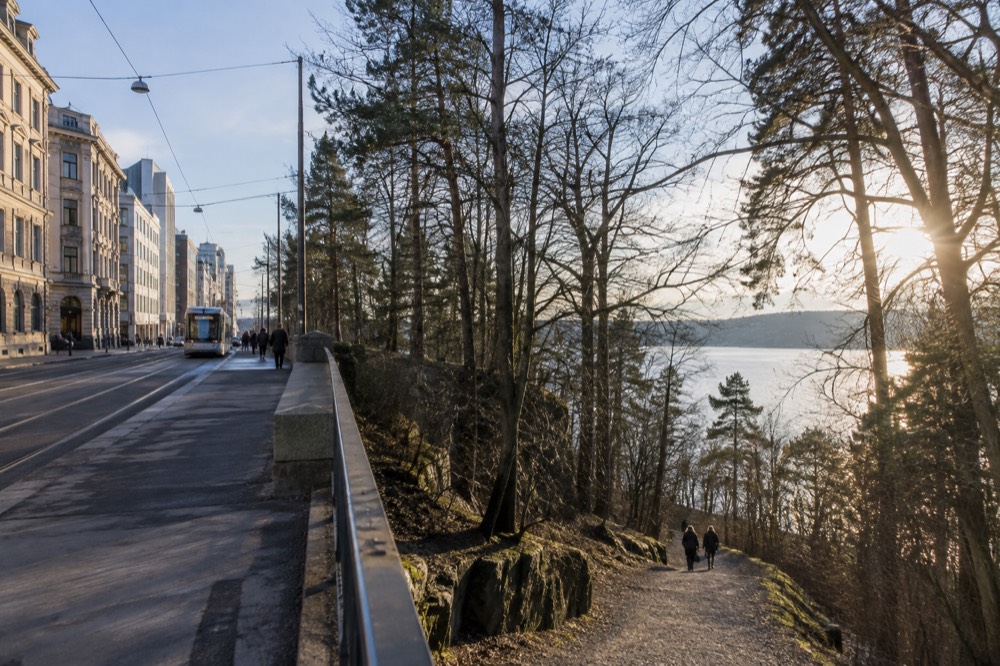
That is the structural argument for 3 days rather than 5: Oslo is a small capital sitting inside a rich region. The day trips from Oslo guide covers the full spread, and the strongest of them, the Norway-in-a-Nutshell fjord and railway loop, is a very long day that genuinely justifies an overnight instead. Fredrikstad's old town, Drøbak and the Hadeland glassworks are all comfortable same-day returns.
There is one group for whom 5 days in Oslo is exactly right: winter visitors who want to ski or snowshoe in Nordmarka, the forest that begins where the metro ends. A half-day of guided snowshoeing or a learn-to-ski session is a real Oslo product, and combining city museums with forest days fills 4 or 5 days without repetition. The Oslo in winter guide builds that version of the trip.
Families are a second group where the calendar stretches. The Oslo with kids guide plans a slower, playground-and-ferry version of the city, and children's museum entry is often free: Norsk Folkemuseum charges nothing for anyone 17 and under, and the Nobel Peace Center does the same. A family with young children will fill 4 days in Oslo without ever touching the second tier of sights, because everything simply takes longer.
Does the Season Change How Long You Need?
Yes, and more than in most cities: summer compresses your needs because evenings are usable until late, while winter stretches them because daylight shrinks to under six hours in December. On 21 June the sun rises at 03:53 and sets at 22:43, and the gap is twilight rather than true darkness, so sightseeing effectively runs 18 hours. On 21 December the sun rises at 09:18 and sets at 15:11, which turns a 3-day visit into roughly 3 days of 6 usable outdoor hours each, with museums and restaurants filling the rest.
Weather cuts the other way from what most visitors expect. August is Oslo's wettest month on the 1991 to 2020 normals at 103 mm, not November, and July's normal mean of 17.7 °C is milder than most people picture. Rain in August is the likeliest reason a tightly planned 2-day trip sours, and a 3-day trip absorbs a washed-out afternoon without losing anything. The best time to visit Oslo guide has the full month table.
The seasonal logic, in short: in summer you can do Oslo in 2 days if you must, because the evenings are a free extension of the day. In winter, 3 days is closer to a minimum than a maximum, because the dark afternoons swallow the sightseeing hours and the city's indoor attractions, which are considerable, need the extra calendar room. Shoulder seasons, May and September, split the difference with long evenings and thinner crowds.
Common Questions About 3 Days in Oslo
is 3 days in oslo too much?
No. Three days is close to the ideal first visit: it covers the core sights, one museum peninsula day, a fjord cruise and an evening neighborhood without rushing. Only visitors who dislike museums or the outdoors will feel the third day as surplus.
Is 2 days in Oslo enough?
Two days is enough for the highlights: the Opera House, Akershus Fortress, Karl Johans gate, a Bygdøy half-day and a fjord cruise. It leaves no room for a day trip or a second museum cluster, and it leaves nothing in reserve if the weather turns, which in August it reasonably might.
Is 4 days in Oslo better than 3?
A fourth day is worthwhile if you want the island ferries, Ekebergparken, a forest half-day or a slower pace. Beyond four, most visitors get more from converting the extra day into a regional day trip, because the surrounding area is stronger than the city's second tier of sights.
Is Oslo expensive for 3 days?
Mixed, and deliberately so. Museums, public transport and the outdoors are cheap for the region, and the Oslo Pass stacks the value further. Restaurants and alcohol are the expensive parts: Norway's alcohol and tobacco prices run at more than double the European average on Statistics Norway's 2025 comparison.
Do you need a car for 3 days in Oslo?
No. The metro, trams, buses and ferries cover everything a 3-day itinerary includes, and the airport is reached by train in about 20 minutes. A car is a liability in the center, and the one place it helps, reaching scattered sights, is exactly what the hop-on hop-off bus and public transport already do well.
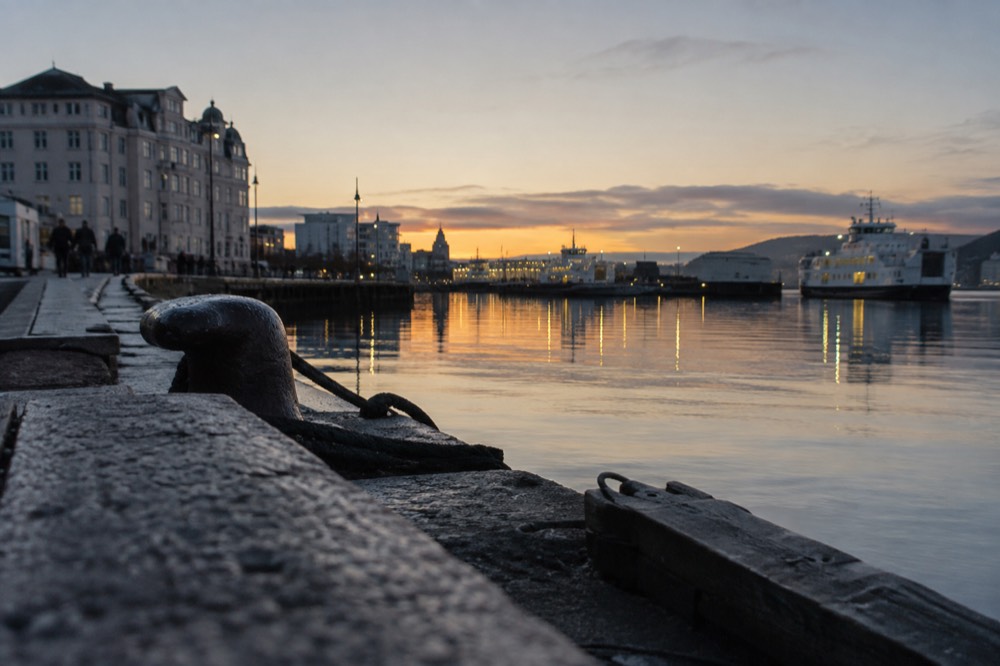
Whichever length you settle on, book the two things that genuinely sell out early, the fjord boats in high summer and the small-group walks, and let the museums flex around them. This Oslo Travel Guide article is one of a set that answers the length question from every angle, and the short version has not changed: 3 days is not too much for Oslo, it is the point where the city stops being a sprint and starts being a trip.