Is 2 Days Enough for Oslo, Norway?
Two days is enough to see Oslo's core: the Opera House, Vigeland Park, a fjord cruise and the Bygdøy museums. Here is what fits, what to skip and how to plan it.
Is 2 Days Enough for Oslo, Norway?
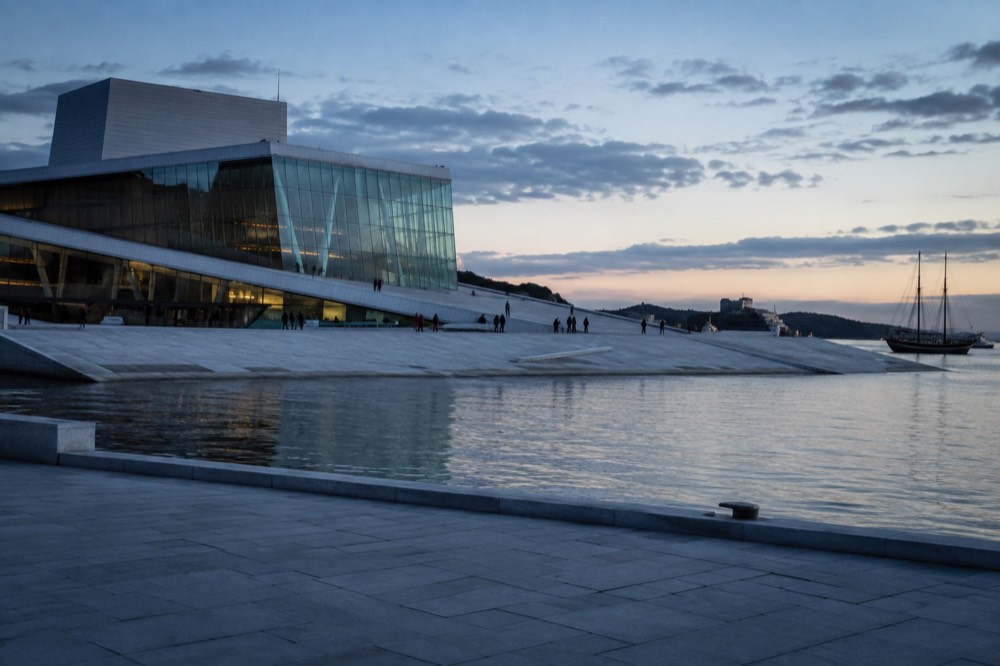
Yes, two days is enough for Oslo if your goal is the city's core: the Opera House, Karl Johans gate, Vigeland Park, one strong museum cluster, and a trip out onto the Oslofjord. It is not enough for Bygdøy's museums plus Nordmarka's forest plus day trips like Drøbak or Fredrikstad, so the real question is what to cut, and this page works that out with actual opening hours and fares rather than vibes.
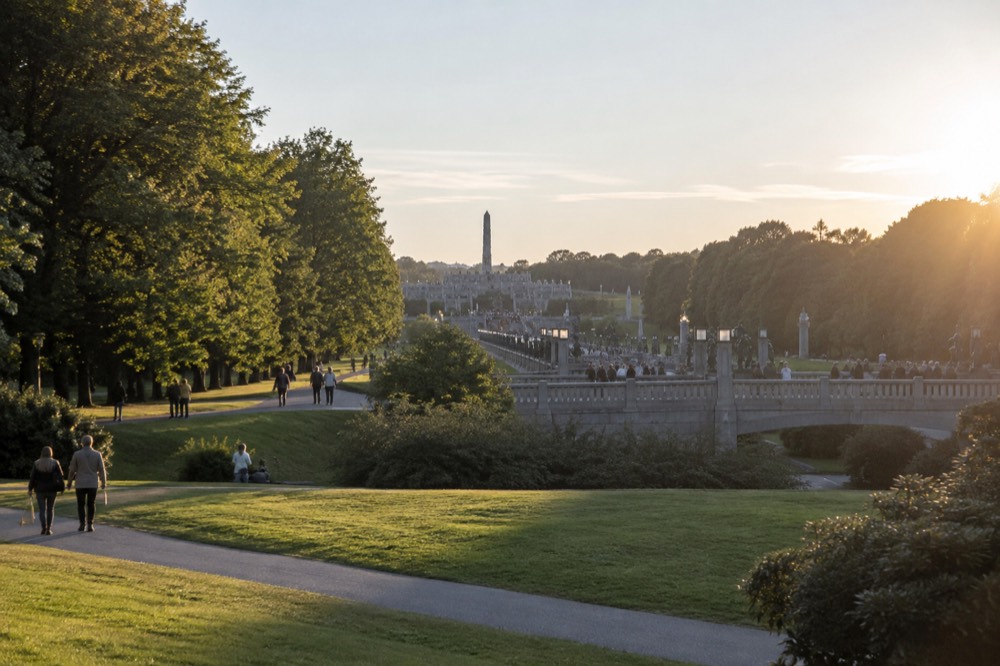
Oslo is a compact capital with an unusually concentrated set of headline sights. The Opera House roof is free to walk on and sits ten minutes on foot from the Central Station. The Royal Palace, Karl Johans gate, the Cathedral and the Akershus Fortress walls form a single walkable spine. Vigeland Park is free, open 24 hours a day, all year, and one metro ride from the center. The part that breaks most two-day plans is the museum peninsula at Bygdøy, where the Fram Museum, the Kon-Tiki Museum and the Norwegian Museum of Cultural History sit together but need half a day on their own.
The honest framing is this: two days is enough for a first visit that feels complete, and it is enough to leave wanting a third day rather than feeling cheated. What it is not enough for is the wider region, which is where Oslo quietly outclasses most capitals its size. Our overview of things to do in Oslo lays out the full menu if you want to see the whole board before deciding.
What Can You Realistically See in Two Days in Oslo?
A realistic two-day Oslo trip covers the harbor-front spine from the Opera House to Aker Brygge, Vigeland Park, the Akershus Fortress exterior, one museum cluster (either Bygdøy or the National Museum), and a boat trip on the Oslofjord. That is roughly six to eight named sights across two days, which is a full but comfortable pace, with evenings free for the waterfront restaurants and the long summer daylight.
Start with the geometry, because it is what makes two days work at all. Oslo's center is small enough that the Opera House, the MUNCH museum in Bjørvika, Karl Johans gate, the Royal Palace, Aker Brygge and the Akershus Fortress are all within a 30 minute walk of each other. You do not lose hours to crossing the city the way you can in Stockholm or Copenhagen. The two things that sit outside that spine, Vigeland Park and Bygdøy, are each a short bus or tram ride away, not an expedition.
The fjord itself is the other reason two days is enough. Oslo is the only European capital where a proper boat trip on a real fjord fits inside 90 minutes, and the fjord is not a side attraction here, it is the reason the city looks the way it does. The silent electric boat cruise with audio guide is the default first fjord trip for exactly this reason: it is short enough to slot into either day without derailing a museum plan, and it is the single best-reviewed activity in the city on either major booking platform.
A two-day plan also needs one honest constraint stated up front: Oslo's museums are excellent and numerous, and you cannot do them all. The Fram Museum and the Kon-Tiki Museum share a pier on Bygdøy and pair naturally. The National Museum holds The Scream and sits on the harbor. MUNCH is across the water in Bjørvika and costs 280 NOK for an adult daytime ticket. Choosing one cluster and doing it properly beats racing between all three with an hour each. If museums are the point of your trip, our Oslo museum day guide builds a full day around them.
How Should You Split Two Days in Oslo?
Split it by geography, not by theme: day one for the central spine (Opera House, Karl Johans gate, the Royal Palace, the harbor and a fjord cruise), day two for one outer cluster (Vigeland Park plus Bygdøy, or the museums if you prefer them over the peninsula). Anchor each afternoon around 15:00, because winter daylight ends at 15:11 on 21 December, while in summer you have light until 22:43 and can push sights into the evening.
Day one writes itself. Start at the Opera House roof at opening, walk the harbor past the new MUNCH building to Aker Brygge, then up Karl Johans gate to the Royal Palace, and finish at the Akershus Fortress walls, which are free to walk and give you the classic view back over the fjord. Slot the fjord cruise into the early afternoon, when the light is best and the boats run most frequently. A free walking tour in the morning covers the same central spine with a guide, costs nothing up front and runs on tips, which makes it the cheapest possible orientation for a first day.
Day two is the fork in the road. Option one is the classic pairing: Vigeland Park in the morning when the sculptures are quiet, then bus 30 or the seasonal ferry out to Bygdøy for the Fram and Kon-Tiki museums in the afternoon. Option two is the art route: the National Museum in the morning for The Scream, MUNCH after lunch, and Astrup Fearnley at Tjuvholmen if you have energy left. Both options are complete days, and neither leaves you feeling you only saw half of something.
The seasonal detail that decides how your two days actually feel is daylight. In late June the sun sets at 22:43 and it never gets properly dark, so a two-day summer visit effectively gives you two and a half sightseeing days if you use the evenings. In late December the sun rises at 09:18 and sets at 15:11, which compresses both days hard and pushes everything indoors after mid-afternoon. The same itinerary is relaxed in June and a sprint in December, and no amount of planning fixes that, only the calendar does. Our Oslo daylight hours guide has the full month-by-month table.
Is the Oslo Pass Worth It on a Two-day Trip?
For most two-day visitors, yes: the 48-hour Oslo Pass at 845 NOK pays for itself if you visit roughly three museums and use public transport, because Bygdøy's Fram and Kon-Tiki museums alone cost 360 NOK at the door and the pass also covers the Bygdøy ferry and the metro to Vigeland. It does not cover the airport's Flytoget express train, only the Vy trains, which is the detail most guides get wrong.
The arithmetic is straightforward because the tourist board publishes the full price set. A 24-hour adult pass costs 580 NOK and a 48-hour pass 845 NOK. Against that: the Fram Museum is 180 NOK, the Kon-Tiki Museum is 180 NOK, the Norwegian Museum of Cultural History is 200 NOK, MUNCH is 280 NOK, and the Ski Museum plus Holmenkollen jump tower is 195 NOK. Three of those in 48 hours and the pass has paid for itself before you count a single tram ride, and the pass includes public transport across Ruter's zones 1, 2, 3, 4V and 4N plus the Bygdøy ferry, which ordinary Ruter tickets do not cover. The full index of guides sits on Oslo Travel Guide. The full index of guides sits on Oslo Travel Guide.
The pass's biggest hidden value is the airport train, and it needs precise wording. The pass covers trains to and from Oslo Airport Gardermoen, but only the public trains operated by Vy, not the Flytoget airport express and not the Flybussen coach. Since Flytoget costs 268 NOK for an adult single, arriving on Vy with an active Oslo Pass is real money saved before you have seen a single sight. The full breakdown, including the senior and child pricing tiers, is in our Oslo Pass guide, and the honest counter-case is in is the Oslo Pass worth it.
| Two-day sightseeing plan | Pay-as-you-go cost | Notes |
|---|---|---|
| Fram Museum + Kon-Tiki Museum (Bygdøy) | 360 NOK | Combination ticket for both is 325 NOK |
| MUNCH (daytime adult) | 280 NOK | 200 NOK after 18:00, under 25s pay 100 NOK |
| National Museum | not published in our verified set | Check the museum's own ticket page |
| Vigeland Park | 0 NOK | Free, open 24 hours, all year |
| Oslo Pass 48-hour adult | 845 NOK | Covers 30+ museums, transport, Bygdøy ferry, Vy airport trains |
What Should You Skip If You Only Have Two Days in Oslo?
Skip the Museum of the Viking Age (closed until 2027), skip any northern lights expectation, skip day trips beyond the city, and skip trying to see both Bygdøy and the National Museum plus MUNCH in one trip. Two days cannot absorb the region's day trips, and Oslo's latitude makes aurora sightings rare enough that no honest itinerary should plan around them.
The Viking museum point is the one that catches people out, because the search volume for it is still enormous and the building is still on every older map. The former Viking Ship Museum closed in 2021 and its own site states it will reopen as the Museum of the Viking Age in 2027, with no month committed. Until then, Viking Planet in the city center is the bookable substitute, and the Historical Museum in central Oslo displays other Viking-age objects from the same collection. Our Museum of the Viking Age page tracks the reopening.
Northern lights are the other expectation to kill now. Oslo sits at 59.91 degrees north, well south of the auroral zone, and a sighting from the city needs a strong geomagnetic storm, a clear sky and a dark spot away from streetlight, a combination that arrives a handful of times a year at best. There is no aurora tour from Oslo because there is nothing to reliably tour. If the northern lights are the point of your Norway trip, that is a Tromsø trip, and the two cities are a 90-minute flight apart. Our northern lights in Oslo page explains the honest position.
Day trips are the third cut. Drøbak, Fredrikstad and the Hadeland glassworks are all genuinely worthwhile and all need most of a day. The famous Norway-in-a-Nutshell fjord-and-rail route is a 15-hour round trip from Oslo, which is to say it consumes your entire second day and then some. With only 48 hours, the Oslofjord boat trips inside the city limits give you the water without the commute, and the region can wait for a longer trip. The day trips from Oslo guide is there when you come back with more time.
Is Three Days Better Than Two in Oslo?
Three days is better if you want Bygdøy's museums and the city's art museums both, or if you want a half-day in the forest at Nordmarka, or if you are visiting between November and February when short daylight compresses every day. In summer, when daylight runs to nearly 19 hours, two well-planned days cover almost as much ground as three short winter ones, so the value of the third day depends more on season than on the itinerary.
The third day in Oslo has three natural uses. The first is the forest: Nordmarka begins at the end of metro line 1, and a morning on its trails with the city still visible below you is the thing most two-day visitors miss entirely. The second is depth: a third day lets you do Bygdøy properly, all three museums plus the ferry ride out, and still have an afternoon for the National Museum. The third is recovery: Oslo rewards slow harbor evenings, and a trip that is all museums and no sitting still tends to blur.
Season is the deciding factor. A two-day June trip with light until 22:43 comfortably fits what a three-day December trip struggles with, because the December days end at 15:11 and the museum hours are your only flexible window. If you are locked into winter dates, the case for a third day is strong. If you are flexible on dates, our best time to visit Oslo guide walks through the trade-offs month by month, including the fact that August, not November, is Oslo's wettest month on the 1991 to 2020 normals at 103 mm.
For a fuller itinerary treatment, including what a third and fourth day would add, see 3 days in Oslo and 4 days in Oslo. The short version: day three buys you the forest or the deep museum day, day four buys you a day trip, and beyond that you are planning a different kind of trip than a city break.
Common Questions About Two Days in Oslo
is 2 days enough for oslo, norway?
Yes, for the city's core. Two days covers the Opera House, the central harbor spine, Vigeland Park, one museum cluster and a fjord cruise. It is not enough for Bygdøy plus the art museums plus the forest plus regional day trips, so pick one outer cluster per day and accept the cuts.
Can you walk everywhere in Oslo in two days?
The center is walkable, with the Opera House, Karl Johans gate, the Royal Palace, Aker Brygge and the Akershus Fortress all within about 30 minutes on foot of each other. Vigeland Park and Bygdøy need a tram or bus, roughly 15 to 20 minutes each, and both are ordinary public transport rides.
What is the one thing you should not miss with only two days?
Time on the water. The Oslofjord defines the city, and a 90-minute silent electric boat cruise is short enough to fit either day while still being the city's best-reviewed activity. On land, the free, always-open Vigeland Park is the sight that costs you nothing and disappoints nobody.
Is Oslo too expensive for a short trip?
Oslo is expensive where you eat and drink: Statistics Norway's 2025 comparison puts food 33 percent above the European average and alcohol and tobacco at more than double. Museums, public transport and the outdoors are not unusually dear, and the headline sights, from the Opera House roof to Vigeland Park, are free.
Should I buy the Oslo Pass for two days?
Usually yes. The 48-hour adult pass costs 845 NOK, and Bygdøy's two main museums alone cost 360 NOK at the door, so three museum visits plus transport typically pays it off. It covers Vy airport trains but not the Flytoget express, which is the detail worth checking before you ride.
Is the Viking Ship Museum open on a two-day visit?
No. It closed in 2021 and reopens as the Museum of the Viking Age in 2027, with no month confirmed. Viking Planet in the city center and the Viking-age objects at the Historical Museum are the honest substitutes for now.