Does Oslo Have Any Michelin Star Restaurants?
Yes, Oslo holds Michelin stars. Here is what a starred meal in the Norwegian capital involves, what it costs, and how to eat brilliantly in Oslo at every budget.
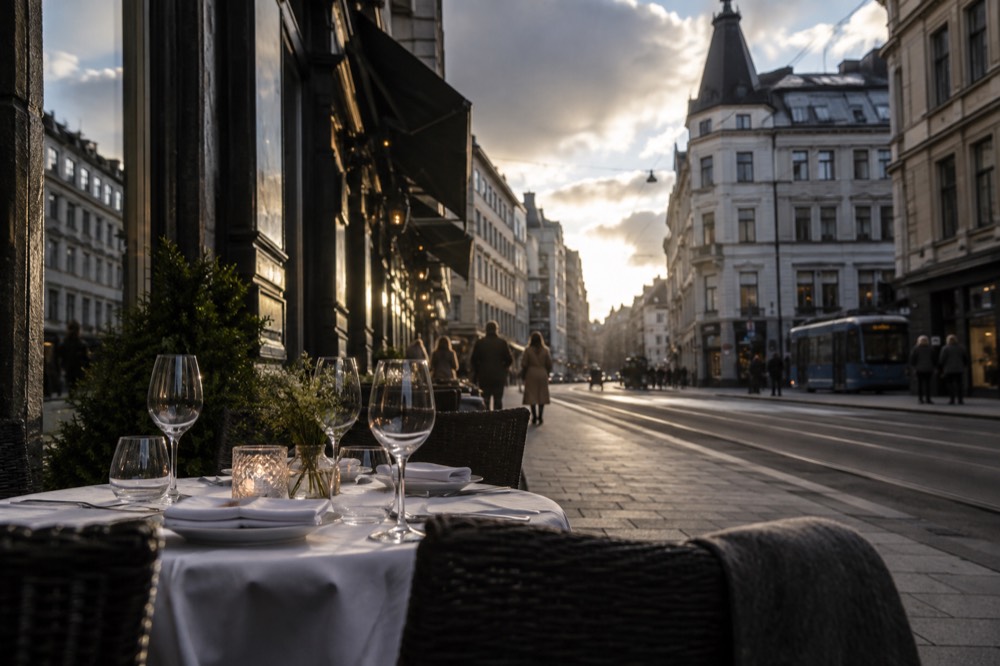
Does Oslo Have Any Michelin Star Restaurants?
Yes, Oslo has Michelin-starred restaurants. The Norwegian capital holds stars in the Michelin Guide, alongside a wider cluster of recommended kitchens, and its fine-dining scene has grown steadily as Oslo has become one of Europe's more talked-about food cities. The honest follow-up question is not whether the stars exist but what they cost in one of the continent's most expensive countries, and that is where this page earns its keep.
Norway is the sixth most expensive country in Europe on Statistics Norway's 2025 price-level survey, and food and non-alcoholic drink alone run 33 percent above the European average. A tasting menu in Oslo therefore behaves differently from one in Paris or Copenhagen: the raw ingredients are exceptional, the fish and shellfish come from some of the cleanest water in the world, but the bill reflects Norwegian wages, Norwegian rents and Norwegian alcohol tax.
That combination produces a strange and interesting dining city. Oslo has the starred tables, and it also has a street-food scene, a neighbourhood café culture and a growing set of food walks that let you eat well for the price of a single course at the top end. This page covers both ends, with real numbers where numbers are verified and honest guidance where they are not.
It also matters when you go. August is Oslo's wettest month on the 1991 to 2020 climate normals, at 103 mm, while the summer months from May through July are drier and the long June evenings, with the sun setting at 22:43, push the whole city outdoors. Eating in Oslo in summer means harbour shrimp, terrace tables and daylight at ten in the evening. Eating here in winter means candlelit rooms, preserved and fermented things and a restaurant culture built for the dark. Both are authentic; they are simply different meals.
How Much Does a Michelin-Level Meal Cost in Oslo?
A top-end tasting menu in Oslo is a serious spend, and the reason is structural rather than greedy. Norway's overall price level sits 28.6 percent above the EU average, alcohol and tobacco cost more than double the European average, and restaurant staffing runs on some of the highest wages in the industry anywhere. Expect a starred dinner with wine pairing to land in the same bracket as a comparable meal in Copenhagen or Stockholm, and budget for the pairing to hurt more than the food.
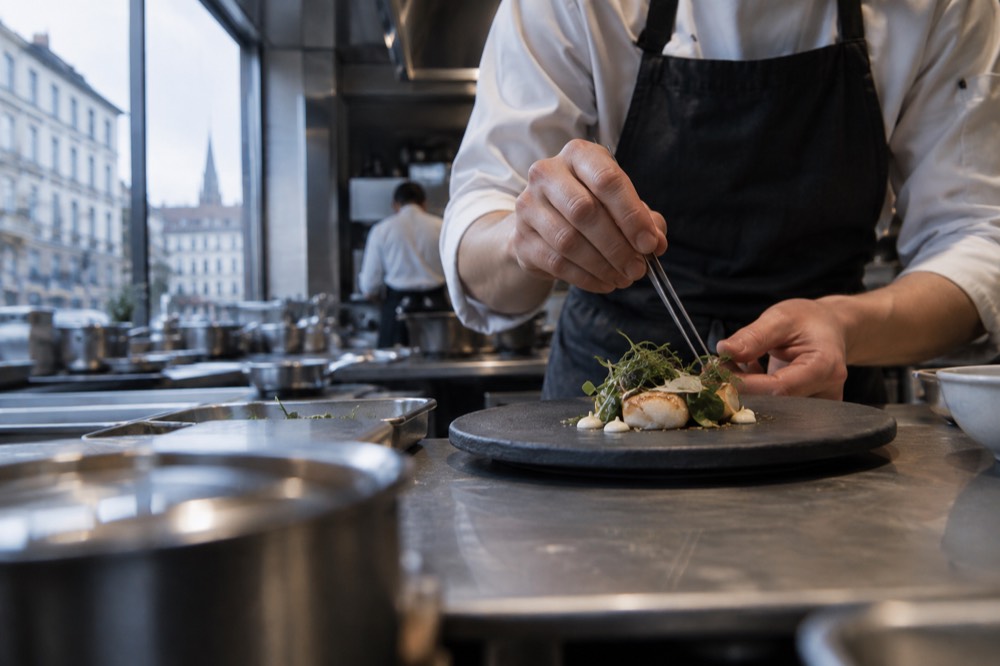
The single biggest cost driver at a Norwegian fine-dining table is not the food. It is the wine. Alcohol and tobacco in Norway cost more than double the European average according to Statistics Norway's 2025 comparison, and that multiple applies from the supermarket shelf all the way up to the sommelier's list. A guest who drinks moderately can soften the bill substantially by choosing the non-alcoholic pairing, which Oslo's better kitchens have invested in seriously, or by booking lunch rather than dinner where a lunch service exists.
There is also a structural saving most visitors never hear about. Norway is in the Schengen Area but not in the European Union: it is an EEA state through EFTA, outside the EU customs union and outside EU VAT. Non-resident visitors can therefore claim a VAT refund on qualifying purchases, and duty-free allowances apply arriving from EU countries. Arriving travellers buying a bottle at the airport duty-free on the way in is a genuinely Norwegian ritual, not a tourist cliché, and it exists because of exactly this customs position.
A realistic planning frame, using the verified national figures rather than invented menu prices:
| Cost factor | Verified figure | What it means for dinner |
|---|---|---|
| Norway's overall price level | 28.6% above the EU average | Everything on the bill carries a premium |
| Food and non-alcoholic drink | 33% above the European average | Even simple restaurant food costs more |
| Alcohol and tobacco | More than double the European average | The pairing is the budget breaker |
| Norway's European price rank | 6th most expensive country | Above Sweden, close behind Denmark |
| Tipping | Service included; rounding up is voluntary | No mandatory gratuity on top |
Statistics Norway's comparison is the most defensible anchor available, and it is more useful than a made-up average menu price. Individual item prices vary week to week and kitchen to kitchen; the national index does not.
If a full starred dinner is the point of your trip, book early, tell the kitchen about dietary limits when you book rather than on the night, and check whether the restaurant sells a shorter lunch menu. If it is one memorable meal among several, read on, because Oslo's mid-tier is where the city's food identity actually lives.
What Does the Michelin Guide Actually Mean for Oslo Diners?
The Michelin Guide covers Oslo, and the city's starred restaurants sit inside a much wider recommended list, which is the part visitors underuse. A star signals exceptional cooking by the guide's own criteria, but the Bib Gourmand and plain recommended entries often deliver the same ingredient culture, the same chefs and the same Norwegian produce at a fraction of the price. In an expensive city, that second tier is where smart travellers eat.
Norway's ingredient story is the real reason the guide pays attention to Oslo at all. Cold, clean water produces shellfish and fish that kitchens elsewhere in Europe cannot buy at any price, and the short growing season concentrates flavour in berries, herbs and root vegetables in a way warmer climates do not. The starred kitchens build on that larder, but so do the neighbourhood bistros, the harbour shrimp boats and the bakery counters, and the gap in raw material between the tiers is smaller than the gap in the bill.
That said, the starred experience in Oslo is genuinely distinct and worth the money for some travellers. The service culture is informal in a way that surprises visitors expecting continental stiffness, the rooms are usually small, and the cooking leans hard into fermentation, curing and preservation, techniques that exist here because winter historically demanded them. If your trip includes one blowout meal, Oslo's top tables are a legitimate use of that slot.
For the practical side of eating your way through the city at every other level, the site's best restaurants in Oslo guide carries the full picture, and where to eat in Oslo breaks the city down by neighbourhood and budget.
What Are the Alternatives to a Starred Meal?
The strongest alternatives to a starred dinner are the experiences that carry Norwegian food culture rather than just Norwegian produce: a shrimp-buffet evening cruise on the Oslofjord, a guided food walk through Grünerløkka, and a beer-and-culture walk that explains the alcohol system no visitor would otherwise decode. Each one costs a fraction of a tasting menu and delivers something a dining room cannot, which is context.
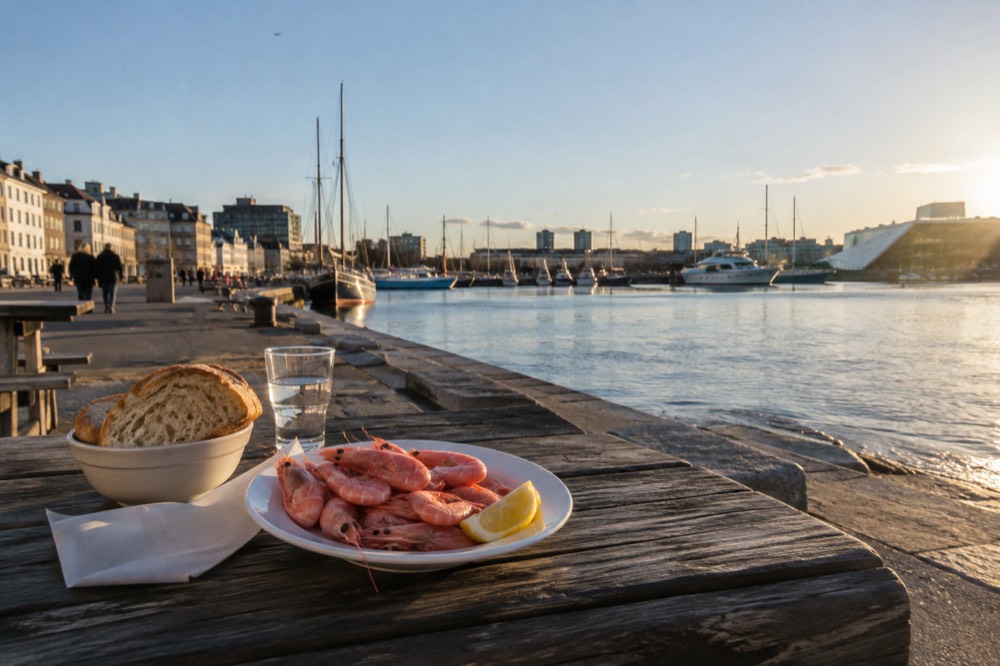
The evening cruise with shrimp buffet deserves particular mention because it is a Norwegian institution rather than a generic dinner boat. Freshly peeled shrimp, bread, mayonnaise and the fjord at golden hour is close to the national dish of summer, and the format has been running long enough that the operators have it down. It is also one of the few food experiences in Oslo where the setting is the point and the price stays sane.
The city's food walks cover different ground. The neighbourhood option works Grünerløkka, the former industrial district that is now Oslo's most interesting eating area, while the city-centre version focuses on hidden gems around the core. Both are led by people who eat in this city every week and can tell you which bakery queue is worth joining.
| Experience | Format | Duration | Best for |
|---|---|---|---|
| Evening cruise, shrimp buffet | Boat dinner on the Oslofjord | 3 hours | The classic Norwegian summer evening |
| Grünerløkka food walk | Guided neighbourhood eating tour | 2 hours 30 minutes | The city's most interesting food district |
| City-centre Norwegian food walk | Guided hidden-gems eating tour | 3 hours | First-time visitors staying central |
| Street-food walking tour | Guided street-food tour | 3 hours | Grazing across multiple kitchens |
| Beer and culture walk | Guided drinks tour with history | 3 hours | Understanding Norway's alcohol rules |
For deeper coverage of the casual end, the Oslo street food guide maps the markets and food halls, and the Oslo coffee guide covers a scene that punches well above the city's size.
Can You Experience Oslo's Food Scene Without a Starred Table?
Yes, comfortably, and for many visitors the answer is a guided food walk. The Grünerløkka neighbourhood food walk is the only strong product covering that district on this site's roster, and it turns two and a half hours into a working map of the bakeries, counters and producers you would otherwise find by luck. A starred meal shows you one chef's ceiling; a food walk shows you the whole floor plan.
Grünerløkka is where Oslo's food identity is most legible. The district grew up around the Akerselva river's factories, and the workers' housing, the converted industrial buildings and the immigrant-run grocery stores along its streets produced a mixed, unpretentious eating culture that the finer end of the city borrows from constantly. Walking it with a guide who knows which counter sells what turns a pleasant stroll into a working shortlist for the rest of your trip.
The city-centre Norwegian food walk takes a different angle, hunting out hidden gems around the core rather than working one neighbourhood. For visitors on a short stay, or anyone arriving off a cruise with a single free day, it is the more efficient of the two, and it doubles as an orientation walk for the centre.
There is a third format worth knowing about too. The street-food walking tour grazes across multiple kitchens over three hours, which suits travellers who would rather sample six things than sit through one long table, and it is the most family-friendly of the set. None of these walks replaces a starred dinner, and none of them tries to. They replace the expensive, forgettable mid-tier restaurant that a visitor would otherwise default to on a Tuesday night, and they do it with more information and better stories.
How Does Oslo's Cost Structure Shape the Whole Dining Scene?
Oslo's restaurant scene is a direct product of Norwegian cost structure, and understanding it makes every menu in the city easier to read. High wages and a 33 percent food-price premium push restaurants toward either high volume or high price, which is why the mid-tier is thinner than in cheaper capitals and why the extremes, from street food to tasting menus, are unusually strong. Alcohol tax, more than double the European average, does the rest.
The alcohol rules deserve their own sentence because they change how a dinner out works. Wine and spirits are sold only through Vinmonopolet, the state monopoly, which closes every Sunday and on public holidays and closes early on Saturdays. Supermarkets sell beer and cider only, up to the legal strength limit, and stop at a fixed evening cut-off time. Restaurants buy through the same system at the same marked-up prices, which is why the wine list behaves the way it does and why the airport duty-free on arrival is a rational first stop.
Tipping, by contrast, is one cost you can genuinely drop. Service is included in Norwegian prices, rounding up or leaving something for good service is common but voluntary, and card terminals may prompt with a tip option that nobody is obliged to take. A visitor who tips American-style percentages on top of Norwegian prices is paying a second service charge that was never billed.
For the full cost picture beyond food, the site's is Oslo expensive page itemises where the money actually goes and where the city is cheaper than its reputation, and the Oslo trip cost guide builds a complete daily budget. For the drinking end of the evening, the best bars in Oslo guide covers the rooms worth staying out for. As this Oslo Travel Guide page has tried to show, the starred tables are real, but they are one end of a scene that runs from harbour shrimp to state-monopoly wine with everything in between, and planning around that whole range is what makes an Oslo food trip work.
Common Questions About Michelin Restaurants in Oslo
does oslo have any michelin star restaurants?
Yes. Oslo holds Michelin stars, along with a wider group of recommended restaurants in the guide, and the city's fine-dining scene has grown alongside its reputation as a food destination. The practical question is cost: in Norway's price environment, a starred dinner with wine pairing is a major spend, so book deliberately and consider the alternatives on this page.
How much does a Michelin meal in Oslo cost?
No single verified menu price is published on this site, and prices change with each season, so the honest answer is a frame rather than a figure. Norway's food costs run 33 percent above the European average and alcohol costs more than double, so expect a starred dinner with pairing to price like Copenhagen or Stockholm at the equivalent level. The non-alcoholic pairing and any lunch service are the standard ways to reduce the bill.
Is tipping expected in Oslo restaurants?
No. Service is included in Norwegian menu prices, and tipping is voluntary. Rounding up or leaving a small amount for good service is common, and card terminals may prompt with a tip option, but there is no mandatory expectation and no percentage norm you are obliged to meet.
Can you buy wine in supermarkets in Oslo?
No. Supermarkets sell beer and cider only, up to the legal strength limit, and stop selling at a fixed evening cut-off time. Wine and spirits are sold only through Vinmonopolet, the state monopoly, which is closed on Sundays and public holidays and closes early on Saturdays. Arriving travellers often buy at airport duty-free instead.
What is the best food experience in Oslo if a starred meal is too expensive?
The alternatives that carry real Norwegian food culture are the shrimp-buffet evening cruise on the Oslofjord, a guided food walk through Grünerløkka or the city centre, and the street-food markets. Each costs a fraction of a tasting menu and delivers context a dining room cannot: where the food comes from, how the city eats and which counters to return to.
When should I book a top Oslo restaurant?
As early as your dates allow. Oslo's best dining rooms are small, the city's hotel capacity grew with major openings in 2025 and 2026, and summer demand is heavy. Book when you book your accommodation, state dietary restrictions at booking time rather than on the night, and check whether a lunch menu exists as a lower-cost way into the same kitchen.