What Is the Best Part of Oslo to Stay In?
A neighborhood-by-neighborhood answer to where to stay in Oslo, comparing Sentrum, Aker Brygge, Frogner, Grünerløkka, Tøyen and Bygdøy on price, transport and what is actually walkable.
What Is the Best Part of Oslo to Stay In?
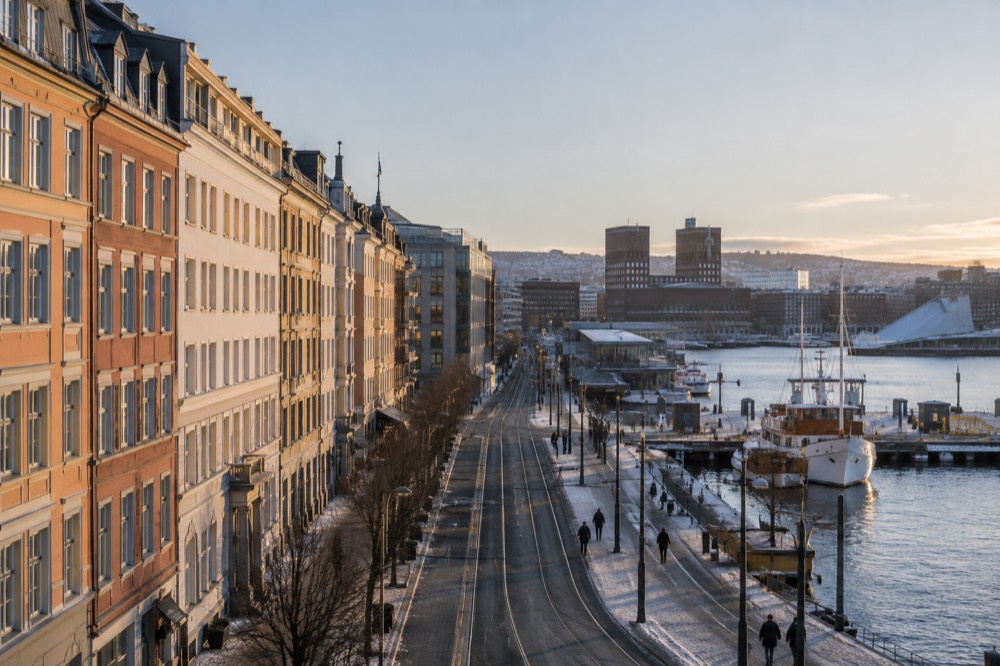
For most visitors the best part of Oslo to stay in is Sentrum, the compact city center between the Oslo Central Station and the Royal Palace, because almost every major sight sits within a 20 to 30 minute walk and every metro, tram and airport train line converges there. If you want atmosphere over convenience, Aker Brygge on the waterfront is the upgrade, and Grünerløkka on the east side is the better pick for food, bars and lower room rates.
Sentrum is not glamorous, and that is the point. Karl Johans gate, the main street, runs straight through it from the Central Station to the Royal Palace, and the whole strip is flat, walkable and lit late. The Opera House, the MUNCH museum, Akershus Fortress, the National Theatre and the Storting are all inside or on the edge of the center, so a first-time visitor who books a central hotel spends almost nothing on transport for two or three days. The trade-off is price and character: central Oslo rooms are among the most expensive in the city, and several central streets are dominated by chain stores and tourist foot traffic rather than anything local.
The rest of this page breaks the alternatives down honestly, because "best" means different things for a family, a solo traveler on a budget, someone out for weekend nightlife, and someone who wants to wake up next to the Oslofjord. The short version: stay central if it is your first visit, stay east if money matters, stay west if museums and quiet streets matter, and stay on Bygdøy only if you have a reason to.
Which Neighborhood Is Best for First-time Visitors?
Sentrum is the best neighborhood for first-time visitors to Oslo, because the city center is small enough that the Opera House, the Royal Palace, Karl Johans gate, Akershus Fortress and the National Theatre are all reachable on foot, and every airport train and almost every tram and metro line stops inside it. A first-timer staying central loses nothing but hotel money, and saves hours of daily commuting.
The center runs from Oslo Central Station in the east to the National Theatre in the west, a distance of roughly a kilometer, and from the water at Akershus up to the Royal Palace park. That footprint covers most of what a first visit to Oslo is for. The Opera House roof, which is free to walk on, sits at the east end. The Royal Palace and its changing of the guard sit at the west end. In between are the Storting, Oslo Cathedral, the Eidsvoll Square and the densest concentration of restaurants in the city.
Two practical notes matter more than hotel stars. First, the whole area is flat, which is not true of western neighborhoods like Frogner, and it stays busy late, which matters if you are arriving off an evening flight. Second, the central station area around Jernbanetorget is the most convenient single location in the city but also the least atmospheric, with nightlife that skews toward late-night fast food. The streets between the Storting and the National Theatre are quieter and only five minutes further from the station.
If you want the central location without the chain-hotel feel, the small area around Vulkan and the river Akerselva, just north of the center, is the compromise: a 10 to 15 minute walk to Karl Johans gate, but food halls, indie shops and the river path instead of shopping streets. Our full where to stay in Oslo guide goes deeper on individual hotels and price tiers if you have gotten this far and want to book something specific.
A first visit also deserves one evening that is not a museum, and the center is where the themed evening walks leave from. The trio below is a sensible first-visit set: a guaranteed ticket to the Kon-Tiki Museum for your Bygdøy day, an evening myths-and-legends walk through the dark center, and a guided art walk through Vigeland Park, which is free to enter but hard to read without a guide.
Where Should You Stay in Oslo on a Budget?
Tøyen and Grønland, on the east side about 10 minutes from the center by metro or bus, are the best budget areas to stay in Oslo, with noticeably cheaper guesthouses and hotels than Sentrum while still sitting on ordinary transit lines. Grünerløkka is the mid-point: cheaper than the waterfront, more expensive than Tøyen, and much better for evenings.
Oslo is an expensive city, and accommodation is one of the few line items where the neighborhood genuinely changes the number. Statistics Norway's 2025 price-level survey puts Norwegian household costs 28.6 percent above the EU average, and hotel rooms follow. What the east side offers is not charm, exactly, but honest access: Tøyen sits on the metro, Grønland is a short bus or tram hop from the center, and both have grocery stores, kebab shops and laundromats at prices a traveler can live with.
Tøyen has a second argument that most budget guides underweight: the MUNCH museum is there, the Botanical Garden is there, and the neighborhood is walkable to Grønland's food shops. The trade-off is that east-side streets are plainer, the architecture is a mix of older blocks and 1980s apartment buildings, and the restaurant scene is thinner than two kilometers west. Grønland is livelier and more international, with some of the cheapest eating in the city, but hotel choice is limited.
The honest budget hierarchy looks like this:
| Area | Typical room price level | Transit to center | What you give up |
|---|---|---|---|
| Sentrum | Highest | Walkable, no transit needed | Money, local character |
| Aker Brygge / Tjuvholmen | High | 10-15 min walk | Money, quiet at street level |
| Frogner / Majorstuen | Mid to high | Tram or metro, 10 min | Late-night dining nearby |
| Grünerløkka | Mid | Tram or 20 min walk | Distance from main sights |
| Tøyen / Grønland | Lowest | Metro or bus, 10 min | Atmosphere, restaurant scene |
For travelers stretching a budget across several days, one more east-side fact pays for itself: the Oslo Pass covers public transport in zones 1, 2, 3, 4V and 4N, including the Vy trains to and from Gardermoen airport, but not the Flytoget airport express. If you are staying east and buying a pass anyway, the airport journey is already paid for on the slow train. Our Oslo on a budget page carries the full breakdown of what a cheap Oslo trip actually costs.
Where Should Families Stay in Oslo?
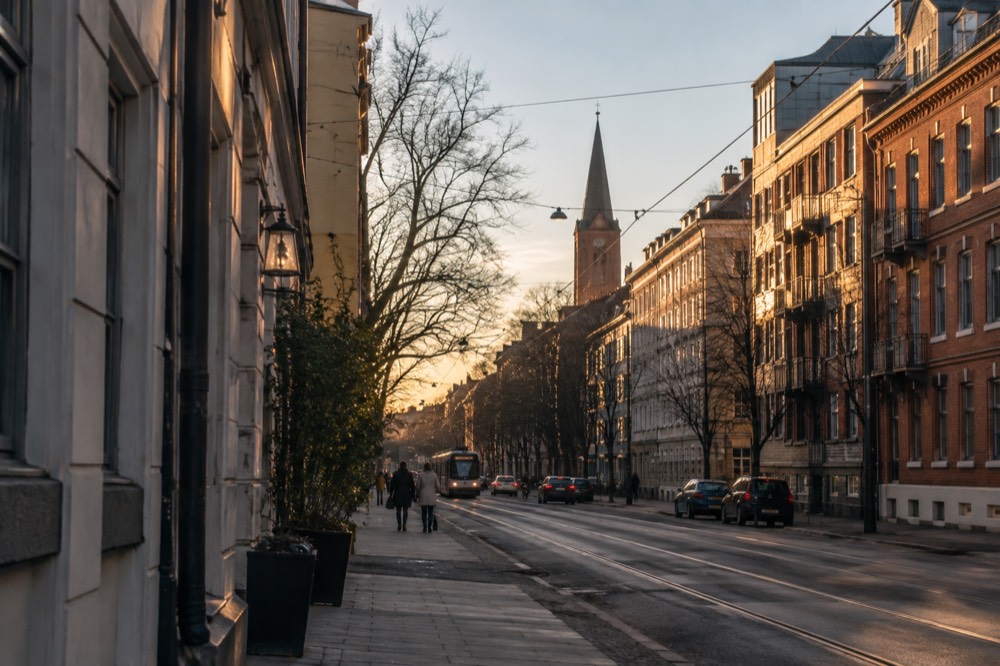
Families visiting Oslo are best based around Frogner and Majorstuen on the west side, or Grünerløkka on the east, because both combine apartment-style accommodation, playgrounds and supermarkets with fast transit, while Sentrum works well for families who plan to walk everywhere and want the Opera House and the fortress within reach. The single worst family choice is Bygdøy, which has the museums but almost no hotels.
Frogner's case is practical. The neighborhood is residential, calm in the evenings, and sits next to both the Vigeland sculpture park, which is free and open around the clock, and the Frogner Park grounds that locals use as a giant playground. Trams along Bogstadveien reach the National Theatre in about ten minutes. Apartment hotels and short-let flats dominate the mid-range here, and a kitchen matters in a city where restaurant prices run high: food and non-alcoholic drinks sit 33 percent above the European average on the same SSB survey, so breakfast in the flat is a real saving.
Grünerløkka's case is different: it is the most family-friendly east-side option because of the river path, the parks along Akerselva, and the food halls, which solve the "everyone wants something different" problem cheaply. The tram lines along Thorvald Meyers gate run straight to the center. What it lacks is the immediate walkability to the Royal Palace end of town, so families with young children should expect one tram ride most days.
One Bygdøy clarification saves families a common mistake. The museum peninsula, home to the Kon-Tiki and Fram museums and the open-air Norsk Folkemuseum, is a day trip from wherever you sleep, not a place to stay: hotel supply there is close to nil, and the seasonal ferry from Rådhusbrygge 3 does not take ordinary Ruter tickets, though it is covered by the Oslo Pass. Bus 30 runs there year-round. Our Oslo with kids guide plans the full family itinerary, including which museums are free for children: Norsk Folkemuseum, for example, admits everyone under 18 free.
Which Part of Oslo Is Best for Nightlife and Food?
Grünerløkka is the best part of Oslo to stay in for nightlife and food, with the densest strip of bars, natural-wine spots, taco counters and coffee roasters in the city along Thorvald Meyers gate, followed by the Vulkan and Grünerløkka riverside for brewpubs and food halls. Sentrum's nightlife is more scattered, and Aker Brygge's is more restaurant than bar.
The neighborhood, once a working-class textile district, is now where Oslo goes out. The main axis runs along Thorvald Meyers gate from the river up to Olaf Ryes plass, and the side streets off it carry most of the city's interesting eating. The Mathallen food hall sits at the south end by the river. On a Friday or Saturday the whole strip stays busy past midnight, which is unusual in a city where nightlife has to work around some of Europe's strictest alcohol pricing: alcohol and tobacco cost more than double the European average, and wine and spirits are only sold through the state monopoly Vinmonopolet, which closes early on Saturdays and all day Sunday. The wider set of guides lives on Oslo Travel Guide. The wider set of guides lives on Oslo Travel Guide.
That pricing fact is the reason a beer-and-culture walk exists as a bookable product at all, and it is the reason locals pre-drink hard and go out late. If nightlife is the point of your trip, staying inside Grünerløkka rather than traveling into it saves the late tram home, which on weekend nights runs but not generously. The area is also where the city's coffee culture concentrates, so the mornings are as good as the evenings.
Two warnings, both honest. First, Grünerløkka is loud on weekends by Oslo standards, which are quiet by most countries' standards, but light sleepers should still ask for a courtyard room. Second, "Grünerløkka" on a booking site sometimes means the blocks well north of the action, so check the walking distance to Olaf Ryes plass before you pay. For a deeper cut of the neighborhood, our Grünerløkka area guide maps the streets, and the best bars in Oslo page covers where the night actually goes.
What Is the Best Area for the Oslofjord and the Museums?
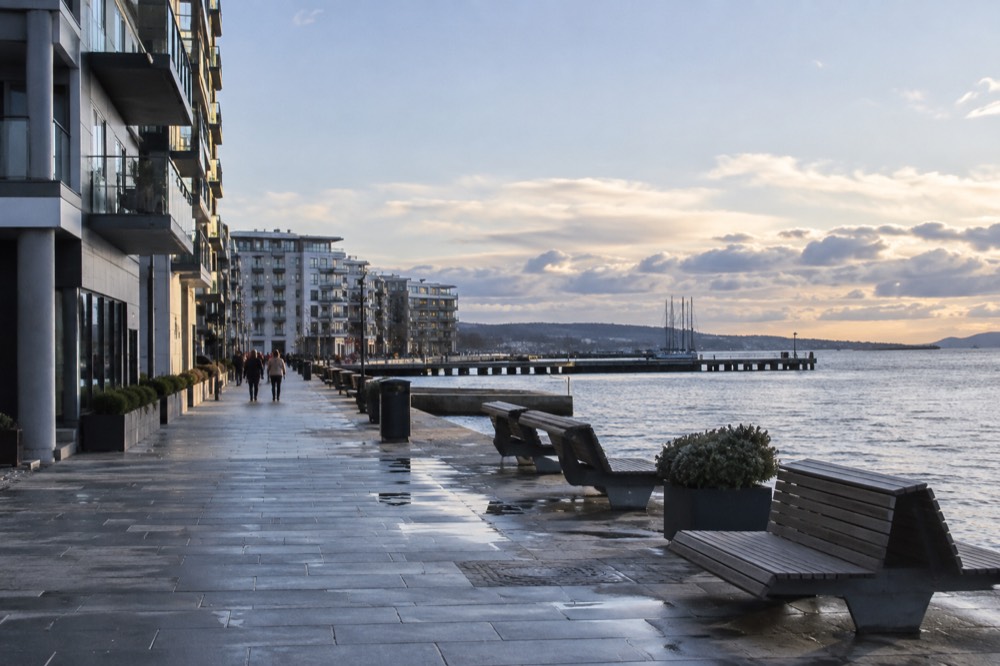
Aker Brygge and Tjuvholmen are the best areas to stay in for the Oslofjord, putting you on the waterfront promenade minutes from the island ferries at Aker brygge and the Bygdøy ferry at Rådhusbrygge 3, while Frogner and Majorstuen are the best museum bases on land, sitting between the National Museum, the MUNCH museum and easy transit to the Bygdøy peninsula.
The waterfront case is straightforward. Aker Brygge is the converted shipyard district directly west of the City Hall, all restaurants, terraces and apartment blocks facing the water, and Tjuvholmen continues it out toward the Astrup Fearnley museum and the small-city-beach at Sørenga. From there the whole fjord is on your doorstep: the island ferries to Hovedøya, Gressholmen and Langøyene leave from the Aker brygge piers on an ordinary Ruter ticket, and the seasonal museum ferry to Bygdøy leaves from nearby Rådhusbrygge 3, covered by the Oslo Pass but not by Ruter tickets.
The museum case favors the west side slightly. The National Museum, which holds The Scream, sits on the waterfront at the west end of the center. The MUNCH museum sits at Bjørvika by the Opera House. The Bygdøy peninsula, with the Kon-Tiki, Fram and cultural history museums, is a ferry or bus 30 ride from the center. Staying in Frogner or Majorstuen puts you on the tram lines that feed all of these, and adds the Vigeland Park and the ski museum at Holmenkollen, reachable on metro line 1, to your backyard.
The Bygdøy day itself is the single most bookable part of an Oslo stay, and the Kon-Tiki Museum ticket is the anchor of it. The listing makes entry straightforward, the museum sits beside the Fram Museum and the Maritime Museum at the Bygdøynes pier, and combining it with the Fram Museum on the venues' own combination ticket is cheaper than buying both separately at the door. If you are staying central, plan the ferry out and bus 30 back, or the reverse, to see the peninsula from both sides.
How Much Does the Neighborhood Choice Change Your Daily Costs?
Less than you might hope, and more than guides admit: the room rate difference between Tøyen and Aker Brygge can be the single largest variable cost in an Oslo trip, but transport from any sensible neighborhood costs roughly the same, because the whole central network sits inside Ruter zone 1 and the Oslo Pass covers every museum entry. The neighborhood mainly changes what you spend on rooms, food and taxis, not on getting around.
Oslo's transit pricing is zone-based, and the entire central city, including every metro line and every neighborhood discussed on this page except Bygdøy, sits inside zone 1. That means a traveler staying in Tøyen and a traveler staying in Frogner pay identical fares to reach the center. The airport is the exception that matters: Gardermoen sits in zone 4N, and the Oslo Pass covers the Vy trains to and from it while Flytoget, at 268 NOK one-way, is not covered. That single fact can swing an arrival plan by several hundred kroner per person.
| Cost item | Staying in Sentrum | Staying east (Tøyen/Grünerløkka) | Staying west (Frogner/Majorstuen) |
|---|---|---|---|
| Daily transit | Often zero, walkable | Zone 1 ticket per ride or pass | Zone 1 ticket per ride or pass |
| Airport connection | Vy train or Flytoget from Oslo S | Same, short metro hop first | Same, tram to Nationaltheatret first |
| Eating out nearby | Most expensive, most choice | Cheapest, most variety | Mid-range, fewer late options |
| Supermarket access | Small stores, premium priced | Good, regular prices | Good along Bogstadveien |
| Evening taxi need | Rarely | Rare, trams run late | Occasional after midnight |
The food column deserves one more sentence. Norway is the sixth most expensive country in Europe on the 2025 SSB comparison, and restaurants are where it bites hardest, so the neighborhood with the cheap eating, which is Grønland and Grünerløkka, effectively discounts every day of your stay. A supermarket breakfast and a kebab dinner in the east can cost less than one hotel breakfast in the center. Tipping, for the record, is not expected: service is included, and rounding up is a choice, not a norm to budget for.
How Walkable Is Each Part of Oslo?
Central Oslo is one of the most walkable city centers in Scandinavia, with the whole Sentrum footprint flat and under two kilometers end to end, while Grünerløkka and Frogner are each walkable into the center in 20 to 30 minutes and to themselves easily. Only Bygdøy, which is a peninsula reached by ferry or bus, and the outer west-side hills genuinely require transit every day.
The walkability question is really an east-west question. From Oslo Central Station to the Royal Palace is a flat 15 to 20 minute walk along Karl Johans gate. From the center to Grünerløkka you cross the Akerselva river and climb gently, and from the center to Frogner you climb a bit more, but both are ordinary city walks. The center itself is car-light along the main spine, and the waterfront from the Opera House to Tjuvholmen is a continuous promenade, one of the best free walks in the city.
The neighborhoods rank like this for a visitor on foot:
| Neighborhood | Walk to main sights | Daily transit needed | Terrain |
|---|---|---|---|
| Sentrum | Everything central on foot | None, plus airport line | Flat |
| Aker Brygge / Tjuvholmen | Promenade on foot, rest via tram | Occasional | Flat |
| Frogner / Majorstuen | Vigeland Park on foot, center by tram | Tram most days | Gently hilly |
| Grünerløkka | Neighborhood on foot, center by tram | Tram most days | Gently hilly |
| Tøyen / Grønland | MUNCH and Botanical Garden on foot | Metro to center | Flat |
| Bygdøy | Museums on foot from pier or bus | Ferry or bus 30 always | Flat, spread out |
One planning note that interacts with all of this: Oslo's daylight swings from under six hours in late December to nearly nineteen in late June, and there is no midnight sun at this latitude, only long summer evenings. In winter, where you stay affects how much you can see on foot before dark, which is a quiet argument for the center in December and for the long evenings of Grünerløkka in June. Our Oslo walking route page strings the walkable core into a single day if you want to test the center's walkability before committing to a hotel.
Common Questions About Where to Stay in Oslo
what is the best part of oslo to stay in?
For most visitors, Sentrum, the central area between Oslo Central Station and the Royal Palace, because every major sight is within walking distance and all transit lines converge there. For atmosphere, choose Aker Brygte on the waterfront or Grünerløkka in the east; for budget, Tøyen and Grønland.
Is it better to stay in central Oslo or Grünerløkka?
Stay central if it is your first visit and you want the sights on foot. Stay in Grünerløkka if you care more about bars, restaurants and coffee, want lower rates, and accept a 20 minute walk or a short tram ride to the main sights.
What is the cheapest area to stay in Oslo?
Tøyen and Grønland, on the east side about ten minutes from the center by metro or bus. Room rates are noticeably lower than the center, and the surrounding food shops and eateries are among the cheapest in the city.
Can you stay on Bygdøy near the museums?
Not really. Bygdøy is a residential peninsula with the museum cluster but almost no hotels, and the ferry that serves it runs only from mid-March to early October. Treat it as a day trip by ferry or bus 30 from wherever you base yourself.
Where should families with kids stay in Oslo?
Frogner and Majorstuen on the west side, for apartment-style accommodation, parks and the free Vigeland sculpture park, or Grünerløkka for the river path and food halls. Both sit on fast tram lines into the center, and children under six ride public transport free.
Do you need a car to get around Oslo neighborhoods?
No. The entire central city sits inside one transit zone, the metro, trams and buses run late, and the island ferries take ordinary tickets. A car costs money to park and earns you nothing in any neighborhood discussed on this page.