Does the Oslo Pass Cover the Munch Museum?
Yes, the Oslo Pass covers MUNCH. Here is what the pass includes, what a MUNCH ticket costs on its own, and when the pass pays for itself.
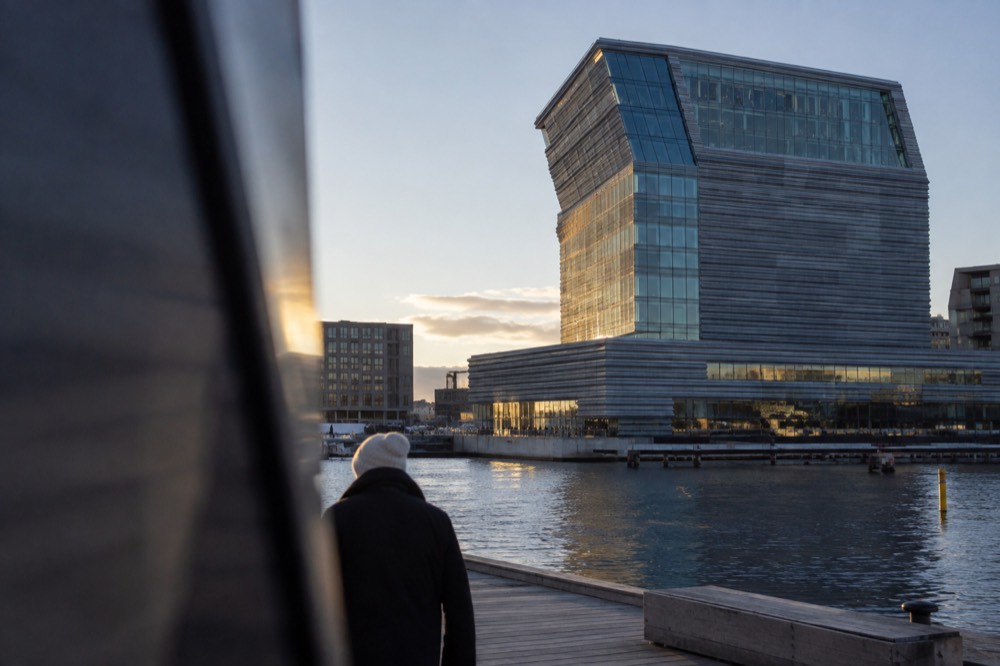
Does the Oslo Pass Cover the Munch Museum?
Yes, the Oslo Pass covers MUNCH. VisitOSLO, the city tourist board that runs the pass, lists MUNCH among the more than 30 museums and attractions with free entry for pass holders, once per 24-hour period. A standalone adult ticket costs 280 NOK, or 200 NOK after 18:00, so a pass that includes several museums can recoup its price on the first day. Under-18s enter MUNCH free either way, and under-25s pay 100 NOK without a pass.
That is the short version, and it is the answer most people are looking for. The longer version is where the real decision lives, because whether the pass is the right buy depends on what else is on your Oslo list. MUNCH sits on the waterfront at Bjørvika, a ten-minute walk from the Central Station, and it is the museum first-time visitors name most often when they arrive in the city. The building holds the world's largest collection of works by Edvard Munch, including versions of The Scream, and it brands itself simply as MUNCH.
The pass question is a math question at heart. VisitOSLO's own prices page puts the 24-hour adult pass at 580 NOK, the 48-hour at 845 NOK and the 72-hour at 995 NOK. MUNCH alone does not clear the 24-hour bar. Three or four major museums in a day, plus the transport between them, generally does. This page walks through the numbers so you can decide before you stand at a ticket counter.
It also matters when you are traveling, and not only because of the weather. In the summer months the museum-heavy days are long, with daylight stretching past 21:00 in June, and you can comfortably fit MUNCH, a waterfront walk and a Bygdøy afternoon into a single pass period. In the depths of winter the sun sets before 15:30, and indoor attractions like MUNCH carry far more of the day, which pushes the pass math further in the pass's favor. The best time to visit Oslo page covers the seasonal trade-offs in full if your dates are flexible.
What Does a MUNCH Ticket Cost Without the Pass?
A standalone adult ticket to MUNCH costs 280 NOK during the day, dropping to 200 NOK for entry after 18:00. Visitors aged 17 and under go free, and visitors under 25 pay 100 NOK, one of the most generous young-visitor rates among Oslo's major museums. The museum is open every day of the year except 1 May, with late opening until 21:00 Wednesday through Saturday. Those are the museum's own published figures, and they are the baseline for every pass calculation in this article.
The evening rate is worth pausing on, because it changes the math more than most visitors expect. MUNCH keeps its late hours on Wednesdays through Saturdays, and the 200 NOK evening ticket is a genuine budget route for travelers who are happy to see the galleries after dinner rather than before it. The building stays lively in the evening, and the top-floor views over the Oslofjord hold their light well past normal closing time in summer. In mid-June the sun sets at 22:43 in Oslo, so an evening visit still comes with daylight spilling through the fjord-facing windows.
Here is the full price picture at a glance, from the museum's own ticket page:
| Ticket type | Price at MUNCH | Notes |
|---|---|---|
| Adult, daytime | 280 NOK | Standard full-price entry |
| Adult, after 18:00 | 200 NOK | Wed to Sat, evening admission |
| Under 25 | 100 NOK | ID may be requested |
| 17 and under | Free | Applies every day |
| Oslo Pass holders | Included | One entry per 24-hour period |
One point of housekeeping that trips people up: MUNCH moved its primary web address to munch.no, and older links pointing at munchmuseet.no redirect there. If you are checking opening hours before a visit, the museum's own site is the place to do it, since hours shift around public holidays.
A note on the price itself, because it has been misquoted widely. Some guides still list MUNCH's adult ticket at 220 NOK, a figure that no longer matches the museum's own ticket page. The verified number is 280 NOK daytime and 200 NOK in the evening, and every calculation in this article uses those figures. If a price looks different on a third-party site, trust the museum's own page first.
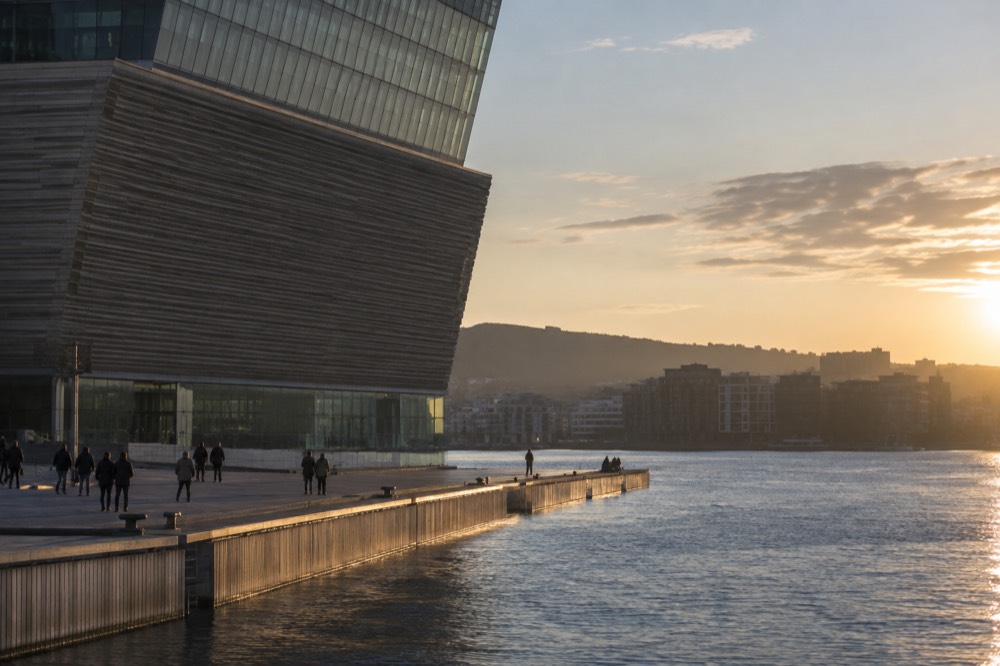
If you would rather not carry a pass at all, a prebooked admission ticket is the other way in, and it saves you the counter queue on busy summer days. The listing carries its own current price and rating, both of which you will see rendered on the booking panel rather than quoted here.
Does the Oslo Pass Save Money If MUNCH Is Your Main Stop?
If MUNCH is your only museum of the day, the pass does not pay for itself: a 280 NOK ticket against a 580 NOK 24-hour pass is a clear loss. The pass starts winning the moment you add a second and third attraction, because three Bygdøy museums alone cost 560 NOK at full price, and the pass also covers the ferries and trains between them. The honest rule is that the pass is a multi-museum product, not a MUNCH product.
The comparison worth making is against a realistic day rather than a single ticket. Say you visit MUNCH in the morning, take the boat across to Bygdøy for the Fram Museum and the Kon-Tiki Museum in the afternoon, and ride public transport between all of it. The Fram Museum charges 180 NOK and the Kon-Tiki Museum charges 180 NOK at the door, and the combined Kon-Tiki and Fram ticket runs 325 NOK. Add MUNCH's 280 NOK on top and you are at 605 NOK in tickets alone, before a single tram fare, against a 580 NOK pass that includes the transport. That single day already tips the balance, and every museum after it is effectively free.
The pass also carries a subtlety that most guides state wrong or not at all. VisitOSLO's own wording is that the pass includes public transport in zones 1, 2, 3, 4V and 4N, including trains to and from Oslo Airport Gardermoen operated by Vy. It does not cover Flytoget, the separate airport express, which charges 268 NOK for an adult single. If you were counting the airport train toward the pass value, count the Vy train, not the express.
There is a subtlety on the boat side too, and it is one of the most confused topics in Oslo planning. The Bygdøy museum ferry, which runs seasonally from Rådhusbrygge 3, is included with the Oslo Pass but does not accept ordinary Ruter tickets. The public island ferries to Hovedøya and Gressholmen, which leave from Aker Brygge, are ordinary Ruter services that any normal ticket covers. Two different piers, two different ticket rules, and the pass handles both without you having to think about it. The Oslo ferries guide untangles the two systems in full.
There is a full breakdown of the pass itself, including the child and senior tiers, on the Oslo Pass guide page, and a longer worked comparison of break-even scenarios in is the Oslo Pass worth it. Both are worth a read before you commit, because the answer genuinely changes with the length of your stay.
Which Other Museums Does the Pass Cover Near MUNCH?
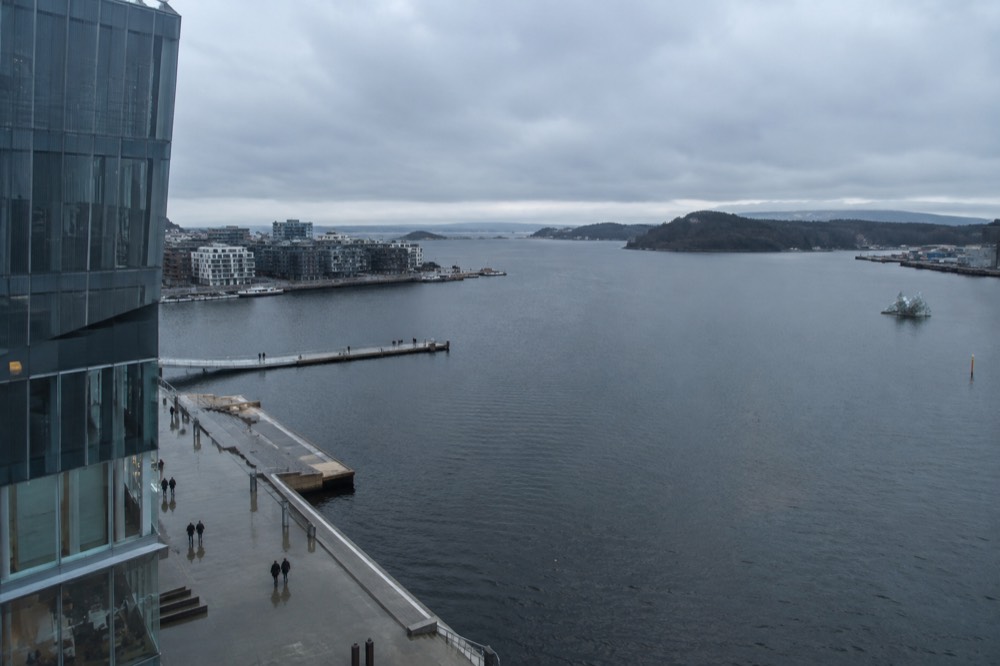
The pass covers more than 30 museums and attractions across the city, each visitable once per 24-hour period, and several of the heaviest hitters sit within walking distance or one tram stop of MUNCH. The National Museum, which holds another version of The Scream, is a fifteen-minute walk away along the waterfront. The Opera House roof, directly beside MUNCH, is free to everyone with or without a pass.
That last point deserves emphasis because it is free money in the planning sense. The Opera House roof is public space, open to walk on at any hour, no ticket required. Almost every visitor to MUNCH walks right past it. Combine the two and you have a solid half-day of Oslo's best architecture and art for the price of one museum entry, or nothing at all with a pass in hand. The wider set of guides lives on Oslo Travel Guide. The wider set of guides lives on Oslo Travel Guide.
A realistic one-day museum cluster from Bjørvika looks like this:
| Attraction | Full adult price | Walk or ride from MUNCH | On the Oslo Pass |
|---|---|---|---|
| MUNCH | 280 NOK | Starting point | Yes |
| National Museum | Not published on our verified list | 15-minute walk | Yes |
| Opera House roof | Free | 5-minute walk | Not needed |
| Astrup Fearnley Museet | 180 NOK | 20-minute walk via the harbor path | Yes |
| Nobel Peace Center | 180 NOK | 15-minute walk | Yes |
The National Museum's own admission page resisted automated verification in our research pass, so we do not quote its price here; check the museum's own site before you go. What is confirmed is that the Oslo Pass covers it, which makes the exact figure less urgent for pass holders.
The harbor walk between these buildings is itself one of the better free experiences in the city. The path from the Opera House past the Sørenga seawater pool toward Tjuvholmen runs the whole length of the inner fjord, and in July and August the water along it is swimmable, with temperatures typically in the 15 to 20 degree range. It costs nothing, needs no booking, and turns a museum day into a waterfront day without adding a single kroner to the budget.
If museums are the spine of your trip, the Oslo museums overview maps which ones cluster together, and the one day in Oslo itinerary sequences a pass-friendly day that starts at MUNCH and ends on Bygdøy.
Is MUNCH Worth the Visit at All?
MUNCH holds the world's largest collection of Edvard Munch's work, including multiple versions of The Scream, in a purpose-built twelve-floor building on the Bjørvika waterfront, and it is the museum most international visitors can name before they arrive. Whether it is worth your ticket depends less on the art, which is unquestionably significant, and more on how you feel about crowded flagship museums versus smaller, quieter rooms.
The building itself divides opinion in a way the collection does not. The galleries are large, bright and arranged over many floors, with the famous paintings drawing the thickest crowds and the upper floors thinning out into drawings, prints and lesser-known canvases that many visitors never reach. The top floors also carry some of the best interior views of the Oslofjord in the city, which is a genuine part of the experience rather than a footnote.
Two practical notes from the museum's own published information. First, the museum is open every day of the year except 1 May, so it is one of the few Oslo attractions with no weekly closing day. Second, the under-25 rate of 100 NOK makes it one of the cheaper major museums for younger travelers, and under-18s go free, which shapes the pass math considerably for families: a family with two teenagers is paying for two adult entries only, and the pass's child tier covers the 6-to-17 range at 290 NOK for 24 hours.
For a deeper look at the building, the collection and how to plan a visit around the crowds, see the MUNCH museum guide. And if you are weighing the art against the city itself, the what is Oslo known for page puts Munch in context with the other things the city is famous for.
How Do You Actually Use the Pass at MUNCH?
You show the pass at the MUNCH entrance, either as the app on your phone or as a printed card, and the staff scan or check it the same way they would a ticket. No separate MUNCH booking is needed for pass holders, and the visit counts as your single entry for that 24-hour period. If you want a timed slot on a very busy day, the museum's own site is where to arrange it.
The mechanics are simple, but two details catch people out. The first is the once-per-24-hours rule: the pass does not forbid re-entry, but each attraction counts once per period, so if you leave MUNCH and come back the same day, you are relying on the museum's own re-entry policy rather than the pass. The second is the clock: a 24-hour pass activated at 14:00 runs to 14:00 the next day, not to midnight, so late activation on a museum-heavy day wastes hours you paid for.
The app is the smoother of the two formats for most travelers. It lives on your phone, activates when you first use it rather than when you buy it, and shows the remaining validity at a glance. A paper pass bought at the Oslo Visitor Centre works identically, and the 20 percent student discount applies only to in-person purchases with the right ID, a detail worth knowing if you are under 30 and carrying a semester card.
One more thing the pass quietly handles: getting to MUNCH. The museum sits at the Bjørvika end of the Central Station, and every tram and bus that runs down the harbor front is inside zone 1, fully covered. The getting around Oslo guide covers the wider network if your plans extend past the center.
A final word on timing your visit within the day. MUNCH is at its quietest in the first hour after opening and again after the dinner crowd arrives, and it is at its most crowded on wet weekend afternoons, which Oslo has plenty of: August is the city's wettest month on the 1991 to 2020 normals, at 103 mm. If your pass day collides with rain, put MUNCH in the morning slot and save the outdoor stretch of your itinerary for whatever the sky does later.
Common Questions About the Oslo Pass and MUNCH
does the oslo pass cover the munch museum?
Yes. MUNCH is on VisitOSLO's list of more than 30 museums and attractions with free entry for Oslo Pass holders, once per 24-hour period. A standalone adult ticket costs 280 NOK, or 200 NOK after 18:00.
Is MUNCH included once or can I go back in?
The pass covers one entry per 24-hour period. Re-entry on the same day depends on the museum's own policy rather than the pass, so treat your first entry as the one that counts.
Does the Oslo Pass cover the evening ticket price at MUNCH?
The pass covers entry regardless of time slot, so there is no separate evening rate for pass holders. If you are paying out of pocket, the museum charges 200 NOK after 18:00 against 280 NOK in the daytime.
Do children need the Oslo Pass for MUNCH?
Visitors aged 17 and under enter MUNCH free, so a child pass is not needed for this museum. The pass's child tier, 290 NOK for 24 hours, matters more for the attractions that charge for children and for the included transport.
Is MUNCH the best use of a 24-hour Oslo Pass?
On its own, no: a 280 NOK ticket against a 580 NOK pass loses money. The pass pays off when MUNCH is combined with two or more other covered attractions plus transport in the same period, which is easy to arrange from Bjørvika.
Does the Oslo Pass cover the train from the airport to MUNCH?
It covers Vy local trains to and from Oslo Airport Gardermoen, which connect to the Central Station a short walk from MUNCH. It does not cover Flytoget, the separate airport express, so check which train you are boarding before you travel.