Why Is Oslo So Famous?
Oslo is famous for the Nobel Peace Prize, The Scream, the Viking legacy, the Oslofjord and a design-forward waterfront. Here is what actually put Norway's capital on the map.
Why Is Oslo So Famous?
Oslo is famous for five things above all: the Nobel Peace Prize, which is awarded in the city every 10 December; Edvard Munch's The Scream and the museum built for him; a thousand years of Viking and polar maritime history; the Oslofjord, which puts islands and swimming beaches inside the capital; and a striking modern waterfront centred on an opera house whose roof is a public walkway. It is also famous for being expensive, and that reputation is partly earned and partly misunderstood. Norway's capital is a small city by European standards, yet it holds a Nobel Prize, the world's most famous painting of anxiety, and a ski jump in a forest. Few cities of its size carry that much name recognition, and almost none of it is accidental.
The city was called Christiania, and before that Kristiania, for most of its modern life, and it only took back the name Oslo in the twentieth century. Fame arrived slowly and then in bursts: the Vikings first, then the polar explorers, then the Nobel Peace Prize, then Munch, then the oil money that rebuilt the entire waterfront in the last thirty years. What follows is each strand of that fame, what it actually looks like when you arrive, and what is worth booking.
Why Is Oslo So Famous?
Oslo is famous because it is the city where the Nobel Peace Prize is awarded, the home of Edvard Munch's The Scream, the capital that grew out of the Viking age, and one of very few cities in the world where a fjord, a ski jump and a sculpture park sit inside the municipal boundary. Its global reputation rests on culture and history rather than size. The Nobel Peace Prize ceremony in Oslo City Hall each 10 December puts the city on the world's news bulletins once a year, every year, and the rest of its fame flows from art, exploration and the water the city sits on.
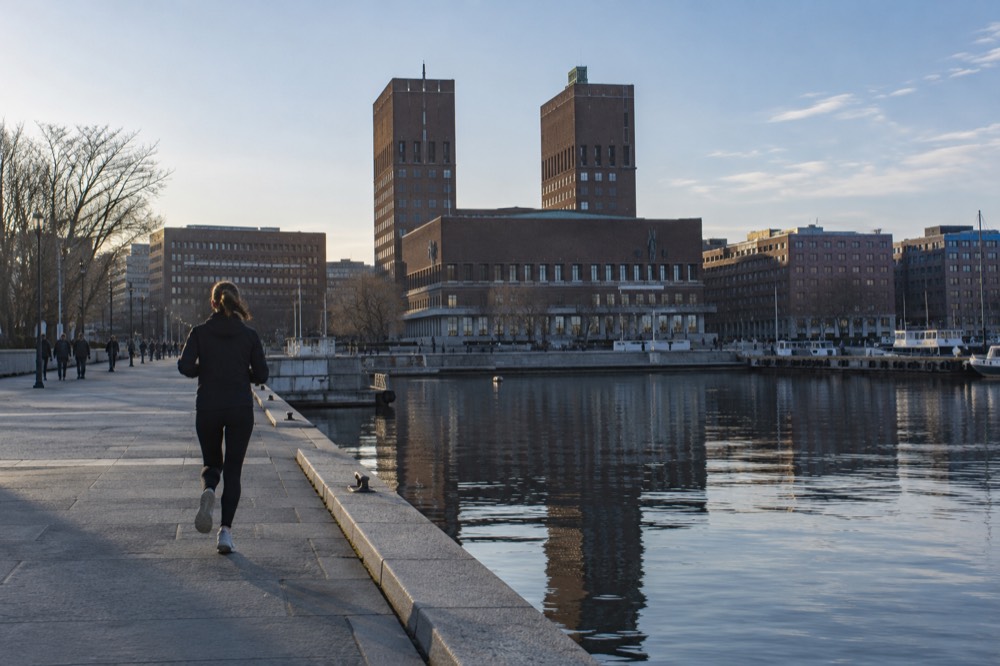
That annual Nobel moment matters more than visitors expect. Alfred Nobel's will split his prizes between Stockholm and Oslo, and the peace prize alone was given to Norway, a decision made while Norway and Sweden were still in a union and the choice was partly political. The result is that every laureate, from the Red Cross to Malala Yousafzai, has collected the prize in Oslo City Hall, a brick building on the waterfront that looks like a fortress and holds a vast mural-filled hall inside.
The second pillar is art. The National Museum holds the world's largest collection of works by Edvard Munch, including a version of The Scream, and the dedicated MUNCH museum on the Bjørvika waterfront holds thousands more. A painting of a figure screaming on a bridge has become one of the most reproduced images in Western art, and both of its Oslo homes trade on it.
The third pillar is harder to photograph but just as real: this is the port the Vikings and the polar explorers sailed from. The Fram and Kon-Tiki museums on the Bygdøy peninsula hold the actual ships, not replicas, and the city's identity as a seafaring capital runs from those hulls to the ferries that still cross the harbor today.
What Is Oslo Known for Around the World?
Around the world, Oslo is known for the Nobel Peace Prize ceremony, The Scream, the Viking ships, winter sports and the Holmenkollen ski jump, and the modern opera house with its walkable roof. It is equally known, and this is the reputation that travels fastest, as one of Europe's most expensive capitals. Statistics Norway's 2025 price-level survey puts Norway sixth in Europe overall, with household prices 28.6% above the EU average and alcohol more than double it. The fame and the cost reputation come from the same place: a small, wealthy, oil-funded capital that invests heavily in culture.
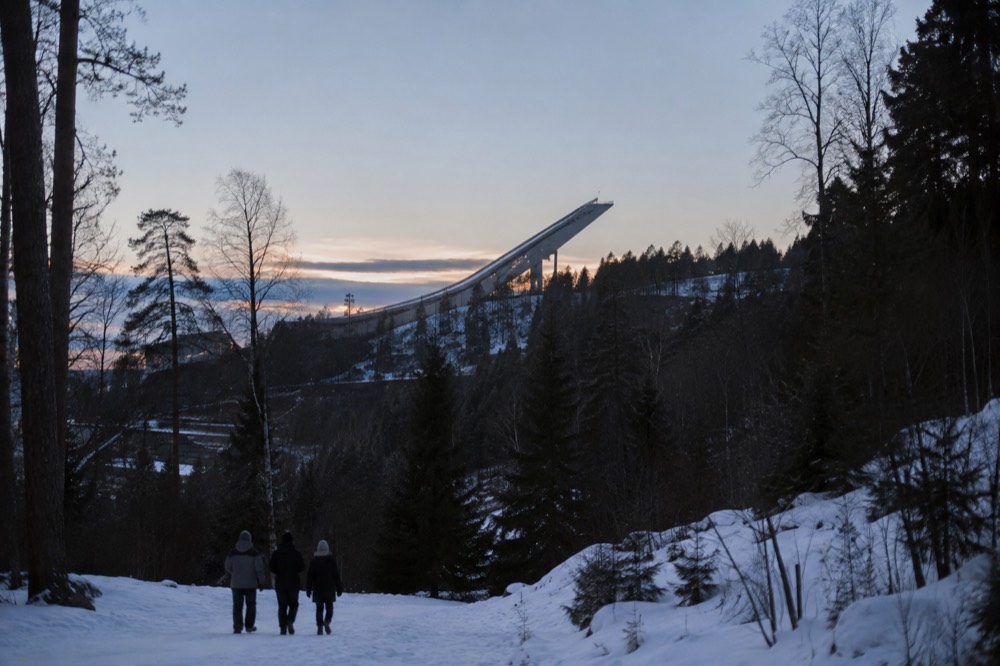
The Holmenkollen ski jump deserves its own line. It rises out of the forest above the city, reachable by metro, and it has hosted competitions and a World Cup crowd for well over a century. The jump tower and ski museum together cost 195 NOK to visit, and the view from the top takes in the whole fjord. For a city that also produced almost every famous name in skiing history, the jump is the physical monument.
Oslo is also the city of 17 May, Norway's national day. The constitution was signed just outside the city center, and the day's children's parades, with a route up Karl Johans gate past the Royal Palace, are broadcast nationally every year. Visitors who arrive on 17 May find the most crowded, most Norwegian day the city offers.
There is a softer side to the fame too. The city is repeatedly ranked among the world's most liveable, its tap water comes straight from mountain lakes, and its residents speak English at a level that surprises American visitors. The practical version of that is covered in our guide to what Oslo is known for, which runs through the full list of claims to fame in planning terms.
If you want to test the fame on the ground in a single afternoon, three products cover its three biggest strands. The electric fjord cruise shows you the water the city is built around, the free walking tour covers the central landmarks including the City Hall where the Nobel ceremony happens, and the Kon-Tiki Museum ticket puts you in front of the actual balsa raft that crossed the Pacific. Between them, that is most of this article in physical form.
Why Do People Travel to Oslo for the Museums?
People travel to Oslo for the museums because the city holds original objects no other city can offer: the Fram, the ship that went further north and further south than any other wooden ship; the Kon-Tiki raft; Viking-age artifacts; and multiple versions of The Scream. The Museum of the Viking Age on Bygdøy is closed until 2027 while it is rebuilt, which makes the Historical Museum in the city centre the place to see Viking-age objects in the meantime, and it makes the museums that are open more valuable, not less.
Bygdøy is the museum peninsula, and it works as a single day out. The Fram Museum and the Kon-Tiki Museum sit next to each other at the Bygdøynes pier, both charging 180 NOK for adults, with a combination ticket for the two at 325 NOK. Add the Norwegian Maritime Museum next door and the three-museum combination is 485 NOK. The Norsk Folkemuseum, an open-air collection of historic buildings including a stave church, is at the other end of the peninsula and costs 200 NOK, with children under 18 free.
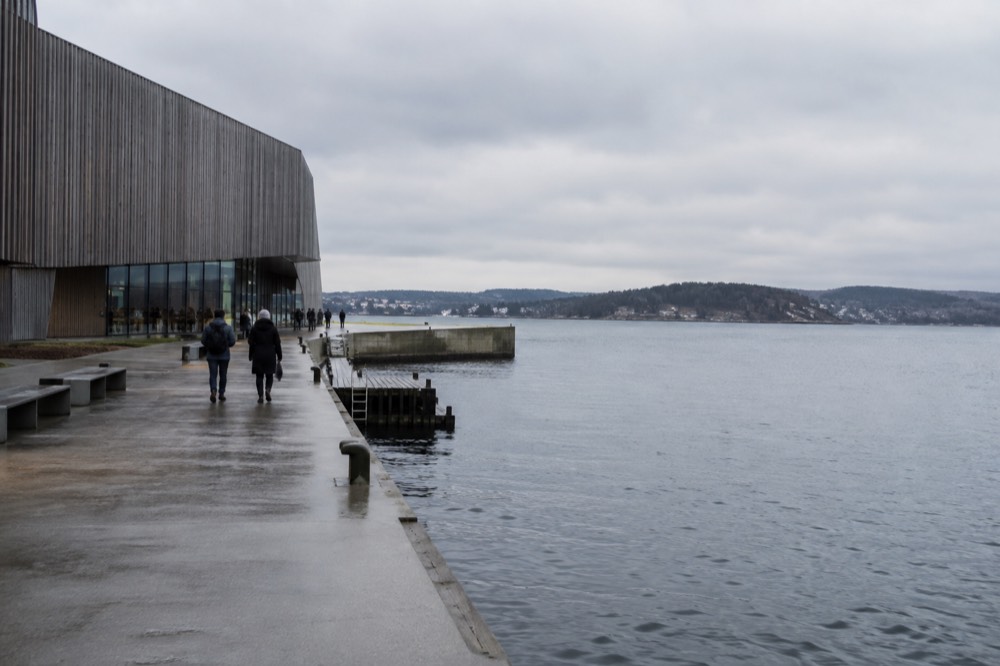
In the city centre, the National Museum holds The Scream alongside the rest of the national collection, and MUNCH in Bjørvika holds the artist's bequest. MUNCH costs 280 NOK for a daytime adult ticket, dropping to 200 NOK after 18:00, with under-25s paying 100 NOK and under-18s free. The Oslo Pass, at 580 NOK for 24 hours, covers all of these and the transport to reach them, which is why the pass math is worth doing before you buy a single museum ticket.
| Museum | Adult price | What makes it famous | Location |
|---|---|---|---|
| Fram Museum | 180 NOK | The original polar ship Fram | Bygdøynes, Bygdøy |
| Kon-Tiki Museum | 180 NOK | Thor Heyerdahl's Pacific raft | Bygdøynes, Bygdøy |
| Norsk Folkemuseum | 200 NOK | Open-air history, stave church | Dronningen, Bygdøy |
| MUNCH | 280 NOK (200 after 18:00) | Largest Munch collection | Bjørvika |
| Vigeland Museum | 120 NOK | Gustav Vigeland's studio and plaster originals | Frogner |
The sculpture park next to that last entry is the twist. Vigeland Park, the open-air collection of more than 200 granite and bronze figures by Gustav Vigeland, is free, open 24 hours a day, all year, with no ticket of any kind. It is one of Norway's most visited attractions and it costs nothing, which in this city is genuinely remarkable. The park's Monolith, a single stone carved into a column of intertwined human figures, is the image most visitors take home.
If museums are the reason you are booking, the fjord is the reason you are here at all, and the two combine easily. Our one day in Oslo itinerary sequences Bygdøy and the waterfront so you do not spend the day backtracking.
How Does the Oslofjord Shape Oslo's Fame?
The Oslofjord shapes Oslo's fame by making the city a water capital: an inlet that reaches far inland puts swimming beaches, campable islands and a working harbor inside the city limits, which almost no other European capital can claim. The ferry to Hovedøya, with its ruined Cistercian abbey, leaves from Aker Brygge on an ordinary public transport ticket, and in summer the islands of Gressholmen and Langøyene fill with swimmers and tents within sight of the opera house.
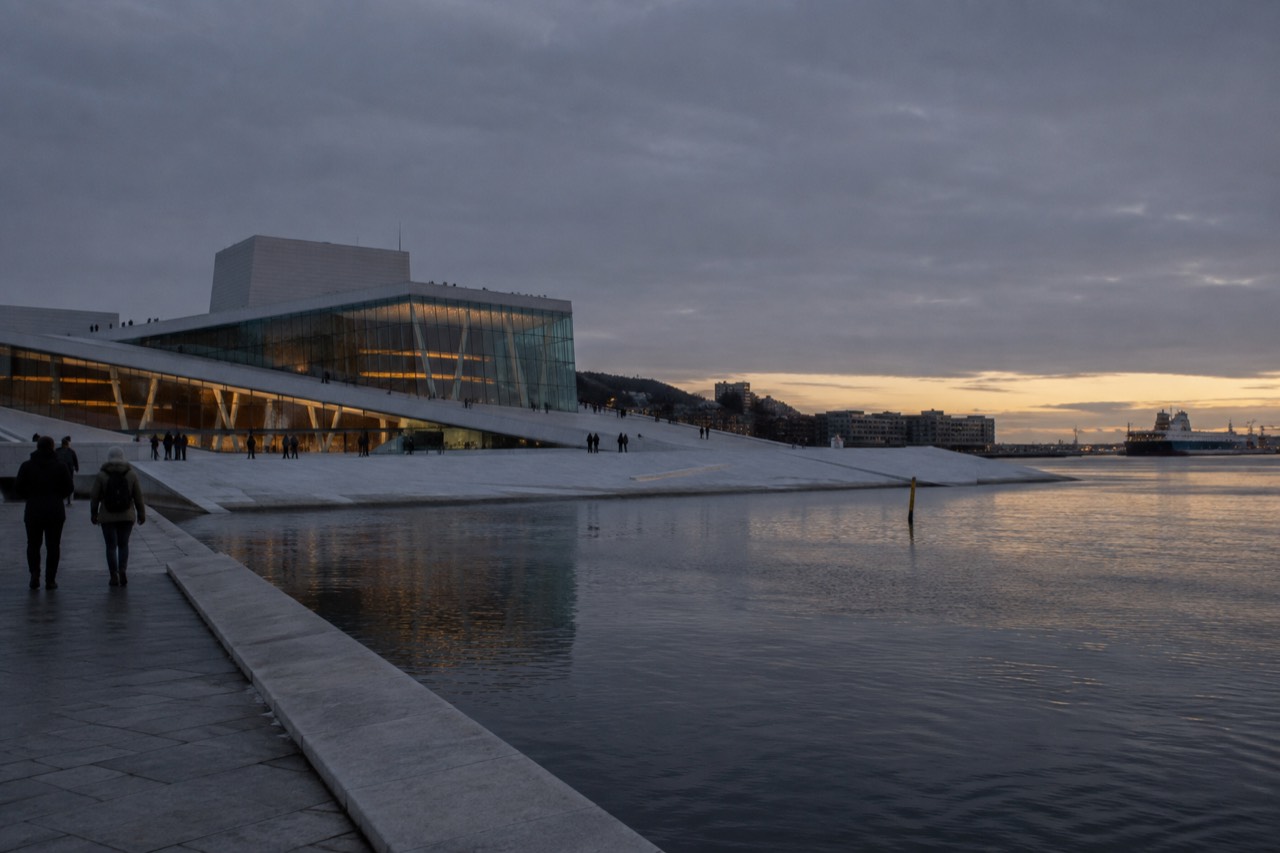
The water is also what the city shows the world. The Oslo Opera House, opened on the Bjørvika waterfront, was designed so that its sloping marble roof is a public plaza: anyone can walk up it, free, at any hour, and look back over the fjord. It has become the single most photographed building in Norway, and it succeeded the old harbor industrial belt of containers and cranes that stood there before. The full index of guides sits on Oslo Travel Guide. The full index of guides sits on Oslo Travel Guide.
The best way to understand the fjord's role is to be on it. The Silent Electric Boat cruise, a 90-minute trip with audio commentary, is the city's best-reviewed activity on any platform, rated 4.5 across thousands of reviews, from around $46. It runs on electric motors, so the trip is quiet enough to hear the shoreline, and it passes the islands, the fortress and the new waterfront in one loop.
There are other ways onto the water. A traditional wooden sailing ship runs a two-hour cruise on the same fjord at a similar price, and in the evening a shrimp-buffet dinner boat does a three-hour round. The island ferries, which are ordinary public transport, cost a standard zone 1 ticket and let you hop between Hovedøya, Gressholmen and the beaches of Langøyene all afternoon. The full set of options is laid out in our Oslofjord cruise guide, including which trips are worth the money in which season.
One caution belongs here because it is the most common wrong expectation: Oslo is not a northern lights destination. The aurora is genuinely rare at this latitude, and no tour product for it exists from the city. The famous Norwegian lights are a Tromsø trip, and pretending otherwise is how a visit disappoints.
Is Oslo Famous for Anything Unexpected?
Yes: Oslo is unexpectedly famous for winter sports inside the city, for its strict drinking laws, and for the cost of its alcohol. The Holmenkollen jump sits above a metro station, the Nordmarka forest above it holds groomed cross-country ski trails reachable by public transit, and a learn-to-ski half-day product exists in Oslo that no other European capital offers at that price. Meanwhile Statistics Norway puts alcohol and tobacco in Norway at more than double the European average, and the state monopoly Vinmonopolet is the only shop allowed to sell wine and spirits, closing all day Sunday and early on Saturdays. The winter sports and the drinking rules are both things visitors remember longer than the museums.
The winter side is the surprise for most visitors. The metro's line 1 ends at Frognerseteren, high above sea level and inside the forest, from where trails and the toboggan run start. In the city itself, the Akerselva river runs from the lakes down through old industrial districts, and you can paddle it on a guided packraft trip through the middle of town, which is an activity genuinely unique to this city.
The alcohol side is famous in a different way, as a warning. Beer above 4.7% ABV, all wine and all spirits are sold only at Vinmonopolet, supermarkets stop selling beer at a fixed evening cut-off, and a round of drinks in a bar costs what a meal costs in most of Europe. The practical response, buying at the duty-free on arrival, is why the airport's arrivals hall looks the way it does.
The honest summary, and the one this site exists to give, is that Oslo's fame for expense is real but narrow. Museums, public transport and the entire outdoor layer of the city, the fjord, the islands, the forest, the parks, are not unusually expensive at all, and much of it is free. The money goes to restaurants and bars, and a visitor who cooks sometimes and drinks moderately will find the city far cheaper than its reputation. The full breakdown, with the numbers, is in is Oslo expensive.
What Should You Actually Book to See Why Oslo Is Famous?
Book three things: a fjord cruise, a walking tour of the centre, and a Bygdøy museum ticket, because those three products cover the water, the Nobel city and the explorer history that make up Oslo's fame. The electric boat cruise handles the fjord, the free walking tour handles the City Hall, the Royal Palace and Karl Johans gate, and the Kon-Tiki ticket handles the maritime legacy. Everything else, from Vigeland Park to the opera house roof, is free and needs no booking at all, so the paid list stays short and the free list stays long.
The order matters less than the season. In summer, put the fjord trip in the afternoon and the walk in the morning, and use the long evening, the sun sets after 22:00 in June, for the islands. In winter, reverse it: daylight runs under six hours in December, so the outdoor time is precious and the museums fill the dark. The daylight swing here is enormous, from 5 hours 53 minutes on 21 December to 18 hours 50 minutes on 21 June, and it shapes every itinerary more than the temperature does.
For planning beyond those three, the things to do in Oslo page is the full inventory, and the Oslo museums guide covers every ticket and combination on Bygdøy and in the centre. If you have a spare half day, the Holmenkollen and Vigeland half-day tour is the only reliable way to reach both of those landmarks without a car, and it covers the two most famous free sights in one booked move.
Common Questions About Why Oslo Is Famous
why is oslo so famous?
Oslo is famous for the Nobel Peace Prize ceremony held in City Hall every 10 December, for Edvard Munch's The Scream, for its Viking and polar exploration history held in the Fram and Kon-Tiki museums, for the Oslofjord and its islands inside the city, and for the walkable roof of its opera house. It is also famous for being expensive, particularly alcohol and restaurants.
What is the most famous thing to see in Oslo?
The Vigeland sculpture park is the most visited attraction in Norway and it is free, open 24 hours a day. The Scream, at the National Museum, and the Nobel Peace Prize ceremony venue, Oslo City Hall, are the two most famous enclosed sights. The opera house roof is the most photographed building.
Is Oslo famous for the Nobel Peace Prize?
Yes. Alfred Nobel's will assigned the peace prize specifically to Oslo, and it has been awarded in the city every year for over a century, in a ceremony at Oslo City Hall on 10 December. The other Nobel prizes are awarded in Stockholm, which makes Oslo the sole Norwegian stop on the world's most famous prize circuit.
Can you see the Viking ships in Oslo?
Not currently. The Museum of the Viking Age on Bygdøy is closed for a major rebuild and will reopen in 2027. Until then, Viking-age objects are on display at the Historical Museum in the city centre, and the Viking Planet attraction offers a VR-based alternative. The Fram and Kon-Tiki museums remain open on Bygdøy.
Why is Oslo considered expensive?
Statistics Norway's 2025 survey puts the country sixth in Europe on price level, with household prices 28.6% above the EU average, food 33% above, and alcohol and tobacco more than double. Museums, public transport and the outdoors are not unusually expensive, and the main free sights, Vigeland Park and the opera house roof, cost nothing.
Is the Oslofjord a real fjord?
Yes, the Oslofjord is a real, long inlet that reaches roughly 100 km inland from the Skagerrak, and the city sits at its northern end. Its islands, including Hovedøya, Gressholmen and Langøyene, are inside the city boundary and reachable on ordinary public transport tickets, which is what makes Oslo unusual among European capitals.