What Should I Not Miss in Oslo?
The honest shortlist of what not to miss in Oslo: the fjord from the water, the Bygdøy museums, Vigeland Park, Grünerløkka and the Opera House roof, with real prices and timings.
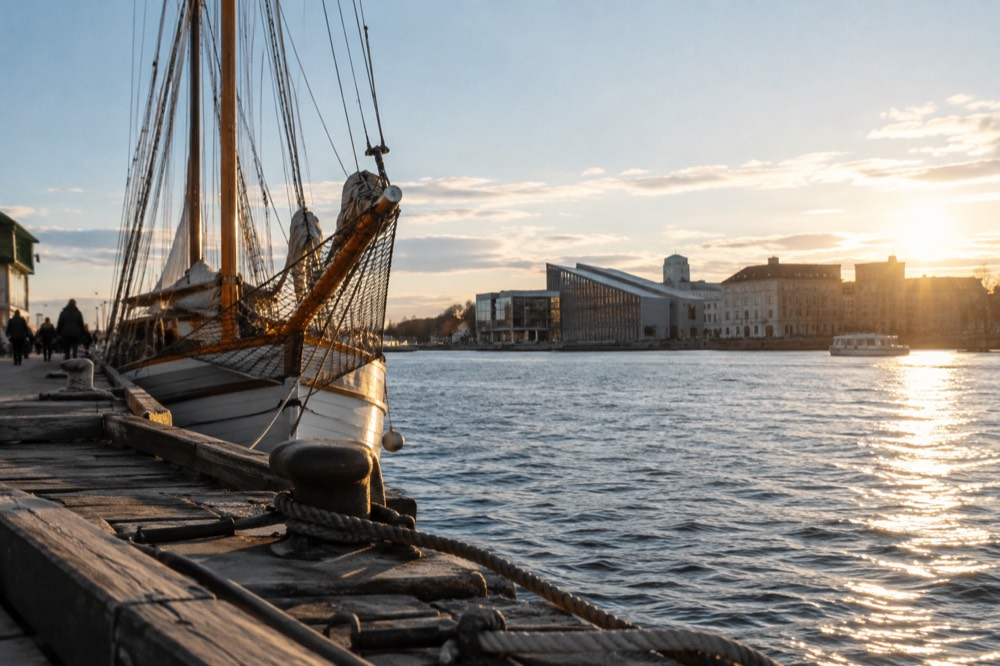
What Should I Not Miss in Oslo?
If you only have two days, do not miss four things: get out on the Oslofjord on a boat, spend half a day on the Bygdøy museum peninsula, walk Vigeland Park while it is free and always open, and give an evening to Grünerløkka for food and neighborhood life. Add the Opera House roof, which costs nothing, and the Fram or Kon-Tiki Museum at 180 NOK each, and you have the core of the city covered.
That list is shorter than most, and that is deliberate. Oslo punishes the checklist traveler. The city's headline museums sit on a peninsula that eats half a day, its best neighborhood has no single sight in it, and its most famous experience, the fjord, is not a place you visit but a thing you ride across. Visitors who try to do everything end up doing a lot of transit and very little Oslo.
The other reason to keep the list tight is that Oslo's genuine strengths are unusually cheap or free. The sculpture park is free around the clock. The Opera House roof is a public plaza. The island ferries ride on an ordinary transit ticket. The money, when it leaves your account, mostly leaves at restaurants and bars, which is a different problem covered on our Oslo on a budget guide.
This article walks the four essentials in the order a first-time visitor should actually attempt them, then covers the near-misses, the things people regret skipping, and the one big closure that still catches thousands of travelers every month.
Why the Fjord Comes First
The Oslofjord is the single thing that makes Oslo different from every other Scandinavian capital, and you only understand it from the water. The city sits at the head of a long fjord, forested islands sit 15 minutes from the town hall, and the default way to see it is a 90-minute silent electric boat trip that is the best-reviewed activity in the city on either platform.
Skip the water and you have seen a city; take it and you have seen why the city is where it is.
The numbers behind that claim are not subtle. The Silent Electric Boat, Audio Guide trip carries a 4.5 rating across 6,664 reviews, which makes it the most-reviewed single activity in Oslo. It runs an hour and a half, which fits between two museum visits, and the electric drive means the boat glides rather than drones, which matters more than you would expect when the whole point is the shoreline.
There are two strong alternatives if the electric boat does not suit. The Traditional Wooden Sailing Ship trip runs two hours on a classic wooden vessel, the same 4.5 rating across 6,138 reviews, and it is a genuinely different experience: canvas, rigging and a deck rather than a glass-quiet cabin. If you want a fuller day, the Ferry-and-Foot Island Hopping tour, 195 minutes, rated 4.8 across 3,296 reviews, puts you on the public island ferries with a guide, and the islands it reaches are the ones locals swim off in July.
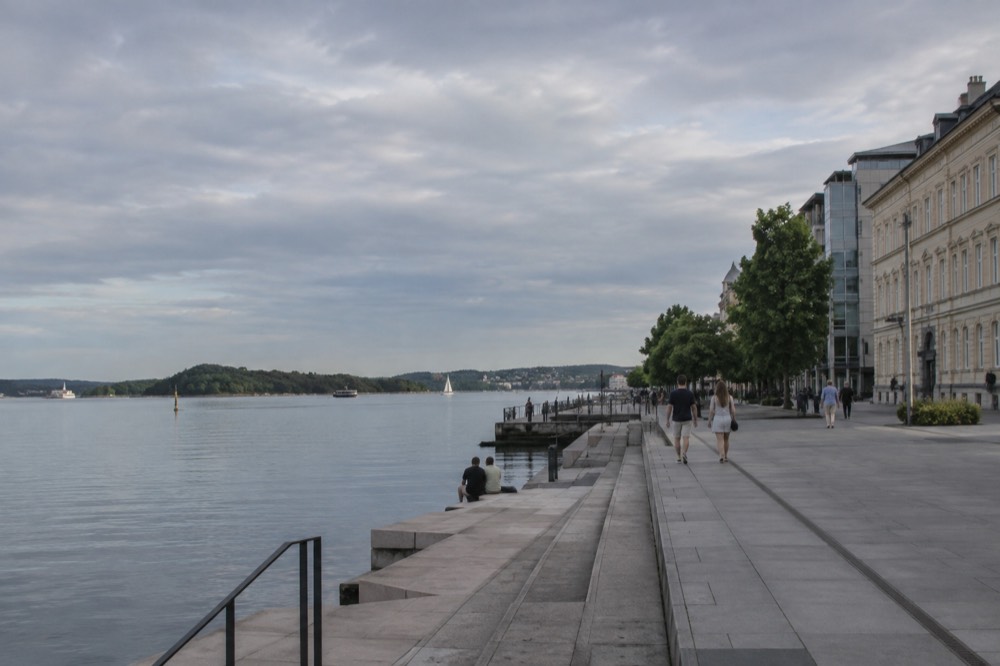
One planning note that most guides get wrong: the Bygdøy museum ferry and the Oslofjord island ferries are two different systems. The island ferries, lines B1, B1X and B2, are ordinary Ruter services from Aker Brygge and ride on a normal transit ticket. The Bygdøy ferry is a separate seasonal operator from Rådhusbrygge 3, running 14 March to 4 October, roughly 70 NOK one way, and Ruter tickets are not valid on it, though the Oslo Pass is. Swapping the two piers is the classic first-day mistake. Our Oslo ferries guide has the full breakdown.
Bygdøy: The Museum Peninsula That Deserves Half a Day
Bygdøy is where Oslo keeps its best museums, and the mistake is trying to see them all. Kon-Tiki and the Fram Museum sit side by side at the Bygdøynes pier, 180 NOK each or 325 NOK combined, and the Norwegian Museum of Cultural History anchors the other end of the peninsula. Two museums plus the boat ride is a full half-day done properly; four museums is a blur of glass cases and missed ferries.
The Fram is the stronger of the two maritime museums for most visitors. You walk aboard the actual ship that carried Fridtjof Nansen and Roald Amundsen into the polar ice, and the interior is fitted out as it sailed. Kon-Tiki, next door, holds Thor Heyerdahl's balsa raft and the reed boats that followed. Children tend to flip the ranking, because Kon-Tiki is brighter and shorter. Either way, the combination ticket at 325 NOK saves 35 NOK over two singles, and both are covered by the Oslo Pass.
The one thing you cannot do on Bygdøy is see the Viking ships. The former Viking Ship Museum closed in 2021 and will reopen as the Museum of the Viking Age in 2027, and no month has been confirmed. Several listings elsewhere online still sell entry to a closed building, which is why we point people to our page on the Viking museum closure rather than to a ticket. Until 2027, Viking Planet in the city center, a VR-based Viking experience, is the honest substitute, and Viking-age objects are also on display at the Historical Museum in central Oslo.
Getting there is part of the fun. In season, the ferry from Rådhusbrygge 3 takes ten minutes to the first stop and runs every 20; out of season, Ruter bus 30 serves all the museum stops year-round on an ordinary ticket. Dronningen pier serves the Cultural History Museum and Oscarshall; Bygdøynes serves Kon-Tiki, Fram and the Maritime Museum. The two piers are a 15 to 25 minute walk apart along the peninsula paths, which is itself one of the nicer walks in the city.
Vigeland Park and the Free Icons
Vigeland Park is Oslo's most visited sight, it is free, and it is open 24 hours a day, every day of the year. More than 200 granite and bronze sculptures by Gustav Vigeland line a formal axis in Frogner Park, culminating in the Monolith, a single carved column of intertwined human figures. It costs nothing, needs no booking, and is the one unmissable sight that fits any schedule, any budget and any weather.
The park is a ten-minute walk from Majorstuen or a short tram ride west of the center, and most people give it 45 minutes to an hour. The Sculpture Bridge with its angry-boy statue, the fountain, and the Monolith itself are the three photo stops, but the surrounding Frogner Park is where Oslo actually lives: joggers, picnics, and in winter, people skiing across the lawns under the sculptures. The separate Vigeland Museum at the park's south end is paid, 120 NOK, and worth it only if the outdoor work leaves you wanting the plaster models and the story. Everything else covered here is indexed on Oslo Travel Guide. Everything else covered here is indexed on Oslo Travel Guide.
The other free icon needs even less effort. The Opera House roof is a public plaza, walkable in ordinary shoes, sloping straight off the waterfront at Bjørvika, and it is the best free view in the center at sunset. Combine it with MUNCH next door if you have the energy, adult admission 280 NOK, or 200 NOK after 18:00, and under-25s pay 100. Our MUNCH museum guide covers whether it earns its price for a first visit.
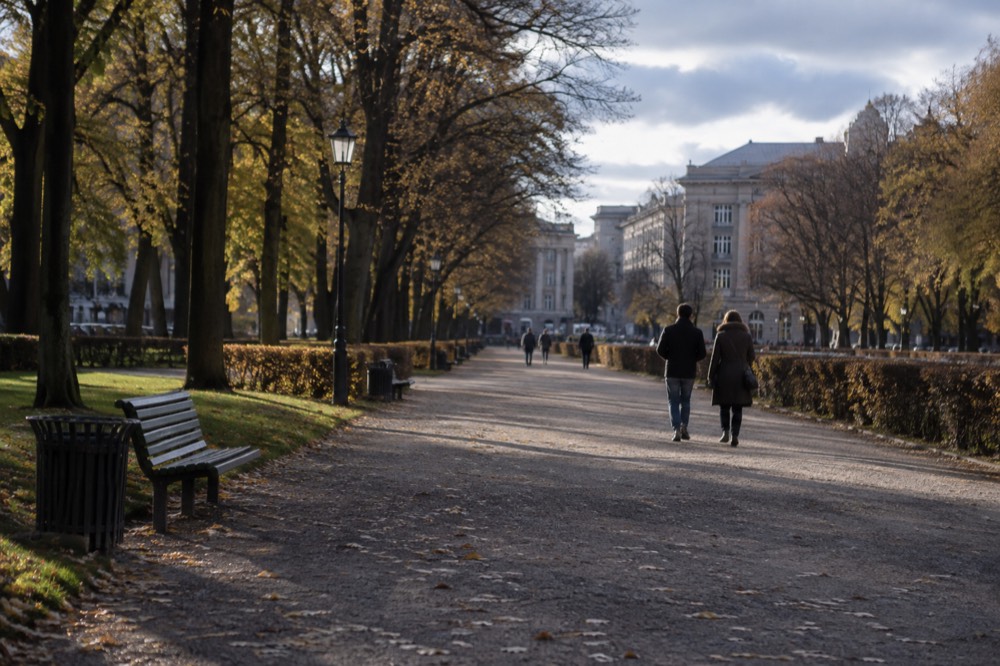
Between the two, consider Karl Johans gate, the parade street from Central Station to the Royal Palace. It is touristy and fine for exactly one walk, ideally during the daily changing of the guard at the Palace around 13:30. The street itself is less the point than what it connects: the Cathedral, the Parliament, the University and the National Theatre, all within a short stroll of each other.
Grünerløkka and the Neighborhoods People Regret Skipping
If you ask returning visitors what they wish they had done differently, the most common answer is not a museum, it is a neighborhood: Grünerløkka, Oslo's former workers' district turned café-and-vintage quarter east of the river. The reason it gets skipped is structural, it has no single famous sight, and the reason it gets missed is that first-timers never cross the Akerselva river at all. Give it an evening, or a slow morning, and it becomes the part of Oslo they talk about.
The district runs along the river, and the walk itself, following the Akerselva past waterfalls, old factory buildings and murals from Grünerløkka down to the city center, is one of the best free walks in Scandinavia. Mathallen, the indoor food hall in an old ironworks, is the natural refueling stop. Around it: independent shops on Markveien and Thorvald Meyers gate, coffee that holds its own against anywhere in the Nordics, and a bar scene that runs late by Norwegian standards.
For structure, a food tour does the neighborhood properly. The Grünerløkka Food Culture Walking Tour, two and a half hours, rated 4.5 across 249 reviews, is built around exactly this district, and the City-Centre Norwegian Food Walk, three hours at 4.7, covers the downtown half of the same story. Both are priced like serious food tours, and both are worth it only if you actually want to eat your way through the district rather than graze it.
The other east-side call is simpler: Tøyen. The Botanical Garden is free and lovely in any season, and the Munch Museum's old neighborhood has a younger, less polished energy than the west. If your time is short, though, Grünerløkka first, always. Our Grünerløkka area guide has the street-by-street detail.
What People Actually Regret Missing
Beyond the four essentials, the pattern in guest reviews and repeat-visitor conversations is consistent: travelers regret skipping the things Oslo does that other capitals cannot. A forest that starts inside the metro system, an evening on the water with food, and the seasonal experiences, snowshoeing or a torchlit forest walk in winter, that only exist because the city borders Nordmarka. Nobody regrets a fourth art museum; plenty regret never leaving the museum district.
The forest is the clearest case. Metro Line 1 ends at Frognerseteren, and from there the marked trails of Nordmarka begin immediately. In summer that means a half-day hike with a fjord view; in winter it means groomed cross-country ski trails within sight of the city, and the Korketrekkeren toboggan run back down. The Fjord-View Hike with chef-cooked forest waffles, three and a half hours, carries a perfect 5.0 rating across 211 reviews, and the Guided Snowshoeing trip, same duration at 4.8, is the winter counterpart.
Evening is the other underused slot. The Evening Cruise with Shrimp Buffet, three hours, 4.5 across 2,115 reviews, is a Norwegian institution rather than a generic dinner boat, and in summer it runs while the sun is still high at 21:00. In the dark months, October to March, the equivalent move is the Evening Myths and Legends Walk, 4.8 across 510 reviews, which does the city center by lamplight and stories.
For a one-page summary of everything bookable, our things to do in Oslo hub is the full directory, and the is the Oslo Pass worth it page runs the pass math properly.
How to Fit the Essentials Into Two or Three Days
Two days is enough for the core: day one, a walking tour of the center plus the Opera House and MUNCH, with the evening cruise; day two, Bygdøy in the morning, Vigeland Park mid-afternoon, Grünerløkka for dinner. Three days adds the forest and a slow island afternoon. The failure mode is not running out of things to do, it is stacking three museums into one morning and spending the afternoon too tired to enjoy any of them.
| Day | Morning | Afternoon | Evening |
|---|---|---|---|
| Day 1 | Free walking tour of the center, Opera House roof | MUNCH or the National Museum | Fjord evening cruise, or Grünerløkka dinner |
| Day 2 | Ferry to Bygdøy, Kon-Tiki and Fram | Bus 30 back, Vigeland Park | Grünerløkka or Karl Johans gate |
| Day 3 | Metro to Frognerseteren, forest hike or snowshoeing | Island ferry to Hovedøya or Langøyene | Myths and legends walk, or bars in Grünerløkka |
A few practical notes make that table work. The free walking tours in Oslo are genuinely good and genuinely free, tip-based, with the largest carrying a 4.68 rating across 2,150 reviews; they are the cheapest possible first orientation and the guides work for the tip. The Budget Central Walking Tour at 4.7 across 1,678 reviews is the paid equivalent if you prefer a smaller, fixed-price group.
Transport barely needs planning. Central Oslo is zone 1 on Ruter, the metro, trams, buses and island ferries all take the same ticket, and the app is the cheapest way to buy. If you are museum-heavy, the Oslo Pass at 580 NOK for 24 hours covers over 30 museums plus all of that transport, and the break-even math is real: three Bygdøy museums alone at full price is 560 NOK before you have gone anywhere.
One honest closing note from the editorial desk at oslotravelguide.com: Oslo rewards fewer, better choices. The visitors who leave happiest are the ones who picked a boat, a peninsula, a park and a neighborhood, and did each of them at walking speed. The city is small enough that you will be back, and the fjord will still be there.
Common Questions About What Not to Miss in Oslo
what should i not miss in oslo?
Do not miss the Oslofjord from the water, the Bygdøy museum peninsula, Vigeland Park, and Grünerløkka. Add the free Opera House roof and, if you have a third day, the forest at the end of Metro Line 1. Two of the four essentials cost nothing at all.
Can I see the Viking ships in Oslo?
No. The former Viking Ship Museum on Bygdøy closed in 2021 and will reopen as the Museum of the Viking Age in 2027, with no confirmed month. Until then, Viking-age objects are displayed at the Historical Museum in central Oslo, and Viking Planet offers a VR-based Viking experience.
Is the Oslofjord cruise worth it if I am only in town one day?
Yes. The standard electric boat trip is 90 minutes, fits between other plans, and carries a 4.5 rating across 6,664 reviews, the most-reviewed activity in the city. If you only do one paid thing in Oslo, the reviews say make it this one.
How much time does Bygdøy need?
Half a day. The ferry takes ten minutes to the first stop, and Kon-Tiki plus the Fram Museum, 180 NOK each or 325 NOK combined, fill a morning comfortably. Adding the Norwegian Museum of Cultural History at the other end of the peninsula pushes it to a full day.
What is free in Oslo that I should not miss?
Vigeland Park, open 24 hours year-round with over 200 sculptures; the Opera House roof; the Akerselva river walk; the Botanical Garden at Tøyen; and the island ferries' destinations, Hovedøya and its abbey ruins, which cost only an ordinary transit ticket.
Should I skip the museums for the neighborhoods?
No, split them. Oslo's museums are genuinely world-class and clustered, so one concentrated museum half-day on Bygdøy covers the essentials, then trade the rest of your time to Grünerløkka, the river and the forest, which is where the city's daily life actually happens.