Is It Expensive to Eat in Oslo?
Yes, eating in Oslo is expensive by EU standards, but the cost concentrates in alcohol and sit-down dinners. Here is where the money goes and how to eat well for less.
Is It Expensive to Eat in Oslo?
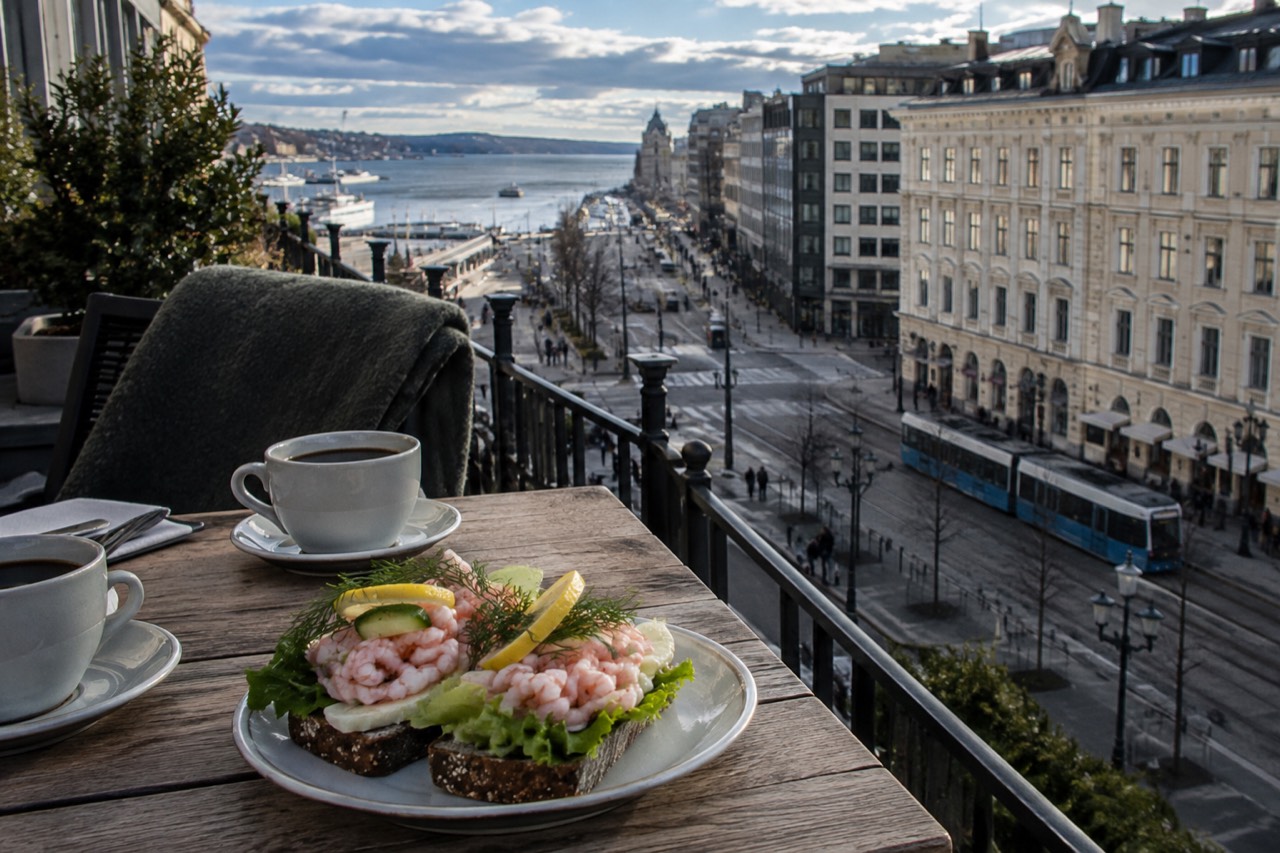
Yes, by European standards, though the sting is unevenly spread. Norway is the sixth most expensive country in Europe, and food sits well above the EU average, so a sit-down dinner with drinks costs like Copenhagen rather than Stockholm. A supermarket lunch, a food hall stall or a picnic from a grocery store stays entirely manageable, and the gap between those two ways of eating is the real story.
The honest answer has two halves, and most guides only hand you one. A restaurant bill in Oslo will startle a visitor arriving from Berlin or Lisbon. That same startle does not follow you into a bakery, a grocery store or a museum cafe, because the Norwegian price level is punishing in some categories and merely ordinary in others.
The numbers behind that split come from Statistics Norway, the state statistics agency, which runs a European price-level comparison covering the whole Norwegian household basket. Its 2025 survey is the anchor for this page. Read closely, it explains exactly where a food budget breaks and where it quietly holds.
What an index cannot capture is strategy. A visitor who shops where locals shop and treats a restaurant meal as an occasion spends far less than one who sits down for every meal of the trip. That difference in habit is worth more than any single price on any single menu, and it is the difference between leaving Oslo feeling fleeced and leaving feeling fed.
Every cost figure on Oslo Travel Guide is tied to a primary source for exactly this reason. Cost claims are where travel content goes wrong most often, either by inventing a number that was never true or by repeating one that stopped being true years ago. For transport, museums and the wider picture, read whether Oslo is expensive overall; this page stays on the plate.
Why Is Eating in Oslo So Expensive?
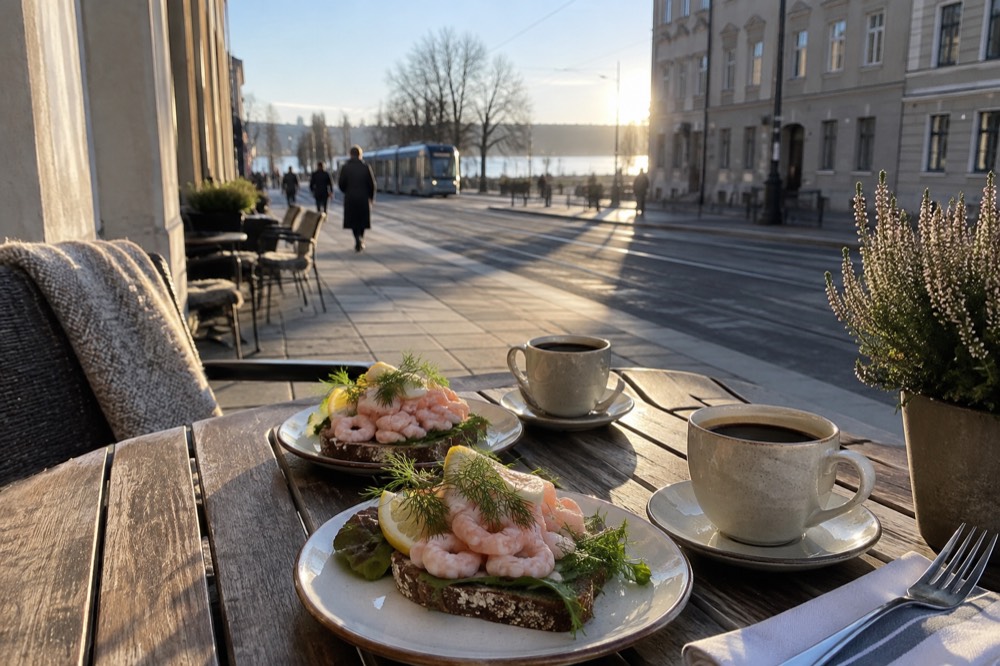
Because wages, taxes and alcohol policy all land on the menu at once. Statistics Norway's 2025 price-level survey puts household prices 28.6% above the EU average, food and non-alcoholic drinks 33% above, and alcohol and tobacco at more than double the European norm. Restaurants carry costs most visitors never see, and the state monopoly adds a second layer to anything stronger than supermarket beer.
The survey measures relative prices across Europe, not the price of a specific plate, which is why this page quotes indexes rather than menu prices. An index figure is defensible and stays meaningful for years. A "typical dinner costs X" figure is usually invented on the day it was typed, and it starts going stale the moment it is published.
| Category | Norway against the EU average | What it means at the table |
|---|---|---|
| Overall price level | Sixth most expensive in Europe; household prices 28.6% above the EU | Oslo is dear, but not uniformly |
| Food and non-alcoholic drinks | 33% above the European average | Groceries and cafe food are the steady, everyday drag |
| Alcohol and tobacco | More than double the European average | Bar rounds and wine with dinner are the budget killers |
| Restaurants and hotels | Norway sits above Sweden; Denmark is marginally above Norway | A sit-down dinner costs like Copenhagen, not Stockholm |
Read the alcohol line twice, because it is the single biggest gap in the entire comparison. Nothing else in the Norwegian basket comes close to doubling the European norm. That one number is the reason a beer with dinner feels like a decision in Oslo and an afterthought almost anywhere further south in Europe.
The restaurant line is milder than the city's reputation suggests. Norway sits above Sweden on restaurants and hotels, and Denmark is only marginally above Norway. In plain terms, a dinner in Oslo costs roughly what a dinner in Copenhagen costs. Expensive, yes. A different planet, no. The beer price is the different planet.
One structural point completes the picture. Norwegian restaurant staff are paid properly and do not work for tips the way American servers do, so the wage floor that keeps a dining room staffed also sits inside the menu prices. That is part of what you are buying when you sit down, and it is also why the low end of the Oslo food scene works so well by comparison.
How Do You Eat in Oslo Without Overspending?
Shop where locals shop, eat where the food is the point rather than the room, and treat alcohol as the splurge it is. A supermarket lunch, a bakery stop, a Mathallen stall or a street-food window all feed you for a fraction of a restaurant dinner, and a grocery picnic by the Oslofjord costs less than any cafe table with a view.
The grocery store is the single biggest saver available. Chains like Rema and Coop sell simple, decent food at prices that feel European rather than Scandinavian, and a roll, some cheese, fruit and a drink from a supermarket is the cheapest real meal in the city. Norwegians do this themselves constantly; the office lunch culture leans on packed food and simple shop-bought items far more than restaurant lunches.
Bakeries are the second lever. Oslo takes its bread seriously, and a bakery window in the morning sells the best value calories in the city. Pair that with the fact that Oslo is a genuine coffee town, where the coffee is good enough that a cafe stop is about the drink rather than the seat, and the low end of a food day can be genuinely enjoyable rather than a sacrifice.
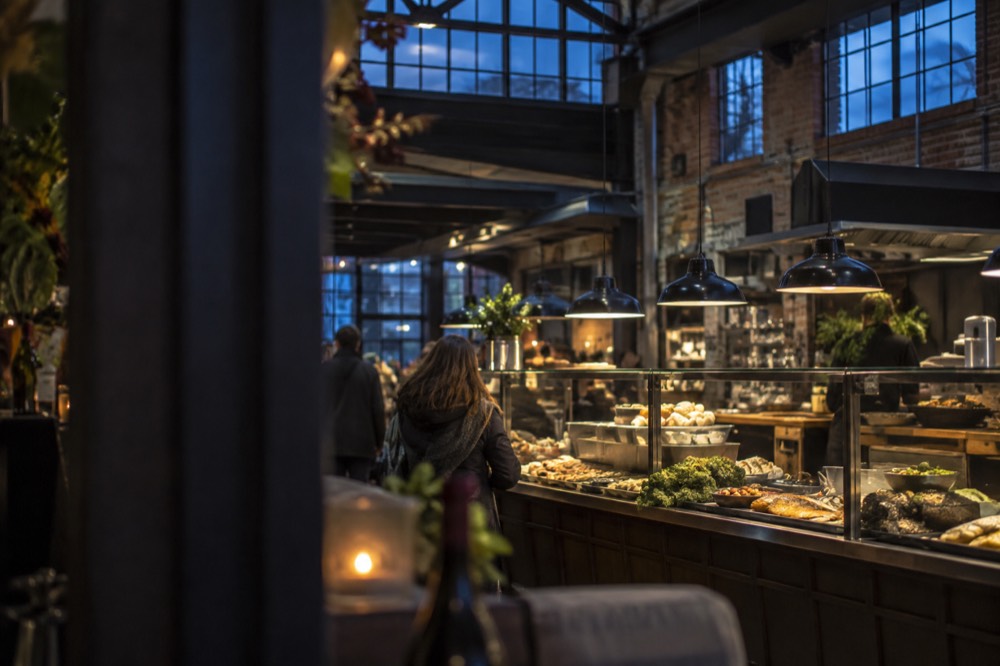
For a step up without a full restaurant bill, head for the food halls and street-food windows. The Mathallen food hall in Grünerløkka gathers small kitchens under one roof, so a group can split up, order differently and still eat together, and the street-food scene around the center does the same job at a window. The full rundown, venue by venue, is in the guide to cheap eats across the city.
Then there is the picnic option, which Oslo is unusually good at. The harbor, the islands and the parks are all free to sit in, and a bag of supermarket food eaten on a bench over the Oslofjord is a meal with a million-dollar view attached at no extra charge. On a long summer evening, when the light holds until late, this is not a compromise; it is the local move.
One more way to spend on food with the cost fixed in advance is to book an experience that includes the eating. A guided food walk, a dinner cruise or a beer walk prices your evening before it starts, so nothing on the menu can surprise you, and a local stands between you and the expensive mistakes. For a food-budget question, these are the three formats that fit best.
Of those three, the neighborhood food walk is the one that doubles as a genuine money strategy. The Grünerløkka food culture walk spends two and a half hours on the east side's most interesting tables and counters, which is exactly the part of the city where a visitor otherwise drifts into random choices at random prices. A guide who knows which counter is worth it and which is tourist-priced is worth real money in a city where the average bill punishes improvisation.
Is a Food Tour Worth the Money in Oslo?
For many visitors, yes, because a food tour converts your most expensive hours into a fixed, known cost and puts a local between you and the menu. The question worth asking is what a tour replaces. If it stands in for a dinner you would have bought anyway, the math often works. If it stacks on top of three restaurant meals, it is entertainment, not savings.
The logic is easiest to see with numbers you already control. A tour price is locked when you book. A restaurant evening in Oslo is not, because the menu arrives after you are seated, the wine list arrives after that, and the alcohol line of the price survey is the one running at more than double the European norm. Fixing the cost first removes the only variable that can really hurt.
The Grünerløkka food culture walk is the strongest of the set for this purpose, covering the neighborhood's best counters with a local who knows which ones are worth the money. Check availability if the east side is on your list. The other two formats answer different versions of the same question.
| Experience | Format | Duration |
|---|---|---|
| Grünerløkka Neighbourhood Food Walk | Guided walking food tour | 2h 30m |
| Evening Cruise, Shrimp Buffet | Fjord dinner cruise | 3h |
| Beer and Culture Walk | Guided drinks and city walk | 3h |
The shrimp buffet evening cruise replaces a dinner outright: three hours on the water with the meal built in, and the fjord view that a waterfront restaurant would charge a premium for comes with the boat. The beer and culture walk takes the opposite approach. It spends deliberately on the single most expensive category in the Norwegian basket, with a guide who knows where the money is best spent, and it is covered in more detail further down this page.
Whichever format fits, the booking terms are forgiving, with free cancellation available on these experiences, so the fixed-cost argument can be made early in a trip and adjusted later without penalty.
Is Alcohol the Real Budget Killer in Oslo?
Yes, and it is not close. Alcohol and tobacco are the category in Statistics Norway's comparison that runs at more than double the EU average, and the state monopoly adds friction on top of the price: wine and spirits are sold in one type of shop only, and it closes on Sundays. Beer in a bar is where an Oslo budget dies first.
The system behind that number is worth understanding, because it shapes every evening in the city. Vinmonopolet, the state monopoly, is the only shop in Norway allowed to sell wine, spirits and beer above the supermarket strength limit. It keeps short hours, closes early on Saturdays and stays shut on Sundays and public holidays, and hours vary by store. None of this is a quirk to photograph; it is the reason a bottle of wine is a planned purchase rather than a spontaneous one.
| Where | What it sells | The rule that matters |
|---|---|---|
| Vinmonopolet, the state monopoly | Wine, spirits and strong beer | The only shop allowed to sell them; closed Sundays and public holidays, early close on Saturdays, hours vary by store |
| Supermarkets and convenience stores | Beer and cider up to the supermarket strength limit | Sales stop at a fixed evening time, and nothing stronger sits on the shelf at all |
| Duty-free on arrival | Wine and spirits at arrival prices | Norway is in Schengen but outside the EU and its VAT zone, so allowances apply on arrival |
That third line is the practical loophole most visitors never hear about. Because Norway sits outside the EU customs union and outside EU VAT, arriving passengers get duty-free allowances even when flying in from an EU country. Plenty of experienced Norway travelers plan around exactly this, and it is the single most effective way to soften the alcohol line of the survey without changing anything else about the trip.
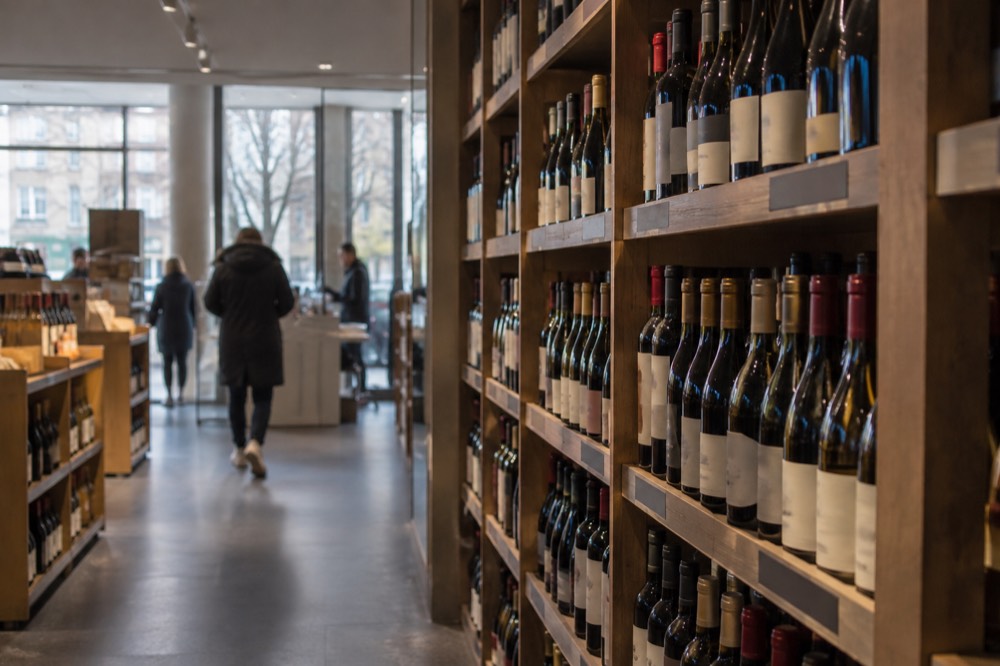
For the bar side of the question, the details are in the guide to what a beer costs in Oslo, which covers the whole ladder from supermarket shelf to bar tap. The short version is that the gap between those two ends is wider in Oslo than almost anywhere in Europe, and every step up that ladder is a deliberate choice.
The one way to spend on that category without guessing is the beer and culture walk, which pairs the city's drinking culture with a guide who knows where the money goes. In a city where the state decides where and when you can buy, a guided route through it is genuinely useful rather than a novelty.
Do You Tip on Top of the Bill in Oslo?
No, not as an obligation. Service is built into Norwegian menu prices, so nobody on the floor is depending on your tip the way American servers do. Rounding up, or leaving a little for genuinely good service, is common and voluntary, and a card terminal may show a prompt that you can decline without a second thought.
This matters for the cost question more than it first appears. In the United States, the menu price is only part of the bill, because twenty percent arrives after the plates are cleared. In Oslo, the number on the menu is the number you pay. A dinner that looks expensive next to a Lisbon menu can end up closer to the final American total than the raw comparison suggests.
It also removes a whole category of travel stress. There is no arithmetic at the table, no judgment about what the server "needs" and no cultural penalty for paying exactly what is asked. If a meal was good, round up or leave a note; if it was ordinary, pay the bill and go. Norwegians themselves mostly do exactly that.
The full breakdown of when a tip is normal, what card terminals will ask you and how taxis and hotel staff fit in is in the guide to tipping etiquette in Oslo. For the food budget, the short version above is all you need: the menu price is the real price.
So the original question turns on a fork. Eat and drink like a restaurant reviewer, and Oslo will feel like the sixth most expensive country in Europe, because it is. Shop like a local, picnic like a local, fix your big evenings in advance, and the food bill lands far closer to the rest of Europe than the city's reputation suggests. The expensive Oslo and the manageable Oslo are the same city, on the same day, separated only by how the meals are chosen.
Common Questions About Eating in Oslo
is it expensive to eat in oslo?
Yes, by European standards. Food and non-alcoholic drinks sit 33% above the EU average in Statistics Norway's 2025 survey, and alcohol costs more than double. The exception is the low end: grocery stores, bakeries and food hall stalls are far gentler on a budget than restaurants and bars.
Can you buy wine in an Oslo supermarket?
No. Supermarkets sell beer and cider only, up to the supermarket strength limit, and sales stop at a fixed evening time. Wine and spirits are sold at Vinmonopolet, the state monopoly, which closes on Sundays and public holidays.
What is the cheapest way to eat in Oslo?
Grocery store lunches, bakery items and food hall stalls. Mathallen in Grünerløkka and the street-food windows around the city center feed you for a fraction of a sit-down dinner, and a picnic by the Oslofjord costs almost nothing beyond the shopping.
Is service included in Oslo restaurant prices?
Yes. Service is built into the prices on the menu, and tipping is not expected. Rounding up or leaving a little for good service is a voluntary gesture, not an obligation, and card terminal prompts can be declined.
Is a food tour a good way to spend a food budget in Oslo?
It can be, because it fixes your cost in advance and puts a local between you and the menu. The Grünerløkka food culture walk, the shrimp buffet evening cruise and the beer and culture walk are the three formats that fit this question best.