How Much Is a Pint of Lager in Oslo?
The honest answer to what a pint of lager costs in Oslo, with verified price-level data, Norway's alcohol rules, and how to drink for less.
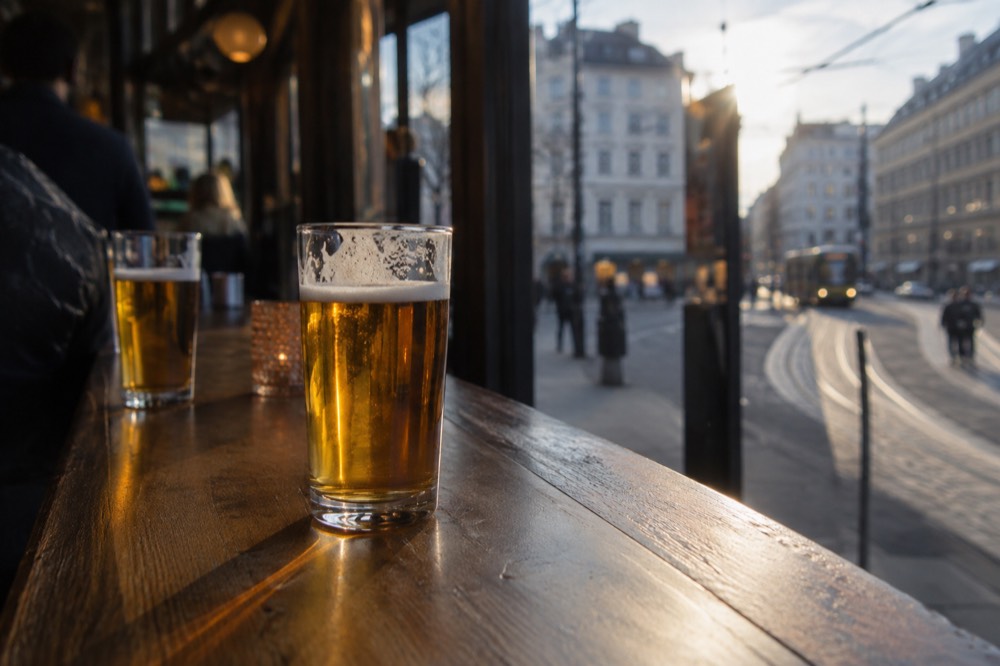
How Much Is a Pint of Lager in Oslo?
There is no single verified pint price in Oslo, and any guide that prints one to the krone is guessing. Bars and restaurants set their own prices, no official body publishes a city average, and the price swings enormously between a supermarket shelf and an Aker Brygge terrace. What is verified is the scale: Statistics Norway's 2025 price-level survey puts alcohol and tobacco at more than double the European average, so a lager in Oslo costs markedly more than in almost any city you are comparing it with.
That answer can feel like a dodge, so this page goes further than the usual "it's expensive" hand-waving. It explains exactly where the money goes, where the verified numbers do exist, what Norwegian alcohol law lets you buy and where, and how visitors who enjoy a beer manage it without wrecking a budget. The short version: the supermarket is your friend, the bar is a treat, and the state monopoly is a cultural experience in its own right.
How Much Is a Pint of Lager in Oslo?
Honest answer: expect to pay substantially more than anywhere in Western Europe you have drunk before, because Norway's official statistics put alcohol at more than double the EU average price level. A city-centre bar pour costs several times what the same beer costs in a supermarket a few streets away, and no official source publishes a krone figure for "a pint" anywhere in the city. Norway does not even use pints as a standard measure, so the glass you are quoted is in millilitres rather than imperial units, and the menu price reflects the serving you actually receive.
That last point matters more than visitors expect. Ordering "a pint" in Oslo will usually get you a large glass, sometimes a smaller pour, and the price difference between two serving sizes can be the difference between two price points on the menu. The measure, not just the venue, moves the number.
The reason no honest number exists is structural. Alcohol tax in Norway is levied per litre of pure alcohol at rates set nationally, but retail pricing is unregulated beyond that floor. A bar in Grünerløkka, a bar on Karl Johans gate and a waterfront terrace at Aker Brygge can all buy the same keg and sell it at wildly different margins, and they do. The only defensible way to answer the question is with the verified comparative data that does exist, which is what the rest of this page does.
Why Nobody Can Quote You an Exact Oslo Pint Price
Every krone figure for a specific pint in Oslo that you read online is either a single venue's menu, an outdated snapshot, or an invention, because no official body tracks retail beer prices by the glass in Norwegian bars. Statistics Norway publishes price-level indices, not menu prices, and the country's consumer price statistics aggregate alcohol into categories rather than tracking what a lager costs at the counter. So the honest number is a range, anchored by real, sourced comparisons rather than a made-up average that no one stands behind.
This is worth dwelling on because the internet is full of confident answers. Aggregator sites publish "average pint price" tables for cities worldwide, and those numbers are typically crowdsourced, unrefreshed and unverifiable. On a question this specific, a stale or crowd-guessed figure is worse than none: it sends you into a bar with a false expectation in one direction or the other.
What can be verified, and what this site's research pass confirmed directly, is the framework around the price:
| Factor | What is verified | How it moves the price you pay |
|---|---|---|
| Alcohol tax | Levied nationally per litre of pure alcohol | Sets a high floor for every serving, everywhere |
| Retail pricing | Unregulated above tax | Bars and shops price freely, spreads are wide |
| Measure served | Metric glasses in more than one size are standard, not imperial pints | A "pint" order may be either, at different prices |
| Venue type | Supermarket, bar, restaurant, hotel terrace each price separately | The same beer can vary several-fold across one afternoon |
The practical takeaway is simple. Treat any single figure you see quoted as one venue on one day, not as "the" price of a pint in Oslo. What you can plan around is the structure: tax sets the floor, the venue sets the rest, and the gap between a supermarket and a terrace is the single biggest lever on your beer spending.
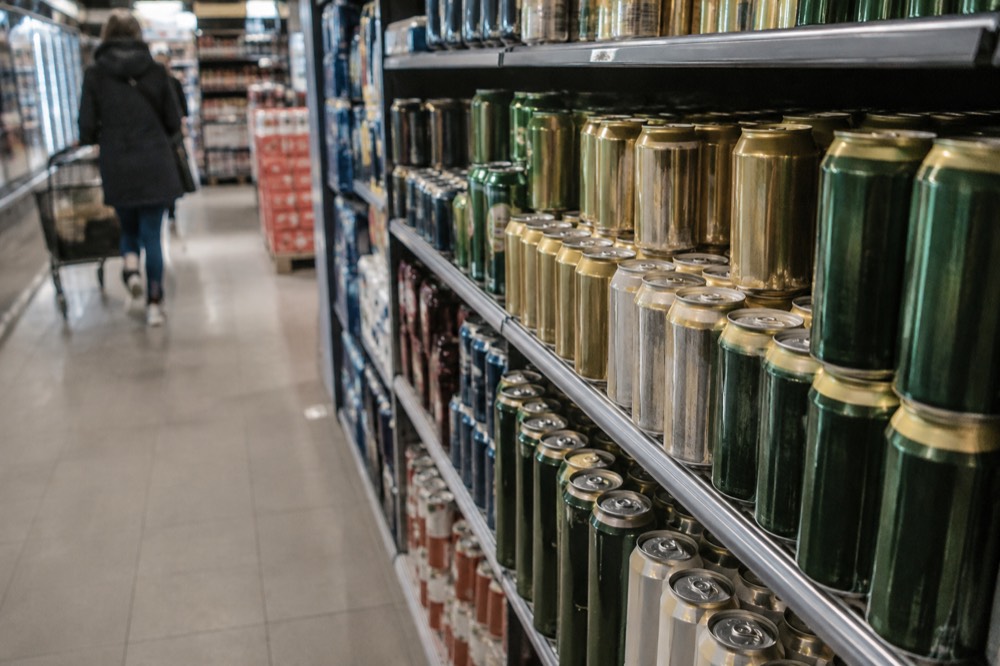
What Norway's Verified Price Data Actually Says
Statistics Norway's 2025 purchasing-power-parity survey, published 19 June 2026, ranks Norway the sixth most expensive country in Europe, with overall price levels for households 28.6 percent above the EU average and alcohol and tobacco more than double the European average. That last figure is the real answer to this question: whatever a lager costs where you live, the Oslo equivalent runs at a multiple of it, and the multiple is largest exactly in the category you are asking about, which is why the beer question comes up so often.
The food number matters too, because it explains the pattern visitors notice in Norwegian shops. Food and non-alcoholic drinks sit 33 percent above the European average, so the baseline grocery basket is already dear before alcohol tax is stacked on top. When a visitor says Oslo felt expensive, they are usually describing the compound effect of those two numbers landing on the same receipt.
Here is how the verified comparison breaks down:
| Category (SSB 2025 survey) | Norway vs European average |
|---|---|
| Overall household price level | +28.6% |
| Food and non-alcoholic drinks | +33% |
| Alcohol and tobacco | More than double |
| Overall European ranking | 6th most expensive country |
One nuance the survey carries and most summaries drop: restaurants and hotels in Norway sit close to Danish levels, and Denmark is marginally more expensive on that slice. So the "everything costs double" impression is really an alcohol-and-tobacco story, with food somewhat above average and much of the rest of daily spending merely high by European standards rather than extreme. The pint of lager sits squarely in the extreme part of the chart.
Where You Can Buy Beer in Oslo, and When
Supermarkets sell beer and cider only, only up to 4.7 percent ABV, and stop at a fixed evening cut-off time, while anything stronger, and all wine and spirits, is sold only at Vinmonopolet, the state monopoly, which closes early on Saturdays and is shut all day Sunday. This is the system that shapes every krone you spend on lager in Norway, and knowing it is worth more than any price list.
The supermarket rule is the budget traveller's best friend. Grocery chains across the city stock a decent range of Norwegian lagers, all under the 4.7 percent ceiling, and at a fraction of any bar's price. The catch is the clock: after the legally mandated evening cut-off, the chiller section closes, and no amount of charm reopens it. The exact cut-off time varies by municipality, so check locally rather than trusting a figure from another town. Everything else covered here is indexed on Oslo Travel Guide. Everything else covered here is indexed on Oslo Travel Guide.
Vinmonopolet is the only place to buy anything above the supermarket strength limit, plus all wine and spirits. Its hours are short by international standards, it closes early on Saturdays, and it is closed every Sunday and public holiday, including 17 May and Christmas Eve. Hours also vary by store, so the store finder on its own site is the reliable source. Many visitors treat a visit as a small cultural excursion, and the shops are genuinely well stocked and calmly run.
| Outlet | What it sells | Key restriction |
|---|---|---|
| Supermarkets | Beer and cider up to 4.7% ABV | Fixed evening sales cut-off, no Sunday beer sales in practice via limited opening |
| Vinmonopolet | All beer above 4.7%, all wine and spirits | Closed Sundays and public holidays, early Saturday close, hours vary by store |
| Bars and restaurants | Full-strength beer by the glass | Free pricing above tax, highest cost per serving |
Bars themselves operate under serving rules too, with licensing hours that end earlier than in most European capitals. The upshot is that Oslo's drinking day is front-loaded: an after-work beer culture, a busy early evening, and a hard stop rather than a long tail. If your plan was a midnight pint crawl, reset it toward a 5 pm terrace and an early night.
If the beer budget is starting to look grim, it helps to remember what else the same money buys in this city. The fjord is right there, and the water costs nothing to look at.
How Oslo Beer Prices Compare with the Rest of Europe
Against its neighbours, Norway's alcohol prices stand apart: the SSB survey shows alcohol and tobacco at more than double the European average, while Sweden sits below Norway on the overall index and Denmark edges it on restaurants and hotels. In plain terms, a lager in Oslo costs more than the same drink in Stockholm or Copenhagen, and vastly more than in Berlin or Prague, and that gap is deliberate policy rather than market whim, which is why it never closes on its own.
The driver is Norway's alcohol tax, which is among the highest in Europe and is levied per litre of pure alcohol regardless of where the drink is sold. That structure produces the counterintuitive result visitors keep noticing: the tax is a fixed floor, so it hits a cheap supermarket can proportionally harder than an expensive bar pour. The bar markup on top of the tax is what makes the terrace glass eye-watering, but the tax is why even the supermarket beer is not cheap by foreign standards.
It also explains the border behaviour Norwegians themselves exhibit. Cross-border shopping into Sweden for cheaper alcohol is a national institution, and the duty-free shop at Gardermoen does a brisk trade on arrival, because arriving visitors are allowed an alcohol allowance precisely because Norway is outside the EU customs union and outside EU VAT. Non-EU status cuts both ways: it makes the domestic shelf dear, and it makes the duty-free on the way in a genuine saving.
For context on how the rest of a Oslo budget behaves, the money does not spread evenly. Museums, public transport and the outdoors are the cheap pillars of a Oslo trip, and the full picture is laid out in is Oslo expensive for visitors, while the real cost of an Oslo trip itemises where the krone actually go.
Ways to Spend Less on Beer in Oslo
The three reliable levers are buying supermarket beer before the evening cut-off, drinking where locals drink rather than on the waterfront, and treating bar pours as occasional rather than default, because the price gap between a shop can and a terrace glass in Oslo is several-fold. None of this is hardship advice; it is how the city's own residents drink, and the after-work beer culture is built around it.
The geography matters. A terrace at Aker Brygge or Tjuvholmen carries the highest glass prices in the city, and that is before the premium venues of the hotel bars. Walk ten minutes inland to Grünerløkka or the streets around Youngstorget and the same beer costs meaningfully less. The neighbourhood itself is worth the walk, and the Grünerløkka guide covers where to base yourself if bar proximity is the point of the trip.
A few practical habits that hold up:
- Shop before the cut-off. An evening supermarket run for tomorrow's beer fails after the fixed end time, so buy in the afternoon.
- Drink at the bar counter rather than table service where both exist; counter pours are often priced below the seated menu.
- Look for the breweries' own outlets. Oslo's craft brewers run taprooms that undercut hotel bars for the same or better beer.
- Rethink the venue. A coffee in Oslo costs a fraction of a beer, and the city's café culture is one of its genuinely cheap pleasures.
The evening is also when the city's cheaper organised experiences run, and they solve the same problem from the other end: something to do that is not a bar. An evening cruise on the fjord with a shrimp buffet is the Norwegian institution here, and it costs about what two rounds on a Aker Brygge terrace would.
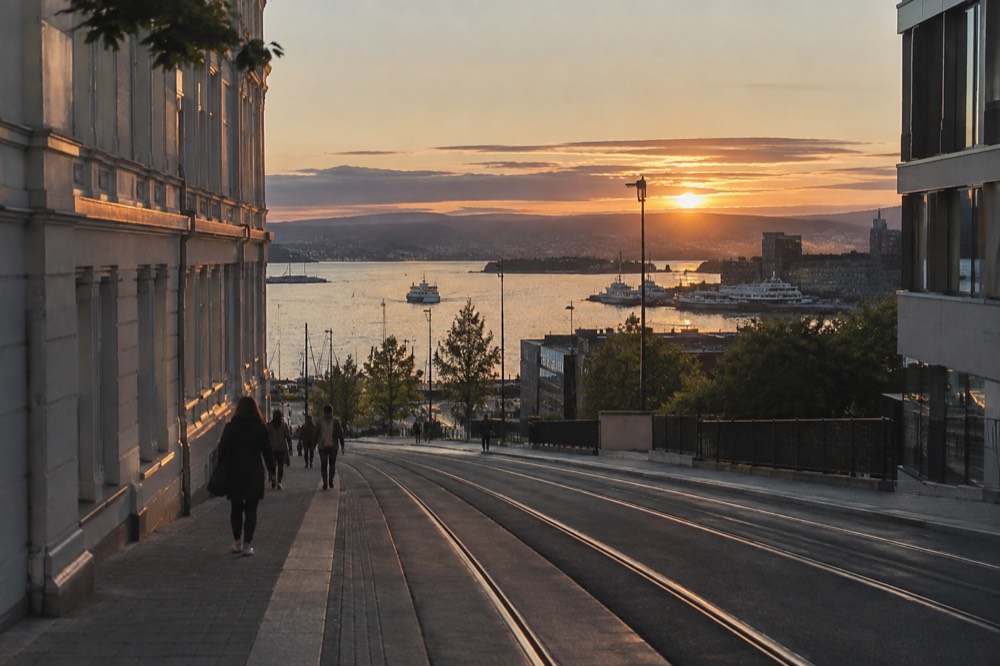
What to Do with the Money You Did Not Spend on Lager
Redirecting two rounds of terrace beer money covers a 90-minute electric boat trip on the Oslofjord, one of the best-reviewed activities in the city, and the fjord is the thing Oslo actually has that other capitals do not. The math is not subtle: alcohol at double the European average means a night of drinking is your single most expensive optional activity in Norway, and swapping even part of it for a ticketed experience buys a lot of Oslo per krone.
The Silent Electric Boat, Audio Guide cruise is the default pick for exactly this trade. It runs an hour and a half on the inner fjord with recorded commentary, it is Oslo's single best-reviewed activity on the booking platforms, and its from-price sits below what a couple of people spend on a modest bar evening. Because the boat is electric, it is also quiet enough that the fjord, not the engine, is what you hear.
The same logic extends across the whole budget. A free walking tour costs nothing up front and covers the city centre's highlights in about two hours, and the Kon-Tiki Museum ticket costs less than a round of drinks while delivering one of Bygdøy's best hours. Between those three, a visitor can fill a full day in Oslo for less than a heavy night out, and the free things to do in Oslo guide extends the list considerably.
There is also a planning dividend. Because the expensive part of Oslo is narrowly concentrated in alcohol and restaurants, a trip built around museums, the islands, the forest edge and the fjord can run at a surprisingly moderate total, and the Oslo on a budget guide lays out the full structure. The pint question, answered honestly, is really a question about where a Oslo trip's money goes, and the answer is: wherever the beer is.
Common Questions About a Pint of Lager in Oslo
how much is a pint of lager in oslo?
There is no single verified figure, because Norwegian bars price freely above the national alcohol tax and no official body tracks menu prices. The verified anchor is Statistics Norway's 2025 survey, which puts alcohol and tobacco at more than double the European average. Expect a supermarket can to cost a fraction of a bar pour, and a city-centre terrace glass to be among the most expensive beer you have bought anywhere.
Why is beer so expensive in Norway?
Alcohol tax is levied nationally per litre of pure alcohol at one of Europe's highest rates, and it applies to every serving everywhere. On top of that floor, restaurants and bars price freely. The result, per the SSB 2025 price-level survey, is alcohol at more than double the European average, with food a further 33 percent above average.
Can you buy beer in a Norwegian supermarket?
Yes, but only beer and cider up to 4.7 percent ABV, and only until a fixed evening cut-off time that varies by municipality. Anything stronger, and all wine and spirits, is sold exclusively through Vinmonopolet, the state monopoly, which closes early on Saturdays and is shut on Sundays and public holidays.
Is tipping expected when you buy a beer in Oslo?
No. Service is included in Norwegian prices and tipping is not expected anywhere, bars included. Rounding up or leaving a small amount for good service is common and voluntary, and card terminals may prompt, but there is no obligation. The price on the menu is the price you pay.
What is Vinmonopolet?
The Norwegian state alcohol monopoly, and the only retailer allowed to sell wine, spirits and beer above the supermarket strength limit. Hours are short and vary by store: closed every Sunday and public holiday, early close on Saturdays. Its own store finder is the reliable source for a specific branch.
Do Norwegians use pints?
No. Norway serves beer in metric measures, in more than one glass size. Asking for a pint will usually get you a large pour, sometimes a smaller one, and the two sizes can sit at different price points on the same menu, so check the measure as well as the price.