Is Oslo or Tromsø Better for the Northern Lights?
Tromsø is the northern lights city; Oslo is not. Here is the honest physics, the latitude math, and what to do with an Oslo winter trip instead.
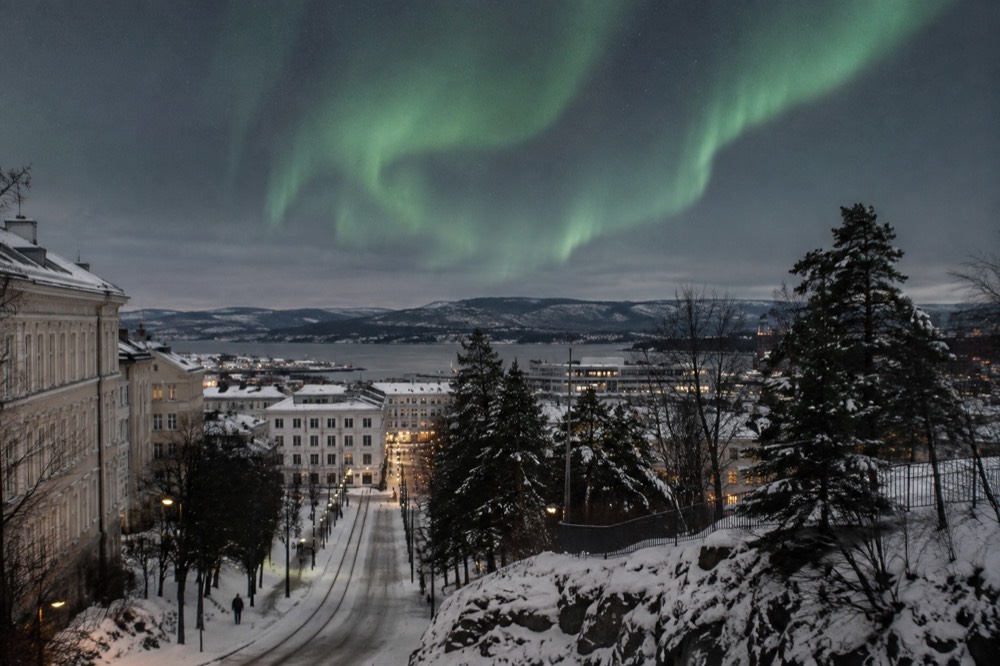
Is Oslo or Tromsø Better for the Northern Lights?
Tromsø is better, and it is not a close call. Tromsø sits inside the auroral oval, the ring of latitude where the northern lights appear on ordinary clear nights between autumn and spring. Oslo sits at 59.91 N, well south of the oval, so the lights only reach its sky during strong geomagnetic storms, a handful of nights a year at best. If seeing the aurora is the purpose of your trip, you plan around Tromsø and treat Oslo as a different kind of city.
The short version of the physics: the aurora is not scattered evenly across the north. It forms in a ring around the geomagnetic pole, and Tromsø, at roughly 69.6 N, sits directly beneath that ring. On a clear night between late September and late March, the lights over Tromsø are a normal occurrence, not a miracle. Oslo is nearly ten degrees of latitude further south, and the University of Tromsø's own space weather service is blunt about what that means: the auroral oval only stretches down to Oslo's sky when geomagnetic activity is high, typically a Kp index of 5 or stronger. That combination of a strong storm, a clear sky and a dark viewing spot away from city light comes round a few times per year, not on a schedule you can book a trip around.
This matters because a lot of general travel content quietly implies that Norway equals northern lights, and that any Norwegian city in winter will do. It will not. Norway spans thirteen degrees of latitude, from the Skagerrak to the North Cape, and the aurora is a northern-Norway phenomenon. The honest planning advice, which the northern-lights-in-oslo guide on this site also takes, is that Oslo is a capital-city trip with excellent winter experiences of its own, and Tromsø is the aurora trip. They are different products.
There is also a booking reality worth stating plainly: there are no northern lights tours from Oslo at all. None exist on any platform this site covers. Oslo is too far south for a tour operator to honestly sell an aurora chase from the city, and any listing that appears to do so is selling you a long drive north with odds that do not support the price. The pages that pretend otherwise are the pages that disappoint people.
Why Tromsø Sits Inside the Aurora Oval and Oslo Does Not
The aurora forms in a ring around the geomagnetic pole, roughly centered on latitudes in the high sixties, and Tromsø sits beneath that ring while Oslo sits far outside it. Tromsø's latitude is about 69.6 N, inside the zone where the lights appear routinely on clear winter nights. Oslo's 59.91 N is nearly ten degrees south, close enough only for major geomagnetic storms to push the oval down to its sky, which is why an Oslo sighting is rare rather than routine.
The mechanism is worth sixty seconds because it explains every practical difference between the two cities. Charged particles from the sun travel down Earth's magnetic field lines and excite gas in the upper atmosphere, and those field lines converge on the magnetic poles. The result is an oval of aurora around the pole, not a blanket over the whole Arctic. A city under the oval sees the lights often. A city south of the oval sees them only when the sun is active enough to expand the oval downward, and the further south the city, the rarer that gets.
Tromsø's position is unusually good even by northern standards. It is inside the oval but far enough south to avoid the worst coastal weather, and it has a genuine winter-dark season, because at 69.6 N the sun stays below the horizon for about a month around the winter solstice. That polar-night window, late November to mid-January, is prime aurora time precisely because there is daylight-free sky around the clock.
Oslo's winter is a different animal. At 59.91 N there is no midnight sun in summer and no polar night in winter, only short days: MET Norway's sunrise data puts the winter solstice at 5 hours 53 minutes of daylight, with sunrise at 09:18 and sunset at 15:11. That is dark enough for evening aurora viewing in principle, and the long winter nights are one reason people keep asking this question, but the latitude gap is not something darkness can fix. You cannot see the lights if the oval is not overhead, and over Oslo it usually is not.
The University of Tromsø's space weather service publishes exactly how far south the aurora reaches at each Kp level, and the numbers are sobering for Oslo. It takes a strong storm, Kp 5 or higher, for the oval's southern edge to reach the Oslo region at all, and strong storms cluster around solar maximum rather than distributing themselves evenly across a winter. Even then, Oslo's light pollution and the frequent coastal cloud cover mean the practical odds are worse than the raw geography suggests.
Can You Actually See the Northern Lights from Oslo?
Yes, but rarely, and never reliably enough to plan around. The University of Tromsø's aurora service records that Oslo sees the lights only during strong geomagnetic storms, typically a handful of nights a year, and only from a dark spot away from city light under a clear sky. If you are already in Oslo on such a night, look up, it is a genuine event. If you are deciding where to book an aurora trip, Oslo is the wrong answer.
The honest framing for an Oslo visitor is luck, not logistics. The three conditions stack: a Kp 5 or stronger storm, a clear hole in the coastal cloud, and a viewing location with a dark northern horizon. Oslo's own sky is too bright, so the realistic local move on a storm night is to get out of the center, toward the lake districts north of the city or the forest edge at Nordmarka, where the sky is darker and the northern horizon is open. Even then, the sighting is more likely to be a faint green arc low on the horizon than the overhead curtains people picture from Tromsø photographs.
What Oslo does not have, and this is worth repeating because listings elsewhere imply otherwise, is a bookable aurora tour. None exists. Any product sold as a northern-lights experience from Oslo would be a multi-hour drive north with odds that do not justify the price, and the operators in this market have sensibly not built one. The honest Oslo answer to the aurora question is a free one: watch the Kp forecast, and if a strong storm coincides with a clear night, head somewhere dark and hope.
That said, an Oslo winter trip is not a consolation prize, and treating it as one sells the city short. Oslo is one of very few European capitals where genuine winter wilderness sits inside the transit network: the metro's Line 1 runs to Frognerseteren at the forest edge, groomed ski trails start where the pavement ends, and the whole thing runs on an ordinary ticket. The winter products that actually sell in Oslo, the torchlit forest walk, guided snowshoeing, a learn-to-ski half-day, are real experiences with strong review histories, not aurora substitutes dressed up as something they are not.
The torchlit forest walk with a campfire stop is the clearest example. It runs three and a half hours, in the evening, inside the city's forest fringe, and it delivers the winter-dark atmosphere people imagine when they book a Nordic winter trip, with a fire and a guide instead of a lottery ticket on space weather. It is the product Oslo can honestly sell on a winter evening, and the reviews treat it as exactly that. You can read more about it on the torchlit winter forest walk tour page, and Check availability if an Oslo winter evening needs a plan.
What an Oslo Winter Trip Is Genuinely Good For
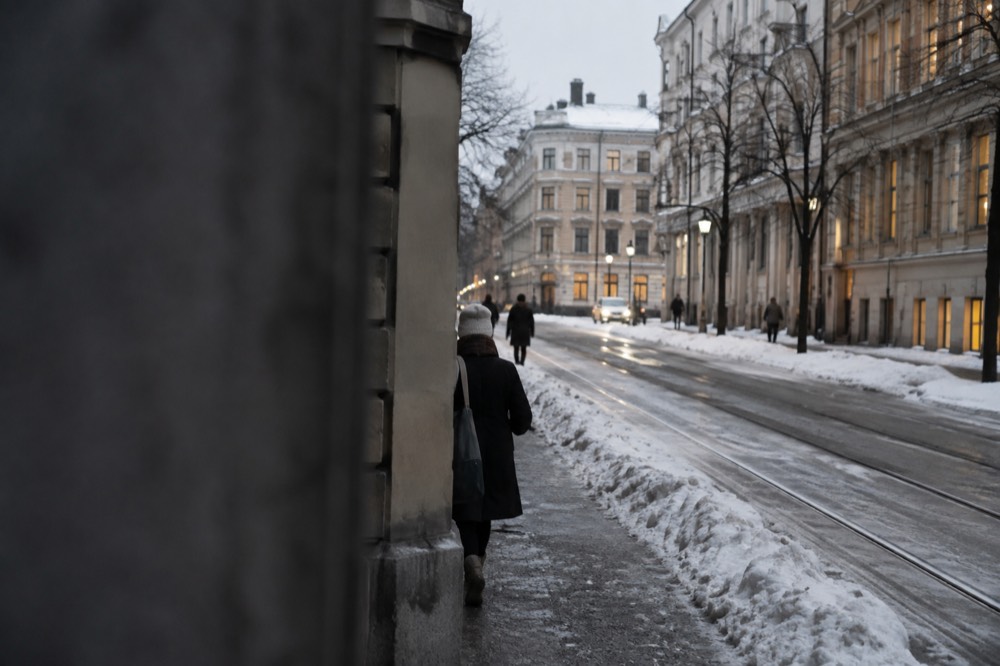
Oslo's winter strength is not the sky, it is the snow and the forest: groomed cross-country trails inside the metro zone, a ski jump you can visit on Line 1, snowshoeing and learn-to-ski products that run as half-day activities, and a compact museum city for the dark afternoons. A visitor who books Oslo for winter forest experiences and leaves the aurora to Tromsø gets a better trip than one who books Oslo hoping for lights.
The list is concrete. The Holmenkollen ski jump and its museum sit a short metro ride from the center, and the Ski Museum plus jump tower combo is a real half-day. Nordmarka, the forest belt above the city, is maintained by Skiforeningen, the official ski association, which publishes live trail and snow-depth reports, so conditions are knowable before you commit. Oslo Vinterpark at Tryvann is the local alpine hill. And the winter experience roster on this site's own tour pages covers the guided versions of all of it: snowshoeing, the torchlit walk, and a learn-to-ski experience that makes Oslo one of the only European capitals where learning to ski is a half-day city activity.
The learn-to-ski product deserves a specific mention because it answers a question people do not think to ask. Most visitors assume skiing near a capital means a day trip and a rental car. In Oslo it means a metro ride and a guide, and the product carries a perfect rating across its review history, which is the kind of score that only happens when something genuinely matches its promise. The Norwegian skiing experience tour page has the details for anyone with a first day on skis on the list.
The museum half of an Oslo winter is covered elsewhere on this site in depth, but the short version fits the season: dark afternoons from 15:00 onward are museum hours, and the Bygdøy peninsula holds the Kon-Tiki and Fram museums within a short walk of each other. The Kon-Tiki Museum ticket page covers the best-reviewed museum entry in the city, a solid slot for a rainy-or-dark afternoon.
| Winter factor | Oslo | Tromsø |
|---|---|---|
| Aurora reliability | Rare, storm nights only, Kp 5+ | Routine on clear nights in season |
| Latitude | 59.91 N, south of the oval | About 69.6 N, inside the oval |
| Midwinter daylight | 5 h 53 m on 21 December | Polar night, roughly late Nov to mid-Jan |
| Signature winter products | Torchlit forest walk, snowshoeing, learn-to-ski, ski museums | Aurora chases, husky sledding, whale safaris |
| City strengths | Museums, design, food, transit-accessible forest | Aurora, Arctic scenery, Sami culture |
| Honest booking note | No aurora tours exist from Oslo | Aurora products are the local industry |
How to Combine Both Cities in One Trip
The standard pattern is Oslo first, Tromsø second: two or three days in Oslo for the museums, food and forest, then a flight of roughly two hours north to Tromsø for three or four aurora nights. Flying is the practical option, the drive is over a thousand kilometers, and the flight route is one of Norway's busiest. Give Tromsø at least three nights, because clear skies are the one variable no tour can guarantee, and more nights means more chances.
The order is not arbitrary. Oslo arrivals from the US and most of Europe land at Gardermoen, and the capital is where the international connections concentrate, so it is the natural first stop. The getting to Oslo guide covers the airport-to-city options in detail, including the one money fact most guides get wrong: the Oslo Pass covers the airport train, but only the Vy service, not Flytoget, and the difference is real money on a round trip.
The Oslo-to-Tromsø leg itself is a domestic flight from Gardermoen, and the route is well served because it is a mainline of Norwegian domestic aviation. There is also a very long way round: the Oslo to Tromsø guide on this site covers the options, and the honest summary is that flying wins on every practical measure for a trip where Tromsø is a destination rather than a scenic journey.
Three nights in Tromsø is the minimum sensible aurora budget, and four or five is better. The reason is weather, not geography: Tromsø sits under the oval all winter, but coastal weather systems can blanket the sky for days at a stretch, and an aurora chase on a cloudy night is a cold drive. Local operators run both bus-based chases toward inland clear pockets and boat-based trips out on the fjord, and a longer stay is the single best odds-improver available, because it gives the weather a chance to break.
One planning note that saves people real disappointment: book the aurora night early in your Tromsø stay, not on the last night. If the first attempt is clouded out, most operators rebook you on a later night if they have space, but only if there is a later night left. A last-night booking has no retry, and the retry is often the difference between a story and a photograph.
When to Go: Season, Darkness and the Odds
For Tromsø, the aurora season runs roughly from late September to late March, and the best odds sit in the darker months from November through February, with the polar-night window around the solstice offering aurora-capable sky around the clock. For Oslo as an aurora hopeful, the same storm seasons apply but the odds stay poor all year. For Oslo as a winter city, December through February delivers snow and the full forest product lineup.
The season logic follows darkness. The aurora happens above the atmosphere year-round, but you can only see it where the sky is dark, so the visible season is the dark half of the year. In Tromsø the dark season is long and deep, and the period around the winter solstice, when the sun never rises at all, is peak time precisely because there is no daylight to compete with. In Oslo the dark season is real but shallower, with the solstice day at 5 hours 53 minutes, and the practical difference is that Oslo's winter nights are long enough for viewing while Tromsø's are complemented by an oval that actually sits overhead.
| Date | Oslo sunrise | Oslo sunset | Oslo day length | Aurora outlook |
|---|---|---|---|---|
| 15 Sep | 06:44 | 19:38 | 12 h 54 m | Oslo: near-zero odds; Tromsø: season beginning |
| 15 Oct | 07:55 | 18:08 | 10 h 13 m | Oslo: storm nights only; Tromsø: good |
| 21 Dec | 09:18 | 15:11 | 5 h 53 m | Oslo: storm nights only; Tromsø: polar night, prime |
| 15 Feb | 07:54 | 17:08 | 9 h 14 m | Oslo: storm nights only; Tromsø: good |
| 15 Mar | 06:34 | 18:19 | 11 h 45 m | Oslo: near-zero; Tromsø: season ending |
Solar activity is the second variable, and it moves in an roughly eleven-year cycle. The years around solar maximum produce more strong storms, which expands the oval southward, and that is when Oslo's handful of sightings cluster. But even at solar maximum, Oslo is a maybe and Tromsø is a routine, and the cycle's effect on Oslo is to move it from very rare to occasionally possible, never to reliable. Pinning an Oslo aurora hope to the solar cycle is a plan built on the wrong city.
Cloud is the third variable and it hits both cities. Coastal Norway is cloudy, and Tromsø's operators chase inland clear pockets for exactly this reason. Oslo's August is its wettest month on the 1991 to 2020 normals at 103 mm, and winter months carry substantial precipitation too, so a clear night is never a given anywhere on this coast. The best time to visit Oslo guide breaks the full year down if the trip dates are flexible.
What It Costs to Chase the Lights in Each City
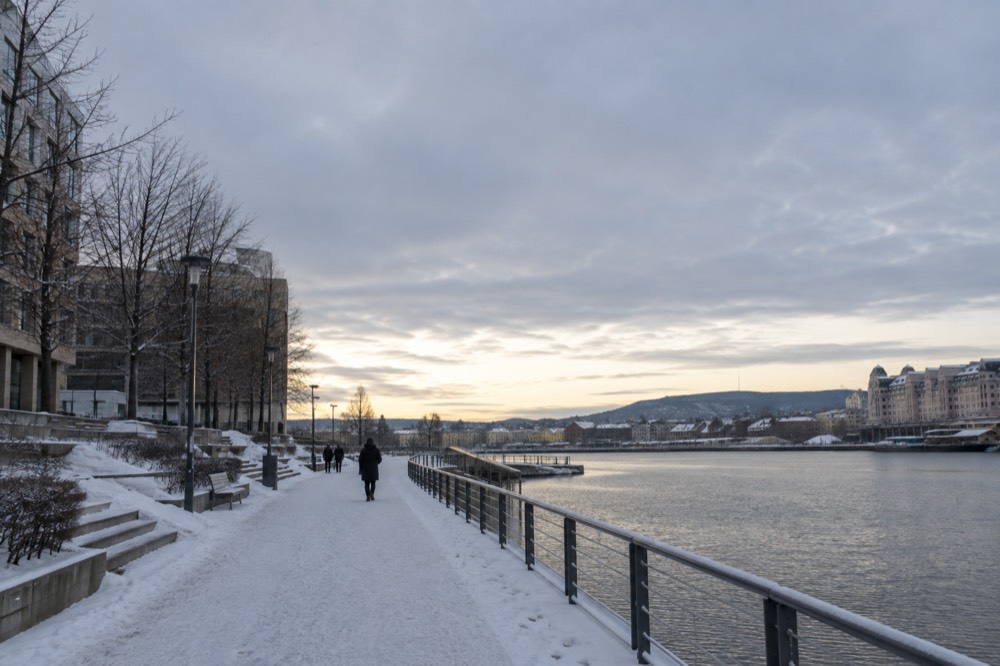
In Tromsø, aurora products are the local industry and you pay for them: guided chases and boat trips are the core winter spend, alongside husky sledding and whale safaris, at the prices of a remote Arctic city. In Oslo, there is nothing to buy for the aurora because no product exists, so the winter budget goes to forest experiences, museums and food instead. Neither city is cheap, and Norway is the sixth most expensive country in Europe on Statistics Norway's 2025 survey.
The cost picture is where the two cities diverge hardest. Tromsø's winter economy is built on aurora tourism, and its product shelf is deep: vehicle chases, fjord boat trips, husky sledding, whale watching, Sami cultural experiences. Those are real, bookable products with the prices of a remote Arctic destination, and a Tromsø aurora week is priced accordingly. Oslo's winter shelf is different: the torchlit walk, snowshoeing, the learn-to-ski half-day, museum tickets, and a food and bar scene that costs what a Nordic capital costs.
The Statistics Norway 2025 purchasing-power survey gives the honest backdrop for both: Norway's price level for households sits 28.6 percent above the EU average, food and non-alcoholic drinks run 33 percent above the European average, and alcohol and tobacco are more than double. Tromsø adds remoteness on top of that. The is Oslo expensive guide carries the full breakdown, and the short version is that the outdoors and museums are where Oslo is not unusually dear, while restaurants and anything with alcohol in it are.
The budgeting advice that follows from all this is simple. If the aurora is the trip's purpose, put the money into Tromsø nights and Tromsø products, and treat Oslo as a short city stop on the way through, with maybe one winter evening product and a museum day. If the aurora is a nice-to-have and the trip is really a Norway city break, spend the time and money in Oslo on the things Oslo is genuinely excellent at, and keep the aurora as a free lottery ticket: watch the Kp forecast, and if a storm night coincides with clear sky, head somewhere dark.
| Spend category | Oslo winter trip | Tromsø aurora trip |
|---|---|---|
| Aurora products | None exist to buy | The core winter spend, chases and boat trips |
| Winter activities | Torchlit walk, snowshoeing, learn-to-ski, ski museum | Husky sledding, whale safaris, Sami experiences |
| Museums | Deep lineup, Bygdøy peninsula, national institutions | Modest, the trip is not about museums |
| Getting there | Major international hub | Domestic flight from Oslo, roughly two hours |
| Nights needed | 2 to 3 for a city stop | 3 to 5 for real aurora odds |
Common Questions About Oslo and Tromsø for the Northern Lights
is oslo or tromsø better for the northern lights?
Tromsø, decisively. Tromsø sits inside the auroral oval at about 69.6 N, where the lights appear routinely on clear nights in season. Oslo sits at 59.91 N, south of the oval, and sees the aurora only during strong geomagnetic storms, a handful of nights a year. Book Tromsø for the lights and enjoy Oslo for what it actually is.
Can you see the northern lights in Oslo at all?
Rarely, yes. During strong storms, typically Kp 5 or higher, the auroral oval stretches far enough south to appear in Oslo's sky, generally as a faint arc on the northern horizon from a dark spot outside the city center. The University of Tromsø's space weather service tracks exactly how far south the aurora reaches at each activity level.
Are there northern lights tours from Oslo?
No. None exist on any platform this site covers, and for good reason: Oslo is too far south for a chase from the city to carry honest odds. Any product implying an aurora tour from Oslo should be treated with suspicion. The nearest genuine aurora products are based in and around Tromsø.
How many nights do I need in Tromsø to see the lights?
Three at minimum, four or five is better. Tromsø sits under the auroral oval all winter, but coastal cloud can block the sky for days at a stretch, and more nights means more chances for a clear window. Book your first aurora night early in the stay so a clouded-out attempt can be rebooked.
When is the best month for the northern lights in Tromsø?
November through February, with the polar-night window around the winter solstice offering aurora-capable sky around the clock. The visible season runs roughly late September to late March, but the darker months carry the best odds because there is more night to work with.
Is an Oslo winter trip still worth it without the aurora?
Yes. Oslo is one of the few European capitals with groomed winter forest inside its transit network, plus a learn-to-ski half-day product, snowshoeing, a torchlit forest walk with a campfire, and a deep museum lineup for the dark afternoons. The winter forest experiences on this site's tour pages are real products with strong review histories, not consolation prizes.
If you are weighing the two cities against each other, the planning pages on Oslo Travel Guide cover both sides: the Oslo to Tromsø guide covers the logistics of actually getting north, and the Oslo in winter guide is the right page if the capital leg of the trip is the part you are building out.